Hendra Ismail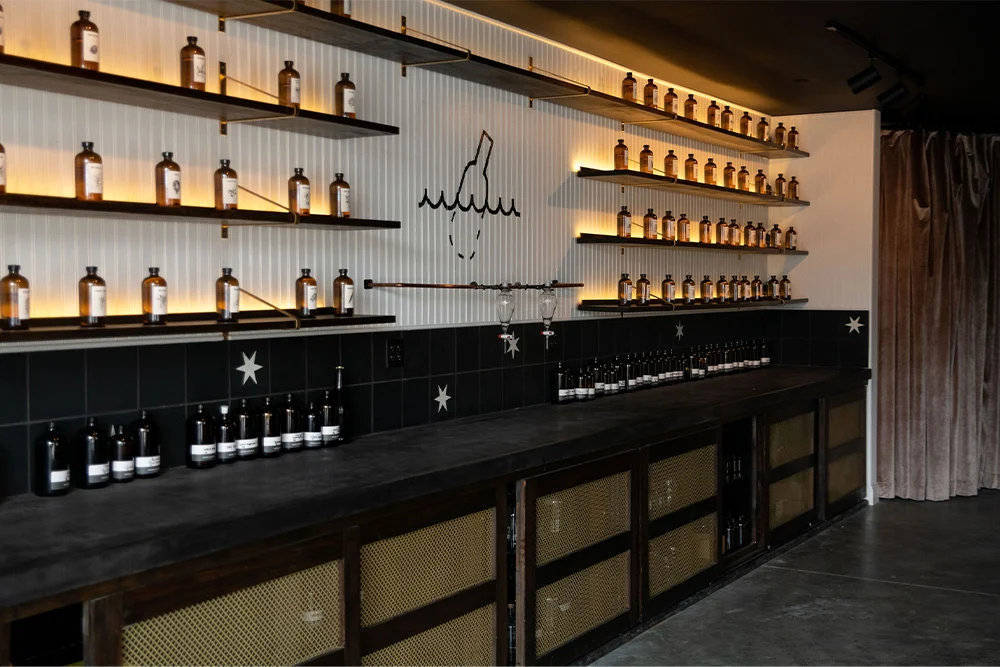
The unassuming Saturdays at Matchbook Distilling Co. have become a beacon for the discerning palate, drawing curious visitors to its Greenport, New York tasting room. Here, distiller and partner Leslie Merinoff Kwasnieski orchestrates a symphony of flavor with her ever-evolving, avant-garde creations. Within the sprawling 38,000-square-foot distillery, a former boat-parts storage facility, Merinoff Kwasnieski cultivates a portfolio of limited-production, unconventional spirits and liqueurs. These offerings, such as the richly flavored Blind Duck Blackberry Brandy and the vibrant Daytrip Strawberry Amaro, are not merely beverages; they are a testament to the rich agricultural tapestry of Long Island’s North Fork, a region increasingly recognized for its burgeoning artisanal food and drink scene.
The genesis of Matchbook Distilling Co. began in 2016 when Merinoff Kwasnieski, alongside her husband Brian Kwasnieski and partner Paul Monahan, acquired the expansive industrial space. The subsequent two years were dedicated to a transformative, do-it-yourself renovation that mirrored the innovative spirit of their distilling endeavors. "We had to do it all ourselves because we had no cash," Merinoff Kwasnieski recalls, a sentiment that speaks volumes about the dedication and resourcefulness that fueled the project. This bootstrap mentality, however, was bolstered by a network of talented friends, including an artist with an architectural background and an individual with extensive experience in event production, whose collective expertise proved invaluable in breathing new life into the derelict structure.
From Industrial Shell to Artisanal Haven: The Design Philosophy
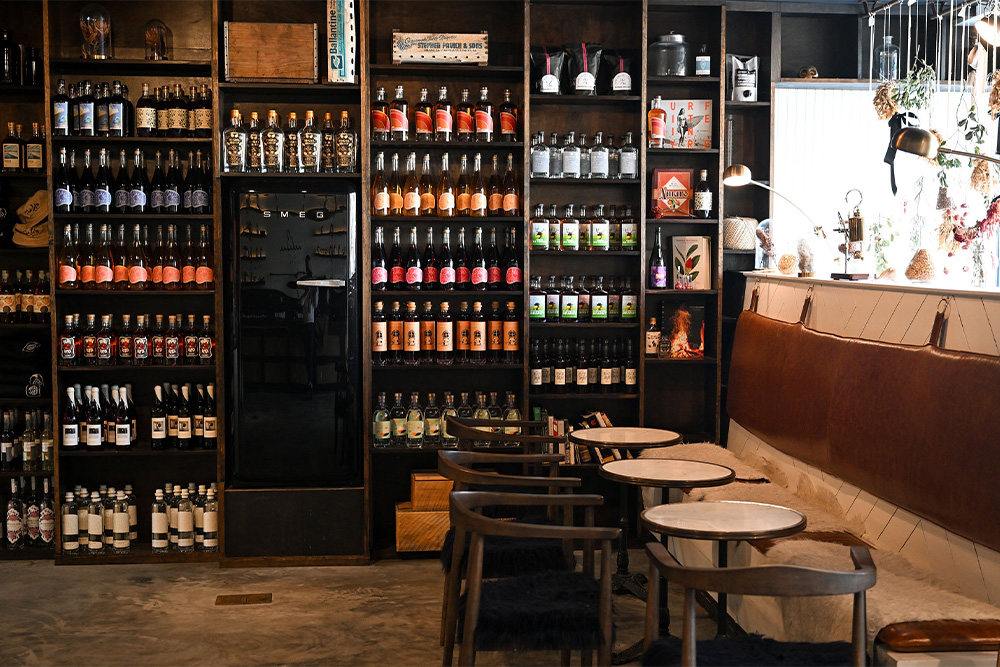
The experimental ethos that defines Matchbook Distilling Co.’s spirits is intrinsically woven into the fabric of its tasting room design. The renovation was a masterclass in creative repurposing, where materials typically relegated to utilitarian functions were elevated to aesthetic statements. Plywood and metal, often employed to conceal HVAC systems, were artfully integrated with high-end tiles, creating a dialogue between the industrial past and the refined present. A striking, bespoke pink velvet curtain, designed to echo the room’s curved wall, adds a touch of opulent drama. "We had a local guy pour concrete to make our counter slabs," Merinoff Kwasnieski explains. "Those came out beautifully and look way more expensive than they were to produce." This pragmatic yet sophisticated approach underscores a commitment to both form and function, ensuring that the space itself is as memorable as the spirits it serves.
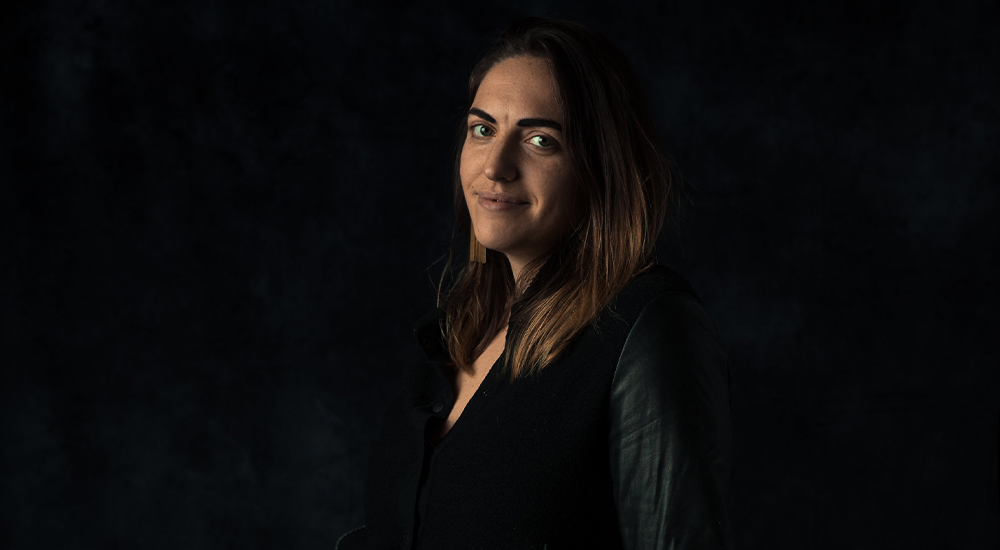
The journey to establishing Matchbook Distilling Co. is deeply rooted in Merinoff Kwasnieski’s lineage and upbringing. Her family tree boasts a direct connection to the spirits industry; she is a descendant of Hiram Walker, the visionary behind Canadian Club whisky. Furthermore, her father, Charles Merinoff, holds the esteemed position of co-chairman at Breakthru Beverage Group, a titan in the wine, spirits, and beer distribution sector. This familial legacy provided an unparalleled immersion into the world of beverages from an early age. "He has a one-track mind for the industry so I grew up hearing about the early days, and I’ve always been captivated by them," she shares. Her childhood was punctuated by enriching experiences, from exploring wineries and tasting fruit directly from the vines to restaurant dinners where her father would playfully challenge her to articulate the nuanced flavors of ingredients like bell peppers, honing her sensory perception.
A Spirited Career Trajectory: From Law to Liqueurs
Initially, Merinoff Kwasnieski considered a career in liquor law, a path that would have kept her firmly within the legal framework of the industry. However, her undergraduate years at the University of Vermont proved to be a fertile ground for experimentation, particularly with homebrewing. This hands-on exploration ignited a passion for the craft of spirit creation. Following her academic pursuits, she transitioned into a marketing role at William Grant & Sons, a prominent spirits producer. This experience provided a crucial insight into the production side of the business, revealing a viable pathway from marketing to hands-on creation. It was this realization that led her to seek out and secure a position at the now-defunct Noble Experiment, a Brooklyn-based rum distillery, marking a pivotal step in her journey toward becoming a distiller.
The Lin Beach House: Extending Hospitality Beyond the Bottle
Merinoff Kwasnieski’s dedication to hospitality extends far beyond the confines of the distillery. As Matchbook Distilling Co. was on the cusp of its grand opening, the need for nearby accommodation for its extensive team became apparent. With housing options limited and prices soaring, an abandoned Victorian inn, known as the Shady Lady, located just minutes from the distillery, presented itself as an irresistible opportunity. This derelict property, untouched for years, became the canvas for another deeply personal renovation project. Unveiled in 2018, the Lin Beach House, a boutique hotel, now stands as a complementary extension of the Matchbook experience. It offers six guestrooms and a vibrant bar that prominently features Matchbox’s innovative spirit creations, further solidifying the brand’s holistic approach to hospitality.
Recounting the state of the Shady Lady upon acquisition, Merinoff Kwasnieski describes a scene frozen in time: "It was wild in there. It was left as if it was ready for service that night. All the tables were set, all the rooms were done up, but it was dusty and there were signs a clan of raccoons was living there." The inn’s maximalist decor, replete with velvet and cherubic motifs, required a careful process of deconstruction. "It was so maximalist all we had to do was peel things away," she notes. This selective removal allowed a serene coastal aesthetic to emerge, achieved through staining the floors and painting the walls in calming palettes of white, pink, and green. This spring marks another evolution for the property, as it transitions into a fully private retreat centered around curated themed itineraries. These immersive experiences aim to cater to diverse interests, from antique boat excursions to oyster farm visits to hands-on gin-making workshops.
Long Island’s Influence: A Terroir of Inspiration
The profound connection Merinoff Kwasnieski feels with her surroundings is palpable in her creative output. "I feel so shaped by Long Island’s geography and it inspires everything I do," she articulates. This inspiration is not limited to local ingredients; it extends to the very essence of the region. She elaborates on a spirit crafted from roasted pineapples, an ingredient not indigenous to the Northeast. Yet, the creation process is infused with a local spirit: "I start by breaking them down in a big firepit, like a clambake." This method, reminiscent of traditional communal feasts, imbues the spirit with a distinct character, a subtle nod to the land that shapes her. "The land here seeps into your mind," she concludes, underscoring the symbiotic relationship between her environment and her craft.
The Broader Implications: A Model for Regional Revitalization
The success of Matchbook Distilling Co. and the Lin Beach House represents more than just a thriving business; it signifies a broader trend of artisanal development and economic revitalization in regions like Long Island’s North Fork. By transforming a disused industrial space and a neglected historic property, Merinoff Kwasnieski and her partners have not only created unique destinations but have also contributed to the enhancement of the local landscape and tourism appeal.
The emphasis on limited-production, experimental spirits, coupled with a commitment to celebrating local agriculture, aligns with a growing consumer demand for authentic, craft-made products with a story. The distillery’s unique approach to ingredient sourcing and flavor profiles, such as the aforementioned pineapple spirit inspired by clambake traditions, offers a compelling narrative that resonates with consumers seeking more than just a drink. This focus on origin and process is a key differentiator in a competitive market.
Furthermore, the integration of hospitality services through the Lin Beach House creates a powerful synergy, allowing visitors to fully immerse themselves in the Matchbook experience. This model of combining production, retail, and lodging offers a comprehensive visitor experience, encouraging longer stays and deeper engagement with the brand and the region. It positions the North Fork as a destination for culinary and spirits tourism, potentially attracting further investment and entrepreneurial ventures.
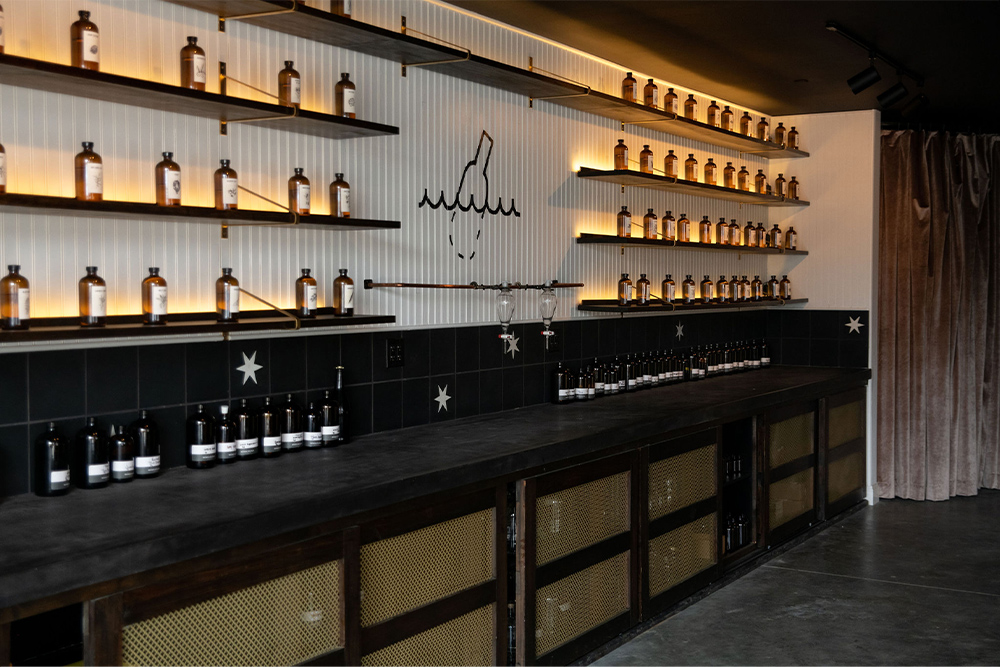
The DIY ethos that defined the initial renovation of the distillery, while born out of necessity, has resulted in a space that is both authentic and aesthetically compelling. This approach can serve as an inspiration for other small businesses or communities looking to develop unique spaces on a limited budget. The creative use of materials and the emphasis on collaboration with local artisans demonstrate a sustainable and community-focused model for development.
The strategic decision to leverage the region’s agricultural bounty, even for ingredients not traditionally grown there, highlights a forward-thinking approach to product development. By drawing inspiration from local traditions and natural elements, Merinoff Kwasnieski is not merely creating spirits; she is distilling the essence of Long Island into every bottle. This nuanced connection to place fosters a sense of regional identity and pride, which can be a powerful driver for both local businesses and tourism.
In essence, Matchbook Distilling Co. and the Lin Beach House stand as compelling case studies in entrepreneurial vision, creative execution, and the power of place. They exemplify how a deep understanding of one’s heritage, coupled with a commitment to innovation and hospitality, can transform overlooked spaces into vibrant hubs of culture and commerce, contributing significantly to the economic and social fabric of their surrounding communities. The ongoing evolution of the Lin Beach House into a private retreat further solidifies this commitment to providing bespoke, immersive experiences that capture the unique spirit of Long Island.
This article originally appeared in HD’s April 2026 issue.

 Chandra Hamzah
 Gabriela Annisa
 Tatiana Tantri Indah Sari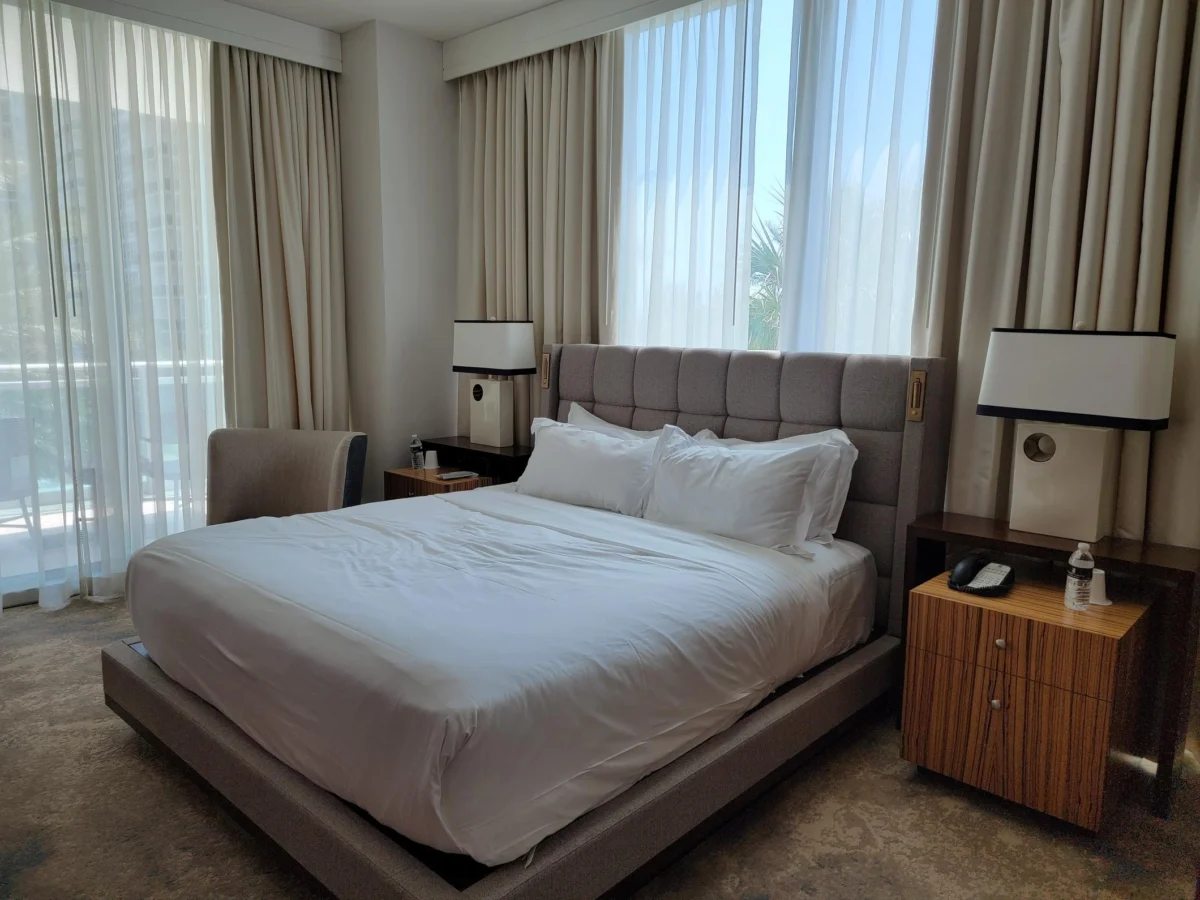
 Budi Mulyono
 Anjar Salim