
 Lukman Taruna Persada Ramadan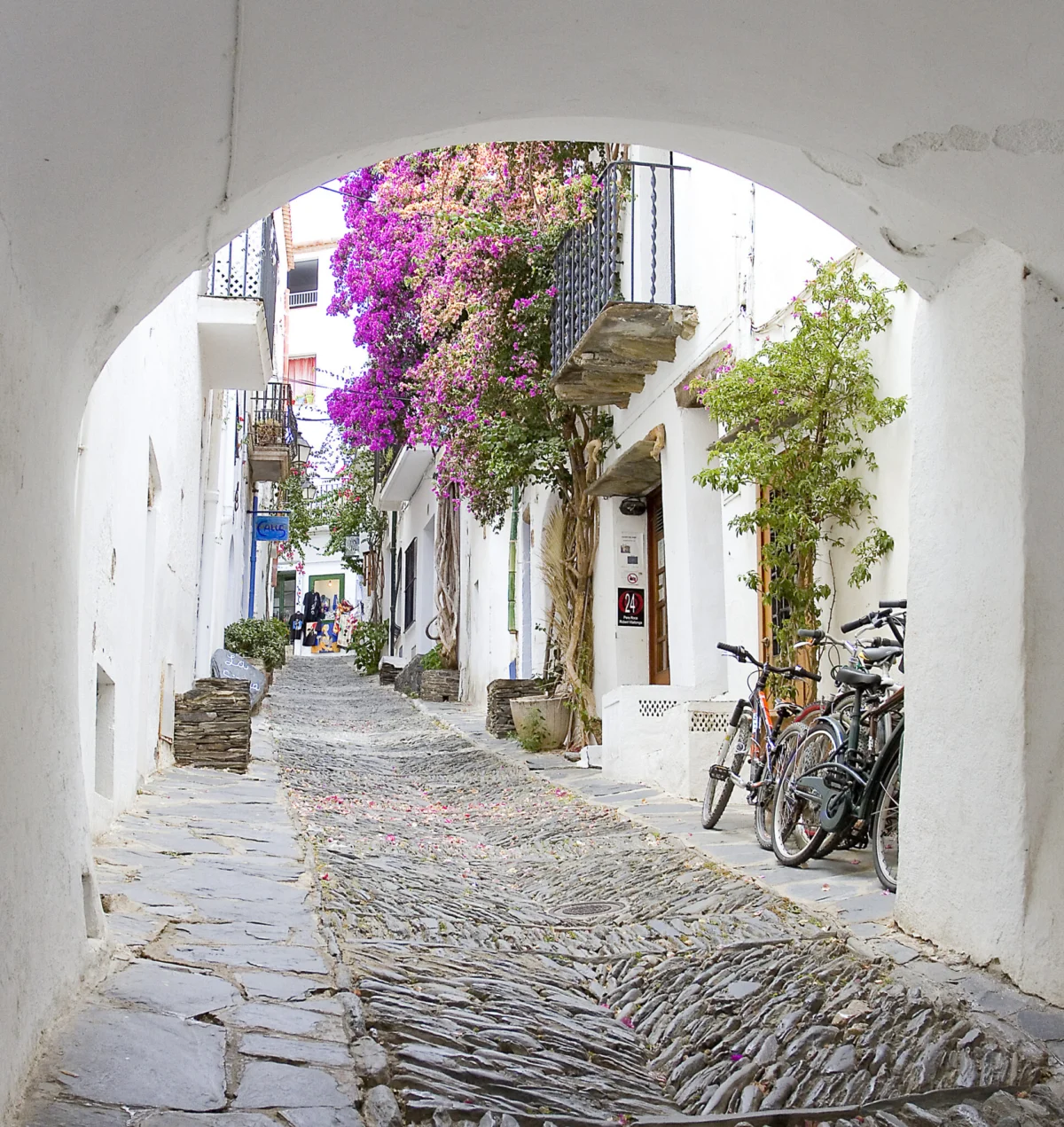
Long celebrated globally for its avant-garde Modernist architecture, centuries-old artistic heritage, and a deeply passionate football culture, Barcelona has steadily matured into one of Europe’s premier technology and innovation powerhouses. As the capital of Spain’s autonomous Catalonia region, the city plays host to high-profile international gatherings—most notably the annual Mobile World Congress (MWC), which draws tens of thousands of global tech executives, entrepreneurs, and policymakers each March. Within districts like Poble Nou, often dubbed Barcelona’s innovation district, pioneering startups and internationally recognized tech firms such as TravelPerk and Typeform anchor a thriving digital economy. Yet, for the modern business traveler, an assignment in Catalonia offers far more than boardroom meetings and convention centers. By pairing the dynamic pace of Barcelona with a brief escape northward to the rugged, sun-drenched shores of the Costa Brava, professionals can seamlessly blend high-level corporate productivity with an authentic Mediterranean lifestyle.
The Evolution of Barcelona as a Global Tech Hub
Over the past two decades, Barcelona’s economic landscape has shifted dramatically. While tourism, manufacturing, and shipping remain critical pillars, municipal initiatives and private venture capital have transformed the city into a magnet for digital talent. According to recent regional economic data, Barcelona consistently ranks among the top European cities for startup creation, venture capital investment, and foreign direct investment attraction.
The crown jewel of this tech calendar is the Mobile World Congress. Organized annually by the GSMA, the event generates hundreds of millions of euros in economic impact and brings together global leaders in telecommunications, artificial intelligence, and software development.
"Barcelona offers a rare combination of robust digital infrastructure, an exceptional quality of life, and a strategic geographic location that acts as a bridge between Europe, Latin America, and North Africa," notes regional economic development analyst Maria Fernandez. "It is no longer just a destination for vacationers; it is a critical node in the global knowledge economy."
Navigating Professional Culture in Catalonia
For business professionals accustomed to the hyper-structured, fast-paced corporate environments of North America or Northern Europe, conducting business in Barcelona requires an adjustment to local professional norms. Meetings may begin slightly later than scheduled, and attire frequently leans toward smart-casual rather than traditional corporate formal wear.
A defining characteristic of Catalan business culture is the integration of meals into the networking process. Business lunches are rarely rushed affairs eaten at a desk; instead, they are viewed as essential opportunities to build rapport. These midday meals commonly extend over two hours and typically include the option of regional wine or beer. While this relaxed tempo can initially challenge professionals timed to strict schedules, experienced corporate travelers advise treating the adjustment period as a welcome chance to recalibrate after crossing time zones.
Connectivity, Co-Working, and the Digital Nomad Infrastructure

With a thriving remote work ecosystem, Barcelona accommodates thousands of digital nomads and traveling professionals. However, traditional cafe culture operates under different rules than those found in many American cities; many local coffee shops explicitly discourage prolonged laptop use, particularly during peak lunch hours, to accommodate diners.
To bridge this gap, the city boasts an extensive network of professional co-working spaces, such as Aticco and MOB (Creators of Barcelona), where independent workers and corporate remote teams can rent hot desks by the hour or day. For those seeking alternative workspaces, upscale hotel lobbies throughout the Eixample and Gothic Quarter provide reliable high-speed internet connections, quiet environments, and premium hospitality services.
Chronology of a Typical Workday in Barcelona
Adopting the local daily rhythm can significantly enhance productivity and mitigate the friction of international travel:
08:00 – 11:00: Peak Focus Hours. The early morning offers the quietest window for intensive individual work, international video calls, and strategic planning before the city fully wakes up.
11:00 – 13:00: Client Outreach and Collaboration. Ideal hours for scheduling morning check-ins or visiting local co-working hubs.
14:00 – 16:00: The Extended Business Lunch. Embracing the traditional Catalan midday meal, often utilized for relationship-building with local partners over regional cuisine.
16:00 – 19:00: Afternoon Admin and Networking. Resuming lighter digital tasks, reviewing correspondence, or attending industry networking events.
21:00 Onward: Evening Dining. Adapting to local dining schedules, where restaurants rarely seat dinner guests before 8:30 or 9:00 p.m.
Culinary Excellence and Business Dining
When evening arrives, business dinners in Barcelona serve as both a culinary exploration and a continuation of professional networking. Because dining hours are significantly later than in the United States or Northern Europe, finding an open kitchen before 8:00 p.m. can prove challenging. Consequently, advance reservations are strongly advised, particularly at high-end establishments favored for corporate entertaining.
Prominent culinary destinations include Cocina Hermanos Torres, an innovative open-kitchen concept located near the Sants railway station that holds multiple Michelin stars, and Moments, situated inside the Mandarin Oriental on the prestigious Passeig de Gràcia, where chef Raül Bermejo delivers a contemporary interpretation of traditional Catalan gastronomy within a sophisticated, luminous interior designed by Patricia Urquiola.
From City Streets to Coastal Cliffs: The Costa Brava Excursion
When the workweek concludes, the geographic diversity of Catalonia allows travelers to transition effortlessly from urban sophistication to coastal tranquility. A short journey north of Barcelona leads to the Costa Brava—a rugged stretch of the Mediterranean coastline characterized by hidden coves, dramatic seaside cliffs, and centuries of maritime history.

Girona: A Walk Through Antiquity
The ideal starting point for a Costa Brava itinerary is the historic city of Girona. Situated roughly 65 miles north of Barcelona, Girona’s Old Town (Barri Vell) features architectural layers spanning Roman, medieval, and Gothic eras. Visitors can walk along the Passeig de la Muralla, the ancient medieval city walls that offer panoramic views across rooftops and distant mountain ranges. The city’s Jewish Quarter, one of the best-preserved in Europe, winds through a labyrinth of cobblestone alleyways that have served as backdrops for numerous international film and television productions.
Tossa de Mar: The Fortress by the Sea
Continuing southeast toward the coast brings travelers to Tossa de Mar. Perched dramatically on a rocky promontory overlooking the azure waters of the Mediterranean, Vila Vella is the Costa Brava’s only remaining fortified medieval town. Enclosed by stone ramparts and towers dating back to the 12th century, the site allows visitors to trace ancient defensive pathways while enjoying unobstructed views of sandy beaches and rolling coastal hills.
Cadaqués: The Artistic Sanctuary
Further north, nestled within a secluded harbor on the Cap de Creus peninsula, lies Cadaqués. Characterized by whitewashed houses, slate-paved streets, and traditional fishing boats bobbing in calm waters, this coastal village famously inspired generations of artists, most notably Salvador Dalí. The nearby home of Dalí in Portlligat, now operated as a museum house, offers a fascinating glimpse into the surrealist master’s daily life and creative process.
Logistical Guide: Transportation and Accessibility
Efficient transit infrastructure connects Barcelona and the surrounding Costa Brava region, minimizing travel friction for international visitors.
Air Travel Access:
- Barcelona-El Prat International Airport (BCN) serves as the primary gateway, located approximately 10 miles southwest of the city center. Passengers can reach downtown Barcelona in roughly 30 minutes via the Aerobús express shuttle, local metropolitan buses, the L9 Sud Metro line, or regional commuter trains (Rodalies).
- Girona-Costa Brava Airport (GRO) is situated roughly 65 miles north of Barcelona and primarily handles European budget carriers such as Ryanair and Jet2.com. Sagalés airport buses provide direct connections to central Girona in approximately 20 minutes.
Rail and Bus Networks:
- Barcelona Sants (Estació de Sants) functions as the central hub for national and international high-speed rail (AVE and Ouigo) as well as regional commuter services.
- Regional commuter trains, including the Rodalies de Catalunya R11 line, depart from Barcelona-Passeig de Gràcia in the city center, transporting passengers to Girona in approximately one hour and 20 minutes.
- Long-distance bus operators, such as SARFA, run direct services from Barcelona-Estació del Nord to Tossa de Mar (approx. 85 minutes) and Cadaqués (approx. 3 hours).
Car Rentals:
For travelers wishing to explore remote coves and smaller fishing villages independently, rental vehicles are widely available at both regional airports and urban agency locations throughout Barcelona and Girona.
Broader Implications for Corporate Travel
The successful integration of professional infrastructure and leisure accessibility in Barcelona and the Costa Brava highlights a broader evolution in global corporate travel trends. As remote and hybrid work models dismantle the traditional boundaries between business trips and vacations—frequently referred to as "bleisure" travel—destinations that provide robust digital connectivity alongside rich cultural and natural amenities are capturing an increasingly large share of the business tourism market. By accommodating the flexibility demanded by contemporary professionals while preserving deep-rooted local traditions, Catalonia serves as a model for how historic European regions can sustainably modernize their economies without losing their distinct cultural identity.




 Anjar Salim
 Susilo Edi Turonggo
 Tatiana Tantri Indah Sari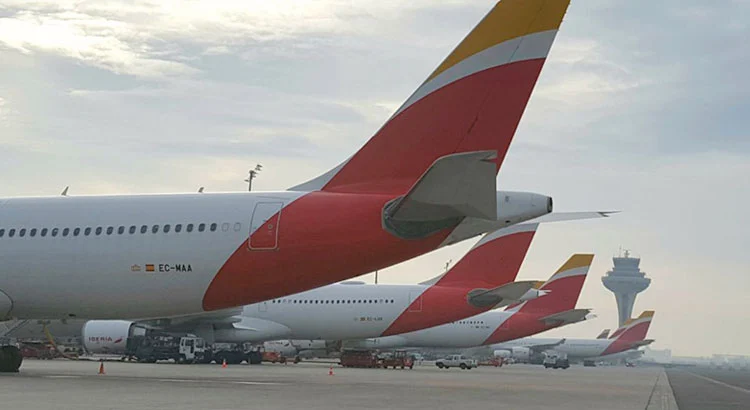
 Budi Mulyono