
 Chandra Hamzah
Mexico’s Ministry of Environment and Natural Resources (SEMARNAT) has officially rejected Royal Caribbean’s highly anticipated $800 million "Perfect Day Mexico" project in Mahahual, a significant setback for the cruise line’s expansion plans into exclusive private destinations. The decision, announced by SEMARNAT Secretary Alicia Bárcena, signals a firm stance by the Mexican government on protecting its delicate ecological balance and prioritizing environmental integrity over large-scale tourism development without stringent oversight.
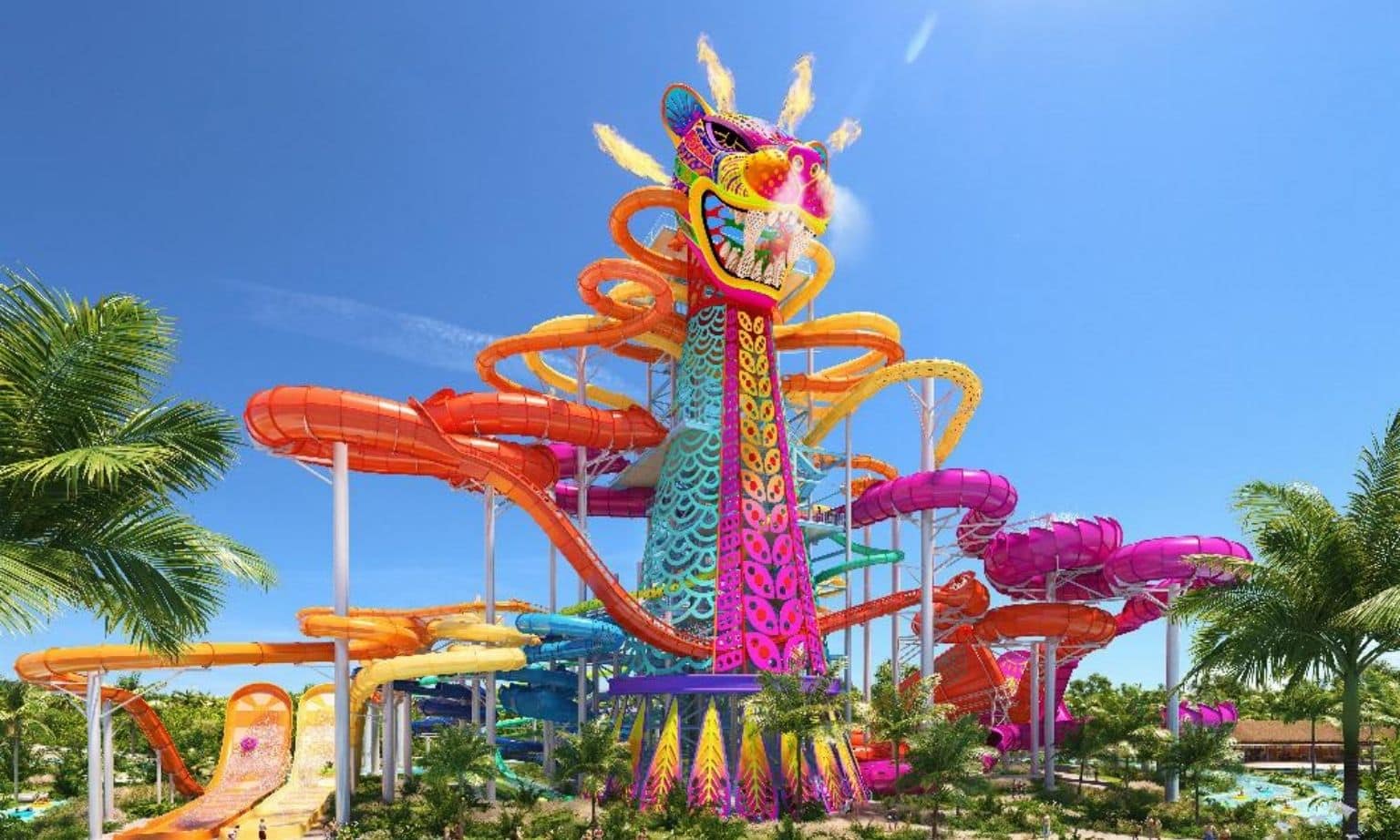
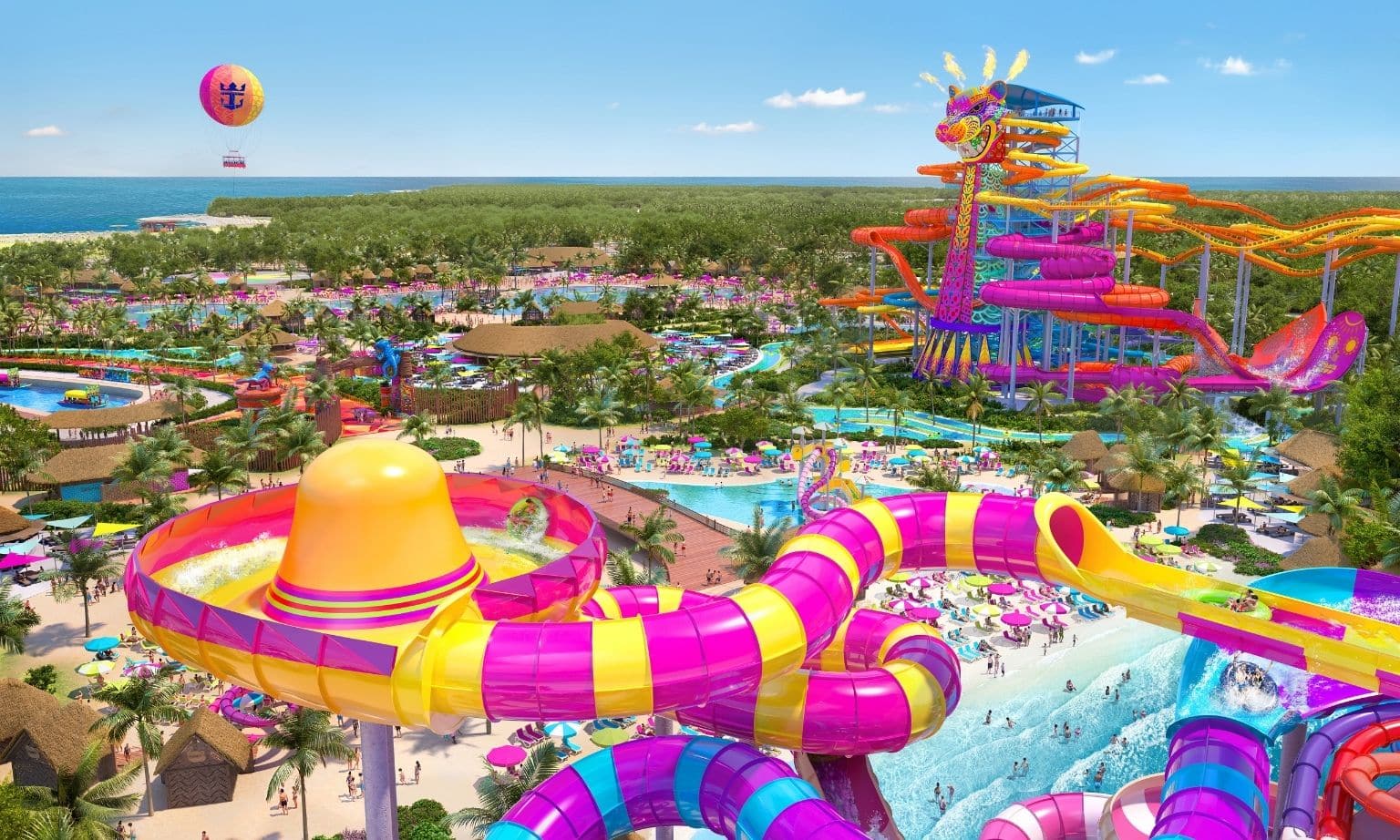
The ambitious project, envisioned as a sprawling 200-acre resort on Mexico’s Caribbean coast in Mahahual, had promised an unparalleled experience for cruise passengers. Initial artist renderings showcased a vibrant landscape featuring over 30 brightly colored waterslides, a colossal 9,200 square-meter swimming pool, and an expansive 3-kilometer stretch of pristine white sandy beach. The centerpiece was to be "Jaguar’s Peak," a 52-meter-tall waterslide intended to be the longest coaster in the world, embodying Royal Caribbean’s promise of a "bigger and bolder" offering than anything previously conceived. The cruise line had already made substantial investments, acquiring the Port of Costa Maya and surrounding properties for approximately $411 million (US$292 million), with the total build estimated to exceed $800 million (US$600 million). The planned opening was slated for the latter half of 2027.
A String of Setbacks for Cruise Line’s Private Destinations
This rejection marks the latest in a series of challenges faced by Royal Caribbean in its pursuit of developing exclusive cruise destinations. Opposition has also been mounting against its proposed Royal Beach Club on the Vanuatu island of Lelepa. In that instance, community leaders expressed concerns, with Lelepa’s paramount chief, Ruben Natamatewia III, emphasizing the need for extensive consultation to ensure full understanding and approval from the island’s inhabitants. These mounting hurdles suggest a broader trend of increased scrutiny and resistance towards large-scale private cruise development projects globally.
Official Statements and Royal Caribbean’s Response
SEMARNAT Secretary Alicia Bárcena’s statement was unequivocal: "We are not going to approve Royal Caribbean’s Perfect Day project." This definitive pronouncement came after a detailed analysis by the environmental authority, a process hinted at by Mexican President Claudia Sheinbaum on May 18th. President Sheinbaum had previously indicated that the project was under intense review, stating, "but I can already tell you that we are not going to do anything that puts the ecological balance of that area at risk."
In response to the rejection, Royal Caribbean expressed disappointment but affirmed its respect for Mexico’s environmental authorities. A company statement read: "Mahahual is a special place that deserves care and protection. We continue to believe in Mexico, and are optimistic in the potential to advance our investment responsibly." The cruise line indicated plans to re-engage with stakeholders in the coming weeks to explore avenues for responsible advancement, highlighting potential contributions to environmental infrastructure, local job creation, and community programs.
Mahahual: A Delicate Ecosystem Under Threat?
Mahahual, a coastal town with a population of fewer than 3,000 people, is renowned for its tranquil atmosphere, soft white sandy beaches, and crystal-clear waters. It serves as a gateway to the Mesoamerican Reef, the largest barrier reef system in the Western Hemisphere, making it a prime location for scuba diving and ecotourism. Environmental organizations, including Greenpeace, have voiced strong concerns, warning that the region is at a "crucial juncture." Greenpeace cautioned that the Perfect Day project, coupled with expanded cruise tourism, could lead to "significant environmental consequences," underscoring the potential impact on the delicate marine ecosystem and the vital coral reef system.
Growing Public Opposition and Global Trends
The rejection of the Mahahual project also comes amid a surge of public opposition. A Change.org petition demanding the project’s halt, launched in July 2025, recently surpassed 4 million signatures, demonstrating widespread public sentiment against the development. This widespread discontent reflects a growing global pushback against private cruise destinations, with critics arguing that the economic benefits often remain concentrated within the cruise lines themselves, with limited positive impact for local communities.
This sentiment is echoed in other regions. The Bahamas, which hosts private islands for several major cruise lines, including Royal Caribbean, Carnival, Norwegian, Disney, and MSC, is considering implementing targeted taxes on these private destinations. The Prime Minister of the Bahamas has pointed out that premium cabana rentals at these resorts can command prices as high as $4,000 per day, with profits largely flowing offshore, providing minimal direct financial benefit to local taxpayers. Mexico itself has already introduced a per-passenger cruise tax, and cities like Barcelona are exploring doubling their existing cruise passenger tourist tax, indicating a global trend towards seeking greater economic returns and ensuring sustainability from the cruise industry.
Royal Caribbean’s Portfolio and Future Outlook
Royal Caribbean’s portfolio of exclusive destinations currently includes Perfect Day at CocoCay in the Bahamas, Labadee in Haiti, the newly opened Royal Beach Club Paradise Island in Nassau (December 2025), and the upcoming Royal Beach Club Santorini (Summer 2026), with a Royal Beach Club Cozumel also in development. Perfect Day at CocoCay, a significant investment that underwent a $250 million transformation in 2019, now spans over 120 acres and serves as a prime example of the cruise line’s strategy in this sector.
The rejection of Perfect Day Mexico represents a significant financial and strategic blow to Royal Caribbean. The substantial investment in acquiring land and the projected build costs highlight the scale of their ambition. The company’s stated intention to "re-engage stakeholders" and explore responsible investment suggests they are not abandoning their commitment to Mexico but will likely need to present a revised, more environmentally sensitive proposal that addresses the concerns raised by SEMARNAT and environmental groups. The future of large-scale private cruise developments may hinge on the ability of cruise lines to balance their pursuit of exclusive guest experiences with the imperative of environmental stewardship and genuine community benefit, a balance that SEMARNAT’s decision clearly indicates is paramount. The incident in Mahahual underscores the growing power of environmental advocacy and public opinion in shaping the future of tourism development, particularly in ecologically sensitive regions.



 Anjar Salim
 Tatiana Tantri Indah Sari
 Budi Mulyono
 Lukman Taruna Persada Ramadan
