Chandra Hamzah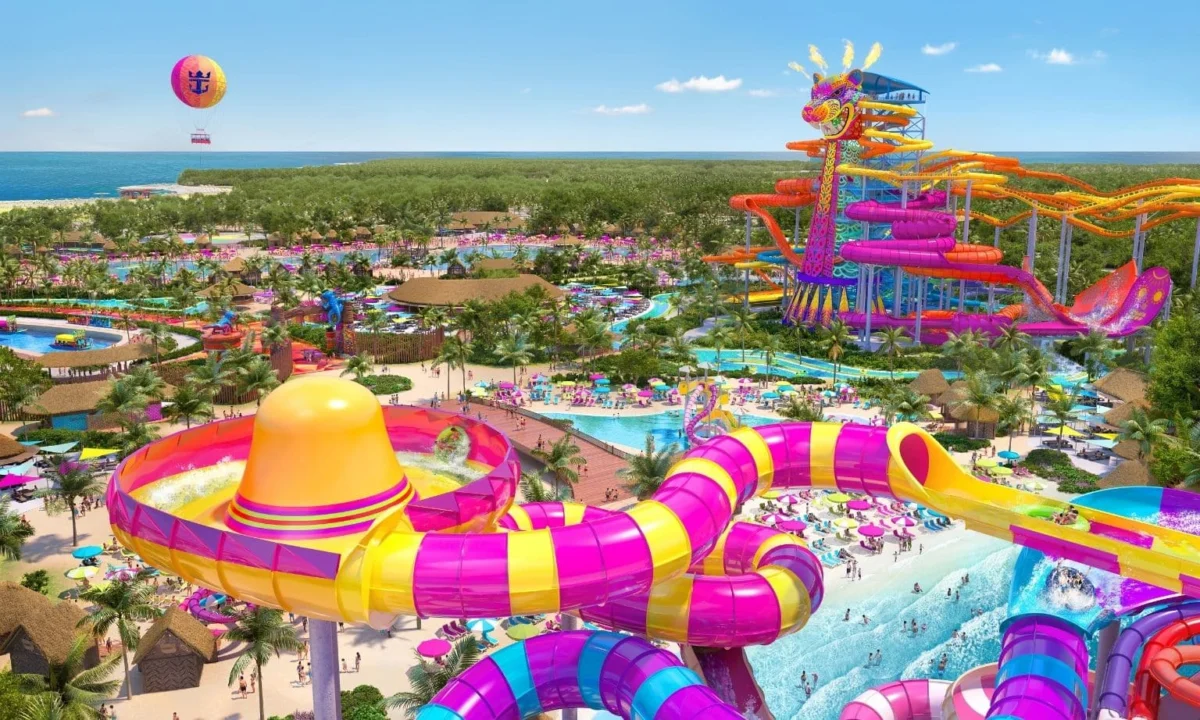
Mexico’s Ministry of Environment and Natural Resources (SEMARNAT) has officially rejected Royal Caribbean’s highly anticipated "Perfect Day Mexico" project, a proposed $800 million private cruise destination planned for Mahahual on the country’s Caribbean coast. The decision, announced by Secretary of Environment and Natural Resources Alicia Bárcena, marks a significant setback for the cruise giant’s expansion into exclusive island resorts and highlights growing environmental concerns surrounding large-scale tourism development in ecologically sensitive areas.
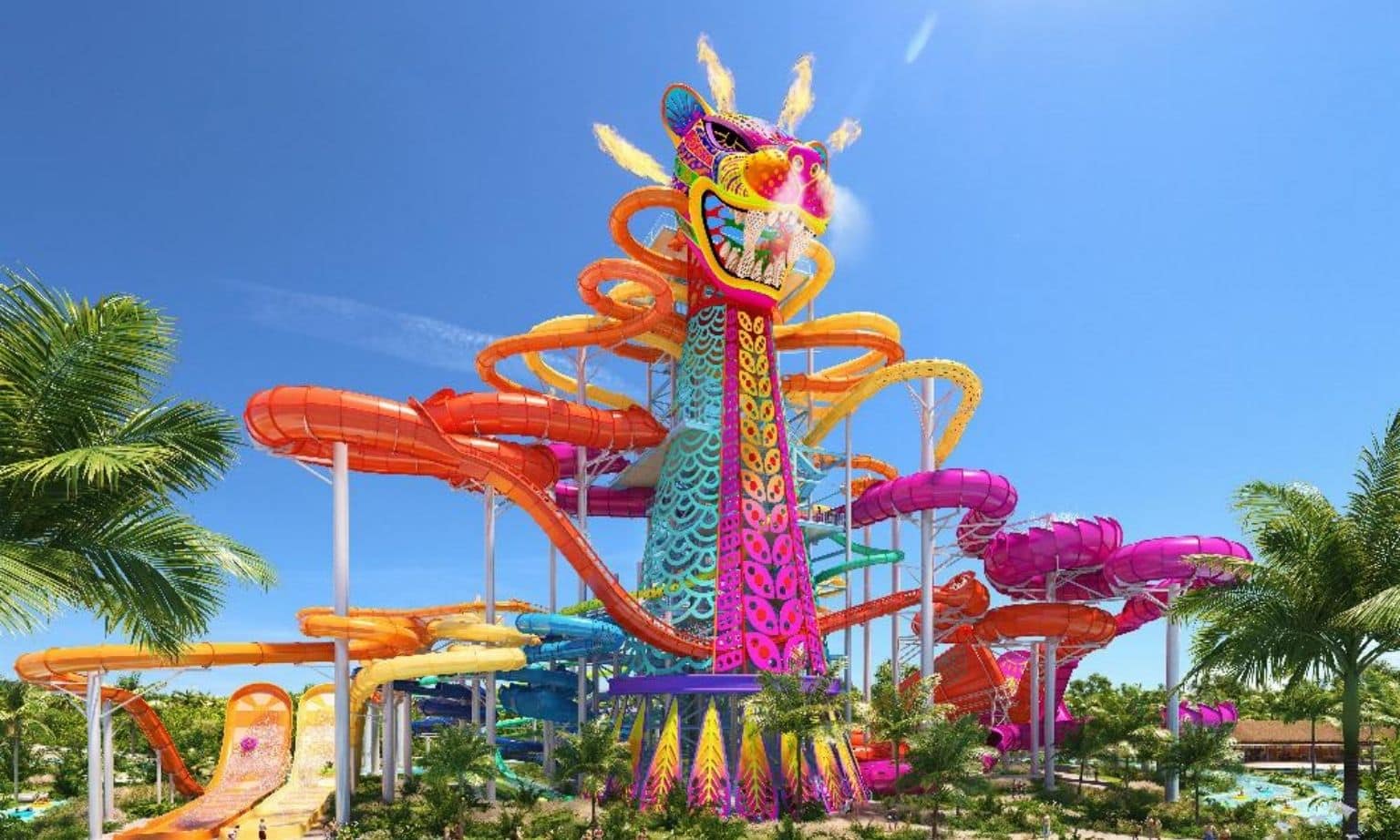
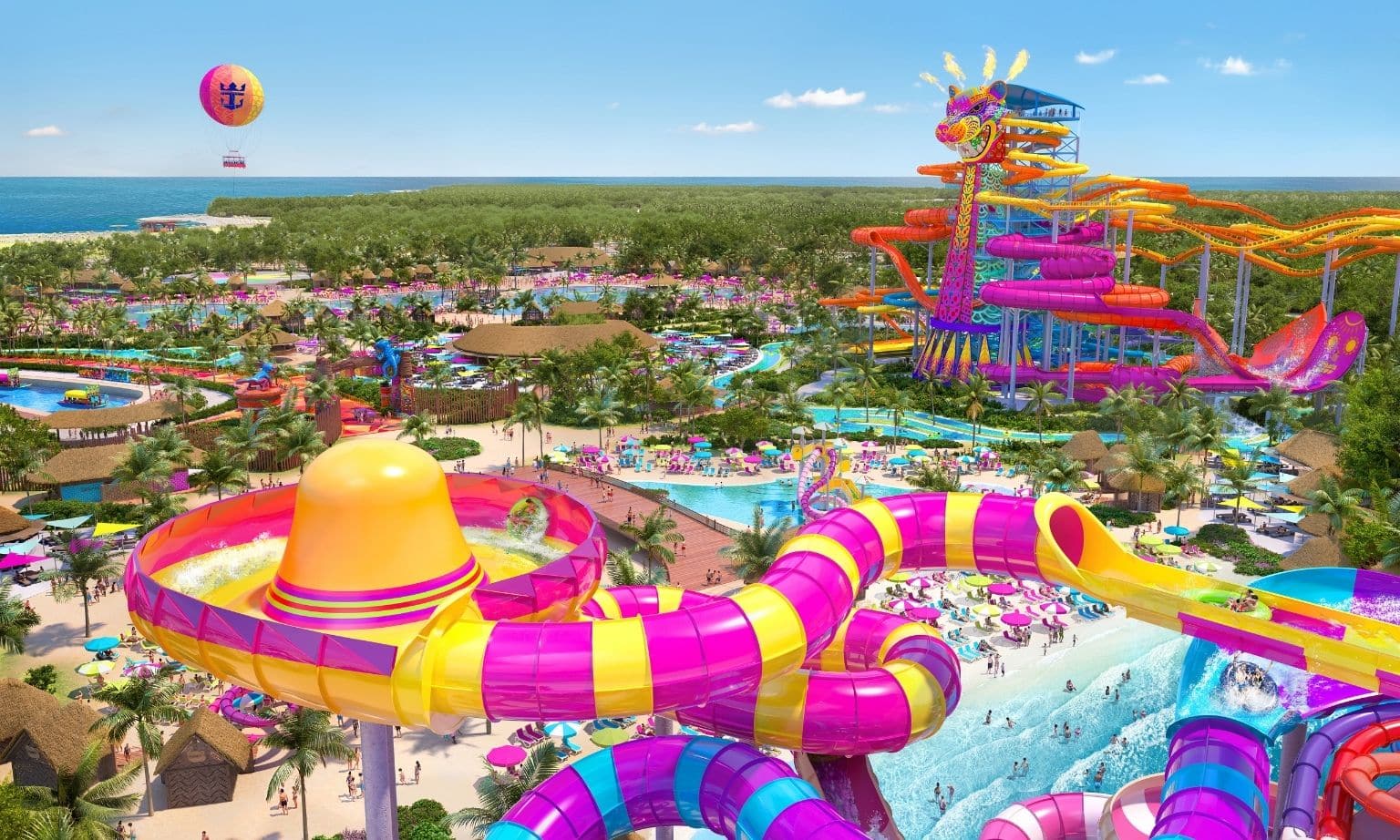
The ambitious "Perfect Day Mexico" was envisioned as Royal Caribbean’s most extravagant private destination to date. Artist renderings depicted a sprawling resort covering over 200 acres in Mahahual, a coastal town renowned for its pristine beaches and proximity to the Mesoamerican Reef. Plans boasted an extravagant array of more than 30 vibrantly colored waterslides, a colossal 9,200 square-meter swimming pool, and three kilometers of meticulously sectioned-off white sandy beaches. The centerpiece was to be "Jaguar’s Peak," a towering 52-meter-tall waterslide, touted to become the longest coaster in the world, promising unparalleled thrills for cruise passengers. The project, which included the acquisition of the Port of Costa Maya and surrounding properties for a substantial $411 million (US$292 million), was estimated to cost upwards of $800 million (US$600 million). The cruise line had projected an opening in the second half of 2027, anticipating it would significantly enhance its portfolio of exclusive destinations.
Environmental Concerns Take Precedence
The rejection by SEMARNAT underscores a firm stance on environmental protection, with Secretary Bárcena stating unequivocally, "We are not going to approve Royal Caribbean’s Perfect Day project." This decision comes after a thorough and detailed analysis conducted by the environmental authority. While the exact reasons for the rejection were not immediately detailed beyond the overarching concern for ecological balance, it is widely understood that such large-scale developments often face scrutiny regarding their potential impact on marine ecosystems, water resources, land use, and local biodiversity. Mahahual, in particular, is a gateway to the Mesoamerican Reef, the second-largest barrier reef system in the world, a UNESCO World Heritage site facing numerous environmental threats.
Royal Caribbean’s Response and Future Outlook
In response to the decision, Royal Caribbean expressed disappointment but pledged to respect the authority of Mexico’s environmental regulators. In a prepared statement, the company acknowledged the unique value of Mahahual and reiterated its commitment to responsible investment. "Mahahual is a special place that deserves care and protection," the statement read. "We continue to believe in Mexico, and are optimistic in the potential to advance our investment responsibly." The cruise line indicated plans to re-engage with stakeholders in the coming weeks to explore alternative pathways forward, emphasizing potential contributions to environmental infrastructure, local job creation, and community programs. This suggests a willingness to adapt or revise its proposals to address environmental and community concerns.
A Pattern of Growing Opposition to Private Cruise Destinations
The rejection of "Perfect Day Mexico" is not an isolated incident but rather part of a broader trend of increasing scrutiny and opposition towards large-scale private cruise destinations. This comes as Royal Caribbean faces similar headwinds with its proposed Royal Beach Club on the Vanuatu island of Lelepa. In that instance, a group identifying as community leaders formally questioned the environmental assessments, and the island’s paramount chief, Ruben Natamatewia III, emphasized the critical need for comprehensive consultation and understanding among all residents before any project proceeds.
Mounting Public and Official Pressure
The "Perfect Day Mexico" project had been under increasing pressure for months. In May 2026, Mexican President Claudia Sheinbaum hinted at potential difficulties, stating that SEMARNAT was conducting a "very detailed analysis" and adding, "I can already tell you that we are not going to do anything that puts the ecological balance of that area at risk." This preemptive statement signaled a cautious approach from the highest levels of government.
Further amplifying the opposition, a Change.org petition demanding the project be halted gained significant traction, amassing over 4 million signatures in recent days. This surge in public engagement highlights a growing awareness and concern among global citizens regarding the environmental and economic implications of such developments. Environmental organizations have also voiced their concerns. Greenpeace issued a warning that the region was at a "crucial juncture" and that the project, linked to expanded cruise tourism, could lead to "significant environmental consequences."
Economic Considerations and Local Benefits
The financial investment by Royal Caribbean in Mahahual was substantial, with $411 million already spent on acquiring the Port of Costa Maya and adjacent properties. The projected total cost of over $800 million underscores the scale of the intended development. However, a growing critique of private cruise destinations, often referred to as "cruise line islands," centers on the economic model. Critics argue that while these destinations generate significant revenue for cruise companies, the economic benefits for local communities can be limited.
This concern is echoed in other regions. The Bahamas, which hosts private islands for major cruise lines like Royal Caribbean, Carnival, Norwegian, Disney, and MSC, has proposed targeted taxes on these private destinations. The Bahamian Prime Minister pointed out that premium cabana rentals at these resorts can fetch as much as $4,000 per day, with profits often flowing offshore, thus yielding minimal benefit to local taxpayers. Mexico itself has already introduced a per-passenger cruise tax, and cities like Barcelona are actively considering doubling their cruise passenger tourist taxes to capture more revenue from the industry.
Mahahual: A Jewel of the Mexican Caribbean
Mahahual, with a population of fewer than 3,000 residents, is a picturesque locale celebrated for its tranquil white sandy beaches and crystal-clear waters. It is a favored destination for scuba divers, drawn by the allure of the Mesoamerican Reef. The region’s natural beauty and ecological significance make it a focal point for environmental conservation efforts. The potential impact of a mega-resort on this delicate ecosystem was a primary concern for SEMARNAT and environmental advocates.
Royal Caribbean’s Expanding Network of Exclusive Destinations
"Perfect Day Mexico" was intended to be the latest addition to Royal Caribbean’s growing portfolio of private and exclusive destinations. The company already operates Perfect Day at CocoCay in the Bahamas, which underwent a $250 million transformation in 2019 and now spans over 120 acres. Other exclusive destinations include Labadee in Haiti, and upcoming projects such as the Royal Beach Club Paradise Island in Nassau (opened December 2025), Royal Beach Club Santorini (opening summer 2026), and the Royal Beach Club Cozumel, which is currently in development. The rejection in Mahahual means the cruise line will need to reassess its expansion strategy in regions where environmental preservation is a paramount consideration for governmental bodies and the public.
The decision by SEMARNAT signifies a critical moment for both Royal Caribbean and the future of large-scale tourism development in ecologically sensitive areas. It underscores the increasing importance of environmental sustainability and community benefit in the planning and approval of major tourism infrastructure projects, signaling a shift towards a more cautious and regulated approach by governments worldwide. The cruise line’s future plans in Mexico and similar destinations will undoubtedly be shaped by this precedent, requiring a delicate balance between commercial ambitions and ecological responsibility.


 Gabriela Annisa
 Tatiana Tantri Indah Sari
 Budi Mulyono
 Anjar Salim