
 Budi Mulyono
The travel industry in 2026 is witnessing a profound transformation in how loyalty is defined, earned, and redeemed, marking a departure from traditional "butt-in-seat" mileage to a complex ecosystem of financial spend and strategic partnerships. At the mid-year point of 2026, the landscape for elite status across airlines, hotels, and financial institutions has become a bifurcated environment where high-value spenders are increasingly prioritized over high-frequency flyers. This shift is most visible in the transition of major carriers toward "Loyalty Point" models and the growing reliance on premium credit card ecosystems to maintain tier-level benefits. As travelers evaluate their progress toward 2027 requalification, the data suggests that the path to elite status is no longer just about the journey, but increasingly about the financial instruments used to pay for it.
The Evolution of Airline Loyalty: A Spend-First Paradigm
The aviation sector has undergone significant structural changes leading into 2026. One of the most notable shifts is the consolidation of the market and the disappearance of certain low-cost entities. The cessation of operations by Spirit Airlines earlier in the decade serves as a case study in the volatility of the budget sector. For many travelers, Spirit’s "Gold" status provided a functional, if unglamorous, utility for specific nonstop routes. However, as the industry matured toward the mid-2020s, the value proposition of niche low-cost loyalty programs eroded, leading many frequent flyers to consolidate their activity within the "Big Three" legacy carriers and their respective alliances.
American Airlines has emerged as a leader in this new era through its AAdvantage "Loyalty Points" system. Unlike traditional programs that reset on January 1st, American’s qualifying year runs from March 1st to the end of February. This offset cycle allows the carrier to capture spend during the critical spring break and early summer periods before travelers hit their final qualification targets. Data from the first half of 2026 indicates that top-tier "Executive Platinum" status is increasingly being secured not through flight hours, but through business credit card utilization.
For high-yield travelers, the use of a business-branded credit card has become a "cheat code" for status. By funneling agency expenses or corporate spend through these cards, travelers are reaching Executive Platinum status as early as June. However, the pursuit of the invitation-only "Concierge Key" status remains elusive. Reports suggest that even with levels exceeding 400,000 Loyalty Points, the threshold for this exclusive tier is rising, particularly in hub markets like Dallas/Fort Worth, Charlotte, and Miami, where the density of high-spenders is highest.
The Utility of Upgrades and the Challenge of Redemption
While the prestige of a "shiny tag" on a suitcase has diminished, the functional benefits of top-tier status—specifically Systemwide Upgrades (SWUs)—remain the primary motivator for loyalty. However, 2026 has seen a tightening of upgrade availability across the board. While Executive Platinum members on American Airlines have reported improved success in redeeming SWUs compared to previous years, the process remains fraught with challenges regarding specific dates and routes.
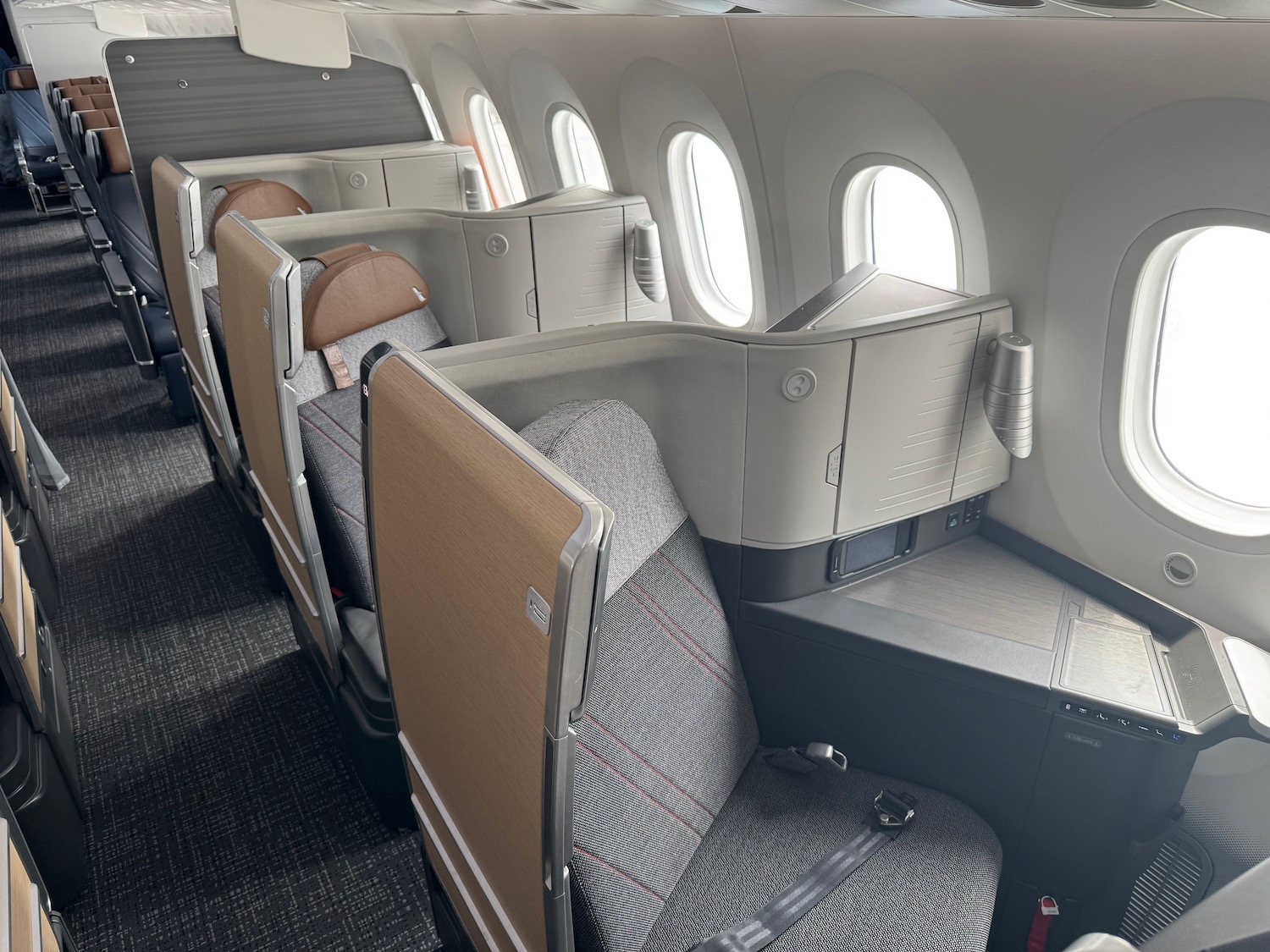
A similar trend is observed with JetBlue’s "Mosaic" program. Despite the carrier’s efforts to attract premium travelers through challenges and the "Mosaic 4" tier, many elites find themselves holding "Move to Mint" certificates that are difficult to clear. The challenge of finding multiple upgrade slots on the same flight for family travel remains a significant pain point. Consequently, many travelers who achieved high-tier status through one-time challenges in 2025 are choosing not to requalify in 2026, citing a lack of alignment between the program’s benefits and their actual flight patterns.
Hospitality Trends: The Battle for Quality vs. Footprint
In the hotel sector, the mid-2026 data reflects a growing divide between "earned" status and "credit card" status. Major chains like Hilton and Marriott have leaned heavily into credit card partnerships, offering Gold status as a baseline benefit for premium cardholders. While this provides travelers with perks such as late checkout and occasional breakfast credits, it has led to "status inflation," where the sheer number of mid-tier elites reduces the likelihood of meaningful room upgrades.
The World of Hyatt program continues to be the outlier, maintaining a stricter requirement for its "Globalist" tier. At the midway point of 2026, many Hyatt loyalists find themselves behind schedule, often having completed only 30% to 40% of the required 60 nights. However, Hyatt’s "Milestone Rewards" system, which provides tangible benefits at various intervals (such as 20, 30, and 40 nights), acts as a powerful retention tool. Unlike Hilton, which offers a path to lifetime Diamond status based on years of membership and total nights, Hyatt’s focus remains on the current year’s activity, making Globalist status one of the most respected—and difficult to achieve—tiers in the industry.
Meanwhile, IHG (InterContinental Hotels Group) continues to struggle with the lack of a lifetime status program. While Diamond status offers significant benefits, including breakfast and lounge access, the absence of a long-term "halo" status means that IHG loyalists are more likely to shift their stays to other brands if their travel patterns change. Furthermore, the rise of luxury travel agency programs like "IHG Destined" has made elite status less critical, as these programs often bake elite-style benefits (upgrades, credits, breakfast) into the standard rate.
The Financialization of Travel: Credit Cards as the New Gatekeepers
The most significant development in 2026 travel is the role of financial institutions. American Express and Chase have transitioned from being mere partners to becoming the primary arbiters of the travel experience. For example, American Express has introduced high-spend targets that offer direct financial reimbursements. Crossing the $250,000 annual spend threshold on certain premium cards now affords travelers benefits such as $1,200 in direct flight reimbursements—a tangible "cash-back" style benefit that many flyers value more than the theoretical possibility of a seat upgrade.
Chase has followed a similar path, tying Southwest A-List status and IHG Platinum status to specific spend targets, such as $75,000 annually. However, industry analysts note that for travelers who already hold top-tier status through other means, these credit card "shortcuts" are losing their luster. The market is seeing a "tier fatigue," where travelers are becoming more selective about which ecosystems they feed.

Secondary Loyalty: Car Rentals and Cruise Lines
In the peripheral travel sectors, status matching has become the standard operating procedure. Car rental agencies like Avis and National have largely moved to a model where they match airline or hotel status to fill their "President’s Club" or "Executive Elite" ranks. For the traveler, this has turned car rental status into a passive benefit rather than one that requires active pursuit. National’s "Emerald Club" remains a favorite in 2026 due to its "choose your own car" model, which bypasses the counter and provides a consistent upgrade experience.
The cruise industry has also embraced the status match phenomenon to lure high-value travelers away from traditional land-based vacations. MSC Cruises’ Diamond status, often obtained via a match from hotel programs, has become a gateway for travelers to enter the "Explora Journeys" ecosystem. At the "Platinum" level within Explora, travelers receive high-utility benefits such as daily laundry service and percentage-based savings on future journeys. This cross-pollination between hotels, airlines, and cruise lines has created a "loyalty web" that rewards the traveler’s total economic footprint across the entire travel industry.
Analysis: The Implications for 2027 and Beyond
As the second half of 2026 approaches, the data suggests several key implications for the future of travel loyalty:
- Devaluation of Mid-Tier Status: With "Gold" levels becoming ubiquitous through credit cards, the real value is migrating toward the ultra-top tiers (Globalist, Executive Platinum, Mosaic 4).
- The End of the Calendar Year Dominance: More programs are expected to follow American Airlines’ lead in adopting non-calendar qualifying years to smooth out revenue and engagement.
- The "Scramble" Phenomenon: Travelers who are behind on their Hyatt or Marriott nights at the mid-year point are expected to engage in "mattress runs" or increased credit card spend in Q4, leading to a surge in end-of-year travel demand.
- Consolidation of Loyalty: Travelers are increasingly abandoned "secondary" statuses (like JetBlue or Spirit) to focus all their spend on a single airline and hotel chain to ensure they hit the highest possible tier.
In conclusion, the mid-year 2026 outlook reveals a travel landscape that is more transactional than ever. For the modern traveler, maintaining elite status is no longer a byproduct of travel, but a calculated financial strategy involving high-limit credit cards, business spend, and opportunistic status matching. As the industry moves toward 2027, the "elite" label will increasingly belong to those who manage their loyalty portfolios with the same precision as a financial investment.




 Anjar Salim
 Chandra Hamzah
 Tatiana Tantri Indah Sari
 Lukman Taruna Persada Ramadan
