
 Susilo Edi Turonggo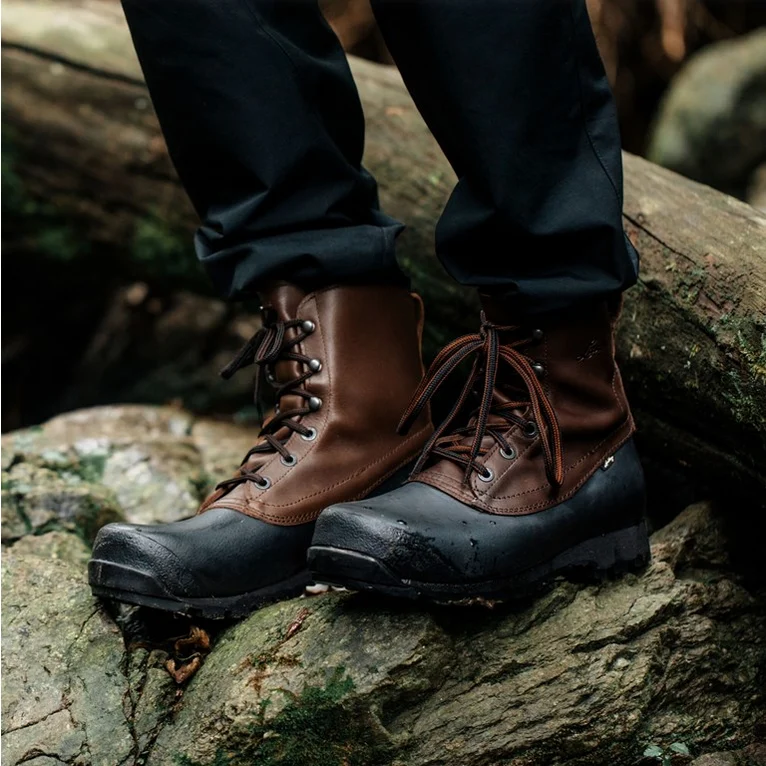
As winter weather descends, the necessity for reliable footwear that offers both protection and peace of mind becomes paramount. The modern consumer, increasingly aware of environmental and health implications, seeks winter boots that are not only weather-resistant and durable but also free from harmful chemicals. This growing demand is driving a significant shift in the outdoor apparel industry, particularly concerning the widespread use of per- and polyfluoroalkyl substances (PFAS), often dubbed "forever chemicals." The commitment to truly sustainable winter boots now extends beyond mere functionality to encompass ethical manufacturing, material transparency, and an enduring lifecycle, safeguarding both the wearer and the planet.
The Pervasive Threat of "Forever Chemicals" (PFAS)
Per- and polyfluoroalkyl substances (PFAS) represent a vast family of synthetic chemicals, numbering in the thousands, which have been widely utilized across numerous industries since the 1940s. Their unique properties—resistance to water, oil, stains, and heat—made them ideal for applications ranging from non-stick cookware and food packaging to fire-fighting foams and, crucially, water-repellent finishes in textiles. In the fashion and outdoor gear sectors, these chemicals are commonly applied as Durable Water Repellent (DWR) coatings, providing the coveted waterproofing and stain resistance in products like rain jackets, ski apparel, and especially snow-proof winter boots, without significantly impeding breathability. Brands historically relied on PFAS to ensure garments and footwear could withstand harsh elements, promising peak performance in challenging conditions.
However, scientific understanding of PFAS has evolved dramatically, revealing a darker side to their chemical stability. The very strength of their carbon-fluorine bonds, which grants them their desirable industrial properties, also makes them extraordinarily persistent in the environment. This persistence is why they have earned the moniker "forever chemicals." Once released, whether through manufacturing processes, product use (e.g., flaking off boots), or disposal, PFAS do not readily break down. They accumulate in soil, water bodies, and ultimately, drinking water sources, posing a global contamination challenge. Research by the U.S. Geological Survey (USGS) in 2023, for instance, detected PFAS in nearly half of the nation’s tap water samples, highlighting the pervasive nature of this contamination.
Environmental and Health Ramifications
The environmental impact of PFAS is profound and far-reaching. As these chemicals leach from products or industrial waste, they enter ecosystems, contaminating everything from remote Arctic ice to the deepest oceans. Their presence has been documented in wildlife globally, indicating widespread bioaccumulation up the food chain. The long-term consequences for biodiversity and ecosystem health are still being fully understood, but initial findings suggest potential disruptions to reproductive and immune systems in various species.
Beyond environmental concerns, PFAS pose significant risks to human health. Exposure can occur through contaminated drinking water, food, and even indoor dust, as these chemicals can shed from household products, including footwear, into the home environment. The Agency for Toxic Substances and Disease Registry (ATSDR) and the Environmental Protection Agency (EPA) have linked PFAS exposure to a range of serious health issues. These include an increased risk of certain cancers (such as kidney and testicular cancer), adverse effects on the immune system, thyroid disease, elevated cholesterol levels, liver damage, developmental effects in children, and reproductive issues, including decreased fertility. The insidious nature of PFAS lies in their ability to persist in the human body for years, leading to chronic exposure and potential long-term health complications, even at low levels.
Given these alarming findings, the urgency for industries to transition away from PFAS has intensified. For consumers, the message is clear: unless a brand explicitly states that its waterproofing finish is "PFAS-free," "PFC-free," or "free of fluorinated chemicals," it is generally safe to assume that the product contains these persistent substances. This transparency is becoming a non-negotiable standard for environmentally and health-conscious brands.
The Evolution of Sustainable Footwear: Defining New Standards
The shift away from PFAS is not an isolated trend but rather an integral part of a broader movement towards genuinely sustainable manufacturing practices. For winter boots, this means adhering to a comprehensive set of criteria that goes beyond mere chemical avoidance.
1. Safe & Sustainable Materials: The foundation of a sustainable boot lies in its constituent materials.
- PFAS-Free Waterproofing: This is the baseline. Innovative alternatives to DWR, utilizing non-fluorinated polymers or natural waxes, are now prevalent.
- Naturally Resistant Materials: Leather, when sourced responsibly, offers natural water resistance and durability. The Leather Working Group (LWG) certification is crucial here. LWG audits tanneries for their environmental performance, including water and energy usage, waste management, and chemical handling. This ensures that the leather processing minimizes environmental harm.
- Recycled and Bio-based Content: Many brands are incorporating recycled polyester, nylon, and rubber into their boots. Certifications like the Global Recycled Standard (GRS) verify the actual recycled content and ensure responsible social and environmental practices in production. Bio-based materials, derived from renewable resources like plant oils or agricultural waste, are also emerging as promising alternatives to petroleum-based synthetics.
- Chemical Management: Beyond PFAS, brands committed to sustainability employ rigorous chemical management. Adherence to a Restricted Substances List (RSL) ensures that other potentially harmful chemicals are avoided. The bluesign® system offers a holistic approach, ensuring that chemicals, processes, and products are safe for the environment, workers, and consumers from the very beginning of the manufacturing process.
2. Transparent Supply Chain: Ethical and environmental responsibility demands full visibility into the supply chain.
- Traceability: Brands must understand where and how their products are made, from raw material sourcing to final assembly. This includes identifying Tier 1 (final assembly), Tier 2 (components), and even Tier 3 (raw materials) suppliers.
- Ethical Labor Practices: Partnerships with organizations like the Fair Wear Foundation (FWF) signify a brand’s commitment to improving labor conditions in garment and footwear factories. FWF works with brands to implement a Code of Labor Practice, conducting factory audits and promoting worker empowerment.
- Codes of Conduct and Audits: Brands should establish and enforce robust codes of conduct for all suppliers, covering labor rights, health and safety, and environmental standards. Regular independent audits are essential to verify compliance and drive continuous improvement.
3. Longevity and Circularity: After-Market Repair & Design: The most sustainable product is often the one that lasts the longest.
- Design for Durability: Boots should be thoughtfully engineered for extended use, using high-quality components and construction methods that withstand wear and tear.
- Repairability: Brands committed to circularity offer services or resources to extend product lifespans. This can range from providing replacement parts (e.g., laces, insoles) and repair guides to offering comprehensive, full-service repair programs. This approach combats the "fast fashion" mentality, reducing waste and conserving resources.
Leading the Charge: Brands Championing PFAS-Free Winter Boots
A growing number of brands are integrating these principles, offering stylish and functional winter boots that meet stringent sustainability criteria.
1. Keen: A pioneer in the outdoor industry, Keen distinguished itself by becoming the first outdoor brand to eliminate PFAS from its entire footwear production. This significant transition was not kept proprietary; Keen openly shared its process and learnings with the industry, encouraging wider adoption of PFAS-free solutions. Their winter boots, designed for both casual wear and heavy-duty use, feature a PFAS-free Durable Water Repellent. Keen’s commitment extends to materials, exclusively partnering with LWG-certified tanneries for its leather. The brand also maintains a strict Restricted Substances List. Furthermore, Keen ensures at least one in three pairs are manufactured in its own factories, allowing for greater control over production standards, and regularly audits its Tier 1 and Tier 2 suppliers to uphold its comprehensive code of conduct. Keen’s dedication to transparency and shared innovation positions them as a leader in sustainable footwear. Price Range: $115-$250. Available in the U.S., with select products shipping to China, Australia, and most European and Asian countries via partner dealers.
2. Jack Wolfskin: This German outdoor brand is renowned for its innovative and earth-conscious gear, all of which is PFAS-free. Jack Wolfskin’s winter boots leverage custom water and wind-proof Texapore technology, a proprietary non-fluorinated membrane. The brand prides itself on exceptional supply chain transparency, publicly listing all its partners. Crucially, all of Jack Wolfskin’s suppliers are bluesign®-approved or operate under strict hazardous substance management protocols, ensuring environmental and chemical safety. The brand further reinforces its ethical commitments by regularly deploying independent inspectors to verify safe and fair working conditions across its supply chain. Price Range: $120-$230. Available in most European Countries.
3. Lundhags: A venerable Swedish outdoor brand with a heritage dating back to 1932, Lundhags exemplifies longevity and craftsmanship. Specializing in durable leather boots, Lundhags manufactures its products in Europe, sourcing materials from a German tannery to maintain a commendably short supply chain. Their distinct offerings include shell, one-layer, and three-layer boots, designed for various levels of winter protection. A core pillar of Lundhags’ sustainability strategy is its dedicated after-market repair shop, a service that actively encourages extending the lifespan of its gear, reflecting a deep commitment to circularity. The brand’s factory working conditions are regulated under the robust Brav code of conduct, ensuring ethical and responsible production practices. Price Range: $217-$597. Available in most European countries.
4. Vaude: Vaude, another prominent German brand, is a trailblazer in sustainable outdoor equipment. Their winter boots feature a water and wind-proof PFAS-free membrane crafted from recycled polyester, showcasing a commitment to both chemical safety and resource efficiency. Vaude prioritizes local sourcing, acquiring its leather uppers from a local tannery in Germany. Transparency is key for Vaude, as customers can easily check the manufacturing location of their boots on each product page. The brand has also made significant strides in product longevity, offering a comprehensive suite of services from affordable replacement parts to full-service repairs, empowering consumers to extend the life of their footwear. Price Range: $200-$263. Available in Canada and most European countries.
5. Forsake: Forsake offers a range of LWG-certified waterproof boots, blending style with functionality, from sneaker-boots to heeled hiking boots. The brand’s commitment to ethical sourcing is underpinned by its parent group, which upholds a stringent code of conduct for all suppliers and conducts regular audits to ensure compliance. While Forsake demonstrates strong commitments in its primary materials and supplier oversight, further clarity on the sourcing of specialized components like memory foam insoles would enhance its overall transparency profile. Price Range: $145-$160. Available in the U.S.
6. EcoAlf: As a certified B-Corp, EcoAlf stands out for its holistic approach to sustainability. The brand crafts vegan, PFAS-free boots primarily from GRS-certified recycled polyester and a blend of new and recycled rubber. EcoAlf’s dedication to responsible production extends to tracking its supply chain down to Tier 3, offering considerable insight into its material origins and manufacturing processes. While their supply chain tracking is commendable, a more explicit detailing of raw material sources would further solidify their transparency claims, particularly for certain components. Price Range: $145-$299. Available in the U.S., most South American countries, most European countries, and most Asian countries.
7. Will’s Vegan Store: Based on a philosophy of ethical vegan production, Will’s Vegan Shoes manufactures its footwear in Italy and Portugal. The brand utilizes innovative bio-based leathers and recycled polyester insulation, aiming to minimize environmental impact. Will’s Vegan Store prides itself on meticulously tracing every step of its production process, ensuring sustainable and ethical practices throughout its supply chain. It is important for consumers to note that while many of their waterproof shoes feature PFAS-free uppers, not all waterproof pairs are explicitly designated as such, requiring a check of individual product descriptions. Additionally, some shoes may contain unspecified "vegan leather," which typically refers to plastic-based materials, underscoring the need for detailed material information. Price Range: $134-$190. Available in all countries.
8. Poppy Barley: Poppy Barley offers LWG-certified water-resistant ankle and calf-length boots, emphasizing quality and responsible leather sourcing. The brand collaborates with audited factories located in Europe and Mexico, ensuring adherence to ethical manufacturing standards. Consumers are advised to review specific product pages to confirm LWG certification for individual boot styles, as not all items may carry this designation, ensuring the material was sustainably sourced. Price Range: $293-$480. Available in the Continental U.S., Mexico, Canada, and Australia.
9. REI Used Gear: Promoting circularity and affordability, REI Used Gear offers a robust platform for buying, selling, and trading pre-owned outdoor equipment, including winter boots. This initiative significantly extends the lifespan of gear, reducing waste and making sustainable options more accessible. While REI is actively working to eliminate PFAS from its own-brand products, the platform carries a diverse range of brands. Therefore, purchasers are encouraged to diligently check the product details of individual listings to confirm whether a specific item is PFAS-free, as not all brands offered on the platform may adhere to this standard. Price Range: $22-$149.50. Available in the U.S.
Broader Implications and Future Outlook
The growing consumer awareness of PFAS and the demand for sustainable alternatives represent a pivotal moment for the outdoor apparel industry. This shift is not merely about individual product choices but reflects a broader movement towards greater corporate accountability and environmental stewardship. Regulatory bodies globally are also taking action, with increasing discussions and proposals for bans or restrictions on PFAS, which will further accelerate industry transformation.
The transition to PFAS-free and sustainably produced winter boots underscores a commitment to protecting public health and the environment for future generations. As brands continue to innovate with new materials and processes, and as consumers increasingly prioritize ethical and ecological considerations, the landscape of outdoor gear will continue to evolve. This collective effort, driven by informed choices and responsible manufacturing, is essential in building a more sustainable and resilient future for winter adventurers and the planet alike.



 Anjar Salim
 Dwi Wanna
 Budi Mulyono
 Lukman Taruna Persada Ramadan
 Chandra Hamzah
 Gabriela Annisa