
 Anjar Salim
The release of a comprehensive 17-page report by the Interagency Grizzly Bear Committee (IGBC) has provided a somber and detailed account of the events leading to the death of 33-year-old Anthony Pollio in Glacier National Park. Pollio, a visitor from Florida, was killed by a grizzly bear on May 3 while hiking the Mount Brown Trail. The findings, compiled by a multi-agency board of review including experts from the National Park Service (NPS), the U.S. Fish and Wildlife Service, and state wildlife agencies from Montana and Wyoming, highlight a tragic convergence of environmental factors, timing, and wildlife behavior. The report serves as a stark warning to outdoor enthusiasts regarding the inherent dangers of traversing grizzly territory alone and after nightfall.
The Incident on Mount Brown Trail
On the evening of May 3, Anthony Pollio embarked on a solo trek up the Mount Brown Trail, a notoriously strenuous route known for its steep ascent and panoramic views of the park’s interior. The trail, a ten-mile out-and-back journey, gains more than 4,200 feet in elevation, featuring nearly 30 switchbacks as it climbs toward the historic Mount Brown Lookout.
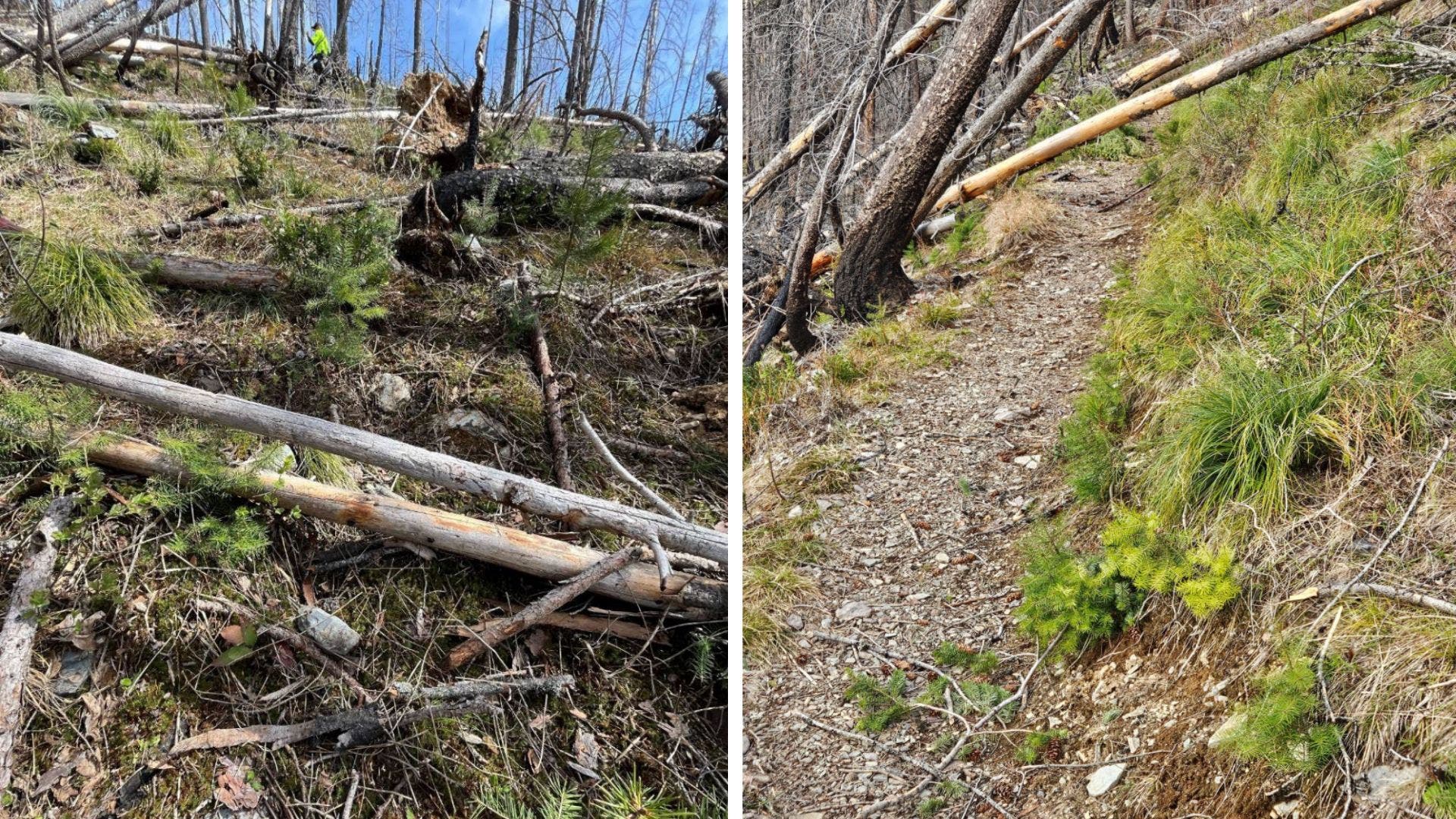
According to the investigative report, the encounter occurred at a point on the trail characterized by heavy "deadfall"—trees that had fallen across the path—and limited sightlines. Investigators believe these physical obstructions, combined with the onset of darkness, created a "surprise encounter" scenario. In such instances, neither the human nor the bear is aware of the other’s presence until they are within a critical "fright-distance," which often triggers a defensive, albeit violent, reaction from the animal.
Evidence at the scene suggests the bear charged rapidly uphill toward a switchback where Pollio was located. The report notes that Pollio’s personal effects were found scattered beginning ten feet below the trail, indicating the initial impact occurred on or near the path before moving downslope. In a desperate attempt to survive, Pollio managed to climb approximately 18 feet back up the steep slope before the bear struck a second time. The medical examiner attributed the cause of death to massive trauma, specifically crushing bites to the head.
A Chronological Reconstruction of May 3
The board of review utilized digital forensics and communication logs to piece together a timeline of Pollio’s final hours. This chronology underscores how quickly a routine hike can transition into a life-threatening emergency.
- 6:30 P.M.: Pollio arrived at the trailhead and began his ascent.
- 6:48 P.M.: He left a voicemail for his father, stating his intention to reach the Mount Brown Lookout.
- 8:20 P.M.: Pollio sent a text message to his girlfriend, reporting that he had successfully climbed over 2,000 feet and covered roughly three miles of the trail.
- 8:49 P.M.: The sun set over Glacier National Park.
- 9:20 – 9:35 P.M.: Based on the distance traveled and the location of the body, investigators believe Pollio encountered deep snow near the summit, prompted him to turn back. The attack likely occurred during this descent in near-total darkness. The official "last light" was recorded at 9:24 P.M.
- 10:00 P.M.: Forensic estimates suggest Pollio had succumbed to his injuries by this hour.
When Pollio failed to check in, his family grew concerned. The National Park Service received a missing person report at 2:19 P.M. on May 4. A search-and-rescue operation was mobilized within the hour, focusing on the Mount Brown drainage. Search teams discovered Pollio’s remains just after noon on Wednesday, May 6.
Forensic Analysis and Bear Identification
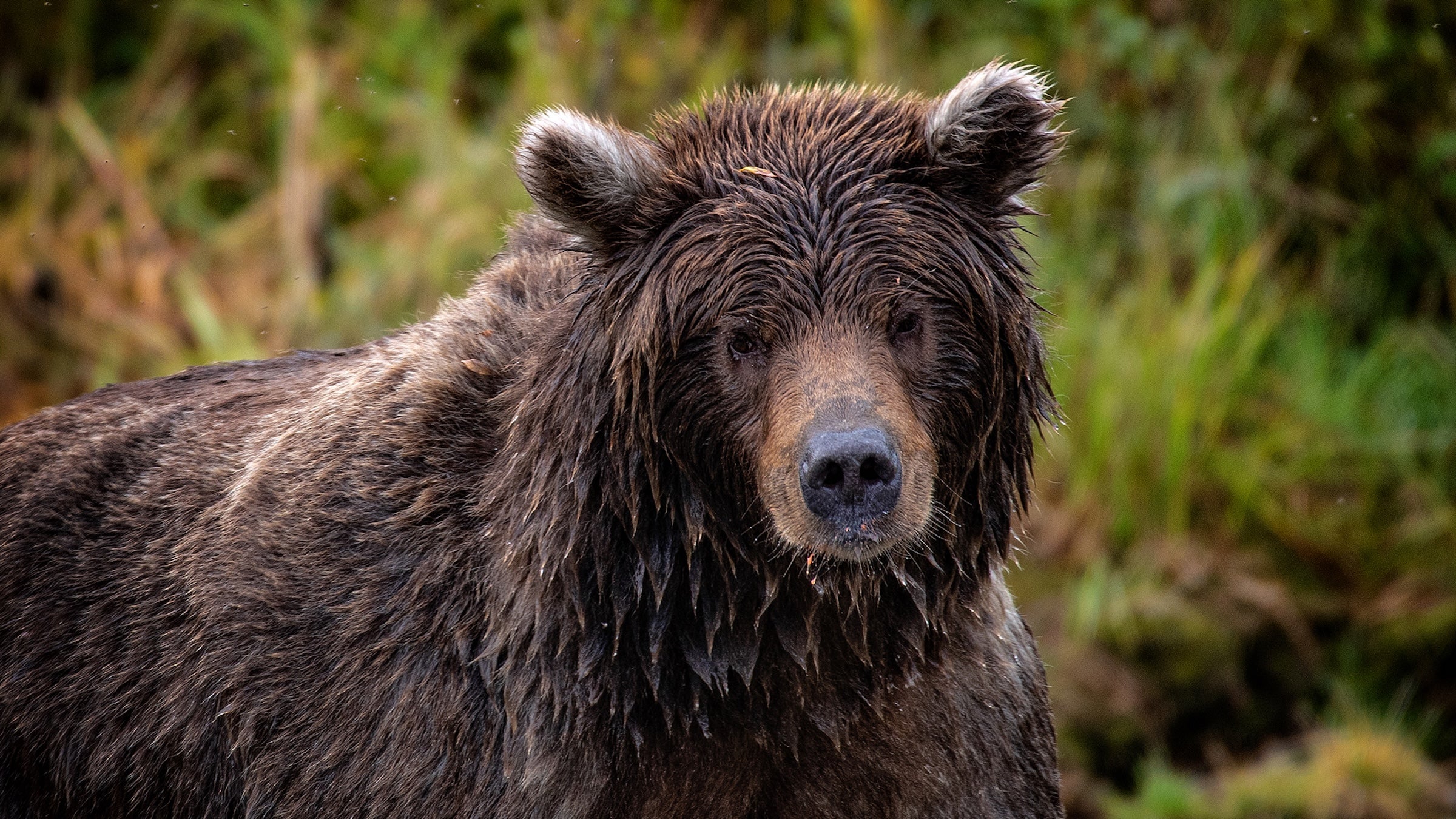
To understand the nature of the attack, investigators employed DNA sequencing from biological samples found at the site. The results identified the bear as a male grizzly, at least 15 years of age. Critically, the animal had no prior record of conflict with humans, nor had it been flagged for "bold" behavior in the past.
The board of review concluded that the attack was defensive rather than predatory. Several factors supported this determination: the bear did not attempt to consume the body, the encounter was intense but brief, and the bear immediately fled the area following the struggle. In the terminology of wildlife management, a predatory attack involves a bear stalking a human as a food source, whereas a defensive attack is a reactive measure taken by a bear that feels its space or its young are threatened.
A significant point of inquiry involved Pollio’s use of bear spray. An empty canister was recovered near the site of the initial struggle. However, investigators were unable to confirm if the spray successfully hit the bear or if Pollio had sufficient time to deploy it effectively given the speed of the charge and the low visibility. The steepness of the terrain may have also hindered the spray’s trajectory.
Expert Analysis of Risk Factors
Chris Servheen, a renowned grizzly bear expert with 35 years of experience at the U.S. Fish and Wildlife Service, provided context on the incident to Outside magazine. Servheen emphasized that while bear spray is an essential tool, it is not a guarantee of safety, particularly when other risk factors are compounded.
"Hiking in the dark in grizzly habitat is a really bad idea because they’re active at night," Servheen noted. He explained that grizzlies possess superior night vision compared to humans, leaving a hiker at a severe physiological disadvantage. "You’re at a real disadvantage. If you get caught hiking in the dark, you should be a complete noise machine."
The report echoed these sentiments, noting that Pollio was hiking alone—a factor that statistically increases the likelihood of a negative outcome in a bear encounter. When hiking in groups, the collective noise and visual presence of multiple humans usually alert bears well in advance, allowing them to move away without confrontation.
Broader Implications for Park Safety and Wildlife Management
The death of Anthony Pollio has prompted a renewed discussion on backcountry safety protocols within the National Park System. Glacier National Park, which sits at the core of the Northern Continental Divide Ecosystem, is home to one of the densest populations of grizzly bears in the lower 48 states. While fatal attacks remain statistically rare, the increasing number of visitors to the park’s rugged interior has led to more frequent human-wildlife overlaps.
The 17-page report serves as a critical educational document for the Interagency Grizzly Bear Committee. By analyzing the "micro-details" of such tragedies, officials can refine their recommendations for public safety. Key takeaways from this investigation include:
- The Danger of Crepuscular and Nocturnal Activity: Bears are most active during dawn, dusk, and nighttime. Hiking during these hours significantly increases the probability of a surprise encounter.
- The Limitations of Technology: While Pollio had a cell phone and bear spray, the speed of a grizzly charge (which can exceed 30 miles per hour) often precludes the effective use of these tools if the bear is not detected early.
- Environmental Obstructions: Areas with high "deadfall" or rushing water (which masks the sound of footsteps) require hikers to be hyper-vigilant and consistently vocal.
Conclusion and Official Response
The National Park Service has expressed its condolences to the Pollio family while reiterating the importance of adhering to bear-safety guidelines. Officials stress that "bear country" is a dynamic environment where the burden of avoiding conflict rests largely on the visitor.
The decision not to pursue or euthanize the bear involved in the Pollio case stems from the board’s finding that the animal acted defensively. In accordance with federal grizzly bear management policies, bears that display natural defensive behavior in their own habitat are typically not removed from the population, as they do not pose the same ongoing threat as a "conditioned" or predatory animal.
As the 2026 hiking season continues, park rangers are using the findings of the Pollio report to brief backcountry permit seekers. The tragedy serves as a poignant reminder that even for experienced or well-equipped hikers, the wilderness of Glacier National Park remains a place where nature’s unpredictability must be met with the utmost caution and respect for the species that call it home. The central lesson remains clear: in the heart of grizzly country, visibility and noise are a hiker’s most effective defenses, and the price of a surprise encounter can be tragically high.




 Chandra Hamzah
 Tatiana Tantri Indah Sari
 Budi Mulyono
 Lukman Taruna Persada Ramadan