
 Anjar Salim
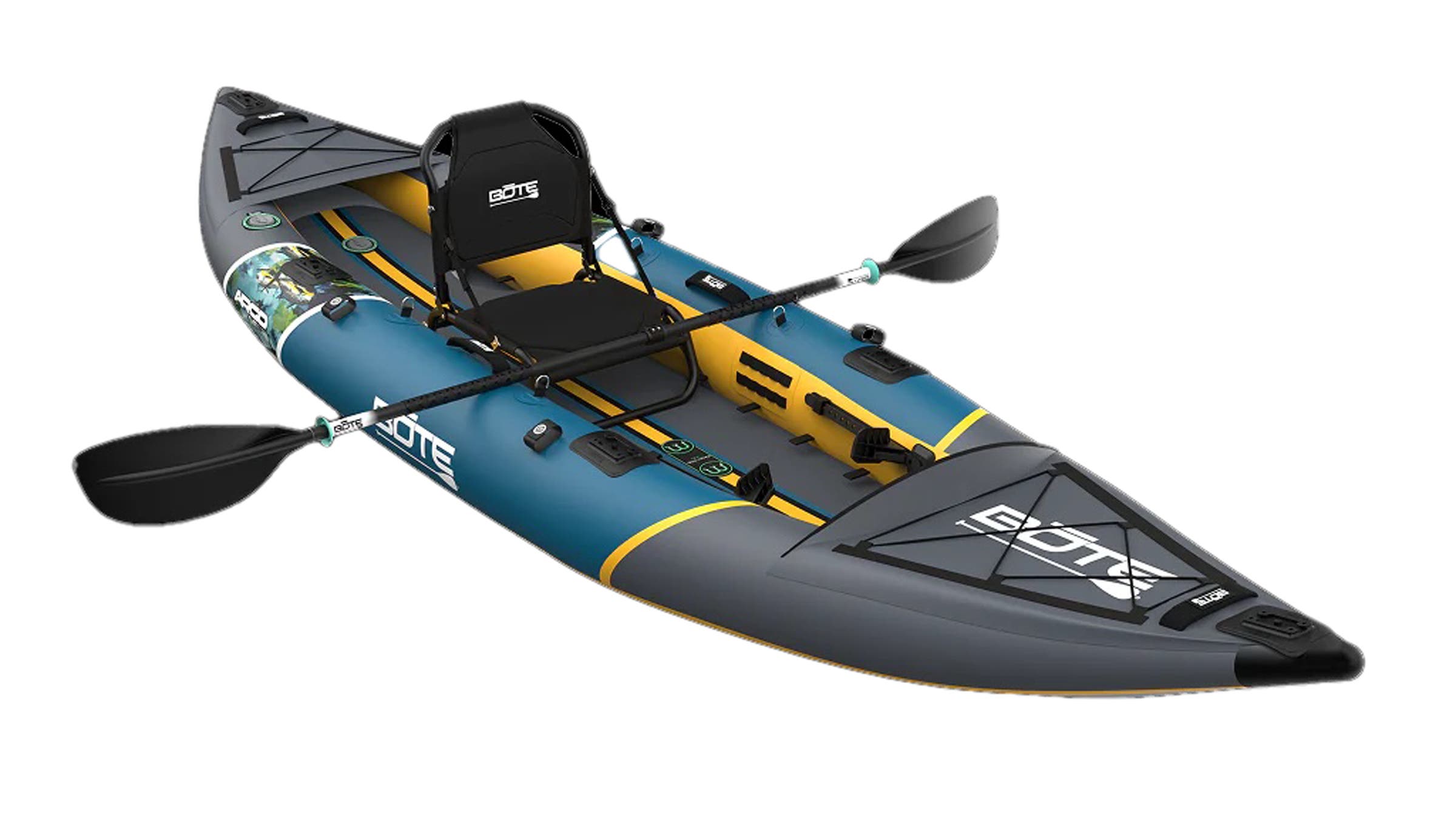
The global kayak fishing market has witnessed a significant shift toward portability and accessibility with the official release of the Bote Argo Aero, the brand’s first dedicated inflatable fishing kayak. Launched in July 2026, the Argo Aero aims to bridge the gap between the high-performance stability of traditional hard-shell vessels and the logistical convenience required by urban-dwelling anglers. As residential trends move toward smaller living spaces and the cost of vehicle outfitting—such as trailers and roof racks—continues to rise, the introduction of a professional-grade inflatable represents a strategic pivot in outdoor gear engineering.
The Evolution of Inflatable Watercraft Technology
For decades, inflatable watercraft were relegated to the categories of recreational "pool toys" or entry-level rafts. These early models were often criticized for their lack of rigidity, poor tracking, and susceptibility to punctures from fishing hooks or submerged debris. However, the maturation of drop-stitch technology and high-denier PVC construction has allowed manufacturers to create vessels that can withstand high internal pressures, resulting in a surface nearly as hard as a traditional plastic hull.

The Argo Aero enters a market where the "Urban Angler" demographic is rapidly expanding. According to industry data from the Outdoor Industry Association (OIA), a growing percentage of new fishing enthusiasts reside in multi-family housing units where storing a 12-foot, 100-pound polyethylene kayak is physically impossible. By offering a vessel that collapses into a rolling travel bag, Bote is targeting a specific logistical pain point that has historically prevented entry into the sport.
Technical Specifications and Engineering Architecture
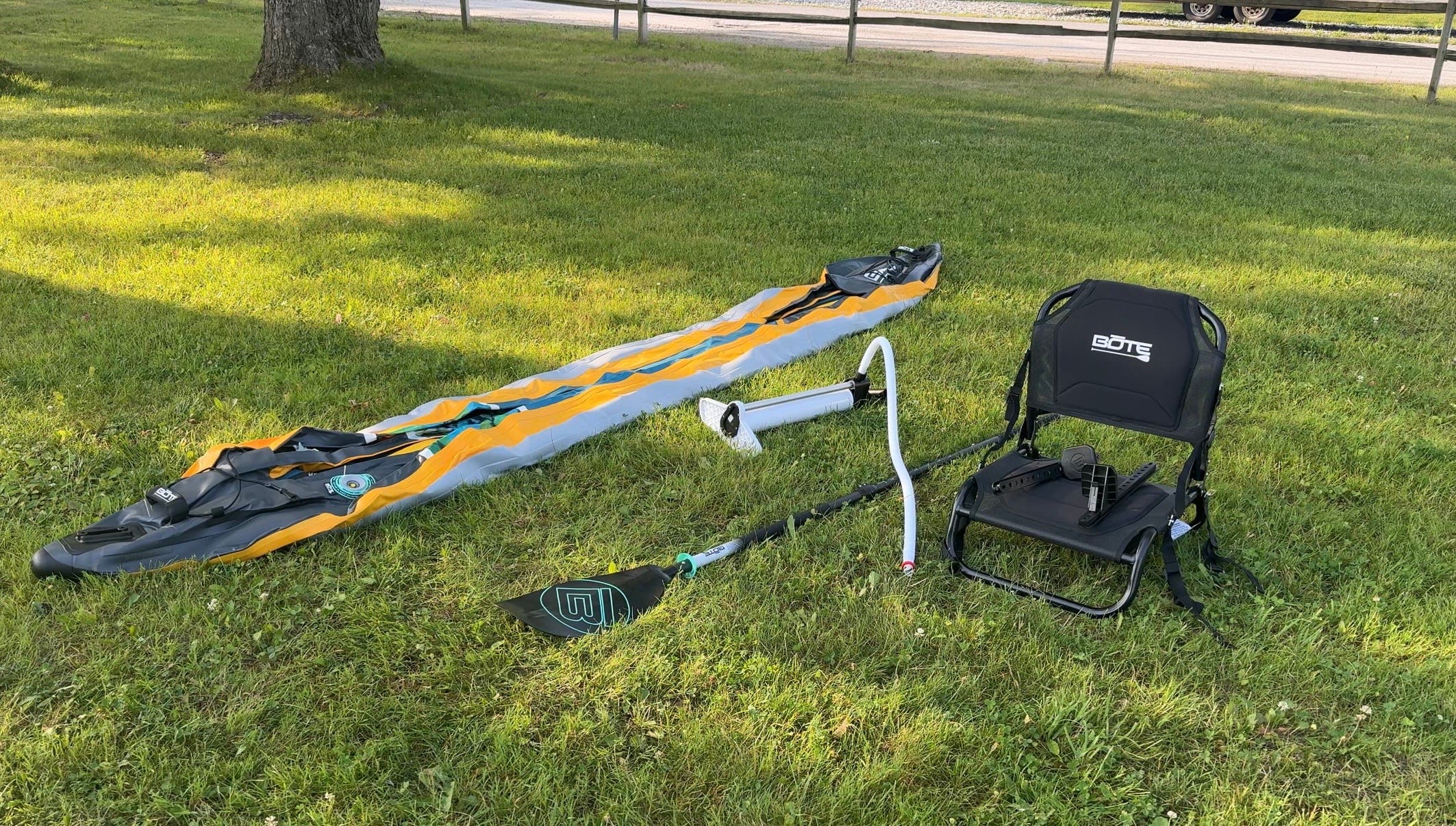
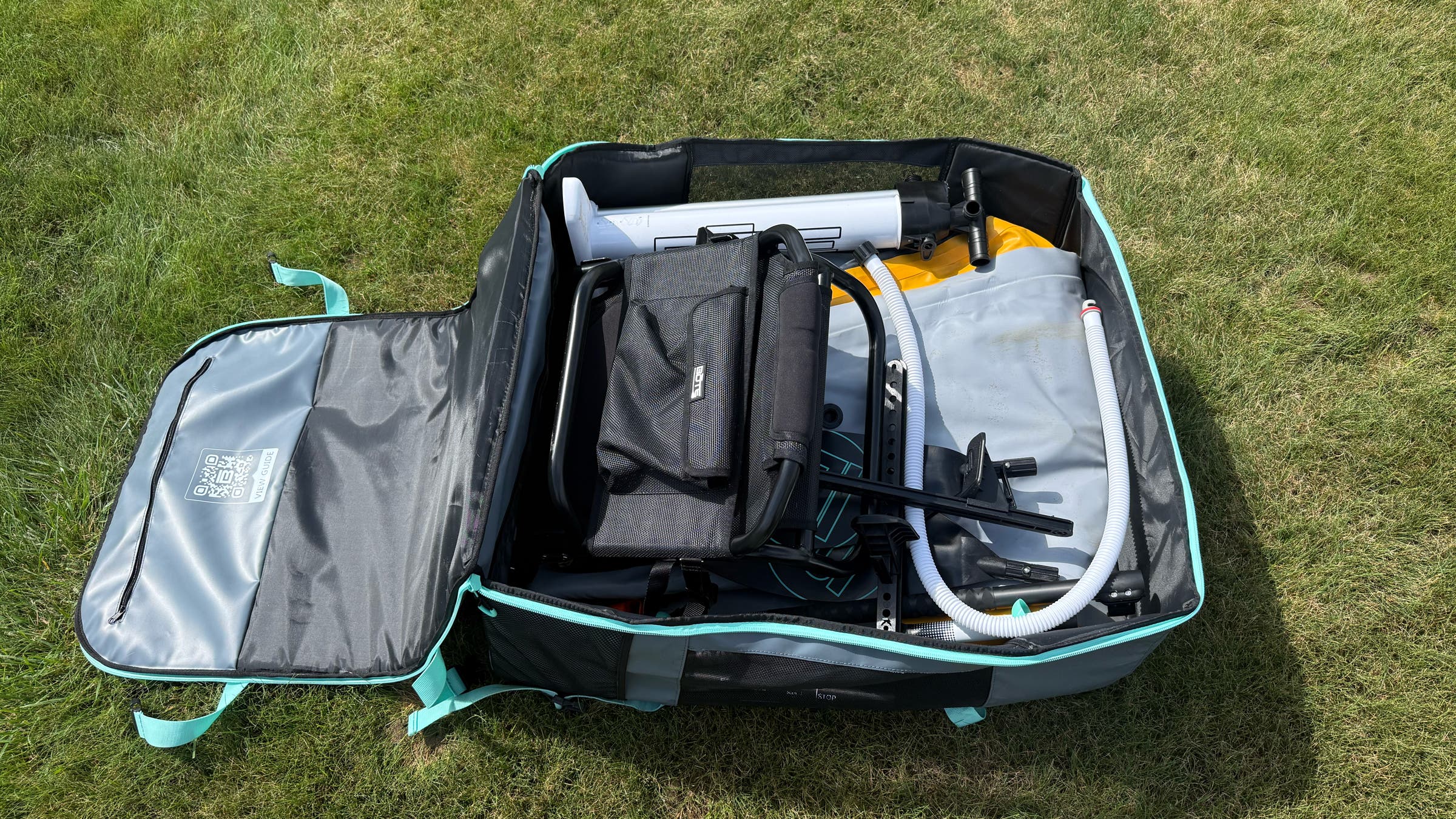
The Argo Aero is engineered with a focus on displacement and stability. The single-occupant model boasts a weight capacity of 675 pounds, a figure that rivals many full-sized hard-shell fishing kayaks. Despite this high capacity, the inflated weight of the vessel is a mere 33 pounds. When deflated and stored in its specialized rolling bag alongside its accessories, the total package weight reaches 67.4 pounds, allowing for solo transport in a standard vehicle trunk or even via public transit.
Structural Integrity and Inflation Mechanics
One of the primary deterrents to inflatable watercraft has been the physical exertion required for setup. Standard inflatable paddleboards (SUPs) often require internal pressures of 12 to 15 PSI to achieve necessary rigidity, a process that can be taxing for the user. The Argo Aero utilizes a multi-chamber design that optimizes pressure distribution. The side pontoons require only 2 to 3 PSI, while the floor—the primary structural platform—inflates to 6 to 8 PSI. This engineering choice allows for a full setup time of approximately eight minutes using a manual pump, significantly lower than the industry average for high-performance inflatables.
The Solis Frame Seat and Ergonomics
Central to the Argo Aero’s design is the Solis Frame Seat. Unlike the low-profile, floor-mounted seats found in recreational kayaks, the Solis system is elevated. This elevation serves two primary functions: it provides the angler with a superior vantage point for sight fishing and creates a more ergonomic casting angle for both fly and spin fishing. The seat is constructed from a breathable mesh and a lightweight frame, designed to provide lumbar support during extended sessions on the water.
Chronology of Product Development
The development of the Argo Aero followed a multi-year trajectory within Bote’s research and development department.
- 2022–2023: Bote engineers began experimenting with the integration of their "Aero Technology" (used in their successful line of SUPs) into a dedicated kayak hull. The goal was to eliminate the "wag" or lateral oscillation common in inflatable hulls.
- 2024: Prototype testing moved from calm inland lakes to more challenging environments, including slow-moving rivers and coastal estuaries. During this phase, the self-bailing scupper holes were refined to ensure the boat could handle choppy conditions without retaining water.
- 2025: The integration of the "MagnePod" and "Rac" systems was finalized. These proprietary magnetic and mechanical attachment points allow for modular customization, a feature previously exclusive to hard-shell boats.
- July 2026: The Argo Aero Solo and the 15-foot Tandem models were officially released to the North American market.
Market Analysis: The Cost of Entry
At a retail price of $1,499, the Argo Aero is positioned as a mid-to-high-range investment. While budget-oriented hard-shell fishing kayaks can be found for under $1,000, industry analysts point out that the "Total Cost of Ownership" (TCO) for a hard-shell boat often includes hidden expenses.
A standard hard-shell kayak requires:
- Storage Solutions: Monthly fees for a storage unit or the square footage of a garage.
- Transportation: Roof racks (ranging from $300 to $800) or a dedicated trailer ($1,000+).
- Accessories: Many entry-level hard-shells do not include paddles, seats, or high-quality pumps.
The Argo Aero’s "all-in-one" kit—which includes a five-piece paddle, a rolling bag, a high-pressure pump, a removable fin, and a repair kit—presents a competitive value proposition for those who lack existing infrastructure for watercraft transport.
Performance Evaluation and Field Testing
In field trials conducted on calm lake waters, the Argo Aero demonstrated tracking capabilities that closely mimic composite touring kayaks. The 41-inch-wide pontoon-style hull provides a stable platform, allowing anglers to stand and cast—a maneuver that is often precarious in narrower inflatable models. The inclusion of a removable center fin further assists in maintaining a straight line against crosswinds.
However, the vessel’s lightweight nature presents a trade-off in high-wind scenarios. Because the boat sits higher on the water and lacks the mass of a polyethylene hull, it is more susceptible to wind drift. Testing indicated that while the boat is highly efficient in sheltered waters, it may require more corrective paddling or the use of an anchor system in open, unprotected environments.
Integration of Proprietary Systems
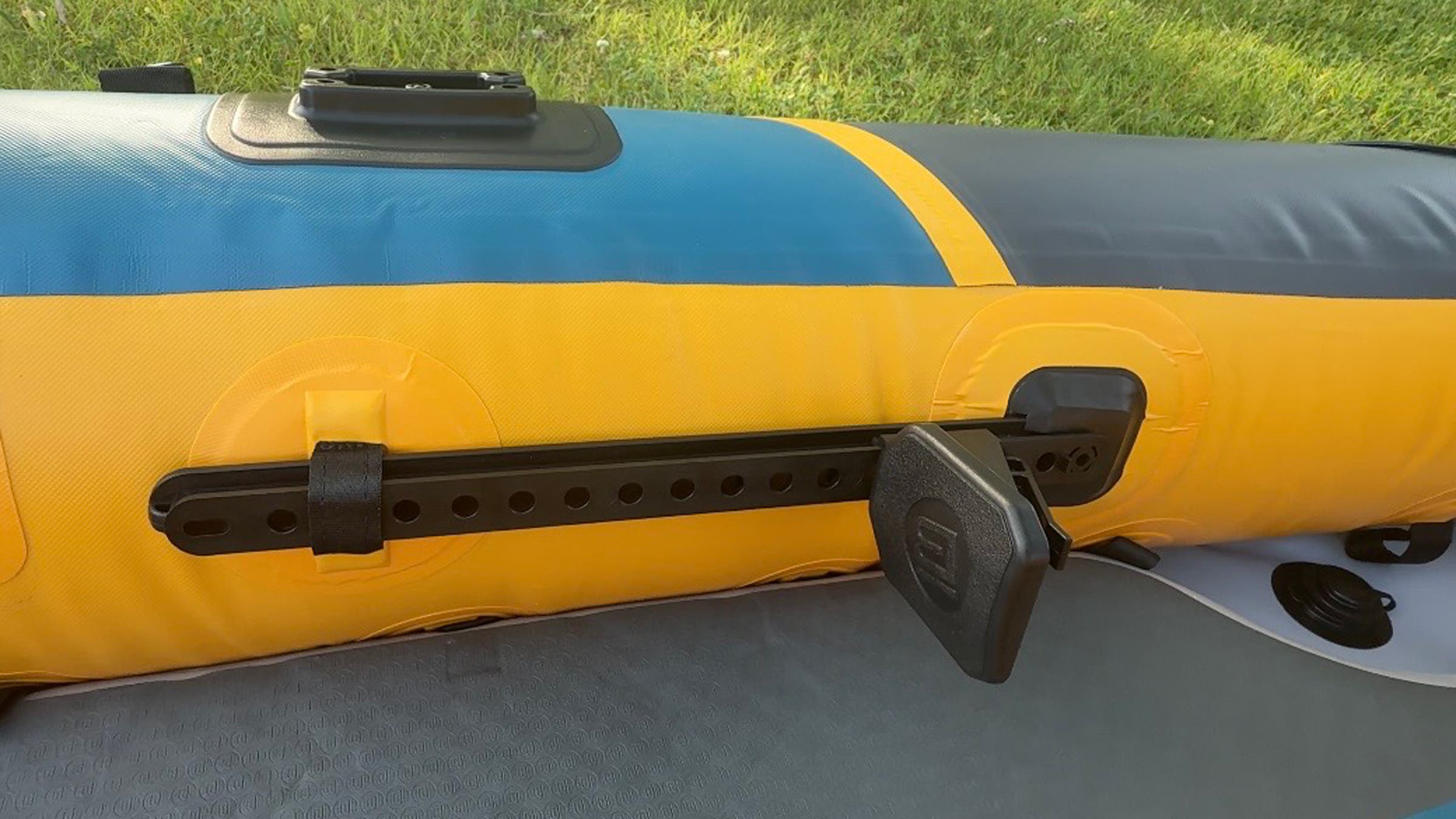
Bote has leveraged its ecosystem of accessories to make the Argo Aero a modular fishing platform. The "MagnePod" system utilizes neodymium magnets to secure compatible tumblers and tool sets, preventing them from sliding overboard. Additionally, the "Rac" receivers allow for the tool-less installation of rod holders, camera mounts, and gear racks.
While these features provide a high degree of customization, it should be noted that many of these attachments are sold separately. For the dedicated angler, this modularity allows for a "build-as-you-go" approach, though it can increase the final price of the setup by several hundred dollars depending on the complexity of the rig.
Broader Implications for the Outdoor Industry
The launch of the Argo Aero is reflective of a broader trend toward the "democratization of the outdoors." By removing the requirement for heavy-duty vehicles and large-scale storage, manufacturers are opening the sport of kayak fishing to a more diverse demographic.
Environmental considerations also play a role in this market shift. The durability of modern PVC and drop-stitch materials ensures a long product lifecycle, reducing the frequency of replacement. Furthermore, the ability to transport watercraft in smaller, more fuel-efficient vehicles contributes to a lower overall carbon footprint for the average fishing excursion.
Conclusion and Future Outlook
The Bote Argo Aero represents a milestone in the convergence of portability and professional-grade performance. While it may not fully replace the high-speed, rigid-hull kayaks used in professional tournament circuits, it offers a robust solution for the vast majority of freshwater and inshore anglers. As the outdoor industry continues to adapt to the needs of an increasingly urbanized population, the success of the Argo Aero may signal a permanent shift in how watercraft are designed, sold, and utilized.
Moving forward, the industry expects to see further refinements in material science, possibly leading to even lighter vessels with increased puncture resistance. For now, the Argo Aero stands as a compelling argument that the era of "soft, couch-y" inflatables has come to an end, replaced by a new generation of capable, portable, and highly functional fishing machines.




 Chandra Hamzah
 Tatiana Tantri Indah Sari
 Budi Mulyono
 Lukman Taruna Persada Ramadan