
 Chandra Hamzah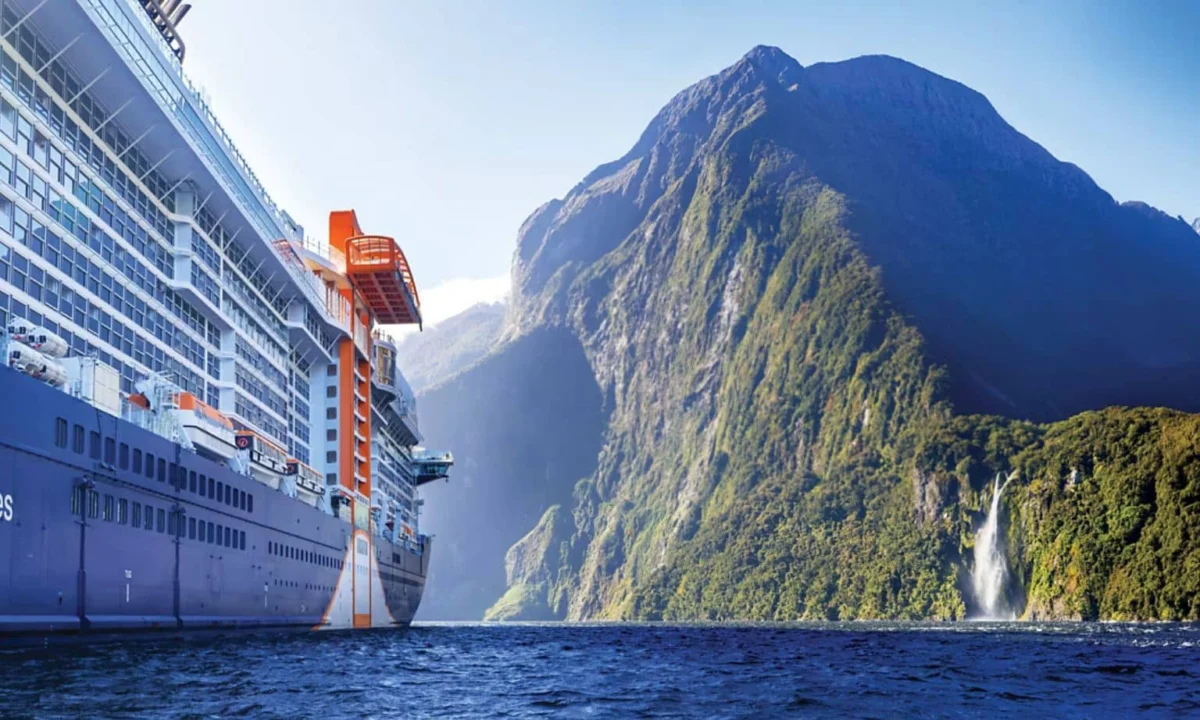
New Zealand is demonstrating a robust commitment to the future of its cruise industry, underpinned by a collaborative strategy developed jointly by industry stakeholders and government entities, and championed by the New Zealand Cruise Association (NZCA). This forward-looking approach, initiated last year, has already yielded tangible benefits, and the nation is now embarking on a new phase with ambitious goals set for 2040, aiming to solidify its position as a premier cruise destination over the next 14 years.
The initial phase of this integrated strategy has been marked by a series of "quick wins," the result of diligent planning and engaged participation from both political representatives and industry leaders. These successes include the pivotal reversal of a potential ban on cruising to the picturesque Milford Sound, a move that underscored the sector’s ability to advocate effectively for its operational continuity. Furthermore, major cruise lines, such as Carnival, have responded positively, with a series of sailings being rerouted to establish Auckland as a homeport. This development not only signifies increased cruise activity but also points to growing confidence in New Zealand’s logistical capabilities.
Significant infrastructure investments are also underway. Auckland is progressing with the development of a new cruise terminal, a project designed to enhance passenger experience and streamline operations. Additionally, the installation of advanced hull cleaning facilities in Auckland is a crucial step towards ensuring cruise ships can meet increasingly stringent environmental regulations, demonstrating a proactive stance on sustainability. These developments are critical in a global market where environmental stewardship is becoming a key factor in cruise line deployment decisions.
Despite these positive strides, the NZCA acknowledges a significant challenge: cruise visitation to New Zealand has seen a substantial decline of 40%. This reality underscores the urgency and necessity of the ongoing efforts to not only recover but also to significantly grow visitor numbers. The competitive global landscape for cruise tourism demands a strategic and sustained focus.
Horizon 2: Charting a Course to 2040
The second iteration of New Zealand’s cruise strategy, dubbed "Horizon 2," directly addresses the need to re-establish the country as a destination of choice. NZCA Chief Executive Jacqui Lloyd emphasized the critical nature of this initiative, stating, "New Zealand cannot afford to assume cruise will simply return on its own. Cruise lines are making deployment decisions now in an incredibly competitive global market, and Horizon 2 is about ensuring New Zealand earns its place as a destination of choice again."
Lloyd further elaborated on the progress made, noting, "We’ve made real progress over the past two years. Government engagement is better than it has ever been, relationships with cruise lines are positive, and the sector is now far more aligned nationally." This improved governmental and industry alignment is a cornerstone of the strategy’s long-term viability.
Detailed Blueprints for Future Growth
The detailed plan for Horizon 2 encompasses a multi-faceted approach to industry cooperation and enhancement. Key elements include:
- Enhanced Industry Cooperation: Fostering stronger partnerships between cruise lines, port authorities, local tourism operators, and government agencies to create a seamless and efficient cruise experience.
- Strategic Networking and Engagement: Actively participating in international cruise industry events and forums to maintain visibility, build relationships, and attract new cruise line interest. This includes targeted outreach to key decision-makers within global cruise corporations.
- Bureaucratic Streamlining: Identifying and implementing changes to regulatory processes that can be cumbersome for cruise operations. This aims to reduce red tape and simplify compliance, making New Zealand a more attractive and easier place to do business.
- Political Engagement: Cultivating ongoing dialogue and support from across the political spectrum to ensure long-term policy stability and investment in the cruise sector.
- Infrastructure Development and Maintenance: Addressing existing infrastructure gaps and investing in upgrades to port facilities, shore excursion capabilities, and environmental management systems. This includes ensuring ports can accommodate the growing size and technical requirements of modern cruise vessels.
- Regulatory Cost Reduction: A concerted effort to identify and reduce the cumulative costs associated with operating cruise ships in New Zealand, including port fees, navigational charges, and other government levies. The goal is to make the economic proposition of visiting New Zealand more competitive.
- Environmental Stewardship: Continuing to invest in and promote sustainable practices, including advanced waste management, emissions control, and protection of marine ecosystems, aligning with global environmental expectations.
Australia’s Cruise Sector at a Critical Juncture
In stark contrast to New Zealand’s proactive strategy, Australia’s cruise industry is facing significant headwinds, characterized by a lack of coordinated governmental support and a notable decline in cruise capacity. The absence of a unified, whole-of-government strategic plan for cruising has left the sector feeling underserved and increasingly uncompetitive on the global stage.
Australian cruise lines and industry bodies have voiced growing concerns that the federal government is not adequately addressing the industry’s needs. This has contributed to a substantial revenue drop of approximately $1 billion and a 35% decrease in cruise capacity operating within Australian waters.
A recent decision by Carnival Cruise Line to redeploy the Carnival Adventure from Australia to the USA for six months of the year serves as a potent example of these challenges. The company explicitly cited regulatory difficulties as a contributing factor to this decision.
Joel Katz, Executive Director of CLIA Australasia, has been a vocal advocate for increased government support. In a statement welcoming New Zealand’s initiative, he highlighted the economic significance of cruise tourism, noting, "Cruise tourism is worth NZ$1.23 billion a year to the New Zealand economy and supports more than 8,000 Kiwi jobs, so it warrants decisive action to create an environment in which cruising can thrive." He added, "Destinations that take a strategic, long-term approach to fostering cruise tourism have the advantage when it comes to increasing their competitiveness and maximising the economic benefits that cruising brings to local communities."
Katz further articulated the critical situation in Australia, stating in a LinkedIn post, "Cruise tourism is at a crossroads in Australia. Not because Australians have lost interest in cruising. Far from it. Demand is strong, guest numbers are at record levels, and globally the cruise sector continues to grow."
The Competitiveness Conundrum
The core issue, according to Katz, is not a lack of consumer interest but rather Australia’s ability to remain competitive in attracting cruise ships. "The issue is not demand… the issue is whether Australia is doing enough to remain competitive for the ships that can deliver that demand here," he asserted.
Katz stressed the mobile nature of cruise ships, explaining that they are assets that can be deployed to various global destinations. "Cruise ships are mobile assets. They can be deployed almost anywhere in the world, and the decisions about where they go are made years in advance. Those decisions are influenced by destination appeal, guest demand, infrastructure, operating costs, regulation, policy certainty and the ease of doing business."
He elaborated on Australia’s inherent strengths, stating, "On many of those measures, Australia should be in a strong position. We are one of the world’s great cruise destinations. We have spectacular ports, extraordinary regional experiences, strong consumer demand and a tourism industry that benefits enormously when ships come here."
However, Katz pointed directly to the escalating cumulative costs of operating in Australia as a significant deterrent. "The cumulative cost of operating in Australia is becoming a real competitiveness issue. Port charges, government fees, regulatory compliance, fuel, logistics, provisioning, marine services, ground handling and turnaround costs all add up. Any one of these costs might be manageable in isolation. The problem is the combined effect."
The economic ramifications of this decline are far-reaching. Katz underscored the broad impact, stating, "Cruise tourism supports thousands of Australian jobs across ports, transport, hospitality, agriculture, tourism, technical services, security, travel agencies and regional businesses. When ships are lost, the impact does not stop at the gangway. It flows through the entire visitor economy."
New Zealand’s Strategic Advantage
New Zealand’s concerted and unified approach, embodied by the NZCA’s strategy, positions it to navigate these global complexities more effectively. By actively engaging with industry partners, investing in infrastructure, and streamlining regulatory frameworks, New Zealand aims to secure its future as a preferred cruise destination. The success of Horizon 2 will be a critical indicator of the nation’s ability to adapt and thrive in the dynamic international cruise market, offering valuable lessons for other destinations facing similar challenges. The focus on long-term planning and collaborative action demonstrates a clear understanding that sustained growth in the cruise sector requires more than just inherent appeal; it demands strategic foresight and consistent execution.




 Tatiana Tantri Indah Sari
 Budi Mulyono
 Anjar Salim
