
 Gabriela Annisa
The persistent hum of U.S. airline consolidation, a recurring theme in investor calls and industry forums, has recently been met with a resounding splash of cold water from the very executives at the helm of major carriers. At last week’s esteemed Bernstein investor conference, a pivotal gathering for market insights, leading airline CEOs unequivocally downplayed the likelihood of significant mergers and acquisitions, particularly casting a shadow over the prospect of a JetBlue Airways acquisition. This candid discourse marks a notable shift in industry sentiment, suggesting that the prevailing focus may pivot from external growth through M&A to internal strategic evolution, as hinted by Southwest Airlines’ CEO regarding potential ventures into lounges, long-haul flying, and even first-class services. The revelations from the conference underscore a rapidly shifting U.S. airline landscape, shaped by a confluence of economic realities, an assertive regulatory environment, and evolving passenger expectations.
Major Airlines Pump Brakes on M&A Speculation
The speculative fervor surrounding U.S. airline consolidation, which has permeated market discussions for years, faced a significant reality check at the recent Bernstein conference. United Airlines CEO Scott Kirby, known for his direct assessments, delivered a particularly blunt evaluation of any potential acquisition of JetBlue Airways, describing the economics as "mathematically close to impossible." This stark pronouncement by the head of one of the nation’s largest airlines signals a powerful deterrent to any prospective suitors. Kirby’s assessment likely factors in several critical elements: JetBlue’s current market valuation, its existing debt load, the substantial costs associated with integrating a new airline into a larger network, and perhaps most importantly, the formidable regulatory hurdles that have become increasingly stringent under the current administration. An acquisition of JetBlue by a "Big Four" carrier (American, Delta, United, Southwest) would undoubtedly invite intense scrutiny from the Department of Justice (DOJ), given the already concentrated nature of the U.S. airline market. The complexity of fleet commonality, differing operational models, and the potential for route overlap leading to divestitures would further complicate any such transaction, diminishing its financial appeal.
Echoing this cautious sentiment, Southwest Airlines CEO Bob Jordan also expressed skepticism regarding immediate dealmaking. While not as direct in his comments on JetBlue specifically, Jordan’s general downplaying of large-scale M&A activity reflects a broader industry consensus that the era of easy consolidation may be over. His remarks, while acknowledging the continuous evaluation of market opportunities, emphasized an inward-looking strategic approach, signaling that organic growth and product innovation might be the preferred pathways forward. This collective stance from two influential airline leaders suggests a deliberate attempt to manage market expectations and perhaps redirect investor focus away from M&A premiums towards operational performance and strategic differentiation. The implication is clear: the industry’s strategic compass is recalibrating, moving away from a reliance on inorganic growth to bolster market share.
JetBlue’s Strategic Crossroads After Spirit Fiasco
JetBlue Airways finds itself at a particularly delicate juncture, grappling with the aftermath of its failed bid to acquire Spirit Airlines and the dissolution of its Northeast Alliance (NEA) with American Airlines. These recent developments have significantly impacted JetBlue’s strategic trajectory and financial standing, making it a less attractive target for acquisition, despite its brand recognition and presence in key markets.
A Troubled Acquisition Attempt
The saga of JetBlue’s pursuit of Spirit Airlines was a defining moment for the carrier and a significant chapter in recent airline M&A history. In July 2022, JetBlue successfully outbid Frontier Airlines with an all-cash offer of approximately $3.8 billion, a move that surprised many analysts given JetBlue’s smaller scale compared to Spirit and the potential for integration challenges. The stated rationale was to create a stronger fifth national airline capable of competing more effectively with the legacy carriers. However, this ambitious plan quickly ran into significant headwinds.
The Department of Justice, in its increasingly vigilant antitrust stance, filed a lawsuit in March 2023 to block the merger, arguing that it would lead to higher fares and reduced competition, particularly for price-sensitive consumers. The DOJ’s arguments focused on the unique characteristics of both airlines—JetBlue as a "hybrid" carrier offering more amenities than traditional ultra-low-cost carriers (ULCCs) but often at competitive prices, and Spirit as a quintessential ULCC driving down fares across the industry. After a contentious trial, a federal judge sided with the DOJ in January 2024, ruling that the merger violated antitrust laws. This judicial blow ultimately led to the termination of the merger agreement in March 2024, leaving JetBlue to pay Spirit a $69 million breakup fee.
The consequences for JetBlue have been profound. Beyond the direct financial costs of the breakup fee and extensive legal expenditures, the failed merger left JetBlue without the significant scale it had hoped to achieve. The pursuit of Spirit consumed considerable management time and resources, diverting attention from core operational improvements and organic growth initiatives. Furthermore, the regulatory scrutiny surrounding the Spirit bid signaled a clear message to potential acquirers: any attempt to consolidate further in the U.S. airline market would face an extremely high bar for approval.
Compounding JetBlue’s challenges, the Northeast Alliance (NEA) with American Airlines was also dissolved in July 2023, following another successful antitrust challenge by the DOJ. The NEA, which allowed the two airlines to coordinate flights and share revenue in the Northeast, was critical to JetBlue’s strategy for expanding its presence in competitive markets like New York and Boston. Its termination forced JetBlue to re-evaluate its network strategy, leading to significant adjustments and potentially leaving gaps in its competitive positioning against legacy carriers. These setbacks have undoubtedly weakened JetBlue’s financial position and diminished its attractiveness as an acquisition target, making Kirby’s "mathematically impossible" assessment all the more salient. The company’s current market capitalization, coupled with its profitability struggles in a competitive environment, presents a challenging investment proposition for any major airline contemplating an acquisition.
A History of Mergers and a Tighter Regulatory Environment
The U.S. airline industry has a storied history of consolidation, a trend that dramatically reshaped the competitive landscape over several decades. However, the current regulatory climate represents a significant departure from previous eras, making future large-scale mergers exceedingly difficult.
Decades of Industry Consolidation
Following deregulation in 1978, the U.S. airline industry underwent a tumultuous period marked by bankruptcies, new entrants, and, eventually, a relentless drive towards consolidation. The early 2000s saw a significant wave of mergers driven by economic pressures, the aftermath of 9/11, and intense competition. Key examples include:
- Delta Air Lines and Northwest Airlines (2008): This merger created one of the largest airlines globally, significantly reducing competition on numerous routes.
- United Airlines and Continental Airlines (2010): Another mega-merger that resulted in a powerful global network carrier.
- Southwest Airlines and AirTran Airways (2011): A notable acquisition that allowed Southwest to expand its reach, particularly into Atlanta and other East Coast markets.
- American Airlines and US Airways (2013): This merger, which emerged from American’s bankruptcy, created the world’s largest airline at the time and cemented the "Big Four" structure that largely defines the U.S. market today.
These mergers, often justified by claims of increased efficiency, stronger balance sheets, and enhanced global networks, undeniably reduced the number of major players. The result is an industry dominated by four carriers—American, Delta, United, and Southwest—which collectively control approximately 80% of the domestic market share. This high level of concentration has frequently been cited by critics as a factor contributing to higher fares and fewer choices for consumers in many markets.
The Shifting Stance of Regulators
The current U.S. regulatory environment under the Biden administration marks a decisive pivot from the more lenient approach of previous administrations regarding antitrust enforcement. Assistant Attorney General Jonathan Kanter, who heads the DOJ’s Antitrust Division, has made it clear that preserving competition across various industries, including airlines, is a top priority. This aggressive antitrust posture is rooted in the belief that excessive consolidation stifles innovation, harms consumers through higher prices and reduced service quality, and limits economic opportunity.
The successful challenges mounted by the DOJ against both the JetBlue-Spirit merger and the Northeast Alliance serve as powerful evidence of this paradigm shift. In both cases, the government articulated a strong case that these arrangements, even if presented as beneficial for competition, would ultimately harm consumers by eliminating a disruptive competitor (Spirit) or by allowing major airlines to collude on pricing and capacity (NEA). The rulings in favor of the DOJ send an unequivocal message to airline executives: any future attempts at significant mergers will face an uphill battle, requiring compelling evidence of pro-competitive benefits that outweigh potential harm, a bar that appears to be set significantly higher than in the past. This heightened scrutiny means that not only are outright mergers more difficult, but even commercial alliances and joint ventures that might previously have passed muster are now subject to intense examination. The regulatory environment has become a formidable gatekeeper, effectively chilling the appetite for large-scale M&A activity in the airline sector and forcing carriers to reconsider their growth strategies.
Southwest Airlines Hints at Major Strategic Shifts
While the prospect of consolidation dims, Southwest Airlines CEO Bob Jordan’s remarks at the Bernstein conference offered intriguing insights into a different kind of strategic evolution. Jordan’s hints about future plans involving airport lounges, long-haul flying, and potentially first-class service represent a significant departure from Southwest’s long-standing operational philosophy and brand identity.
The Allure of Lounges and Premium Offerings
Southwest Airlines has historically distinguished itself with a no-frills, low-cost, point-to-point model, famously eschewing assigned seating, hub-and-spoke networks, and premium cabins. The concept of Southwest opening airport lounges is a particularly striking revelation. Airport lounges, typically associated with legacy carriers and catering to business travelers and frequent flyers, offer a quieter, more comfortable pre-flight experience with amenities like complimentary food, beverages, Wi-Fi, and workstations. For Southwest to consider this move suggests a strategic push to:
- Attract and Retain Business Travelers: Business travelers are a lucrative segment, often prioritizing comfort, convenience, and productivity. Offering lounge access could make Southwest more competitive against carriers that already provide these amenities, potentially converting loyal business flyers from other airlines.
- Enhance Customer Loyalty and Experience: Lounges could serve as a differentiator, elevating the overall travel experience for Southwest’s most valuable customers and reinforcing loyalty through perceived value beyond just low fares.
- Diversify Revenue Streams: Lounge access fees, whether through annual memberships, credit card partnerships, or per-visit passes, represent a new ancillary revenue opportunity for Southwest.
- Modernize Brand Perception: This move could signal a maturation of the Southwest brand, appealing to a broader demographic that values comfort and premium services alongside affordability.
Implementing a lounge network would require substantial investment in infrastructure, staffing, and operational logistics, a significant undertaking for an airline that has traditionally focused on lean operations. It would also necessitate a careful integration into their existing customer loyalty programs, such as Rapid Rewards, to ensure maximum benefit and customer adoption.
Exploring Long-Haul and First Class
Perhaps even more revolutionary are Jordan’s hints about Southwest exploring long-haul flying and the possibility of introducing a first-class cabin. Southwest’s current fleet of Boeing 737s is primarily optimized for short-to-medium haul domestic routes, typically up to 4-5 hours. While the 737 MAX series has extended range capabilities, true long-haul flying (e.g., transatlantic or transpacific) would likely require a different fleet type or significant re-evaluation of existing aircraft capabilities and operational models.
Introducing a first-class cabin would be a seismic shift for Southwest, challenging its core identity as "the LUV airline" offering a single, democratic class of service. Such a move would entail:
- Fleet Configuration Changes: Reconfiguring aircraft to include larger, more comfortable seats, potentially lie-flat options for longer flights, and dedicated galleys for premium service. This would reduce overall seat count, impacting the traditional low-cost model.
- Service Model Overhaul: Training flight attendants for premium service, developing new catering options, and implementing a more complex booking and seating system.
- Brand Repositioning: Communicating this change to a customer base accustomed to a specific value proposition, while also attracting new, premium-focused clientele.
- Competitive Dynamics: Directly competing with legacy carriers in a segment where they have long-established loyalty programs, service standards, and global networks.
The rationale behind these considerations could be manifold: tapping into higher-yield premium markets, expanding into more lucrative international routes not currently served, or simply responding to evolving customer demands for more comfort and amenities, even on domestic flights. It could also be a defensive strategy to retain passengers who might otherwise migrate to competitors for specific long-haul or premium travel needs. While these are currently just "hints," they indicate a profound internal strategic review underway at Southwest, suggesting a willingness to re-evaluate fundamental aspects of its business model to ensure continued relevance and growth in a changing market.
A New Era for U.S. Aviation: Competition Over Consolidation?
The statements from airline CEOs and the prevailing regulatory climate collectively signal a potential new era for U.S. aviation, one where the emphasis shifts from rapid consolidation to more nuanced strategies of organic growth, product differentiation, and enhanced competition.
Impact on Industry Structure and Competition
If major consolidation is indeed off the table, the existing industry structure dominated by the "Big Four" is likely to remain largely intact for the foreseeable future. This means that growth for individual airlines will increasingly depend on:
- Organic Network Expansion: Adding new routes, increasing frequencies on existing profitable routes, and optimizing schedules to capture market share.
- Ancillary Revenue Generation: Innovating with non-ticket revenue streams such as baggage fees, seat selection charges, in-flight services, and loyalty program enhancements.
- Product Differentiation: Investing in unique customer experiences, technology, and service offerings to stand out in a competitive market.
- International Expansion: For global network carriers like United, Delta, and American, focusing on expanding their international footprint through partnerships and new routes will be crucial, given the saturation of the domestic market.
For smaller carriers like JetBlue, this environment presents both challenges and opportunities. Without the option of being acquired by a larger player, JetBlue must find a viable path to sustainable profitability independently. This could involve a renewed focus on its premium leisure and business segments, a more disciplined approach to capacity growth, and potentially exploring new niche markets. The continued presence and strategic evolution of ultra-low-cost carriers (ULCCs) like Spirit and Frontier will also remain vital in maintaining fare competition, particularly in leisure travel segments. The regulatory environment ensures that these smaller players continue to exert downward pressure on fares, benefiting consumers.
Consumer Experience and Fares
The lack of major mergers could be a net positive for consumers in the long run. Fewer mergers typically mean more independent airlines competing on price, service, and routes. While the U.S. market is already highly concentrated, preventing further consolidation preserves existing competitive dynamics, however imperfect they may be.
The potential strategic shifts at Southwest Airlines, in particular, could significantly impact the consumer experience. If Southwest introduces lounges and premium cabins, it would offer more choice and comfort options within its traditionally value-oriented framework. This could pressure other carriers to enhance their own offerings or adjust pricing, especially for business travelers who might find Southwest’s new approach appealing. However, the introduction of premium services could also subtly shift Southwest’s focus away from its ultra-low-fare roots, potentially leading to a slight increase in average fares across its network, though this remains speculative. Overall, consumers are likely to benefit from airlines striving to differentiate through service and product enhancements rather than simply acquiring competitors.
Investor Sentiment and Market Dynamics
For investors, the diminishing prospects of M&A premiums means that valuations will increasingly be tied to operational efficiency, profitability, and organic growth strategies. Airlines that can demonstrate consistent financial performance, effective cost management, and innovative approaches to market expansion will likely be favored. Carriers that were once seen as potential acquisition targets, like JetBlue, may face increased pressure to articulate a clear, independent path to profitability and sustainable growth to reassure shareholders.
The market’s reaction to Southwest’s potential strategic overhaul will be closely watched. If successful, such a transformation could unlock new revenue streams and improve profitability, driving shareholder value. However, the execution risk for such a significant shift is considerable, and investors will seek clear evidence of a well-defined plan and successful implementation. The current climate necessitates a focus on robust balance sheets, disciplined capacity management, and agility in responding to evolving market conditions and customer preferences.
Concluding Thoughts
The pronouncements from the Bernstein conference, particularly Scott Kirby’s frank assessment of JetBlue’s acquisition prospects and Bob Jordan’s forward-looking statements on Southwest’s strategic evolution, underscore a significant inflection point in the U.S. airline industry. The era of large-scale consolidation, once a dominant force shaping the market, appears to be drawing to a close, primarily due to an assertive regulatory environment and increasingly challenging economic realities for integration.
Instead, the industry is entering a phase of introspection and organic evolution. Airlines are being compelled to innovate from within, focusing on product differentiation, operational excellence, and new revenue streams. Southwest Airlines’ contemplation of lounges, long-haul, and first-class services exemplifies this pivot, suggesting that even deeply ingrained business models are subject to re-evaluation in the pursuit of sustained growth and relevance. While the landscape remains intensely competitive, the direction of travel for U.S. airlines is shifting away from fewer, larger players towards a more dynamic environment where existing carriers must forge distinct strategic paths to thrive. This new trajectory promises a period of strategic recalibration and potentially more varied offerings for the flying public, albeit without the dramatic structural changes brought by previous merger waves.

 Chandra Hamzah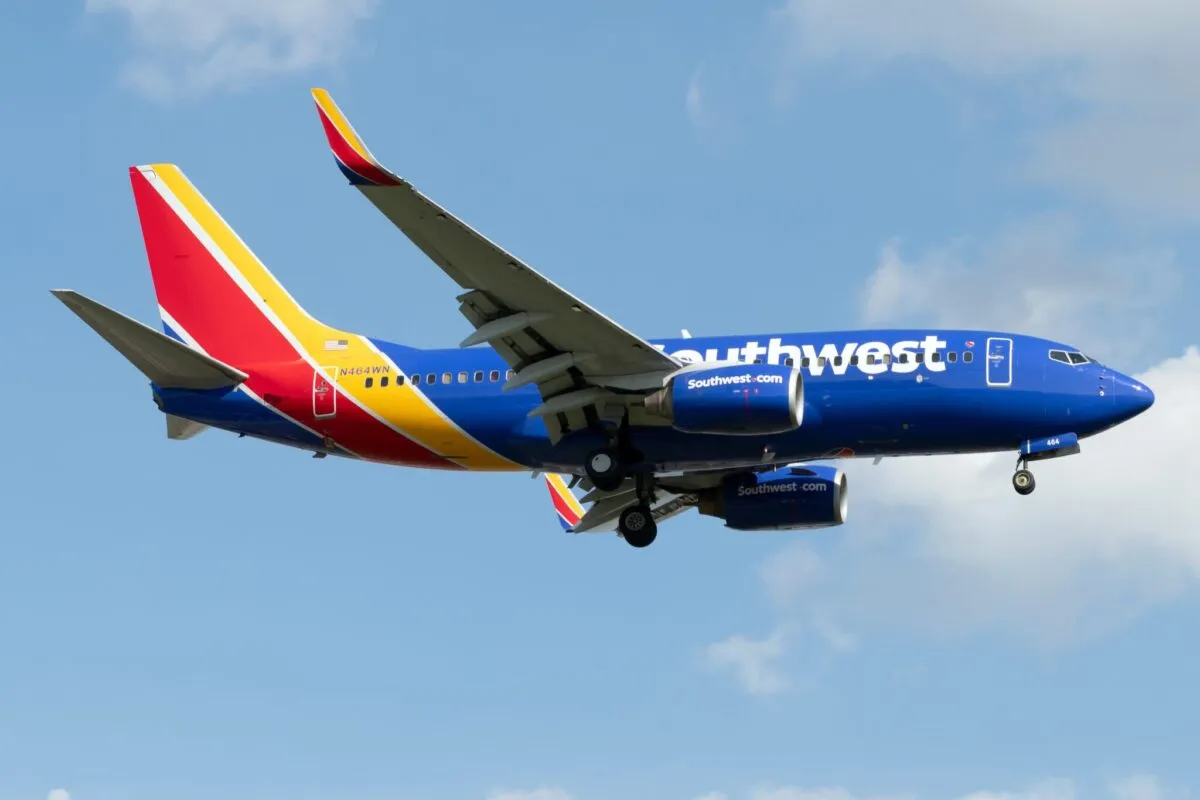
 Tatiana Tantri Indah Sari
 Hendra Ismail
 Walid Sujud Trenggono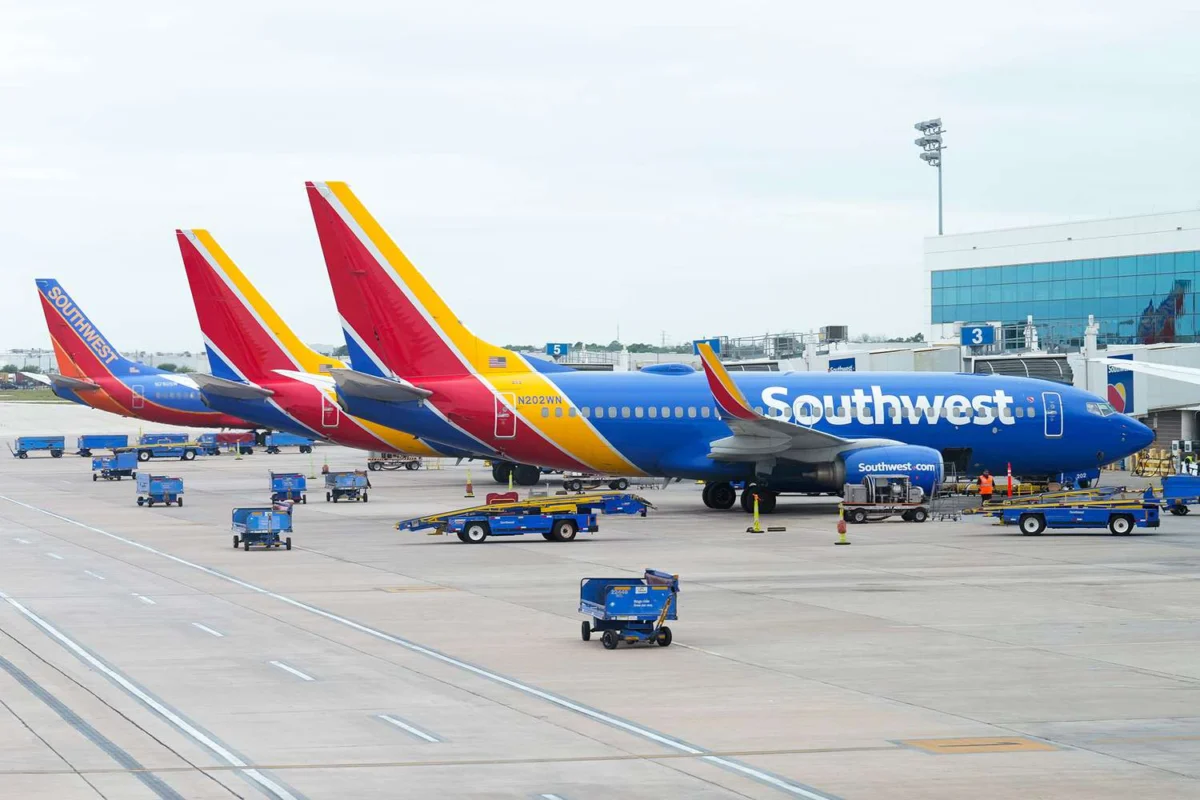
 Budi Mulyono