
 Budi Mulyono
The landscape of Southeast Asian luxury hospitality has undergone a profound transformation over the past decade, shifting away from massive, homogenous high-rise hotel chains toward intimate, hyper-localized boutique properties. Among the destinations benefiting from this traveler-driven evolution is the southern province of Krabi, Thailand. Following an intensive five-day itinerary through the mountainous northern territories of Chiang Mai, travelers frequently transition southward to experience the Andaman coastline’s distinct topography. It was within this context that a recent family travel report detailed a five-night stay at The Tubkaak Krabi Boutique Resort, providing a comprehensive case study in boutique hospitality, regional tourism economics, and the operational realities of shoulder-season travel in Thailand.

Geographical Context and Regional Infrastructure

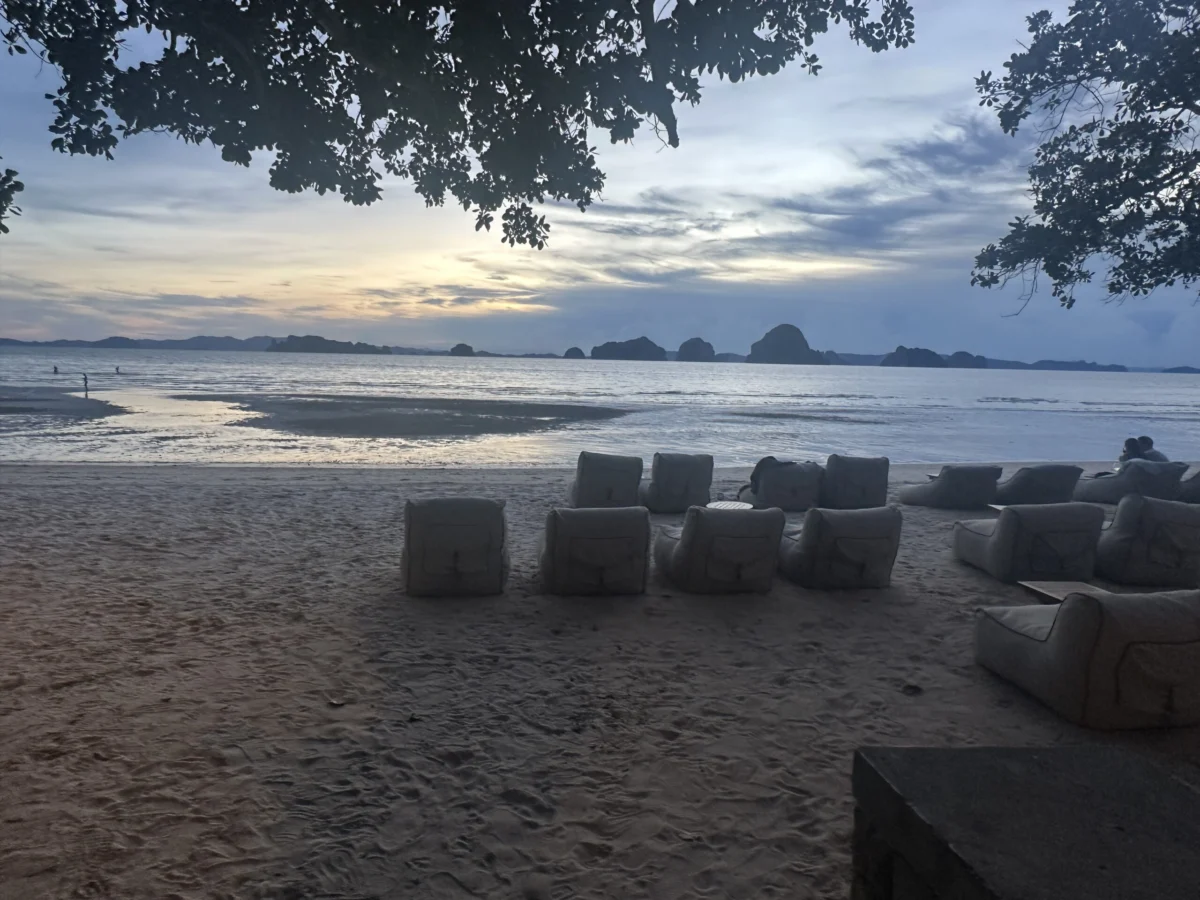
The Tubkaak Krabi Boutique Resort occupies a strategic yet secluded footprint along Tubkaek Beach, situated approximately 40 minutes by road from Krabi International Airport and a 20-minute drive northwest of Ao Nang, the region’s principal commercial beach hub. Unlike the dense concentration of resorts directly fronting Ao Nang Beach or Railay, Tubkaek Beach remains one of the least commercially developed stretches of coastline in mainland Krabi.

The resort’s positioning offers a distinct logistical dichotomy. On one hand, the property is isolated from any immediate commercial town center, requiring guests to rely on private transport, resort-arranged excursions, or app-based ride-sharing services such as Grab to access broader retail and dining infrastructure. On the other hand, the geographic isolation preserves the natural serenity of the environment, characterized by unobstructed views of the Hong Islands and dramatic limestone karst formations rising out of the Andaman Sea. According to local tourism boards, the preservation of these low-density coastal zones is a deliberate municipal strategy to balance ecological conservation with sustainable high-end tourism development.

Accommodations and Architectural Design

Spanning a considerable beachfront plot, The Tubkaak Krabi departs from traditional multi-story hotel architecture by adopting a low-rise bungalow layout. The property’s inventory is organized into clusters of four-room individual bungalows integrated carefully into the surrounding tropical flora and secondary jungle landscape. This architectural approach minimizes the visual impact of the built environment while maximizing natural airflow and privacy for guests.

During the evaluated stay, nightly rates averaged approximately $250 USD. While this figure sits considerably higher than the regional baseline for standard accommodations in Ao Nang—where mid-scale hotels frequently range from $50 to $100 per night—the pricing aligns with the boutique luxury tier in southern Thailand during transitional booking periods.

Interiors emphasize regional craftsmanship, natural woods, and locally sourced textiles. Standard amenities within these premium rooms reflect a high degree of operational foresight, including pre-packed beach accessories, integrated mosquito repellent solutions, and fully stocked complimentary refreshment centers. Bathroom facilities incorporate modern luxury fixtures alongside traditional outdoor rain showers, a hallmark of tropical Thai resort architecture designed to blend indoor comfort with the natural elements. Architectural choices extend to historical vernacular details, such as traditional heavy wooden security bars supplementing modern locking mechanisms, bridging regional design heritage with contemporary safety standards.

Property Grounds, Amenities, and Recreational Offerings

The resort grounds are defined by an intricate network of elevated wooden walkways and stone footpaths that weave through dense, manicured foliage, minimizing ground disturbance and protecting the root systems of mature trees. Central to the property’s recreational layout is a large, freeform swimming pool featuring an integrated cold-hydrotherapy whirlpool at its core.

Wellness infrastructure plays a pivotal role in the resort’s daily operations. The property houses a dedicated spa facility offering traditional Thai massage and holistic therapies, complementing the destination’s broader positioning as a wellness sanctuary. Additional recreational amenities include a 24-hour open-air library, complimentary paddleboarding equipment, and structured instructional classes covering traditional disciplines such as yoga and Muay Thai boxing.

The immediate beachfront serves as the primary focal point for guest activity. Unlike the congested boat docks of Ao Nang, Tubkaek Beach experiences lighter maritime traffic, though it remains accessible to traditional wooden longtail boats utilized for private island-hopping excursions to nearby marine parks, including Koh Hong and the Chicken Island archipelago. Natural phenomena, such as pronounced tidal shifts, regularly transform the shoreline, exposing expansive tidal flats at dusk that attract local marine life, including ghost crabs, which have become a notable ecological feature for visiting families and wildlife enthusiasts.

Gastronomic Operations and Culinary Programming

Food and beverage operations at The Tubkaak Krabi are anchored by two primary dining venues: The Arundina, a beachfront restaurant specializing in authentic Thai cuisine, and Di Mare, which focuses on Italian and Mediterranean seafood concepts.

Daily breakfast, included within standard room tariffs, is hosted at The Arundina, offering panoramic views of the Andaman Sea and the limestone islets. The culinary program is structured to balance international breakfast staples with traditional Asian and regional southern Thai dishes, including customized noodle soup stations. The resort also leverages its culinary team to provide experiential value-add programming, such as complimentary midday cooking demonstrations where guests can participate in preparing local delicacies like fresh spring rolls.

This emphasis on interactive culinary engagement reflects a broader trend in Thai tourism aimed at cultural education and guest immersion. Furthermore, the resort operates within an enclave model that permits guests to easily walk along the sand to access four to five independent dining establishments hosted by neighboring boutique properties, mitigating the constraints of the resort’s isolated location.

Service Culture and Operational Standards

A critical determinant of the resort’s sustained high ratings across international travel platforms is its organizational culture and service delivery model. Industry analysts frequently note that while physical infrastructure can be replicated through capital investment, consistent, highly personalized service requires rigorous staff training and employee retention strategies.

During periods of inclement weather, such as the regional monsoon season, operations pivot to accommodate guest comfort proactively. Hotel staff maintain strategically positioned umbrella stations throughout the property and provide direct logistical assistance for off-site travel. Notably, the resort operates under a service culture where tipping is neither customary nor expected, distinguishing it from Western hospitality norms and aligning with traditional Thai social etiquette. This approach fosters an egalitarian interaction model between guests and service personnel, contributing to high satisfaction metrics.

Broader Economic and Industry Implications

The commercial success and guest reception of boutique properties like The Tubkaak Krabi illustrate vital shifts in post-pandemic luxury travel demographics. High-net-worth travelers and families increasingly prioritize space, environmental integration, and cultural authenticity over standardized luxury brand recognition.

From an economic perspective, the concentration of high-yield tourism in non-urban coastal enclaves distributes revenue more broadly across regional supply chains, supporting local agricultural producers, maritime operators, and independent artisans. However, these properties also face distinct operational challenges, including the need to maintain delicate coastal ecosystems, manage seasonal occupancy fluctuations dictated by regional weather patterns, and balance the demand for modern digital connectivity with the desire for digital detox and seclusion.

Ultimately, the operational framework of The Tubkaak Krabi Boutique Resort demonstrates that careful architectural planning, stringent service standards, and a commitment to local integration can command premium pricing even in highly competitive regional markets. As the Thai tourism sector continues to adapt to changing global travel patterns, properties that successfully merge environmental stewardship with high-touch hospitality will likely remain benchmarks for regional development.


 Gabriela Annisa

 Lukman Taruna Persada Ramadan

 Tatiana Tantri Indah Sari

 Anjar Salim


 Dwi Wanna
