
 Walid Sujud Trenggono
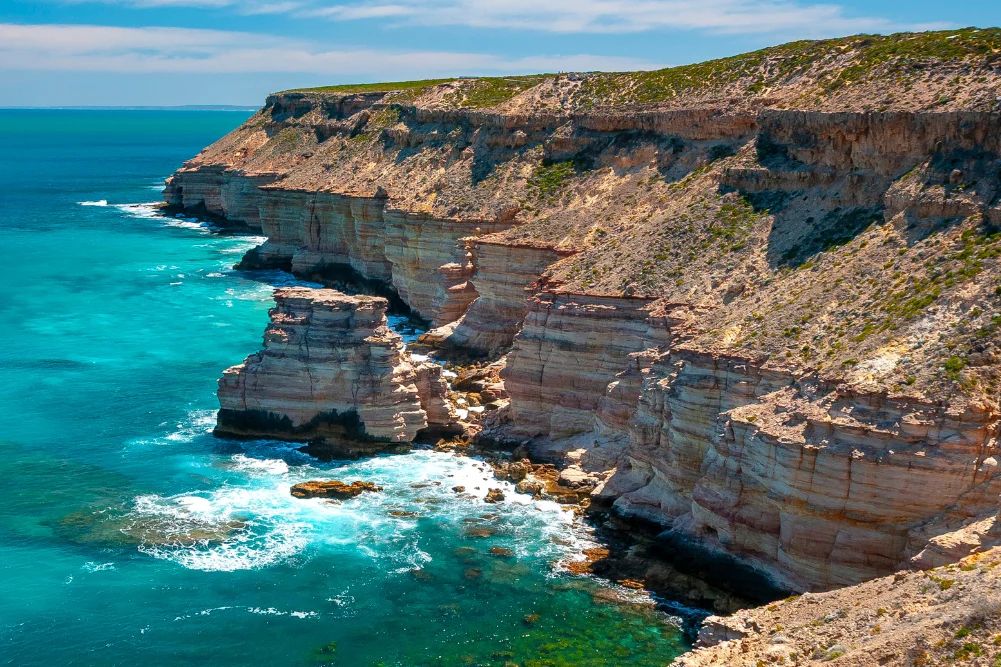
Western Australia’s Indian Ocean coastline represents one of the country’s most ecologically diverse and geographically striking touring corridors. Stretching north from Perth through the rolling pastoral lands of the Swan Coastal Plain to the rugged red gorges of Kalbarri, this 600-kilometer route merges maritime history, Indigenous Yued heritage, and globally significant natural phenomena. As regional tourism authorities report steady increases in drive-holiday itineraries, travelers increasingly seek out this corridor not merely as a transit lane, but as a destination defined by living ecosystems, marine biodiversity, and geological milestones dating back millions of years.
Main Facts and Geographical Overview
The journey begins approximately 55 kilometers north of Perth’s Central Business District, where the fully sealed Indian Ocean Drive branches off toward Yanchep. The designated coastal highway spans roughly 270 kilometers from Yanchep to Dongara, seamlessly connecting travelers to a string of coastal hamlets, national parks, and marine reserves.
Geologically, the region is characterized by a dynamic interplay between ancient limestone formations, coastal dune systems, and marine ecosystems nourished by the Leeuwin Current. This southward-flowing warm water current dictates the unusual marine biodiversity of the region, allowing tropical fish species to thrive alongside temperate marine life.
According to regional conservation and tourism data, the optimal window for exploration spans from July to October. During these cooler winter and early spring months, the landscape undergoes a dramatic transformation. The conclusion of the winter rains triggers a massive botanical bloom across the mid-west, featuring an estimated 12,000 wildflower varieties. Among these, the iconic everlasting daisies, wreath flowers, and various native orchids carpet the roadsides, wheat fields, and national park reserves. Furthermore, this period coincides with the annual humpback whale migration, during which thousands of cetaceans travel along the coast, frequently pausing in protected bays and sheltered island waters.
Chronology of Exploration and Settlement
The historical narrative of the Indian Ocean coast is deeply layered, beginning tens of thousands of years before European contact with the custodianship of the Yued people of the Noongar nation. Indigenous place names and oral traditions throughout the corridor—such as Wangaree (Lancelin, meaning "fish"), Cuencandjaa (Green Head, meaning "mouthful of sand"), and the vast mythological network of Wagyl, the rainbow serpent—provide profound cultural context to the landscape. According to Yued folklore, the monumental limestone spires of the Pinnacles and the winding courses of regional rivers were carved by Wagyl during the Dreamtime.
European interaction with the coastline dates back to the 17th century, marked largely by maritime disaster. Driven by fierce winds and inaccurate navigation charts, Dutch East India Company (VOC) vessels frequently met their end on the treacherous reefs fringing the mid-west coast.
The most famous of these tragedies include the wreck of the Vergulde Draeck (Gilt Dragon), which struck a reef near modern-day Green Head in 1656, laden with a fortune in silver coins. Decades later, other notable vessels fell victim to the hazards of the coast. These historical events left an enduring legacy of shipwrecks, mutinies, and survival narratives that are meticulously preserved today at institutions such as the Western Australian Museum in Geraldton.
In the modern era, the construction and subsequent sealing of the Indian Ocean Drive—completed to improve regional connectivity and boost tourism—transformed a series of isolated fishing settlements and mining outposts into accessible eco-adventure hubs.
Supporting Data and Ecological Significance
The corridor encompasses several distinct ecological zones, each supported by specific conservation frameworks managed by the Department of Biodiversity, Conservation and Attractions (DBCA).
- Marine Reserves and Sea Lions: Jurien Bay Marine Park protects an intricate network of limestone reefs, seagrass meadows, and offshore islands, including Buller Island, North Fisherman Island, and Essex Rocks. These isolated reserves support a breeding colony of approximately 800 Australian sea lions (Neophoca cinerea), one of the rarest pinniped species globally. Access to the breeding islands is strictly regulated to protect the population.
- Botanical Diversity: The Chapman Valley and surrounding agricultural districts host an astonishing concentration of flora. Botanists note that the region represents one of the world’s premier biodiversity hotspots, featuring specialized endemic species such as the rare Queen of Sheba orchid and native banksias that sustain local fauna, including the nocturnal honey possum (Tarsipes rostratus).
- Geological Formations: Nambung National Park, home to the Pinnacles Desert, receives hundreds of thousands of visitors annually. The limestone pillars, some standing up to four meters tall, were formed over millennia through the accumulation of sea shells in ancient coastal dunes, followed by weathering and the leaching of lime.
Official Responses and Regional Infrastructure
Local governments and tourism bodies, including Australia’s Coral Coast tourism region, have increasingly emphasized sustainable tourism practices to balance visitor numbers with environmental preservation. Investments in infrastructure have prioritized low-impact facilities, such as boardwalks in Nambung National Park and the engineering marvel of the Kalbarri Skywalks—two cantilevered viewing platforms suspended 100 meters above the Murchison River gorge, designed to minimize ground disturbance while maximizing visitor safety and engagement.
Local hospitality operators have similarly adapted to the demands of modern travelers. Establishments such as Finlays in Kalbarri have transitioned from rustic fish-and-chip operations into sophisticated venues pairing locally sourced seafood—such as Shark Bay scallops and crimson snapper—with on-site micro-breweries. Concurrently, accommodation providers ranging from luxury pool villas in Kalbarri to off-grid bush campsites at conservation-focused farmstays near Jurien Bay reflect a growing emphasis on authentic, place-based hospitality.
Broader Impact and Economic Implications
The ongoing development of the Indian Ocean Drive corridor as a premier self-drive destination carries significant economic implications for regional Western Australia. By dispersing travelers away from Perth into smaller coastal hamlets like Lancelin, Cervantes, Green Head, and Leeman, tourism expenditure helps stabilize local economies traditionally reliant on rock lobster fishing, agriculture, and mining.
However, this economic growth presents inherent challenges. Managing visitor footprints in fragile ecosystems—such as the dune systems prone to erosion from motorized recreation, and the delicate underwater environments impacted by snorkeling and diving—requires continuous monitoring and active management by state agencies. Conservationists emphasize that protecting the region’s natural capital, from the ancient stromatolites of Lake Thetis to the vulnerable sea lion colonies of Jurien Bay, remains paramount to ensuring the long-term viability of the tourism sector.
Ultimately, a road trip along Western Australia’s northern coastline offers a profound encounter with deep time and dynamic natural forces. Whether traversing the subterranean passages of Stockyard Gully Cave, observing the chromatic shifts of the hyper-saline Hutt Lagoon, or standing on the precipice of the Murchison Gorge, travelers bear witness to a landscape where nature’s raw elements remain defiantly intact.


 Tatiana Tantri Indah Sari

 Dwi Wanna

 Anjar Salim

 Lukman Taruna Persada Ramadan


 Budi Mulyono
