
 Susilo Edi Turonggo
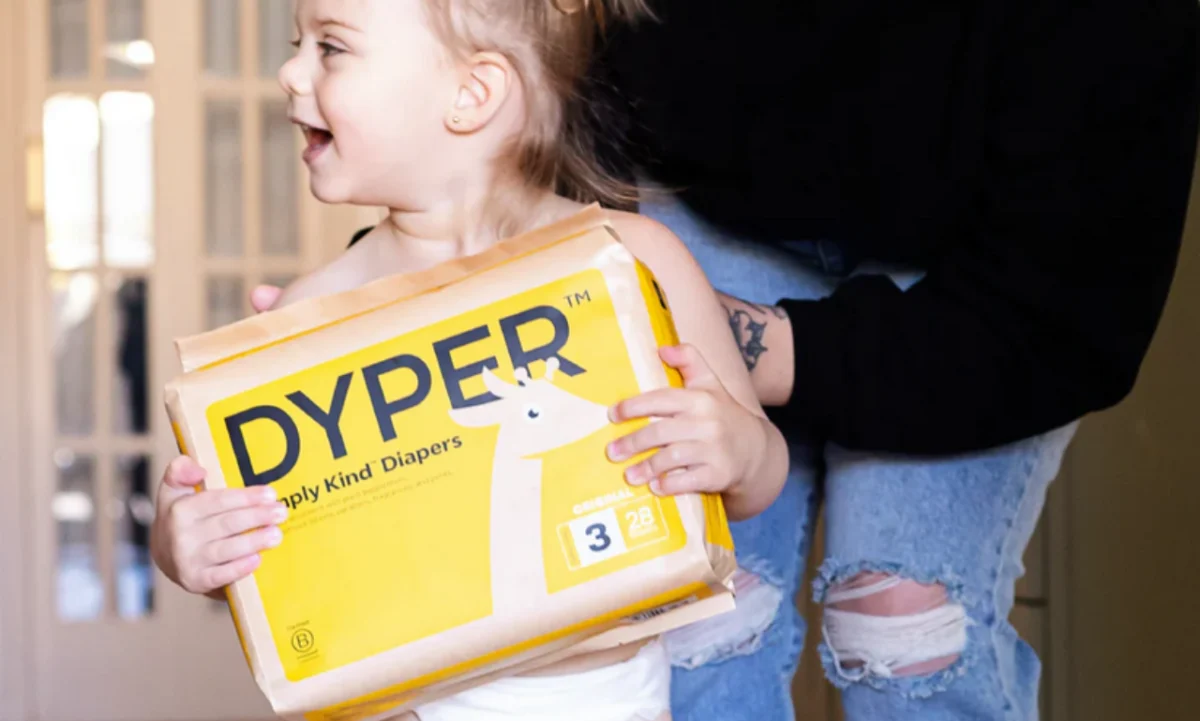
The traditional diaper industry has long been defined by a fundamental environmental and health-related paradox: parents require a reliable, high-performance product for their infants, yet the standard disposable diaper is a significant contributor to municipal solid waste and may harbor hidden chemical risks. In the United States alone, infants will utilize approximately 6,000 diapers during their first two years of life, resulting in a staggering volume of non-biodegradable waste that persists in landfills for centuries. As consumer awareness regarding chemical exposure and environmental sustainability grows, a new segment of the market—led by companies such as Dyper—is attempting to reconcile the need for modern convenience with the imperative of ecological responsibility.
The Scale of the Waste Crisis
The environmental impact of disposable diapers is extensive. According to data from the Environmental Protection Agency (EPA), millions of tons of disposable diapers are discarded annually in the United States. These items are typically composed of a combination of wood pulp, super-absorbent polymers (SAP), and various plastics such as polyethylene and polypropylene. Because these materials are designed for durability and moisture retention, they do not decompose effectively in a landfill environment.
Beyond the sheer volume of solid waste, there is a mounting concern regarding the "hidden" components of single-use diapers. Unlike the strict regulations governing food or pharmaceutical products, the baby care industry faces relatively loose oversight regarding the disclosure of chemical additives. The Consumer Product Safety Commission (CPSC) mandate currently requires that diapers be tested for lead; however, manufacturers are not compelled to disclose the full profile of fragrances, dyes, or processing chemicals used in the manufacturing process. This regulatory gap has prompted independent researchers to investigate the presence of potential endocrine-disrupting chemicals (EDCs), phthalates, and volatile organic compounds (VOCs) that may be linked to acute skin irritation or, in more severe long-term studies, reproductive health complications.
A Chronology of Industry Innovation
The inception of the plant-based diaper movement was driven by an intersection of parental observation and engineering precision. Tony Patron, an engineer and entrepreneur, recognized the logistical burden of the standard diaper model when he observed the sheer volume of plastic waste accumulating in his own household. This initial frustration acted as a catalyst for a broader market shift.

Patron’s journey toward the founding of Dyper began with a mission to create a product that matched the performance standards of traditional brands—absorbency, fit, and leakage protection—while prioritizing biodegradable materials. The company’s development timeline focused on securing sustainable supply chains, specifically sourcing FSC-certified bamboo and eucalyptus fibers. By replacing traditional petroleum-based plastics with these plant-based alternatives, the product team aimed to minimize the environmental footprint of each unit.
By 2019 and 2020, as the brand scaled its operations, it expanded its scope to address the "end-of-life" stage of the product. The introduction of the REDYPER program marked a significant departure from standard industry practices. By partnering with regional composting facilities, the organization created a specialized waste stream that allows for the breakdown of compostable components within a 14- to 16-week window. This service addresses the primary criticism of "green" products: that their environmental benefits are negated if they still end up in a landfill.
Data-Driven Standards and Material Transparency
The move toward transparency in the diaper sector is supported by third-party certifications, which provide a objective baseline for consumers. Modern manufacturers in the sustainable space frequently utilize the Oeko-Tex Standard 100, which confirms that textile products are free from harmful substances. Additionally, the DermaTest 5-Star certification has become a benchmark for assessing skin compatibility, ensuring that products are dermatologically safe for infants with sensitive skin.
From a material science perspective, the shift is significant. Traditional diapers rely heavily on plastic backsheets and elastic components that are notoriously difficult to recycle. Newer alternatives, such as those produced by Dyper, utilize viscose bamboo and other cellulose-based fibers. While certain components—such as the mechanical fasteners (velcro) or the elastic bands—remain difficult to source in a fully biodegradable format due to current limitations in material science, the industry trend is moving toward maximizing the "bio-preferred" percentage of the product. The current USDA BioPreferred certification levels (55% for diapers and 95% for wipes) represent a measurable improvement over conventional products that contain negligible renewable content.
Official Responses and Industry Implications
The success of companies emphasizing plant-based, compostable alternatives has forced larger, legacy manufacturers to re-evaluate their portfolios. While industry giants have historically relied on the cost-efficiency of plastic, the market share captured by eco-conscious brands suggests a shift in consumer demand.
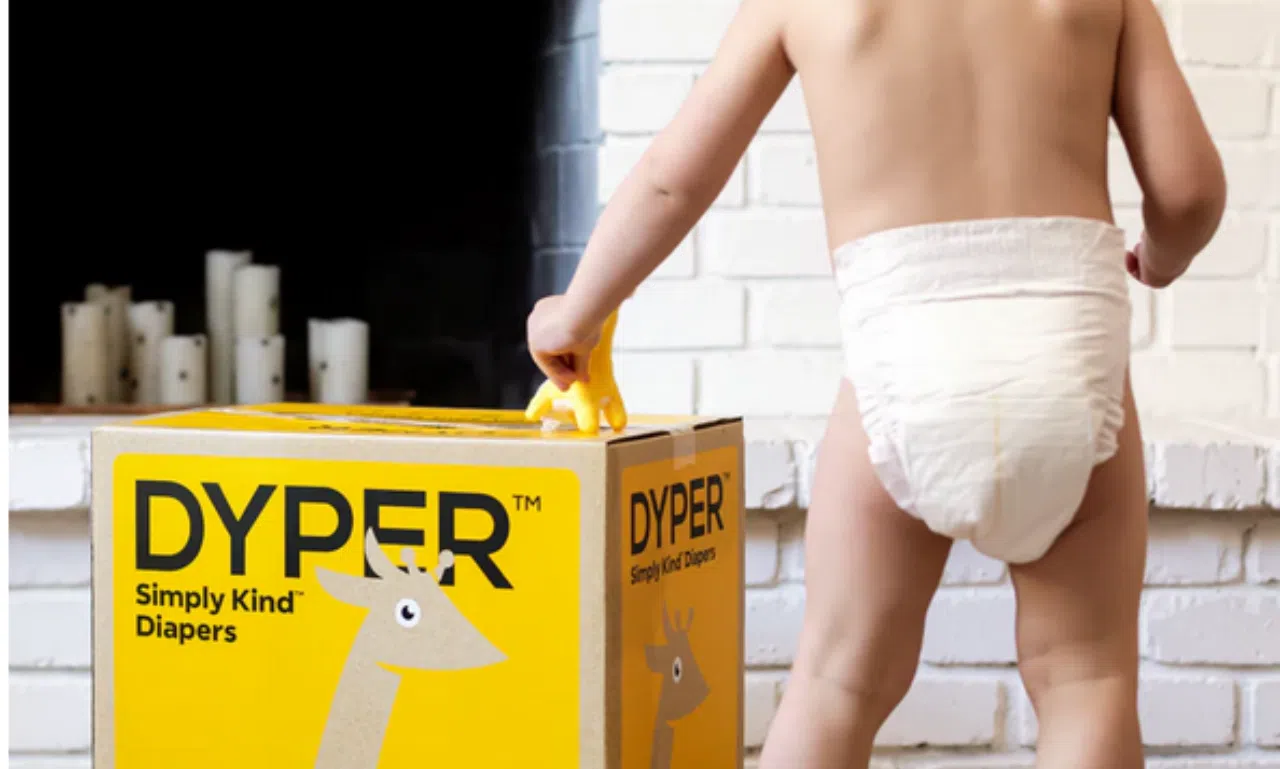
In statements regarding their operational philosophy, representatives for these sustainable firms emphasize that the goal is not to compromise on performance. "Our objective is to provide a diaper that performs equally to any other diaper on the market in terms of absorbency, fit, and comfort, and ensuring that we don’t have any skin irritation," says Patron. This focus on parity is essential; in the competitive baby care sector, a product that fails to prevent leaks is unlikely to be adopted, regardless of its environmental credentials.
Broader Environmental and Economic Impact
The broader implications of this shift are twofold. First, there is the immediate reduction in landfill waste. With programs like REDYPER having reportedly diverted over 14 million pounds of waste from landfills, the impact of localized composting initiatives becomes evident. When diapers are processed in industrial composting facilities, the organic material is diverted from methane-producing landfill environments, potentially reducing the greenhouse gas footprint of child-rearing.
Second, there is the economic impact of the "subscription model." By bypassing traditional retail channels and offering direct-to-consumer delivery, companies can maintain tighter control over their inventory and reduce the carbon footprint associated with multiple layers of supply chain distribution. This model also allows for the integration of waste-collection services, creating a circular economy loop that is difficult to implement through traditional big-box retail.
Future Outlook
The trajectory of the diaper industry appears to be moving toward a mandatory disclosure of ingredients and a heightened reliance on plant-based materials. As government bodies continue to examine the safety profile of disposable hygiene products, it is likely that voluntary standards currently held by companies like Dyper will eventually become the baseline for the entire industry.
For the modern parent, the choices are becoming more informed. The availability of third-party lab testing, detailed ingredient labeling, and sustainable disposal options provides a path to mitigate the environmental and health risks associated with the traditional diaper model. While the transition from plastic to plants involves significant logistical challenges—particularly in scaling composting infrastructure—the progress made over the last few years suggests that the industry is at a pivotal point. As material science continues to evolve, the prospect of a fully compostable, high-performance diaper is moving from a niche aspiration to a standard consumer expectation. By choosing products that prioritize transparency and ecological stewardship, consumers are not only ensuring the health of their infants but are also influencing the manufacturing standards of one of the world’s largest consumer goods sectors.



 Gabriela Annisa

 Lukman Taruna Persada Ramadan

 Tatiana Tantri Indah Sari

 Anjar Salim


 Dwi Wanna
