
 Tatiana Tantri Indah Sari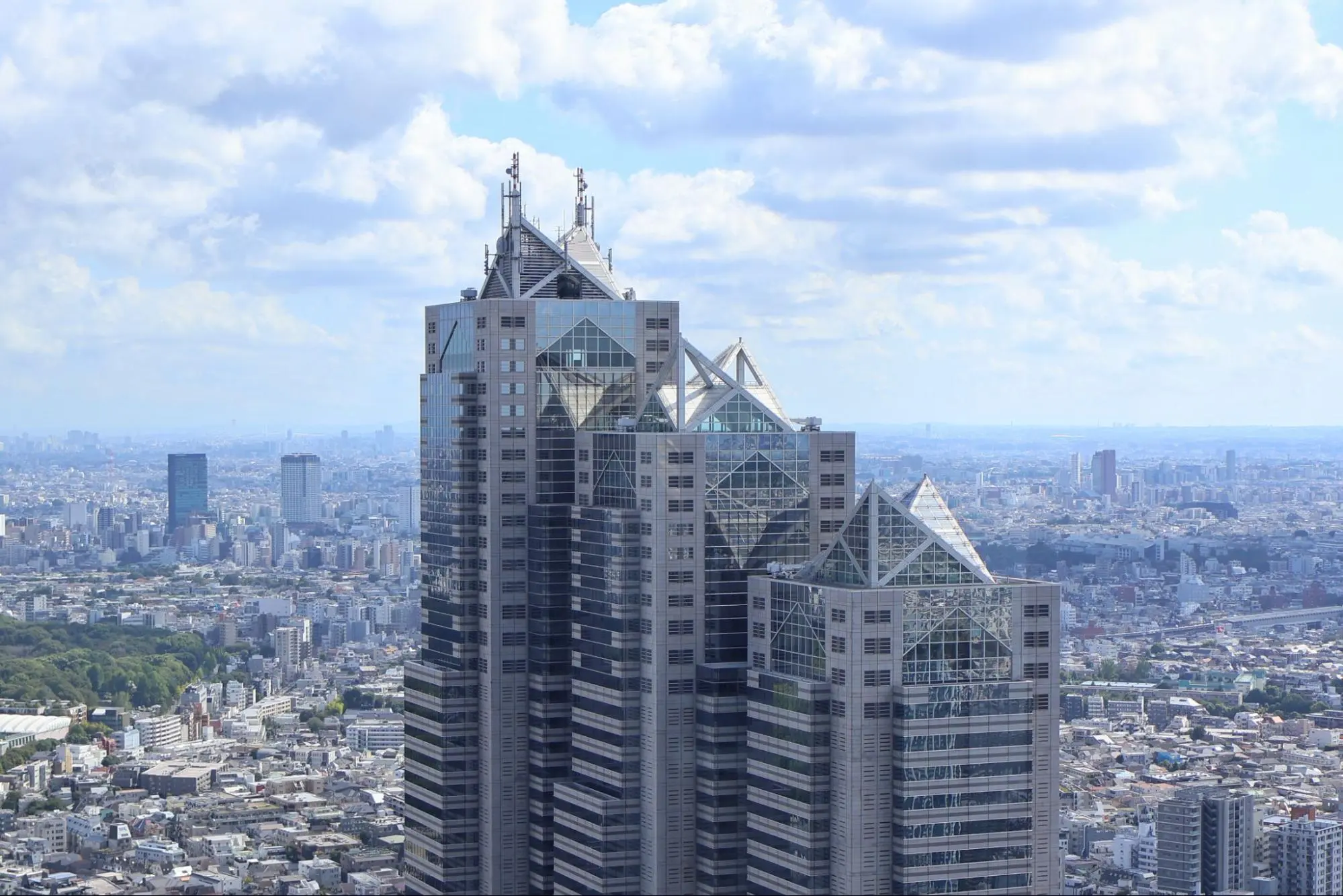
For many, the Park Hyatt Tokyo has served as an urban haven, a consistent anchor in a city defined by constant evolution. Guests often report returning scores of times over a decade and a half, celebrating significant life milestones such as birthdays, hosting a diverse array of friends and family, and frequenting its celebrated dining establishments, most notably the New York Grill, with remarkable regularity. This sustained engagement fosters a unique dynamic: hotel staff progressively deepen their understanding of individual guest preferences, leading to an increasingly anticipatory, subtle, and nuanced form of hospitality. Concurrently, guests develop an intimate familiarity with the building itself—its inherent rhythms, distinctive atmospherics, and peculiar charming details. Such insights might include the faint, almost imperceptible currents of wind that traverse the elevator shafts, or the sight of black Japanese crows soaring and cawing in the thermal updrafts visible from the 47th floor. Experienced patrons often learn the specific side of the building to request rooms offering optimal winter views of Mount Fuji, or recognize the distinctive bronzed wristwatch sculpture gracing its premises, among countless other subtle identifiers.
An Architectural Masterpiece and Cultural Icon
The Park Hyatt Tokyo, which officially opened its doors on July 9, 1994, is situated on the upper 14 floors of the 52-story Shinjuku Park Tower, a striking postmodern skyscraper designed by the acclaimed architect Kenzo Tange. Tange, a Pritzker Prize laureate, is celebrated for his blend of traditional Japanese aesthetics with modernism, and the Shinjuku Park Tower stands as a testament to his vision, characterized by its distinctive triangular silhouette and stone-and-glass facade. The hotel itself, with its interiors meticulously crafted by American designer John Morford, was conceived as an urban sanctuary, offering panoramic views of Tokyo and Mount Fuji from its elevated perch.
Morford’s design philosophy for the Park Hyatt Tokyo emphasized a residential feel, utilizing natural materials like wood, stone, and bamboo, alongside an extensive collection of art. This approach eschewed the typical opulent grandeur of many luxury hotels, opting instead for a sophisticated, understated elegance that promotes a sense of calm and intimacy. The 177 rooms and suites, including 159 guest rooms and 18 suites, are spacious by Tokyo standards, each featuring large windows that frame the city’s dynamic skyline.
Beyond its architectural and design merits, the Park Hyatt Tokyo cemented its status as a global cultural icon with the release of Sofia Coppola’s 2003 film, "Lost in Translation." The movie, largely set within the hotel’s luxurious confines, depicted the nuanced relationship between two Americans, Bob Harris (Bill Murray) and Charlotte (Scarlett Johansson), finding solace and connection amidst the bewildering yet captivating backdrop of Tokyo. The film’s critical acclaim and commercial success brought the Park Hyatt Tokyo international recognition, making it a pilgrimage site for cinephiles and luxury travelers alike. Its New York Bar, with its live jazz music and breathtaking city views, became instantly recognizable, drawing visitors who sought to recreate scenes from the movie or simply bask in its celebrated ambiance.
The Evolution of Luxury Hospitality in Tokyo
When the Park Hyatt Tokyo first opened in 1994, it entered a burgeoning luxury hospitality market in Japan, which was then experiencing an economic boom. The early 2000s, particularly after the impact of "Lost in Translation," saw a steady increase in international tourism to Tokyo. By 2008, the year of the aforementioned initial booking, Japan was already a recognized destination for discerning travelers, though its true tourism boom was yet to fully materialize.
The intervening years have witnessed a dramatic transformation of Tokyo’s luxury hotel landscape. While the Park Hyatt Tokyo remained a steadfast benchmark for unparalleled service and sophisticated design, new competitors emerged, including properties from global brands such as The Ritz-Carlton, Mandarin Oriental, and Aman, each vying for a share of the high-end market. More recently, brands like Hoshinoya and Bulgari have further diversified the ultra-luxury segment, offering distinct experiences that cater to an increasingly segmented clientele.
Despite this heightened competition, the Park Hyatt Tokyo has maintained its revered position, largely due to its consistent commitment to bespoke service and its timeless appeal. Industry analysts frequently highlight that while newer hotels may boast more contemporary amenities or design trends, the Park Hyatt Tokyo offers an intangible quality—a sense of established history, profound character, and deeply ingrained service culture that is difficult to replicate.
The Art of Anticipatory Hospitality
The cultivation of deep guest relationships, as described in the introductory anecdote, is a hallmark of truly exceptional luxury hospitality. This level of service moves beyond mere efficiency or politeness, entering the realm of anticipatory hospitality, where staff not only meet but often foresee guest needs and preferences. This is achieved through meticulous training, a strong institutional memory, and a genuine commitment to guest satisfaction.
Hotel management often emphasizes that building such rapport requires significant investment in human capital. Staff members are empowered to observe, learn, and subtly adapt their service delivery based on individual guest profiles. For a guest returning "nearly 50 times," this translates into a personalized experience where, for instance, preferred beverages are ready upon arrival, specific dietary restrictions are remembered without prompting, or favored table locations in the New York Grill are anticipated. This deepens the guest’s sense of belonging and recognition, transforming a hotel stay into a highly personal and memorable encounter.
Such sophisticated service is not accidental; it is the product of rigorous operational protocols and a culture that prioritizes discreet attentiveness. Training programs at luxury establishments like the Park Hyatt Tokyo often focus on emotional intelligence, cross-cultural communication, and meticulous attention to detail. This enables staff to discern subtle cues from guests, whether it’s a preference for a particular type of tea, an interest in local art, or a need for quiet solitude.
Economic and Cultural Implications
The enduring appeal of the Park Hyatt Tokyo has significant economic and cultural implications. From an economic standpoint, hotels of its caliber attract high-spending international tourists, contributing substantially to Tokyo’s tourism revenue. These guests often engage in luxury retail, fine dining, and cultural experiences, thereby supporting a broader ecosystem of high-end services. The sustained loyalty of patrons, as illustrated by the decades-long relationships, ensures a stable base of repeat business, mitigating the fluctuations that can affect other segments of the tourism industry.
Culturally, the Park Hyatt Tokyo serves as an ambassador for Japanese hospitality on a global stage. Its blend of international luxury standards with an underlying respect for Japanese aesthetics and service principles offers visitors a unique and authentic experience. The hotel’s international recognition, particularly through "Lost in Translation," has also played a role in shaping global perceptions of Tokyo as a sophisticated, intriguing, and accessible destination for luxury travel.
Furthermore, the hotel’s meticulous design, art collection, and emphasis on tranquility offer a counterpoint to the frenetic energy of Tokyo. It provides a space for reflection and appreciation of subtle beauty, embodying a certain "Tokyo sensibility" that resonates with many. This cultural resonance contributes to its lasting legacy, making it more than just a place to stay, but a destination in itself.
The Future of an Icon
As Tokyo continues to evolve, hosting major international events and attracting an ever-increasing number of tourists, the Park Hyatt Tokyo faces the ongoing challenge of maintaining its iconic status amidst a dynamically competitive landscape. Future considerations for such an esteemed establishment often revolve around balancing tradition with innovation. This could involve periodic renovations to update amenities while preserving its classic design ethos, or integrating new technologies to enhance the guest experience without compromising its human-centric service model.
The hotel’s ability to continue fostering such deep, personal connections with its guests will undoubtedly be key to its sustained success. In an age where digital interactions often dominate, the value of genuine, personalized human connection in luxury service becomes even more pronounced. The anecdotal evidence of guests developing intimate knowledge of the building’s "rhythms, atmospherics and peculiarities" and forming lasting relationships with its staff underscores the profound impact a truly exceptional hotel can have. It transforms a transaction into a cherished experience, cementing the Park Hyatt Tokyo’s position not just as a landmark, but as a living testament to the enduring power of world-class hospitality.



 Anjar Salim
 Chandra Hamzah
 Budi Mulyono
 Lukman Taruna Persada Ramadan
