
 Tatiana Tantri Indah Sari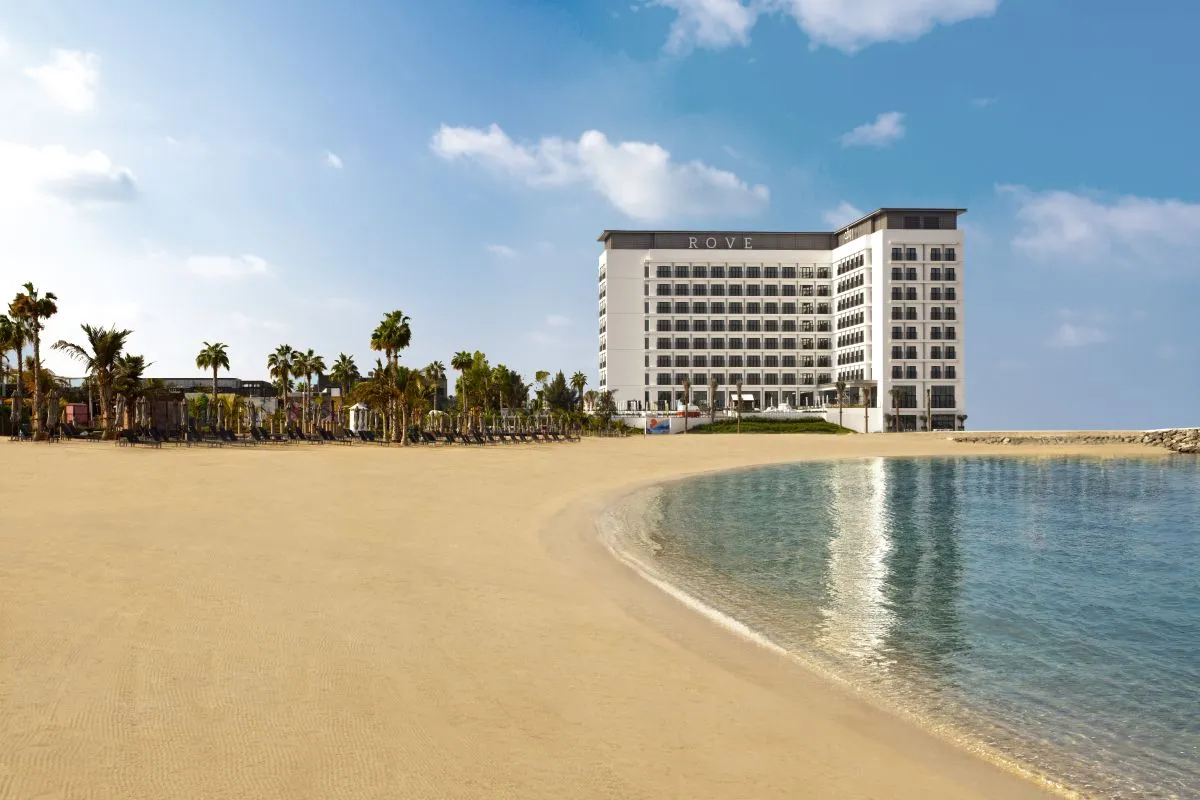
Rove Hotels, the distinctive Dubai-born mid-scale lifestyle brand, is embarking on an ambitious expansion strategy across the Arabian Gulf, aiming to more than double its existing portfolio within the next five years. This significant growth trajectory places Saudi Arabia at the forefront of its immediate priorities, a strategic move designed to capitalize on and address the Kingdom’s pronounced structural shortage of mid-tier accommodation, which is projected to become acutely critical with the upcoming pipeline of global mega-events, including Expo 2030 and the FIFA World Cup 2034. The brand’s proactive entry into this underserved market segment signals a pivotal shift in the Kingdom’s hospitality landscape, traditionally dominated by luxury offerings, and underscores a broader industry recognition of the immense potential within the accessible lifestyle sector.
Paul Bridger, Chief Operating Officer at Rove Hotels, articulated the brand’s strategic vision during an exclusive interview with Skift at the Future Hospitality Summit held recently in Riyadh. Bridger highlighted Rove’s current operational footprint, which comprises just over 4,000 keys across its properties in Dubai. Beyond this established base, the brand has nearly 6,000 additional keys under various stages of development, spread across key regional markets that include Saudi Arabia, Oman, and Egypt. This aggressive development pipeline underscores a clear intent to transcend its Dubai origins and firmly establish itself as a formidable regional player in the burgeoning Middle Eastern hospitality sector.
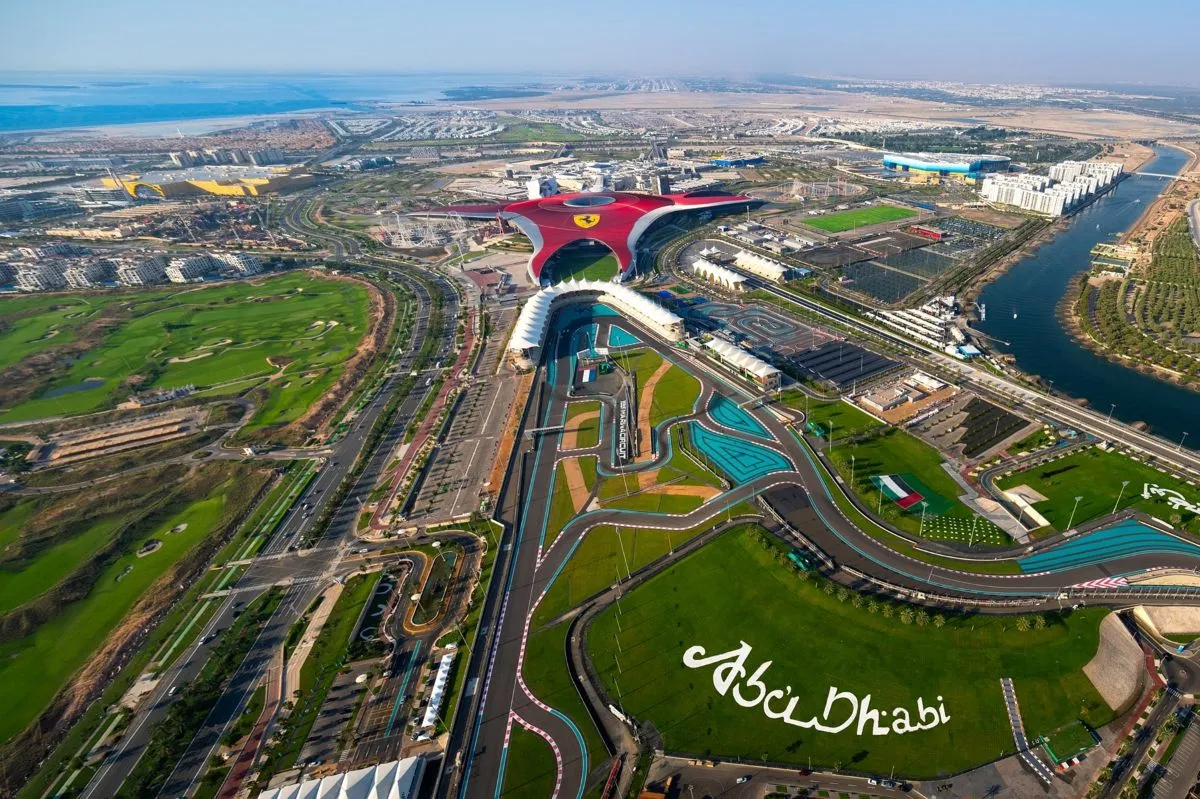
"We are actively working on being a regional player. We’ve announced two projects in Riyadh, we’ll announce more this year," Bridger stated, emphasizing the urgency and strategic focus. He further elaborated on the sequential market entry strategy within Saudi Arabia: "Our priority was to get Riyadh over the line first, then Jeddah, and then the Holy Cities are next on the list. Abu Dhabi is also a key market for us." This phased approach reflects a calculated understanding of the diverse demands and opportunities presented by Saudi Arabia’s principal urban centers and its significant religious tourism sector.
Addressing Saudi Arabia’s Hospitality Imbalance: Luxury-Heavy, Mid-Scale Light
The Kingdom of Saudi Arabia is currently undergoing an unprecedented economic and social transformation under its ambitious Vision 2030 framework. A cornerstone of this vision is the dramatic expansion of its tourism sector, with targets set to attract 100 million annual visitors by 2030, and an even more ambitious 150 million by 2034. To facilitate this, the Saudi government has initiated an array of colossal giga-projects, including NEOM, The Red Sea Project, Qiddiya, and Diriyah Gate, alongside extensive infrastructure development. While these projects are undeniably transformative and have garnered global attention, many are fundamentally geared towards ultra-luxury and high-end tourism, creating a significant imbalance in the overall accommodation ecosystem.
This focus on the opulent end of the market has inadvertently led to a substantial and growing deficit in mid-tier properties. As Bridger succinctly put it, "There’s a big shortage of mid-tier properties in Saudi Arabia, particularly a lifestyle offering." The existing hospitality landscape, while impressive in its luxury offerings, struggles to cater to the diverse needs of a rapidly expanding visitor base that will encompass business travelers, families, cultural tourists, and event attendees seeking quality accommodation at an accessible price point. The "luxury-heavy, mid-scale light" characterization accurately captures this critical market void that Rove Hotels is strategically positioning itself to fill.
Industry analysis consistently supports this assessment. Recent reports by leading hospitality consultancies, such as Colliers International and STR, have frequently highlighted the disparity. For instance, while Saudi Arabia has seen a surge in proposed and under-construction five-star hotels, the pipeline for three- and four-star properties, especially those with a contemporary lifestyle focus, remains comparatively thin relative to projected demand. This gap is particularly pronounced in major urban centers like Riyadh and Jeddah, which are not only business hubs but also increasingly becoming magnets for leisure and event tourism. For instance, according to a 2023 report by Knight Frank, the current hospitality pipeline in Riyadh shows a disproportionate concentration of luxury and upper-upscale properties, with mid-scale and economy segments significantly underrepresented despite strong demand indicators. This imbalance creates an opportune environment for brands like Rove to establish a strong foothold.
The Mega-Event Catalyst: Expo 2030 and FIFA World Cup 2034
The urgency for diversified accommodation in Saudi Arabia is amplified by its successful bids to host two of the world’s most significant international events: the World Expo 2030 in Riyadh and the FIFA World Cup 2034. These events are poised to unleash an unprecedented wave of international visitors, workers, and participants, placing immense pressure on the existing infrastructure, particularly the hospitality sector.
Riyadh Expo 2030, themed "The Era of Change: Together for a Foresighted Tomorrow," is projected to attract an astounding 40 million visitors over its six-month duration. This figure includes international delegates, exhibitors, business travelers, and tourists from across the globe. The sheer volume of this influx necessitates a vast and varied accommodation portfolio, capable of catering to different budgets and preferences. While luxury hotels will undoubtedly host VIPs and high-net-worth individuals, the vast majority of visitors, including families, young professionals, and cultural enthusiasts, will seek comfortable, well-located, and reasonably priced mid-scale options. Without an adequate supply of such properties, the visitor experience could be compromised, and the Kingdom’s ability to maximize the economic benefits of the Expo could be hampered. The Riyadh Expo 2030 master plan, unveiled in late 2023, emphasizes sustainability and innovation, attracting a global audience keen on discovery and networking, for whom a vibrant, affordable stay will be crucial.
Following closely on the heels of Expo 2030, Saudi Arabia is set to host the FIFA World Cup 2034, a monumental sporting spectacle that draws hundreds of thousands of fans, media personnel, and official delegations from every corner of the planet. While specific host cities are yet to be finalized, it is highly probable that Riyadh, Jeddah, and potentially other major cities will serve as key venues. The World Cup typically lasts for approximately a month, but the preparatory phase and post-event activities extend its impact significantly. The demand for accommodation during such a peak period is astronomical, often leading to price surges and shortages even in markets with robust hospitality infrastructure. For Saudi Arabia, with its current mid-scale deficit, the challenge is particularly acute. The World Cup will attract a demographic that prioritizes value, convenience, and a vibrant atmosphere – precisely the niche that lifestyle mid-scale brands like Rove are designed to serve. The experience of Qatar hosting the 2022 World Cup highlighted the immense logistical and accommodation challenges, even for a smaller nation with considerable preparation. Saudi Arabia, with its larger scale and more aggressive tourism targets, faces an even greater imperative to diversify its lodging options.
Rove Hotels: A Deep Dive into its Brand and Strategy
Rove Hotels, a joint venture between Meraas and Emaar Properties, two of Dubai’s most prominent developers, launched its first property in 2016. The brand was conceived to fill a perceived gap in Dubai’s then-burgeoning market for modern, affordable, and design-led hotels. Its ethos revolves around providing a smart, fuss-free, and culturally connected experience for the "new generation of traveler." This includes features like co-working spaces, 24-hour convenience stores, self-service laundromats, fitness centers, and thoughtfully designed rooms equipped with smart technology. These elements resonate strongly with millennials, Gen Z travelers, and business professionals who seek efficiency, connectivity, and a sense of community without the prohibitive price tag of luxury establishments.
The success of Rove in Dubai, where it has cultivated a strong following and achieved impressive occupancy rates, provides a robust blueprint for its expansion into Saudi Arabia. Its existing 4,000 keys in Dubai are spread across various strategic locations, including downtown, City Walk, La Mer, Dubai Parks and Resorts, and the iconic Rove Expo 2020 hotel, which successfully accommodated visitors during the recent world fair. This proven track record demonstrates Rove’s capability to operate effectively in dynamic, event-driven environments and cater to a diverse international clientele. For instance, the Rove Expo 2020 hotel, built specifically for the event, reported high occupancy throughout its operational period, showcasing the brand’s adaptability and appeal to event-goers seeking convenience and modern amenities.
The brand’s expansion plan for Saudi Arabia is meticulously structured. The initial focus on Riyadh is logical, given its status as the capital, primary business hub, and host city for Expo 2030. The announced projects in Riyadh are expected to cater to both corporate travelers attending conventions and business meetings, as well as tourists exploring the city’s burgeoning cultural and entertainment offerings. Riyadh’s transformation includes the development of multiple business districts, entertainment zones like Boulevard Riyadh City, and cultural institutions, all of which generate significant demand for diverse accommodation. Following Riyadh, Jeddah, the Kingdom’s major port city and commercial gateway, presents another compelling opportunity. Jeddah is not only a significant economic center but also a crucial transit point for pilgrims heading to the Holy Cities of Makkah and Madinah. Its Red Sea coastline is also being developed for leisure tourism, further broadening its appeal.
The inclusion of the "Holy Cities" – Makkah and Madinah – in Rove’s future plans is particularly noteworthy. While religious tourism has historically been dominated by budget and luxury hotels catering to pilgrims, there is a growing demand for mid-scale, contemporary options that offer modern amenities and a comfortable stay without being overly extravagant. As Saudi Arabia seeks to diversify its pilgrim experience and attract a wider range of visitors for Umrah and Hajj, brands like Rove could play a crucial role in enhancing the overall hospitality infrastructure in these sacred destinations. The Ministry of Hajj and Umrah has indicated plans to increase pilgrim capacity significantly, making diversified and accessible accommodation a necessity.
Economic Implications and Market Dynamics
The investment by Rove Hotels and similar brands into Saudi Arabia’s mid-scale segment carries significant economic implications. Firstly, it directly contributes to the Vision 2030 goal of diversifying the national economy away from oil, by bolstering the tourism and hospitality sectors. The development of new hotels translates into substantial job creation, not only in direct hospitality roles but also across related industries such as construction, F&B, retail, and local supply chains. This localized economic stimulus is vital for sustainable growth. Reports from the World Travel & Tourism Council (WTTC) consistently highlight the multiplier effect of tourism investment on GDP and employment, a factor keenly understood by Saudi policymakers.
Secondly, a robust mid-scale offering helps to democratize tourism. By providing quality accommodation at more accessible price points, Saudi Arabia can attract a broader demographic of international and domestic tourists. This inclusivity is crucial for achieving the ambitious visitor targets and ensuring that the economic benefits of tourism are widely distributed. It also encourages repeat visits and longer stays, as travelers are more likely to return if they find value-for-money options.
Furthermore, the entry of international and regional brands like Rove fosters healthy competition, which can drive up service standards and innovation across the entire hospitality sector. It encourages existing players to modernize their offerings and ensures that the Kingdom remains competitive on the global tourism stage. This competitive environment can lead to improved guest experiences, more efficient operations, and a higher quality of service across the board.
From an investment perspective, the mid-scale segment often presents attractive returns. While luxury properties require higher capital expenditure and may have longer payback periods, mid-scale hotels typically boast higher occupancy rates and a more stable revenue stream due to their broader appeal and affordability. This makes them an appealing proposition for developers and investors looking to capitalize on Saudi Arabia’s tourism boom with a diversified portfolio approach. Analysts at JLL and CBRE have noted the increasing interest from institutional investors in the mid-market segment, recognizing its resilience and strong demand fundamentals, particularly in emerging tourism markets.
The Competitive Landscape and Future Outlook
While Rove Hotels is an early mover in explicitly targeting the mid-scale lifestyle segment in Saudi Arabia, it is unlikely to remain unchallenged. Other regional and international hotel groups are undoubtedly conducting similar market analyses and will likely follow suit. Brands such as IHG’s Voco, Marriott’s Moxy, Hilton’s Motto, or Accor’s Tribe could be potential competitors, alongside emerging local brands seeking to capture this burgeoning market. However, Rove’s "Dubai-born" identity and proven success in a similar market environment give it a distinct advantage in understanding regional traveler preferences and operational nuances. Its agile development model and focus on a tech-savvy, value-conscious demographic provide a strong competitive edge.
The timeline for Rove’s expansion aligns strategically with Saudi Arabia’s mega-event schedule. With projects announced and more in the pipeline for this year, the brand aims to have a significant footprint well before the projected peak demand periods of Expo 2030 and the World Cup 2034. This forward-thinking approach is critical for securing prime locations, establishing brand recognition, and building operational capacity in advance of the anticipated surge. The ability to integrate into the local ecosystem, including talent acquisition and supply chain development, will be crucial for sustained success.
In conclusion, Rove Hotels’ aggressive expansion into Saudi Arabia is not merely a corporate growth strategy; it represents a critical response to a fundamental structural imbalance in the Kingdom’s hospitality market. By prioritizing the development of mid-scale lifestyle properties, Rove is poised to play a pivotal role in enabling Saudi Arabia to achieve its ambitious tourism targets, effectively cater to the millions of visitors expected for upcoming mega-events, and ultimately, diversify its economy in line with Vision 2030. This move signifies a broader industry trend towards recognizing the immense, untapped potential of the accessible luxury and mid-tier segments in rapidly developing markets, setting the stage for a more inclusive and dynamic hospitality future for Saudi Arabia. The "math" that Rove is doing is clear: the demand is undeniable, and the opportunity for early movers is substantial.



 Anjar Salim
 Chandra Hamzah
 Budi Mulyono
 Lukman Taruna Persada Ramadan
