
 Tatiana Tantri Indah Sari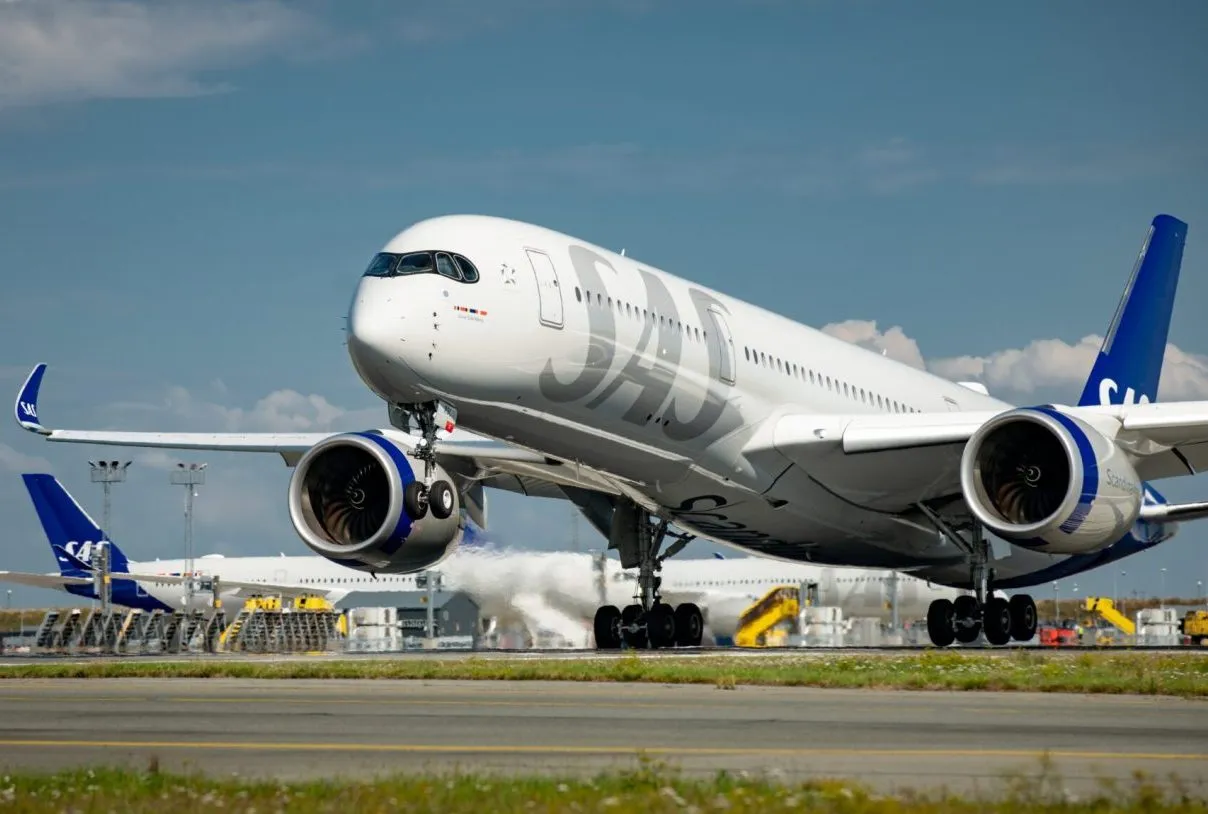
The recent confirmation of Anko van der Werff’s departure from SAS to assume a new role at Air Canada has ignited a critical leadership vacuum at the Scandinavian carrier, precisely as its ownership structure undergoes a profound shift. This executive transition coincides with the Air France-KLM Group’s strategic move to significantly increase its stake in SAS, aiming to secure a controlling 60.5% share, up from its current 19.9%, pending final regulatory clearances. This dramatic realignment of power brokers sets the stage for a complex and highly scrutinized process to identify SAS’s next chief executive, a decision that will inherently reflect the strategic direction of its new majority shareholder.
The Genesis of SAS’s Restructuring: A Decade of Challenges
SAS, a cornerstone of Scandinavian aviation for decades, has navigated a turbulent financial landscape for well over a decade, exacerbated by intense competition from low-cost carriers, fluctuating fuel prices, and the devastating impact of the COVID-19 pandemic. The airline, co-founded by the governments of Sweden, Denmark, and Norway, had long grappled with high operating costs and legacy structures that hindered its competitiveness.
The airline’s struggles reached a critical juncture in early 2022. Facing immense pressure to recapitalize and restructure its operations, SAS unveiled its comprehensive "SAS Forward" plan. This ambitious initiative aimed to achieve annual cost savings of approximately SEK 7.5 billion (approximately €650 million), convert SEK 20 billion (approximately €1.7 billion) in debt and hybrid capital into equity, and raise SEK 9.5 billion (approximately €820 million) in new equity. The plan necessitated significant concessions from unions, lessors, and other stakeholders, including substantial wage reductions and changes to working conditions.
To facilitate this restructuring and implement the "SAS Forward" plan effectively, SAS voluntarily filed for Chapter 11 bankruptcy protection in the United States in July 2022. This legal framework allowed the airline to renegotiate contracts, reduce its debt burden, and attract new investors while continuing its operations. The Chapter 11 process was designed to provide a structured path to financial recovery and secure the long-term viability of the airline.
Anko van der Werff’s Tenure: Navigating the Storm
Anko van der Werff, who assumed the CEO role in July 2021, inherited an airline in deep crisis. His tenure was largely defined by the relentless pursuit of the "SAS Forward" plan and the arduous Chapter 11 proceedings. Under his leadership, SAS made significant strides in cost reduction, fleet modernization efforts, and negotiations with creditors and lessors. He championed the airline’s commitment to sustainability and sought to position SAS as a competitive player in the evolving European aviation market.
His leadership during this turbulent period was crucial in steering the airline through unprecedented challenges, including ongoing industrial action and the complexities of the bankruptcy process. Van der Werff’s departure for Air Canada, a move confirmed last week, marks the conclusion of a demanding chapter in his career and leaves SAS at a critical juncture, just as the fruits of the restructuring efforts are poised to materialize under new ownership. Notably, van der Werff had assured Skift last year that SAS would "never become Air France-KLM lite," a promise that now falls to his successor to uphold or reinterpret within the context of the new shareholder structure.
The Investor Consortium and Air France-KLM’s Strategic Play
The culmination of the Chapter 11 process saw a consortium of investors emerge as the new owners of SAS. This group comprises Air France-KLM, the investment firm Castlelake, Lind Invest (a Danish investment company), and the Danish state. The specific breakdown of the new shareholding structure post-reorganization is pivotal: Air France-KLM is set to become the largest single shareholder with 19.9% initially, increasing to 60.5% upon conversion of convertible notes and subject to regulatory approvals. Castlelake will hold approximately 17.0%, the Danish state 25.8%, and Lind Invest 8.2%. The remaining shares will be held by other creditors and potentially a minor public float, though existing shareholders will see their equity extinguished.
For Air France-KLM, this investment represents a significant strategic expansion into the lucrative, albeit competitive, Scandinavian market. The move is widely interpreted as an effort to strengthen its presence in Northern Europe, leverage SAS’s strong brand recognition and network, and potentially integrate SAS into the SkyTeam alliance, a critical shift from SAS’s long-standing membership in Star Alliance. Air France-KLM has been actively seeking to consolidate its position in the European market, and the acquisition of a significant stake in SAS aligns with this broader strategy, offering increased connectivity, operational synergies, and a larger market footprint.
The Danish government’s decision to maintain a substantial 25.8% holding underscores its continued commitment to ensuring SAS retains a strong connection to its Scandinavian roots and its operational hub in Copenhagen. This sustained governmental influence, alongside Air France-KLM’s majority stake, creates a unique governance dynamic where the new CEO will need to navigate both commercial imperatives dictated by Paris and the national interests represented by Copenhagen.
The Dual Challenge: Finding SAS’s Next Leader
The vacancy in the chief executive’s office at SAS is not merely a standard executive search; it is a decision fraught with strategic implications, embodying two distinct challenges under a single job title. Firstly, SAS requires a CEO with robust operational experience, a proven track record in airline management, and the ability to continue the financial recovery and modernization efforts initiated under the "SAS Forward" plan. This individual must possess strong leadership skills to motivate a workforce that has endured significant concessions and navigate the ongoing complexities of the aviation industry.
Secondly, and perhaps more critically, Air France-KLM needs to determine its preferred operational and strategic relationship with SAS. The selection of a CEO will be a clear indicator of this intent. Will the new leader be an insider, perhaps someone with a history of working within the Air France-KLM ecosystem, familiar with its corporate culture, strategic priorities, and operational methodologies? Such a choice would likely signal a stronger integration of SAS into the broader Air France-KLM network and operational framework, potentially leading to greater harmonization of systems, procurement, and commercial strategies.
Alternatively, the new owners might opt for a leader with more local experience, someone deeply entrenched in the Scandinavian market, possessing a nuanced understanding of its competitive dynamics, regulatory environment, and customer preferences. This approach could suggest a desire to maintain SAS’s distinct brand identity and operational autonomy, albeit under the strategic guidance of Air France-KLM. The challenge for this leader would be to balance local market demands with the overarching strategic objectives and synergistic opportunities presented by the new majority shareholder. The ultimate decision will reflect the delicate balance between preserving SAS’s unique Scandinavian heritage and leveraging the benefits of integration into a larger European airline group.
Shifting Alliances: From Star Alliance to SkyTeam
One of the most significant implications of Air France-KLM’s acquisition of a controlling stake in SAS is the almost inevitable shift in airline alliances. For decades, SAS has been a proud founding member of Star Alliance, one of the world’s largest global airline networks. This membership provided SAS passengers with extensive connectivity across the globe through partner airlines such as Lufthansa, United Airlines, and Singapore Airlines.
However, with Air France-KLM being a core member of SkyTeam, it is widely anticipated that SAS will transition from Star Alliance to SkyTeam. This move is a logical consequence of the ownership change, designed to unlock synergies, streamline passenger benefits, and integrate network planning. Such a transition would involve complex logistical and commercial realignments, including changes to frequent flyer programs, codeshare agreements, and airport lounge access. While beneficial for Air France-KLM and its SkyTeam partners, this shift could initially cause disruption for existing SAS frequent flyers and corporate clients accustomed to Star Alliance benefits. The process of disengaging from Star Alliance and integrating into SkyTeam will be a major operational undertaking for the new CEO and management team.
Regulatory Hurdles and Timelines
The full transfer of ownership and control to the new investor consortium, particularly Air France-KLM’s majority stake, remains contingent on securing final regulatory approvals. This includes clearances from various competition authorities, most notably the European Commission, which scrutinizes mergers and acquisitions to ensure they do not unduly restrict competition within the European Union. These processes can be lengthy and involve detailed analyses of market share, potential anti-competitive effects, and proposed remedies if concerns arise.
Additionally, the restructuring plan and the equity conversion process must receive final approval from the U.S. Bankruptcy Court. While significant progress has been made in the Chapter 11 proceedings, the ultimate consummation of the plan, including the issuance of new equity and the delisting of existing shares, is subject to these final legal and regulatory green lights. The timeline for these approvals can be unpredictable, but industry observers anticipate the full transaction to be finalized within the first half of 2024. Until then, SAS will continue to operate under its current structure, albeit with the impending changes casting a long shadow over its future direction.
Implications for SAS’s Future Operations and Brand
The long-term implications for SAS’s operations and brand identity are profound. Under Air France-KLM’s influence, SAS’s network strategy is likely to align more closely with the SkyTeam alliance’s hubs, particularly Paris-Charles de Gaulle and Amsterdam Schiphol. This could mean increased frequencies to these hubs and potentially a re-evaluation of routes that primarily served Star Alliance connections.
Fleet strategy might also see adjustments. While SAS has been modernizing its fleet with more fuel-efficient aircraft like the Airbus A320neo family, future procurements could be influenced by Air France-KLM’s preferences and existing fleet commonality, potentially leading to further harmonization. The SAS brand, known for its Scandinavian design and service ethos, is expected to be maintained, at least initially. However, subtle shifts in service offerings, product specifications, and even marketing messaging could emerge over time to better align with the broader Air France-KLM portfolio.
The Nordic Aviation Landscape: A New Competitive Dynamic
The restructuring of SAS and its alignment with Air France-KLM will undoubtedly reshape the competitive landscape in the Nordic aviation market. This region is already fiercely contested, with strong players like Norwegian Air Shuttle, Finnair (part of the Oneworld alliance), and various other European carriers vying for market share. The entry of a powerful airline group like Air France-KLM, with its extensive global network and financial resources, behind SAS will intensify competition.
This could lead to a more consolidated market, potentially putting pressure on smaller, independent carriers. For consumers, the shift to SkyTeam could offer new travel options and connectivity, but also alter existing loyalty programs and travel patterns. The Danish government’s continued significant stake suggests a desire to maintain a strong national carrier with a focus on connectivity for Denmark, balancing commercial efficiency with national interest.
Statements and Stakeholder Perspectives
While direct statements from all parties regarding the CEO search are pending, the overarching sentiment from Air France-KLM CEO Benjamin Smith has been one of optimism regarding the strategic value of SAS. Smith has previously emphasized the importance of a multi-hub strategy in Europe and the potential for SAS to strengthen Air France-KLM’s position in Northern Europe.
From the Danish government’s perspective, the continued investment signals a commitment to ensuring SAS’s future viability and its role as a critical infrastructure provider for Denmark. The Minister of Finance has previously highlighted the importance of a strong SAS for Danish connectivity and economic growth. Internally, SAS employees, having endured significant changes and concessions, will be looking for stability, clear leadership, and a commitment to their long-term welfare from the new CEO and ownership. The unions will likely play a crucial role in scrutinizing the strategic direction and ensuring fair treatment of the workforce.
Conclusion: A New Chapter for SAS
The departure of Anko van der Werff and the impending majority ownership by Air France-KLM mark the dawn of a new, transformative chapter for SAS. The selection of the next chief executive is not merely an HR decision but a profound strategic choice that will dictate the airline’s trajectory for years to come. This individual will be tasked with consolidating the gains from the "SAS Forward" restructuring, navigating the complex transition to a new alliance, and deftly balancing the interests of a powerful new majority owner in Paris with the enduring influence of the Danish state in Copenhagen. The aviation world watches closely as SAS prepares to redefine its identity and role within the competitive European skies.



 Anjar Salim
 Chandra Hamzah
 Budi Mulyono
 Lukman Taruna Persada Ramadan
