
 Tatiana Tantri Indah Sari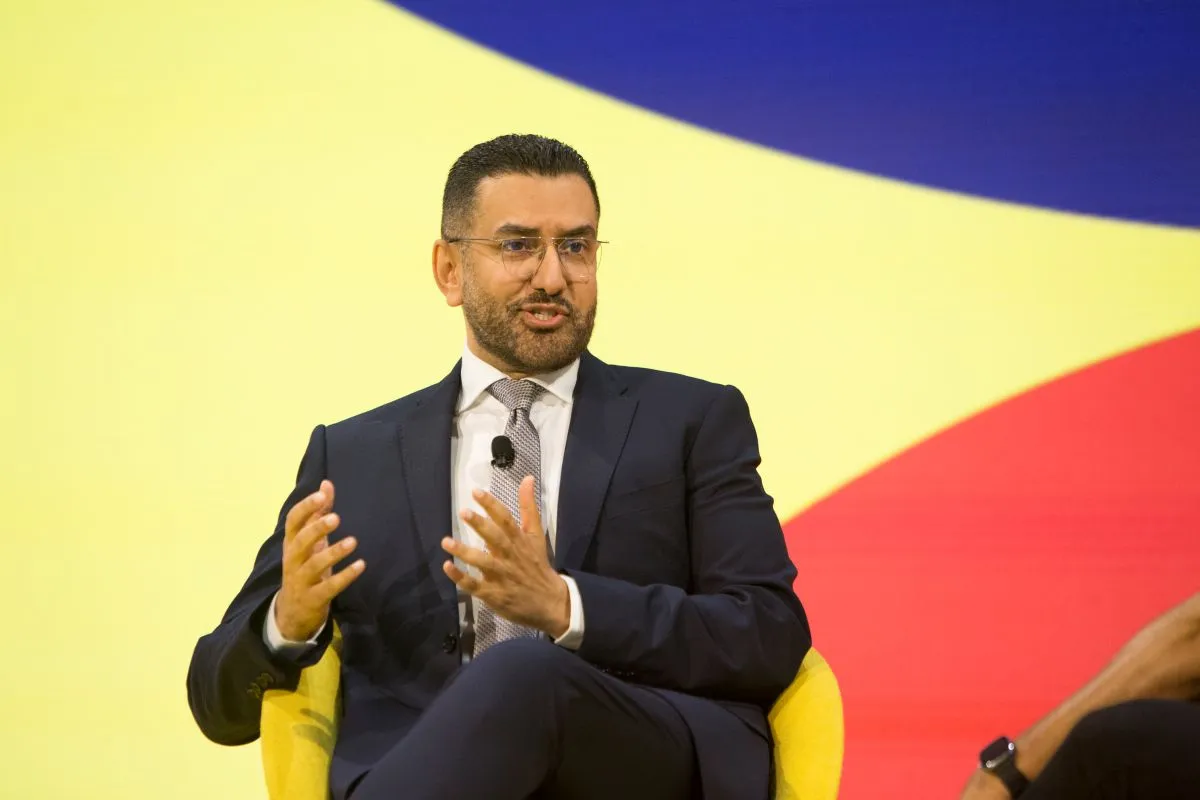
The Kingdom of Saudi Arabia’s ambitious tourism drive is facing a pivotal moment, marked by a significant leadership transition at the Saudi Tourism Authority (STA) and widespread reports of adjustments to its monumental giga-projects, signaling an unmistakable revision of its strategy despite official pronouncements that the overarching mission remains "unchanged." Fahd Hamidaddin, the chief executive of the Saudi Tourism Authority, is departing from his role after a seven-year tenure, a development confirmed by an internal STA letter reviewed by industry sources. His departure, effective July 1, will see Abdullah Al Hagbani step in as acting CEO, with no immediate announcement regarding a permanent successor, leaving a vacuum at the helm during a critical period for the nation’s economic diversification agenda. This leadership change comes on the heels of a year characterized by sweeping revisions and re-evaluations of the colossal tourism and urban development projects that form the bedrock of Saudi Arabia’s Vision 2030, raising questions among international investors and observers about the pace and scope of the Kingdom’s transformation.
Background: Vision 2030 and the Tourism Imperative
Saudi Arabia’s Vision 2030, unveiled in 2016 by Crown Prince Mohammed bin Salman, represents an audacious blueprint to transform the oil-dependent economy into a diversified powerhouse, with tourism identified as a central pillar. The Kingdom set aggressive targets, aiming to attract 100 million annual visitors by 2030, later revised to 150 million, and to increase tourism’s contribution to GDP from approximately 3% to over 10%. This vision necessitated unprecedented investment in infrastructure, hospitality, and cultural attractions, giving rise to a series of "giga-projects" designed to put Saudi Arabia on the global tourism map. These projects include NEOM, a futuristic mega-city encompassing the linear city ‘The Line’ and luxury island resort ‘Sindalah’; the Red Sea Project, a luxury regenerative tourism destination; Diriyah Gate, focusing on historical and cultural heritage; and Qiddiya, an entertainment and sports hub. The scale and speed of these developments captivated international attention, promising a new era of tourism in the Middle East.
Fahd Hamidaddin, appointed in 2017, played a crucial role in operationalizing this vision, particularly in establishing the Saudi Tourism Authority and launching aggressive marketing campaigns to position Saudi Arabia as a new global destination. His tenure saw the introduction of the tourist visa system, significant investments in international marketing, and the initial rapid expansion of air connectivity. Under his leadership, the STA focused on creating awareness and attracting foreign direct investment into the burgeoning tourism sector, overseeing a period of rapid growth in visitor numbers leading up to and following the COVID-19 pandemic, albeit from a low baseline.
The Giga-Projects Under Scrutiny: A Shift in Scale and Timeline
While the ambition for tourism remains high, recent months have seen increasing reports of a recalibration of the giga-projects, particularly concerning their initial timelines and scope. NEOM, arguably the most ambitious of these ventures, has been a focal point of these adjustments. Initially envisioned to house 1.5 million residents by 2030, recent projections have reportedly been scaled back to under 300,000 residents for ‘The Line’ by the same year. Similarly, the 170-kilometer length of ‘The Line’ is now expected to be completed in phases, with the initial phase aiming for a significantly shorter segment. These adjustments are not limited to NEOM; other projects, while continuing, are reportedly undergoing similar re-evaluations to ensure feasibility, optimize resource allocation, and align with more realistic development trajectories.
Industry analysts suggest that such revisions are a natural and often necessary part of developing projects of this unprecedented scale. Challenges range from global supply chain disruptions and inflationary pressures to the sheer logistical complexities of building entirely new cities and resorts in remote areas. Moreover, the Kingdom faces the monumental task of developing a skilled workforce capable of operating world-class tourism infrastructure and services, a challenge that requires significant long-term investment in education and training. The initial grand announcements, while effective in generating excitement and attracting initial interest, may have set benchmarks that were overly optimistic in practice. The reported adjustments could signify a move towards a more phased, pragmatic, and sustainable development approach, prioritizing quality and long-term viability over immediate, comprehensive completion.
Leadership Transition: Implications for the STA
Fahd Hamidaddin’s departure marks a significant moment for the Saudi Tourism Authority. His seven years at the helm were characterized by a pioneering spirit, tasked with building a national tourism framework from the ground up. He oversaw the introduction of electronic visas, the launch of major global campaigns like "Welcome to Arabia," and the establishment of partnerships with international airlines and tour operators. His role involved not just marketing but also working to streamline regulations and foster a tourism-friendly ecosystem.
The appointment of Abdullah Al Hagbani as acting CEO beginning July 1 suggests a period of interim leadership, which can sometimes precede a broader strategic review or a search for a leader with a different profile tailored to the evolving challenges. An "acting" designation implies that the permanent direction of the STA may still be under consideration, potentially signaling a desire for new perspectives on how to navigate the next phase of Saudi Arabia’s tourism development. This phase is likely to focus more intently on execution, operational efficiency, and sustainable growth, rather than solely on initial conceptualization and promotion. Observers will be keen to see if Al Hagbani’s interim period ushers in a new emphasis on domestic tourism, niche markets, or a consolidation of existing gains before further expansion.
Statements and Reactions: Navigating the Narrative
While the Saudi Tourism Authority did not immediately return requests for comment regarding Hamidaddin’s departure, official government communications have consistently reiterated the unwavering commitment to Vision 2030’s tourism goals. Public statements from ministries and related entities often emphasize flexibility and adaptability in project execution, framing any adjustments as prudent measures to ensure long-term success rather than a retreat from ambition. "The Kingdom’s commitment to Vision 2030 remains absolute, and the tourism sector is a cornerstone of this transformative journey," a source familiar with government planning stated, requesting anonymity due to the sensitivity of internal discussions. "Our strategy is dynamic, designed to adapt to global market conditions and ensure optimal resource utilization for sustainable growth."
However, industry analysts offer a more nuanced perspective. "The scaling back of some giga-project components and the leadership change at STA are not necessarily signs of failure, but rather a maturation of the development process," commented Dr. Sarah Al-Mansoori, an economic development expert specializing in the GCC region. "It’s virtually impossible to execute projects of this magnitude without encountering unforeseen challenges and requiring periodic adjustments. The key is how these adjustments are communicated and managed to maintain investor confidence and public trust."
International investors, who have committed billions to various Saudi projects, will be closely watching the clarity and consistency of future announcements. While a realistic approach can be reassuring, a lack of transparency or frequent, significant changes could potentially lead to uncertainty.
Implications for Saudi Arabia’s Tourism Strategy and Economic Diversification
The combined impact of leadership changes and project recalibrations suggests a pivot towards a more measured and perhaps sustainable approach to tourism development. This shift could manifest in several ways:
- Phased Development and Prioritization: A greater emphasis on completing key components of giga-projects in stages, allowing for revenue generation and operational learning before embarking on subsequent phases. This could also mean prioritizing projects with clearer short-to-medium-term returns or those that address immediate market demands.
- Focus on Quality over Quantity: Rather than solely pursuing visitor number targets, there might be an increased focus on attracting high-value tourists and ensuring world-class service delivery, which could enhance per-visitor spending and overall economic impact.
- Domestic Tourism Emphasis: While international tourism remains a core goal, strengthening the domestic tourism market could provide a robust foundational demand, especially during periods of global uncertainty. Initiatives like the Saudi Seasons program have already laid groundwork in this area.
- Talent Development Acceleration: The need for a highly skilled workforce in hospitality, entertainment, and tourism management will become even more critical. Increased investment in vocational training, educational partnerships, and attracting international talent will be essential.
- Sustainability and Environmental Stewardship: As global consciousness shifts, the Kingdom’s commitment to regenerative tourism, particularly highlighted in projects like the Red Sea, will likely gain even greater prominence. Demonstrating tangible progress in sustainable practices can enhance international appeal and brand reputation.
- Investor Confidence Management: The government will need to proactively manage perceptions and communicate its revised strategies clearly to maintain and attract foreign direct investment. This includes providing transparent updates on project progress and financial commitments.
The broader implications for Vision 2030 are significant. While the goal of economic diversification remains paramount, the path to achieving it is proving to be more complex and iterative than initially envisioned. The Kingdom’s ability to adapt, learn, and refine its strategies will be crucial in demonstrating the long-term viability of its transformative agenda. The tourism sector, as a key driver of non-oil GDP and job creation, will be a primary indicator of this adaptability.
Looking Ahead: The Next Chapter
As Abdullah Al Hagbani assumes the acting CEO role, the Saudi Tourism Authority and the broader tourism ecosystem face a complex but defining period. The immediate challenge will be to maintain momentum, ensure continuity in ongoing initiatives, and provide strategic direction for the next phase of development. The eyes of the world will remain fixed on Saudi Arabia, watching how it navigates these changes, refines its monumental vision, and ultimately transforms its tourism aspirations into a sustainable and thriving reality. The Kingdom’s journey from an emerging player to a global tourism powerhouse is far from over, but it is undeniably entering a new, more pragmatic chapter of its ambitious narrative.



 Chandra Hamzah
 Budi Mulyono
 Anjar Salim
