
 Budi Mulyono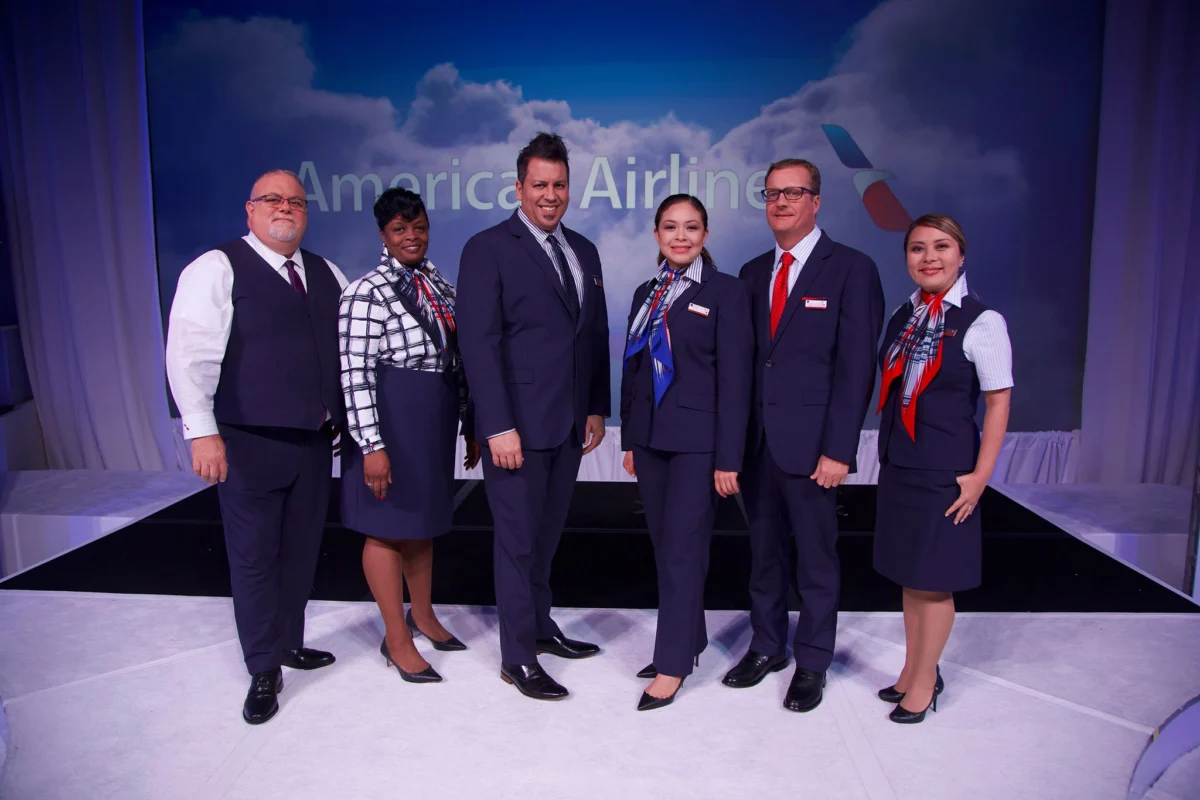
The United States Court of Appeals for the Seventh Circuit has affirmed a summary judgment in favor of American Airlines and clothing manufacturer Twin Hill, effectively dismissing a long-running lawsuit brought by approximately 70 employees. The litigation, which centered on allegations that a 2016 uniform rollout caused widespread health issues, was terminated after the court found that the plaintiffs failed to provide sufficient scientific evidence to link their symptoms directly to the garments. This ruling marks a significant victory for the airline and its former supplier, reinforcing the high bar for expert testimony in federal product liability cases.
The dispute traces back to a massive logistics undertaking nearly a decade ago, when American Airlines attempted to modernize its brand identity following its merger with US Airways. The legal fallout from that decision has spanned several jurisdictions, highlighting the complexities of workplace safety, chemical regulations in the textile industry, and the stringent requirements of federal evidentiary standards.
The 2016 Uniform Rollout and Immediate Health Reports
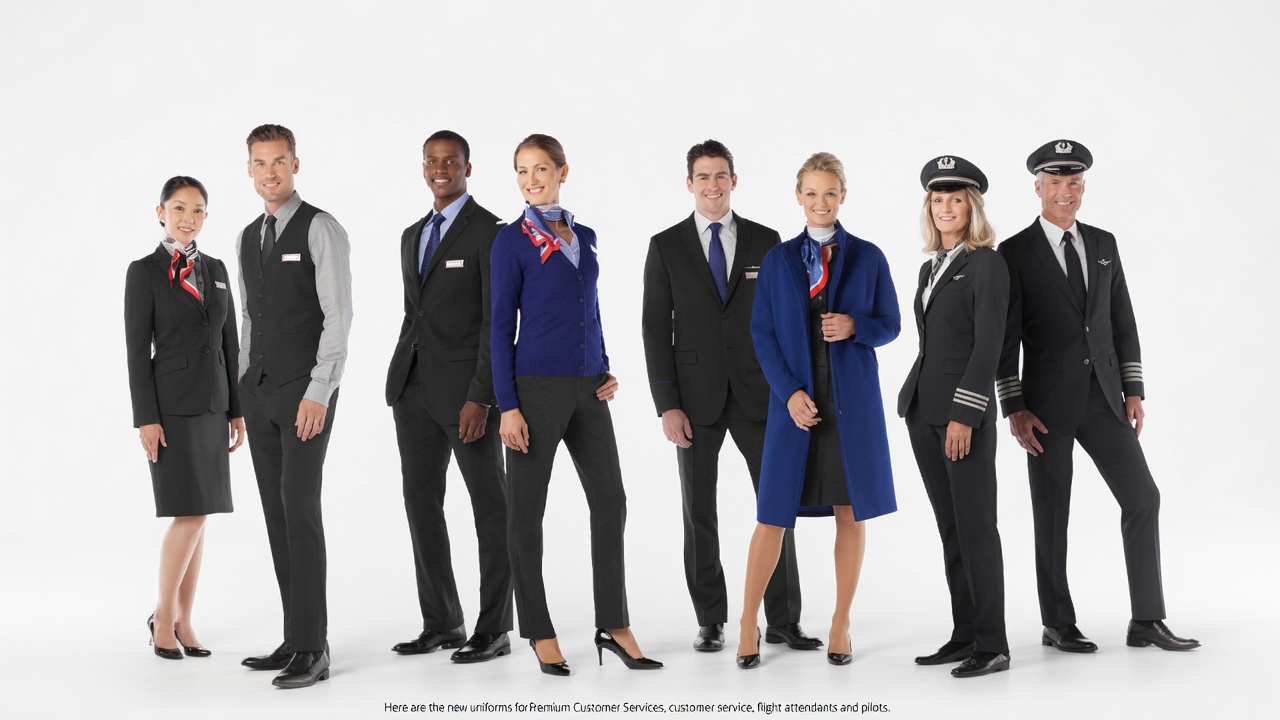
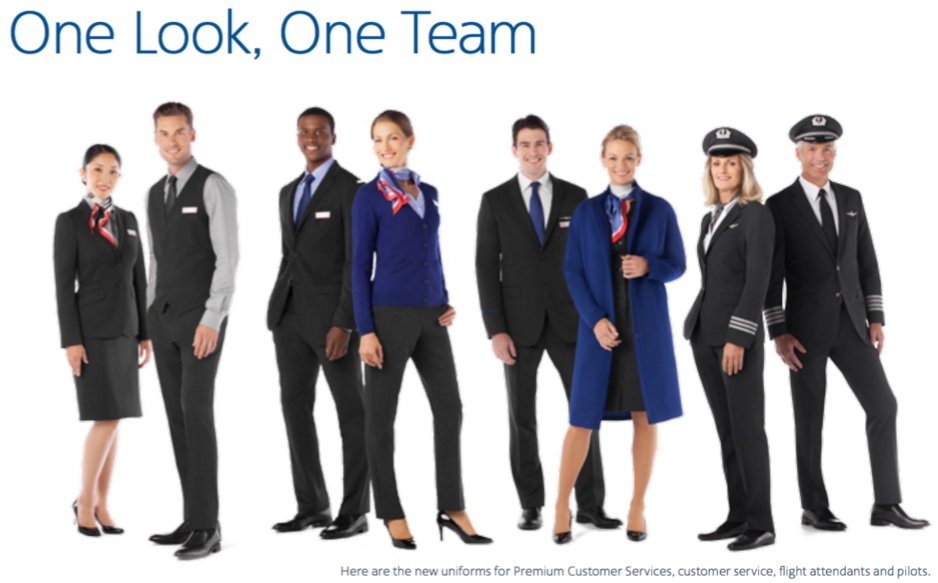
In September 2016, American Airlines introduced a new line of grey uniforms manufactured by Twin Hill, a subsidiary of Tailored Brands. The rollout was intended to outfit more than 70,000 employees, including flight attendants, pilots, and ground staff. However, shortly after the new apparel was distributed, thousands of employees began reporting adverse health reactions. The symptoms described were diverse and often debilitating, ranging from skin rashes and hives to respiratory distress, migraines, and extreme fatigue.
The Association of Professional Flight Attendants (APFA), representing American’s cabin crews, became a vocal advocate for the affected workers. The union argued that the uniforms contained toxic chemicals that were off-gassing or leaching into the skin of wearers. Internal reports from the time suggested that while the majority of the workforce did not experience severe reactions, the number of complaints was high enough to create a significant operational and morale crisis within the airline.
Critics of the rollout pointed to a historical precedent involving Twin Hill. Several years prior, Alaska Airlines had faced similar complaints after introducing Twin Hill uniforms. In that instance, flight attendants also reported skin and respiratory issues, leading to a lawsuit. Although the Alaska Airlines litigation did not result in a total victory for the employees, the plaintiffs in the American Airlines case argued that the prior incident should have put American on notice regarding potential defects in Twin Hill’s manufacturing processes.
Scientific Testing and the "Dose Makes the Poison" Defense
In response to the mounting complaints, American Airlines commissioned extensive independent testing. Intertek, a leading total quality assurance provider, was tasked with analyzing 123 Twin Hill garments. For the sake of comparison, Intertek also tested legacy uniforms and off-the-rack retail clothing items available to the general public.
The results of the Intertek study were nuanced. While the testing identified the presence of various chemicals known as "sensitizers"—substances that can cause allergic reactions—the concentrations found were generally within industry norms. The report concluded that it was unlikely the specific chemicals unique to the Twin Hill uniforms were responsible for the widespread symptoms reported by staff. The findings suggested that for the vast majority of people, the clothing was safe, though individuals with pre-existing hypersensitivities might experience localized reactions similar to those caused by any new garment.
Further investigation was conducted by the National Institute for Occupational Safety and Health (NIOSH). The federal agency’s report acknowledged the possibility that textile chemicals contributed to the skin symptoms reported by some employees. However, NIOSH was unable to identify a specific chemical or a definitive causal link. Ultimately, the government’s conclusion aligned with the airline’s defense: that while some irritants were present, they were not at levels expected to cause systemic health crises.
A central theme in the defense was the toxicological principle of sola dosis facit venenum—the dose makes the poison. Defense experts argued that the mere presence of a chemical does not equate to a hazard; rather, the concentration and the method of exposure must be sufficient to trigger a biological response.
Legal Hurdles: Workers’ Compensation and the Daubert Standard
The plaintiffs faced three primary legal obstacles in federal court. First, the doctrine of workers’ compensation exclusivity generally bars employees from suing their employers for workplace injuries, funneling such claims through the administrative workers’ compensation system instead. To bypass this, the plaintiffs had to prove that the airline acted with "substantial certainty" that the uniforms would cause harm—a very high burden of proof that the court found was not met.
Second, the plaintiffs struggled to provide admissible expert testimony under the Daubert standard. In federal law, Daubert v. Merrell Dow Pharmaceuticals requires judges to act as gatekeepers, ensuring that any scientific testimony or evidence admitted is both relevant and reliable. The judge must be satisfied that the expert’s methodology is sound and generally accepted within the scientific community.
In this case, the district court found that the plaintiffs’ experts relied on "junk science" or technical-sounding speculation. One expert attempted to infer causation simply by looking at the correlation between the uniform rollout and the surge in health complaints. However, the expert could not provide a specific theory explaining how a particular dose of a specific chemical in the fabric caused the varied symptoms reported. Without a clear mechanism of injury, the court ruled the testimony inadmissible.
Finally, the plaintiffs argued for the application of res ipsa loquitur—the legal doctrine that "the thing speaks for itself." They contended that because the symptoms appeared immediately after the uniform change, the uniforms must be defective. The Seventh Circuit rejected this, noting that in complex toxic tort cases, circumstantial evidence alone is insufficient to prove causation without supporting scientific data.
Strategic Responses and the Transition to Lands’ End
As the controversy peaked in 2017, American Airlines took steps to mitigate the impact on its workforce. The carrier allowed employees to return to wearing their old blue uniforms or to purchase off-the-rack substitutes that met color specifications. This "alternative uniform" policy was intended to be a temporary fix while the airline sought a long-term solution.
By mid-2017, American announced it would terminate its relationship with Twin Hill. The airline subsequently entered into a partnership with Lands’ End to develop a completely new uniform line. This new collection, launched in 2020, was designed with a focus on fabric safety and employee feedback. The Lands’ End uniforms were certified under OEKO-TEX Standard 100, an international testing and certification system for textiles that limits the use of harmful substances. Since the 2020 rollout, reports of allergic reactions have plummeted, though the legal shadow of the 2016 rollout continued to loom over the company.
Divergent Outcomes: Federal vs. State Courts
The Seventh Circuit’s decision highlights a stark contrast between federal and state court outcomes regarding the same uniform issues. While the federal case was dismissed due to evidentiary standards, state courts in California have been significantly more receptive to the flight attendants’ claims.
In 2023, a California jury awarded more than $1 million to four flight attendants in the case of Poole v. Twin Hill. More recently, in 2025, another California jury delivered a staggering $18.6 million verdict to five flight attendants. In that judgment, the jury allocated 90% of the fault to Twin Hill and 10% to American Airlines.
The discrepancy between these outcomes often comes down to differing rules of evidence and the "gatekeeping" roles of judges. California’s state courts can sometimes be a more favorable venue for plaintiffs in toxic tort cases, as juries may be allowed to weigh circumstantial evidence and "common sense" correlations more heavily than federal judges constrained by the Daubert standard.
Broader Implications for the Aviation Industry
The American Airlines uniform saga has served as a cautionary tale for the broader aviation and corporate sectors. It underscored the risks associated with global supply chains and the importance of rigorous chemical testing for wearable workplace equipment. Following American’s experience, other carriers, including Delta Air Lines, faced similar challenges with their own uniform rollouts, leading to a heightened industry-wide focus on textile safety standards.
For legal professionals, the Seventh Circuit’s ruling reaffirms the necessity of specific, dose-response scientific evidence in federal product liability litigation. For the employees, the ruling is a final blow to a years-long quest for federal accountability, leaving state-level litigation as the only remaining avenue for those seeking damages related to the Twin Hill era.
As the industry moves forward, the adoption of certifications like OEKO-TEX has become the new baseline for employee apparel. While the 2016 uniforms are now a thing of the past, the legal precedents set during this decade of litigation will likely influence how corporate liability and workplace "toxic torts" are handled for years to come. The Seventh Circuit’s affirmation of summary judgment brings a close to this chapter of federal litigation, emphasizing that in the eyes of the law, proximity in time between a change and an injury is not, by itself, proof of a crime or a defect.

 Chandra Hamzah
 Gabriela Annisa
 Tatiana Tantri Indah Sari
 Anjar Salim