
 Chandra Hamzah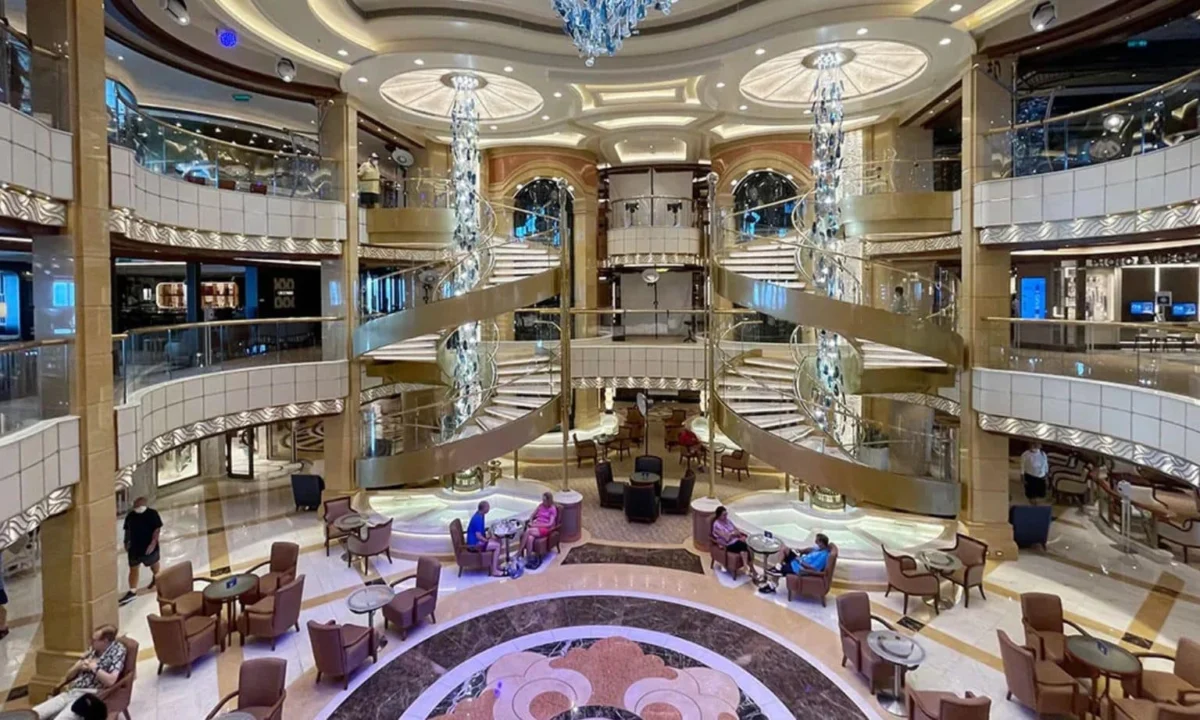
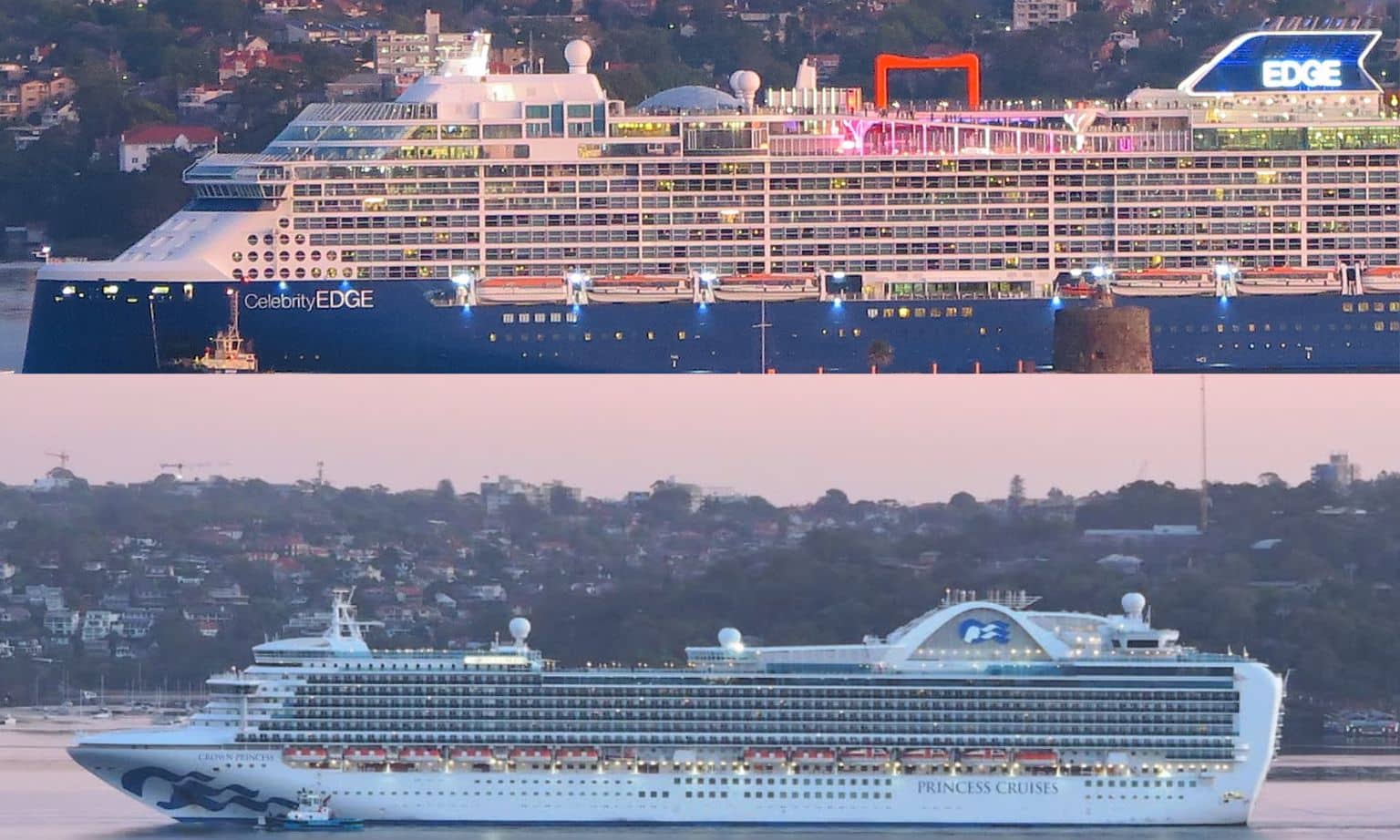
Australia’s vibrant cruise market, which sees over a million passengers annually navigating its picturesque waters, is largely dominated by two major players: Carnival Cruise Line and Royal Caribbean. These giants of the family cruise sector have captured the hearts and wallets of roughly half of all Australian cruise enthusiasts, their popularity driven by a strong emphasis on family-centric entertainment, high-quality children’s programs, and activities designed for all generations. However, a significant and growing segment of the Australian cruising public is increasingly looking towards premium cruise lines, a tier generally perceived as a step above the mainstream family experience. Brands such as Princess Cruises, Celebrity Cruises, and Holland America Line are gaining substantial traction, with Princess Cruises, in particular, boasting a long-standing and deep connection with Australian cruisers. This year marks a significant milestone for Princess Cruises, as it celebrates its 50th anniversary of sailing in Australian waters, solidifying its position as the nation’s oldest continuous cruise line following the operational changes with P&O Australia. The allure of these premium lines extends beyond mere perceived value, encompassing a sophisticated ambience and a suite of offerings that may not be immediately apparent to the uninitiated cruiser. Examining the underlying reasons for their growing popularity reveals a compelling case for considering an upgrade.
The Evolving Australian Cruise Landscape
The Australian cruise industry has experienced remarkable growth over the past two decades. From a relatively niche vacation option, cruising has become a mainstream travel choice for a broad demographic. While family-focused lines like Carnival and Royal Caribbean have historically led the charge in passenger numbers, their success is intrinsically linked to their ability to cater to a wide audience, particularly those with young children. Their itineraries often focus on popular, shorter-haul destinations such as the Great Barrier Reef and the South Pacific, offering a high-energy, entertainment-driven experience.
The emergence and sustained popularity of premium lines like Princess, Celebrity, and Holland America represent a maturation of the market. As Australian travellers gain more cruising experience, their preferences diversify. They begin to seek nuanced experiences that may not be the primary focus of the larger, mass-market brands. This shift is not necessarily a rejection of the family cruise model, but rather an evolution in what travellers are looking for from their vacation at sea. The closure of P&O Australia’s operations in the region, for instance, has naturally led some of its former patrons to seek alternative cruise experiences, with premium lines often filling that void due to their established presence and comparable price points on certain sailings. Princess Cruises’ half-century presence in Australia underscores its deep understanding of the local market and its ability to adapt its offerings to meet evolving consumer demands.
Understanding the Premium Cruise Experience
The distinction between a "family" cruise line and a "premium" cruise line lies in a confluence of factors, ranging from onboard atmosphere and passenger demographics to itinerary diversity and dining philosophies. Premium lines typically cultivate an environment that is more refined and less saturated with younger children, catering to a demographic that often prioritizes relaxation, sophisticated entertainment, and a deeper engagement with destinations.
Avoiding the Crowds: A More Serene Sailing
One of the most frequently cited reasons for opting for a premium cruise line is the desire to avoid the overwhelming presence of young children and the associated high-energy environment often found on family-focused ships. While premium lines are by no means child-free zones, they generally attract a smaller proportion of families with very young children. This results in a demographic that tends to skew towards couples, groups of friends, and multi-generational families with older children or adults.
The benefit of this demographic shift is a palpable difference in the onboard atmosphere. Entertainment and activities are often more geared towards an adult audience, offering a more relaxed and sophisticated experience. While children’s clubs and family-friendly activities are still available, they are typically less prominent and less central to the overall cruise experience. This allows passengers seeking a more tranquil vacation to enjoy their time at sea without the constant backdrop of boisterous children. For instance, a family with teenagers might find a premium line offers a better balance, with activities and entertainment that appeal to a broader age range without feeling overly geared towards very young children.
Expanding Horizons: Diverse Itineraries and Destination Immersion
While the family cruise lines in Australia predominantly stick to well-trodden paths like the Great Barrier Reef and the South Pacific, premium lines often provide a significantly wider array of itinerary options. This is particularly true for Princess Cruises, which offers an extensive range of sailings that explore Australia’s diverse coastline, including voyages to Western Australia and South Australia, and even full circumnavigations of the continent. These longer, more comprehensive itineraries allow for a deeper appreciation of Australia’s natural beauty and coastal cultures.

Holland America Line is renowned for its immersive New Zealand itineraries. These voyages frequently visit more ports of call than standard offerings and often operate on a one-way basis. This structure allows for a more leisurely pace, enabling passengers to truly savour the experience of each destination and fostering a deeper connection with the local culture and landscapes.
Celebrity Cruises also excels in offering diverse itineraries, including specialized wine cruises that focus on visiting renowned wine regions. These voyages offer a unique blend of exploration and indulgence, appealing to travellers with a keen interest in gastronomy and viticulture. For travellers who view the destination as a primary component of their holiday, rather than simply a backdrop, the expanded and more immersive itinerary options on premium lines present a compelling advantage.
A Sophisticated Ambiance: Refined Elegance at Sea
The core difference between a family cruise and a premium cruise often boils down to the overall atmosphere and ambiance. Premium lines cultivate an environment characterized by greater tranquility and sophistication. While lively entertainment and engaging activities are still abundant, they are presented in a more curated and upscale manner. This refined approach extends to the onboard culture, influencing everything from dress codes to the general demeanor of fellow passengers.
The difference can be likened to comparing a bustling family resort with a chic boutique hotel. While both offer a vacation experience, the latter prioritizes understated elegance and a more discerning guest experience. On premium lines, one can expect a more formal approach to dining and evening wear, with fewer casual flip-flops and more buttoned shirts in restaurants. This does not imply a stuffy or overly formal environment, but rather a shared understanding and appreciation for a more polished setting. The entertainment, while still diverse, often features more nuanced performances, live music in lounges, and sophisticated venues for dancing, all delivered with a sense of curated quality rather than a free-for-all approach.
Culinary Excellence: A Focus on Gastronomy
While all cruise lines offer dining options, premium lines like Celebrity and Princess place a significantly higher emphasis on culinary experiences. While specialty dining restaurants typically incur an additional charge, the quality of the complimentary dining rooms on these lines is generally a noticeable step above those found on family-focused ships. Furthermore, the specialty restaurants often feature more innovative menus, unique culinary concepts, and elegant ambiances.
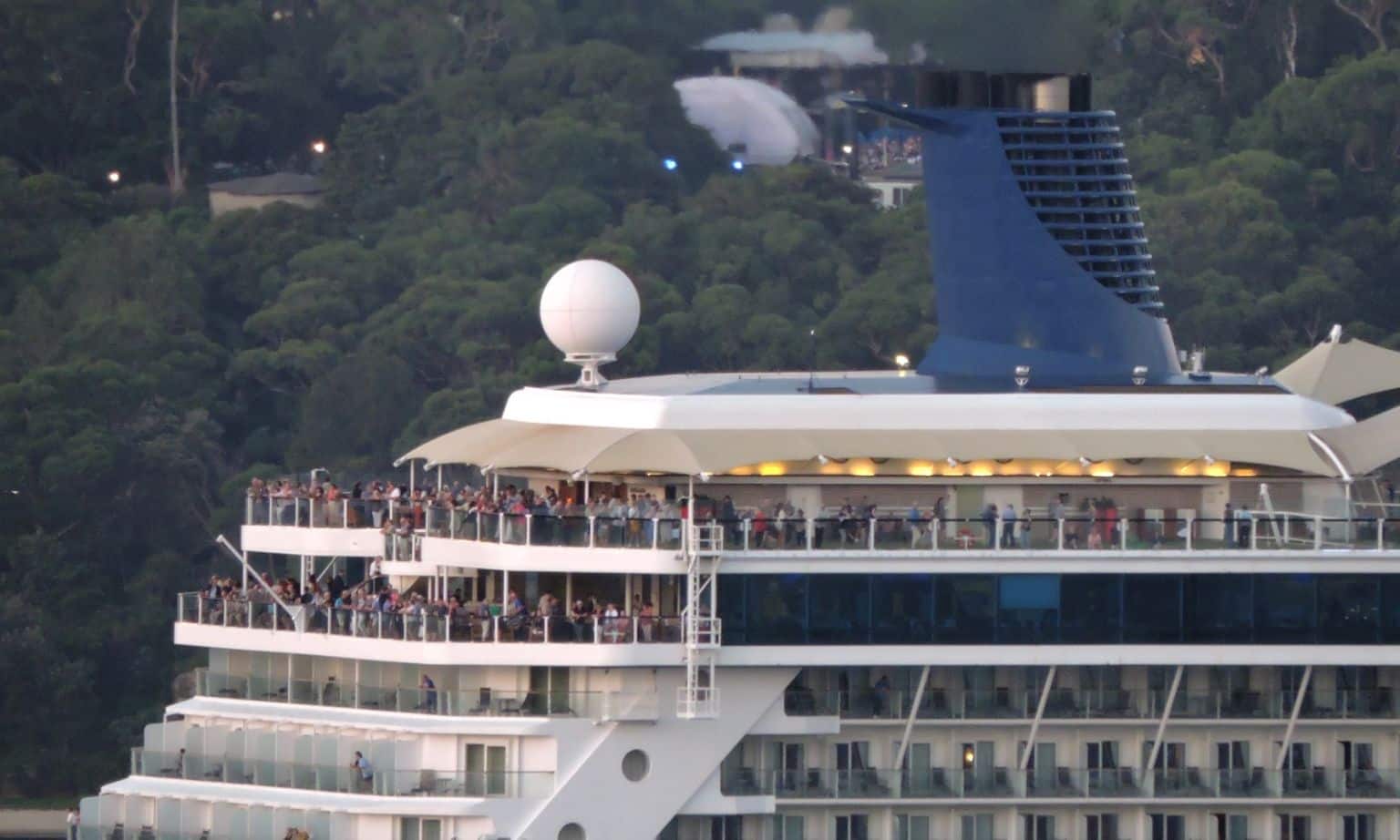
Celebrity Cruises, in particular, has garnered a reputation as a haven for food enthusiasts. The line is committed to offering contemporary and innovative cuisine, alongside distinctive dining venues. Features like Celebrity’s "Magic Carpet," a movable deck that extends over the side of the ship, offer unique dining and entertainment experiences with unparalleled ocean views.
While premium lines do not always reach the stratospheric heights of luxury cruise dining, where all restaurants are included and culinary artistry is paramount, they consistently offer a superior standard in terms of food quality, variety, and dining room sophistication. The attention to detail in menu creation, ingredient sourcing, and presentation contributes to a more memorable and satisfying gastronomic journey.
Value-Added Packages: Enhancing the All-Inclusive Feel
A significant factor contributing to the perceived value of premium cruise lines is the availability of comprehensive package deals. Princess Cruises, with its popular "Princess Plus" and "Princess Premier" packages, leads the way in offering bundled inclusions. These packages often encompass not only beverages and Wi-Fi but also gratuities, specialty dining credits, and other onboard amenities, providing a more predictable and often cost-effective vacation experience.
Celebrity Cruises and Holland America Line also offer packages that bundle drinks and Wi-Fi, allowing passengers to better budget their onboard expenses and enjoy a greater sense of peace of mind. These offerings can significantly reduce the anxiety associated with unforeseen costs, making the overall cruise experience feel more akin to an all-inclusive holiday.
While Carnival Cruise Line has recently introduced similar promotional packages, their availability can be inconsistent. Royal Caribbean, on the other hand, does not currently offer a comparable integrated package. For cruisers who typically purchase drinks and Wi-Fi separately, the bundled packages on premium lines can represent substantial savings. This financial advantage, coupled with the enhanced onboard experience, can effectively neutralize the perceived higher base fare of a premium cruise, making it a more financially astute choice than initially assumed. The ability to pre-purchase these amenities at a potentially lower rate than individual purchases can make the premium line a more economical option for many travellers.
Broader Implications for the Australian Cruise Market
The growing popularity of premium cruise lines in Australia signifies a broader trend towards consumer sophistication and a desire for more personalized and differentiated travel experiences. As the market matures, travellers are increasingly discerning, seeking vacations that align with their specific preferences and expectations. This trend has several implications for the Australian cruise industry:
- Increased Competition and Innovation: The success of premium lines is likely to spur further innovation and differentiation among all cruise operators. To remain competitive, mass-market lines may seek to elevate certain aspects of their offerings, while premium lines will continue to refine their unique selling propositions.
- Diversification of Itineraries: The demand for more diverse and immersive itineraries is likely to encourage cruise lines to develop new routes and explore less-visited destinations in and around Australia. This could lead to greater opportunities for local tourism operators and a more enriched travel experience for passengers.
- Shifting Demographics: The increasing appeal of premium lines suggests a potential shift in the typical cruise passenger demographic in Australia. While family cruises will remain a strong segment, there may be a growing segment of travellers seeking more adult-oriented, sophisticated, and destination-focused holidays.
- Enhanced Value Proposition: The trend towards bundled packages and the increasing transparency in pricing can lead to a more value-conscious consumer. Cruise lines that can effectively communicate the overall value of their offerings, beyond just the base fare, are likely to capture a larger market share.
In conclusion, the decision to upgrade to a premium cruise line in Australia is driven by a multifaceted set of considerations that extend beyond mere cost. The allure lies in a more refined onboard atmosphere, a demographic that often prioritizes tranquility, a wider array of immersive itineraries, superior dining experiences, and the potential for enhanced value through comprehensive package deals. As the Australian cruise market continues to evolve, the discerning traveller will find that the premium segment offers a compelling and often surprisingly accessible pathway to a more sophisticated and deeply satisfying maritime vacation.




 Budi Mulyono
 Anjar Salim
 Tatiana Tantri Indah Sari

 Lukman Taruna Persada Ramadan