
 Tatiana Tantri Indah Sari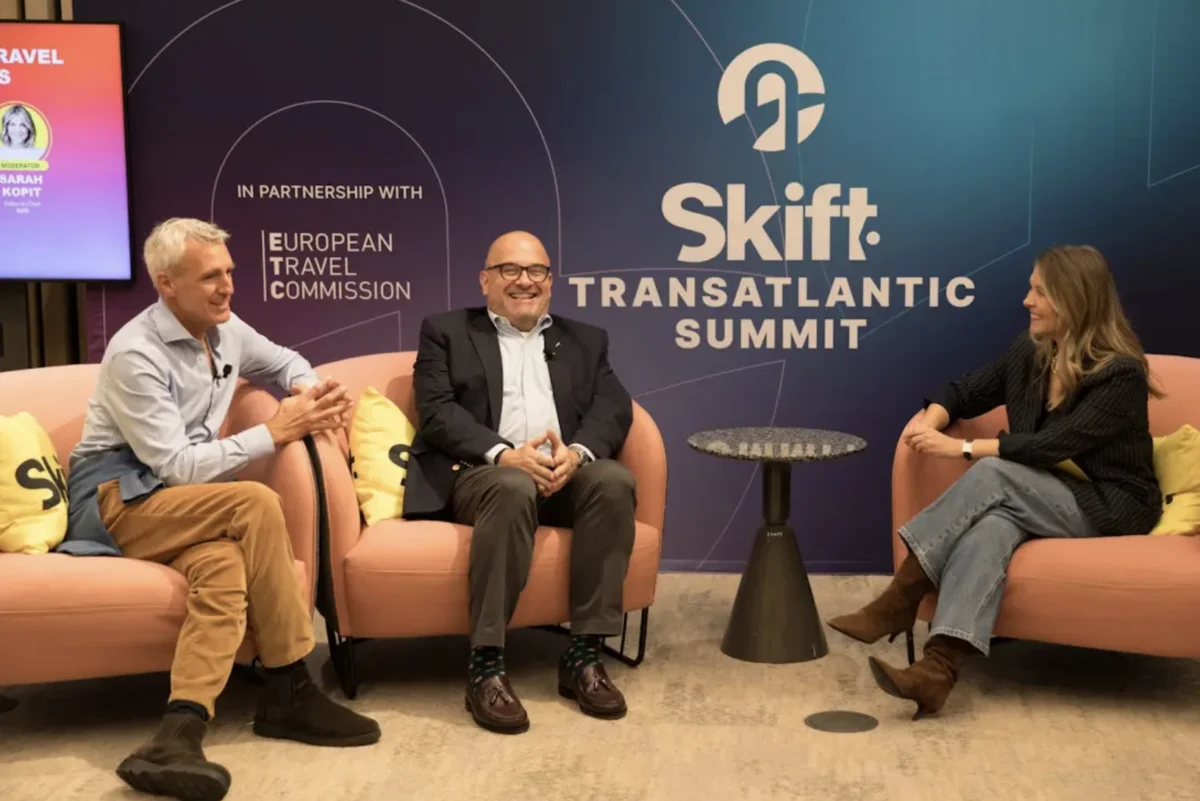
The Skift Transatlantic Summit, a pivotal gathering for senior travel leaders, is set to convene its second edition on October 15, 2026, in Dublin, Ireland. This invite-only event, themed "Travel in a Fractured World," will bring together industry stalwarts to critically examine the profound impacts of geopolitics, evolving consumer demand patterns, and the transformative power of artificial intelligence on the world’s most valuable, yet increasingly exposed, travel corridor. Hosted at the historic Portmarnock Resort & Jameson Golf Links, in partnership with the European Travel Commission (ETC) and Tourism Ireland, the summit aims to foster proactive strategies among leaders who understand that navigating these complex currents now will determine success in the coming decade.
The Transatlantic Nexus: A Corridor Under Scrutiny
The transatlantic travel corridor has long been the undisputed powerhouse of the global tourism industry. Historically, it represents a robust exchange of culture, commerce, and leisure, facilitating hundreds of millions of passenger movements annually and generating an estimated economic impact well into the trillions of dollars. Prior to the global pandemic, this route consistently demonstrated resilience and growth, driven by strong economic ties, shared cultural heritage, and robust aviation infrastructure. Major airlines, hospitality chains, and online travel agencies have traditionally seen the transatlantic market as a cornerstone of their operations, investing heavily in routes, services, and marketing efforts connecting North America and Europe.
However, recent years have introduced unprecedented volatility, leading to a landscape characterized by profound shifts. The post-pandemic rebound, while strong initially, has begun to show signs of softening US inbound demand to Europe. This trend is influenced by a confluence of factors, including inflationary pressures, fluctuating exchange rates making European travel more expensive for American consumers, and a potential saturation of revenge travel. Simultaneously, the geopolitical chessboard has become more intricate, with US-Europe relations undergoing subtle but significant recalibrations. Trade policies, security alliances, and even cultural perceptions are evolving, creating an environment where the traditional assumptions of seamless connectivity can no longer be taken for granted. Into this intricate weave, artificial intelligence has emerged not merely as a technological upgrade but as a fundamental rewriter of the entire travel ecosystem, from how travelers discover destinations to how they book and experience their journeys. Leaders who fail to anticipate and adapt to these shifts risk being relegated to a perpetual state of reaction, rather than actively shaping the future.
Genesis of a Crucial Dialogue: The Inaugural 2025 Summit
The urgency of these challenges prompted Skift, a leading authority in global travel intelligence, to inaugurate the Transatlantic Summit in 2025. Held in New York, the debut event brought together a curated assembly of 137 senior executives, with an impressive 79% holding director-level positions or higher, representing 19 countries and 113 companies. The inaugural summit served as a critical platform for an initial assessment of the post-pandemic recovery trajectory and the nascent impacts of emerging global trends.
Key speakers at the 2025 summit included influential figures such as Jon M. Huntsman Jr., former US Ambassador and a prominent voice on global affairs, representing Mastercard; Fred Dixon, President and CEO of Brand USA, offering insights into inbound US tourism promotion; Marty St. George, President of JetBlue, providing an airline perspective on capacity and demand; and Miguel Sanz, Executive Director of the European Travel Commission, articulating the collective vision for European tourism. The dialogue focused on laying the groundwork for collaborative strategies, identifying shared vulnerabilities, and exploring initial technological innovations. Feedback from attendees underscored the summit’s immediate relevance and impact. One participant noted, "It’s clear that the summit struck a meaningful chord with industry leaders on both sides of the Atlantic. I’m especially grateful for the attention to detail and the seamless organization that made the event not only engaging but also truly memorable." Another emphasized its strategic value: "A truly insightful event that brought together American and European leaders from across the travel and payments ecosystem to explore the future of transatlantic connectivity, innovation, and collaboration." The success of this initial gathering firmly established the Skift Transatlantic Summit as an indispensable forum for high-level strategic discourse.
Dublin’s Strategic Embrace: A Fitting Venue for Future-Proofing
For its second edition, the summit strategically moves across the Atlantic to Dublin, a city that embodies the very essence of a gateway between North America and Europe. Nestled between the dramatic Wicklow Mountains and the expansive Dublin Bay, the Irish capital offers direct air access to major cities on both continents, making it a natural nexus for the discussions at hand. This geographic advantage is complemented by Ireland’s unique historical and cultural ties to both regions, often serving as a bridge for dialogue and commerce.
Dublin’s selection as the host city is more than symbolic; it reflects a conscious decision to ground the conversations in a location that actively participates in the renegotiation of transatlantic relationships in real terms. Beyond its strategic connectivity, Dublin itself is a vibrant global city. It is celebrated as a literary treasure, a historic powerhouse, and has twice been recognized by TripAdvisor as Europe’s friendliest city. Its bustling streets interweave centuries of history with a dynamic contemporary culture, featuring everything from traditional Irish pubs and historic buildings to cutting-edge tech hubs and hip cafés. The summit venue, Portmarnock Resort & Jameson Golf Links, further enhances this appeal. Located just outside the city center, it offers a serene yet sophisticated environment, opening directly onto the UNESCO Dublin Bay Biosphere, with its stunning sandy beaches, coastal paths, and panoramic sea views that showcase Ireland’s expansive natural beauty. This blend of urban dynamism and natural tranquility provides an ideal backdrop for intense, forward-looking discussions.
The partnership with the European Travel Commission underscores the collective European commitment to these dialogues, while Tourism Ireland’s role as host highlights Ireland’s strategic position and its dedication to fostering international travel and business. These collaborations ensure that the summit’s outcomes are not only globally relevant but also deeply rooted in the practical realities of European tourism development.
Navigating the Fractured Landscape: Key Themes for 2026
The 2026 summit agenda is meticulously crafted around the critical decisions senior leaders are confronting right now. The theme, "Travel in a Fractured World," directly addresses the multi-faceted pressures on the transatlantic corridor.
-
Geopolitical Tides and Their Travel Ripples: The summit will delve into how shifting global power dynamics, trade tensions, regional conflicts, and evolving diplomatic relationships between the US and Europe are directly impacting travel. This includes discussions on visa policies, cross-border investment, security protocols, and consumer sentiment influenced by international relations. For instance, new tariffs or political disagreements can quickly translate into reduced flight routes or diminished traveler confidence, directly affecting the bottom line for airlines and destination marketing organizations. Experts will analyze potential scenarios for US-Europe political and economic alignment, and their implications for long-term travel flows and policy harmonization.
-
Shifting Traveler Demands: Beyond the Pandemic Boom: While initial post-pandemic demand saw a surge in leisure travel, market intelligence now indicates a more nuanced landscape. The summit will explore the factors contributing to softening US inbound demand to Europe, such as a strong dollar in previous years making Europe attractive, now potentially reversing, or increased competition from alternative long-haul destinations. Discussions will also cover the evolution of traveler preferences—the growing emphasis on sustainable travel, authentic experiences, personalized itineraries, and the demand for seamless, digital-first interactions. Understanding these shifts is crucial for destinations and operators to tailor their offerings and marketing strategies effectively, ensuring they capture the next wave of traveler motivations.
-
Artificial Intelligence: Reshaping Discovery and Booking: AI is arguably the most disruptive force in travel since the advent of the internet. The summit will dedicate significant attention to how AI is fundamentally rewriting the entire travel journey. This includes AI-powered personalized recommendations, dynamic pricing models, hyper-efficient customer service through chatbots and virtual assistants, and the complete overhaul of how travelers research and book everything from flights and accommodations to local experiences. The implications extend to operational efficiencies for airlines and hotels, predictive analytics for demand forecasting, and even new forms of travel content creation. Leaders will explore not only the opportunities presented by AI for enhanced customer experience and profitability but also the ethical considerations, data privacy challenges, and the potential for job displacement or creation within the industry. The focus will be on leveraging AI to create competitive advantages and future-proof business models.
The Architects of Tomorrow: Who’s in the Room?
The Skift Transatlantic Summit is designed as a working session, fostering deep engagement and actionable insights rather than passive attendance. It convenes an exclusive group of over 100 senior leaders, all holding director-level positions or above. This elite assembly draws from the full spectrum of the travel ecosystem: representatives from national and regional destinations, major airlines, traditional and online tour operators, travel sellers, online travel agencies (OTAs), destination marketing organizations (DMOs), and cutting-edge travel technology platforms. Crucially, the gathering also includes policymakers and government officials who are instrumental in shaping the regulatory frameworks and international agreements that govern the transatlantic corridor. This diverse, high-level composition ensures that discussions are holistic, addressing both commercial realities and governmental influences, and that potential solutions are comprehensive and implementable. The intimate, invite-only format facilitates unparalleled networking opportunities, allowing for candid conversations and the forging of strategic partnerships that are vital for navigating a complex future.
Charting the Course Ahead: Broader Implications for Global Travel
The deliberations at the Skift Transatlantic Summit 2026 carry implications far beyond the immediate attendees and the transatlantic route itself. The strategic insights and collaborative initiatives emerging from Dublin are expected to serve as a blueprint for navigating similar challenges in other global travel corridors. By focusing on proactive planning in areas like geopolitical risk assessment, adapting to evolving consumer behaviors, and integrating disruptive technologies like AI, the summit encourages a forward-thinking mindset essential for the entire industry.
The discussions on geopolitical shifts could influence future bilateral travel agreements, visa facilitation policies, and even joint marketing campaigns between nations. Insights into shifting demand patterns will guide product development and investment strategies, pushing for more sustainable and experience-rich travel options. The deep dive into AI’s impact will likely accelerate the adoption of new technologies, foster innovation in customer service, and necessitate workforce upskilling across the sector. Ultimately, the Skift Transatlantic Summit aims to empower leaders to transform potential vulnerabilities into opportunities for growth and resilience, ensuring that the global travel industry can not only adapt to a fractured world but thrive within it. The 2026 lineup of speakers and detailed session topics will be announced soon, promising another impactful and insightful event for the architects of tomorrow’s travel landscape. Attendance remains by application, with places strictly limited and reviewed individually to maintain the high caliber and collaborative spirit of this essential forum.



 Anjar Salim
 Chandra Hamzah
 Budi Mulyono
 Lukman Taruna Persada Ramadan
