
 Tatiana Tantri Indah Sari
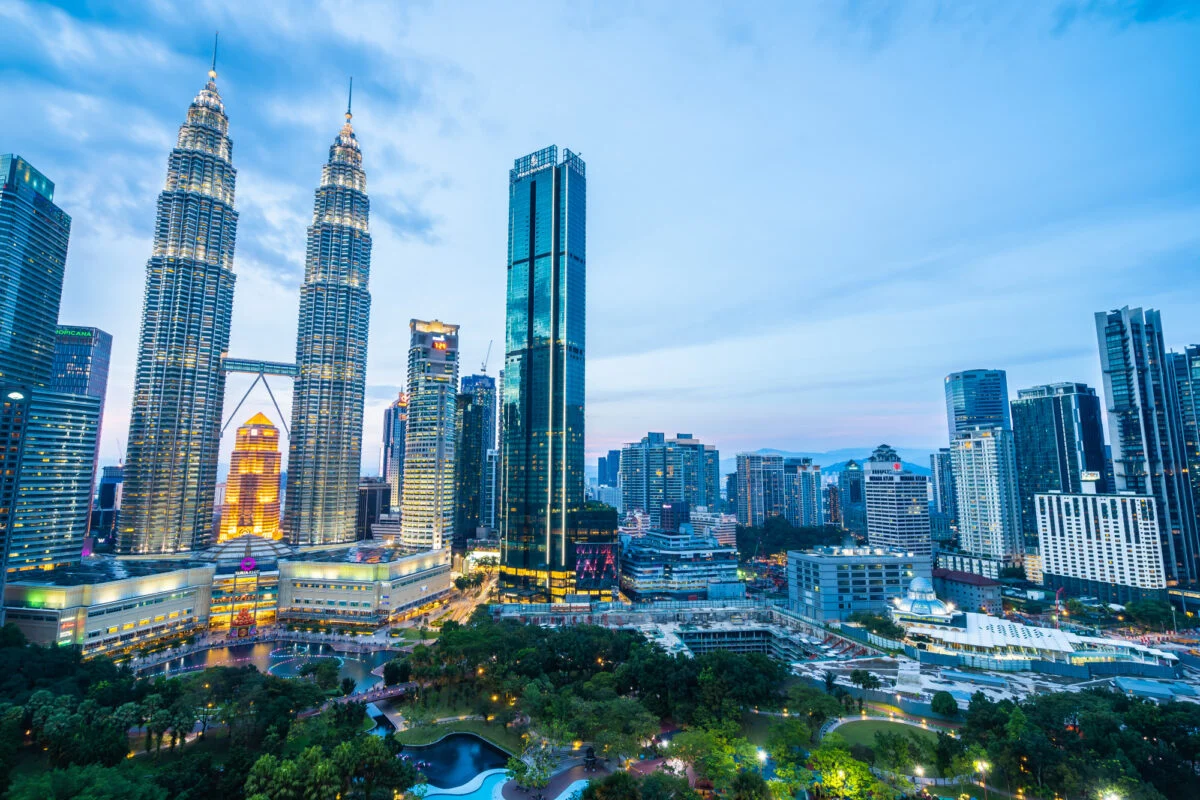
The tourism sector across Southeast Asia is facing a formidable and familiar environmental challenge as a dense, hazardous haze—originating from persistent forest and peatland fires in Indonesia—blankets major metropolitan areas and top tourist destinations in Malaysia and Singapore. Just as the region prepares for its lucrative year-end holiday rush, the ecological crisis is forcing travel disruptions, flight cancellations, and itinerary adjustments. Inbound tour operators in Malaysia are already grappling with mounting cancellations for November arrivals, while neighboring Indonesia has reported more than 2,600 domestic flight disruptions due to severely restricted visibility. Meanwhile, outdoor sightseeing itineraries in Singapore have been abruptly cut short or moved indoors to protect travelers from poor air quality.
The timing of this regional environmental crisis could hardly be worse for the tourism industry. Governments and private stakeholders have spent the better part of the post-pandemic era aggressively rebuilding international arrivals, launching ambitious global marketing campaigns, and trying to recapture pre-2020 economic momentum. Instead, travelers arriving in regional hubs are greeted by thick smog, obscured skylines, and health advisories that urge caution for outdoor activities, threatening to undermine consumer confidence during one of the most critical quarters of the financial year.
A Chronology of the Crisis: From Peatland Ignitions to Transboundary Smog
The roots of the current haze crisis stretch back through months of dry weather and uncontrolled agricultural burning in parts of Indonesia, particularly on the islands of Sumatra and Kalimantan. The chronology of the transboundary haze typically follows a seasonal pattern dictated by the Southeast Asian monsoon, but prolonged dry spells—often exacerbated by climate phenomena such as El Niño—create tinderbox conditions across vast swaths of carbon-rich peatland.
Historically, the timeline of a severe haze event begins during the dry season, which generally spans from May to October. In the early stages, localized hotspots multiply rapidly as traditional slash-and-burn land-clearing methods for palm oil and pulpwood plantations spin out of control. Because peatlands store massive amounts of carbon underground, fires ignited in these soils smolder deep beneath the surface, resisting initial rainfall and producing dense, acrid smoke that is notoriously difficult to extinguish.
By September, prevailing southwesterly winds begin carrying the resulting particulate matter across the Malacca Strait toward peninsular Malaysia and Singapore. In October, the situation typically peaks, turning major urban centers into grey, low-visibility zones. Recent reports underscored the severity of this year’s atmospheric degradation when three major Southeast Asian capitals—Jakarta, Kuala Lumpur, and Singapore—simultaneously registered hazardous air quality indices. As November arrived, the lingering smog failed to dissipate entirely, directly impacting the shoulder period leading into the peak December holiday travel season.
Economic and Operational Fallout for Regional Tourism
The human and logistical cost of the haze is reflected in hard operational metrics across the aviation, hospitality, and tour-operating sectors. Malaysia’s tourism landscape is bearing a heavy burden. Mohd Khalid Harun, president of the Malaysia Tourism Agency Association (MATA), confirmed in recent statements that the association is actively tracking a wave of reduced bookings and explicit cancellations among inbound tour operators, with November itineraries taking the hardest hit.
The disruption arrives while Malaysia’s tourism authorities are striving to meet aggressive national targets. The country’s tourism promotion board, operating under the banner of the Visit Malaysia initiative, originally established an ambitious goal of attracting 47 million international visitors this year. However, industry analysts and tourism bodies noted that this target was already facing significant headwinds—driven by shifting global travel patterns, economic pressures in key feeder markets, and regional infrastructure adjustments—before the transboundary haze materialized to compound the challenge.
In Indonesia, the crisis has directly crippled domestic mobility. Aviation authorities logged more than 2,600 disrupted domestic flights as thick smoke reduced runway visibility below safety thresholds. Airports in Sumatra and parts of Kalimantan experienced prolonged delays, diversions, and cancellations, stranding thousands of passengers and complicating regional supply chains.
In Singapore, where tourism relies heavily on immaculate urban planning, outdoor attractions, and pristine green spaces, the haze has forced operators to adapt on the fly. Walking tours, open-air dining experiences, and major outdoor entertainment schedules have been curtailed or rescheduled. Singapore’s robust public health infrastructure has swiftly issued advisories recommending the reduction of prolonged physical exertion outdoors, prompting tourists to pivot toward indoor museums, shopping complexes, and entertainment centers, altering the traditional visitor experience.
Supporting Data and Environmental Context
To understand the magnitude of the disruptions, one must examine the environmental metrics that dictate modern travel patterns in maritime Southeast Asia. The air quality index (AQI) in affected urban zones has repeatedly breached unhealthy thresholds, occasionally entering hazardous territory where particulate matter (PM2.5) concentrations far exceed World Health Organization safety guidelines.
Transboundary haze is not a novel phenomenon; it is an annual environmental governance challenge regulated under the Association of Southeast Asian Nations (ASEAN) Agreement on Transboundary Haze Pollution, signed in 2002. Despite regional frameworks, enforcement challenges remain persistent. Peatland restoration requires substantial capital, long-term hydrological management, and strict enforcement of zero-burning policies across remote rural districts. When enforcement lapses coincide with meteorological droughts, the resulting fires generate vast palls of smoke that disregard national borders, turning a domestic agricultural issue into an international diplomatic and economic concern.
The economic footprint of the haze extends far beyond lost tourism revenue. Healthcare systems in Malaysia and Singapore experience measurable spikes in respiratory consultations, emergency room visits, and sales of protective N95 masks whenever the smog rolls in. Productivity losses, combined with reduced consumer spending in the retail and hospitality sectors, create a ripple effect that touches virtually every corner of the urban economy.
Official Responses and Institutional Reactions
Governments across the affected nations have responded with a mix of domestic mitigation efforts and diplomatic engagement. Indonesian disaster management agencies, alongside military and forestry units, have deployed water-bombing aircraft and ground personnel to combat remote peatland fires. Cloud-seeding operations have been deployed in attempts to induce rainfall over stubborn hotspots, though their success remains dependent on atmospheric moisture availability.
Meanwhile, Malaysian and Singaporean authorities have maintained continuous monitoring of air quality metrics, publishing real-time updates to help citizens and tourists make informed decisions. Tourism ministries in Kuala Lumpur and Singapore have emphasized resilience, encouraging travelers to utilize indoor alternatives and working closely with hospitality partners to offer flexible rescheduling policies. However, industry associations like MATA continue to lobby for more robust, proactive regional prevention strategies, arguing that reactive measures are no longer sufficient to protect the region’s hard-earned reputation as a safe, reliable travel destination.
Fact-Based Analysis of Broader Implications
The recurring nature of the Southeast Asian haze crisis carries profound structural implications for the region’s tourism industry and its broader economic trajectory. First, it highlights the vulnerability of tourism economies to climate and environmental variables over which they have no direct operational control. Destinations that rely on pristine natural assets—such as clear skies, outdoor heritage sites, and tropical landscapes—are exceptionally sensitive to environmental degradation.
Second, the crisis accelerates a shift toward climate-conscious and resilient tourism planning. Tour operators and hospitality providers are increasingly forced to build contingency models into their annual forecasts, accounting for seasonal environmental disruptions just as they would economic recessions or geopolitical shifts. Flexibility in cancellation policies, investments in indoor tourism infrastructure, and improved communication channels are becoming standard operational requirements rather than optional amenities.
Finally, the transboundary nature of the haze underscores the necessity of deeper regional cooperation under the ASEAN framework. As climate change increases the frequency of prolonged droughts and extreme weather events, the economic cost of inaction on forest and peatland management will only escalate. For the tourism sector, the stakes are clear: long-term economic viability is inextricably linked to robust ecological preservation and effective cross-border environmental governance. Until permanent solutions are implemented to eradicate uncontrolled peatland burning at the source, regional tourism will continue to navigate the precarious shadow of the seasonal haze.




 Gabriela Annisa

 Lukman Taruna Persada Ramadan

 Anjar Salim

 Dwi Wanna
