
 Tatiana Tantri Indah Sari
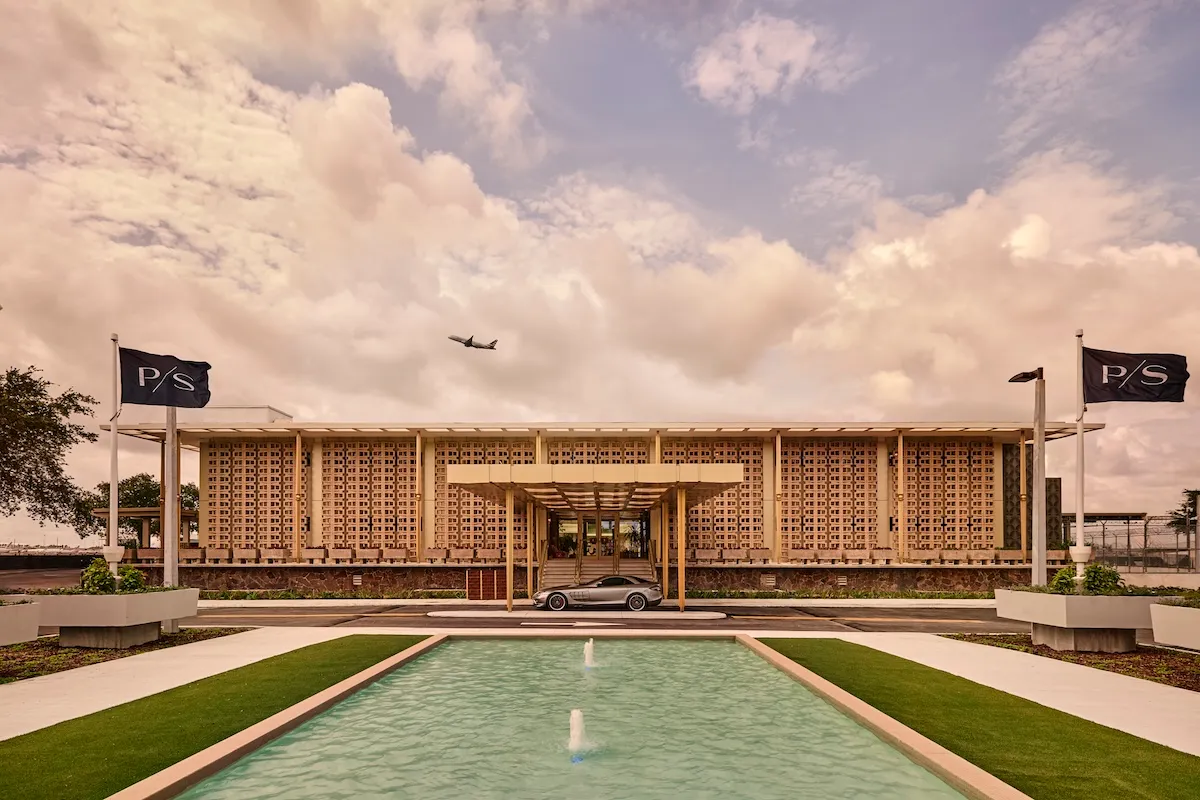
The modern landscape of luxury travel is defined not just by seat width or Michelin-grade dining at thirty thousand feet, but by the relentless elimination of friction on the ground. For decades, the commercial aviation experience—even for those holding first-class tickets and elite frequent flyer status—remained anchored to the universal inconveniences of the public airport: sprawling security queues, congested terminal corridors, and the unpredictable chaos of boarding gates. Enter PS, a pioneering private airport terminal service that has fundamentally altered the paradigm for high-net-worth travelers by allowing them to bypass the public terminal entirely. Operating at the intersection of private aviation exclusivity and commercial airline convenience, the brand has scaled rapidly from a single innovative concept in Los Angeles to a burgeoning national network that caters to the world’s most discerning and time-sensitive passengers.
At the helm of this expanding enterprise is CEO Amina Belouizdad Porter, a veteran of private equity and hotel development whose leadership style bridges the gap between cold investor discipline and deep hospitality-driven affection. Under her guidance, PS has successfully navigated the complexities of an exceptionally challenging market segment, proving that high-touch personalization can be systematically scaled without losing the intimate, intuitive service that defines ultra-luxury brands. Returning guests at the flagship Los Angeles facility are routinely greeted with precise recall of their preferences—a level of hyper-personalized service that frequently eludes even the world’s most prestigious luxury hotels and exclusive members’ clubs.
The Genesis and Chronology of PS
The conceptual roots of PS trace back to 2017, when the company was founded under the name The Private Suite at Los Angeles International Airport (LAX). Developed as a radical solution to the perennial headaches of navigating one of the world’s busiest airports, the model introduced a secure, off-site private terminal where commercial airline passengers could rest, dine, and handle security protocols away from the public eye.
For the first several years of its existence, The Private Suite operated exclusively at LAX, serving as a heavily guarded playground for Hollywood celebrities, corporate executives, and high-net-worth individuals who valued discretion above all else. During this incubation phase, the company refined its operational protocols, security clearances, and luxury amenities, establishing a bulletproof operational playbook.
The turning point for national expansion arrived in May 2023, when PS officially opened its second location at Hartsfield-Jackson Atlanta International Airport (ATL), tapping into the world’s busiest passenger hub. This expansion proved that the concept was not merely a localized phenomenon unique to the culture of Los Angeles, but a viable model capable of thriving in high-volume, high-efficiency aviation markets.
Capitalizing on this momentum, the company executed its most aggressive growth phase to date in the summer of 2026, effectively doubling its operational footprint by launching new private terminals at Dallas-Fort Worth International Airport (DFW) and Miami International Airport (MIA). These strategic additions positioned PS in major southern and Texas transit corridors, capturing critical domestic and international traffic flows and cementing the brand’s status as a national infrastructure player in luxury travel.
The Operational Mechanics of Private Commercial Travel
The core value proposition of PS revolves around seamless transit and uncompromising privacy. When departing guests book a session at a PS terminal, the experience begins long before they ever set foot near an aircraft. Clients arrive at a private, secure gate, where they are welcomed by a dedicated team and escorted into private suites or communal salon spaces.
Rather than waiting in winding lines surrounded by thousands of fellow passengers, departing guests clear a private TSA security screening checkpoint located entirely within the facility. This eliminates the standard airport security friction point entirely. Once security is cleared, travelers are chauveyed directly across the tarmac in luxury vehicles—such as BMW or Porsche fleets—to the door of their commercial aircraft, stepping on board just as the final boarding calls are made or settling into their seats ahead of the general cabin.
For arriving international passengers, the process is equally streamlined. Instead of queuing in cavernous federal customs and immigration halls, travelers are met at the aircraft door, driven back to the private terminal, and guided through an on-site customs clearance process handled by U.S. Customs and Border Protection officials stationed within the facility.
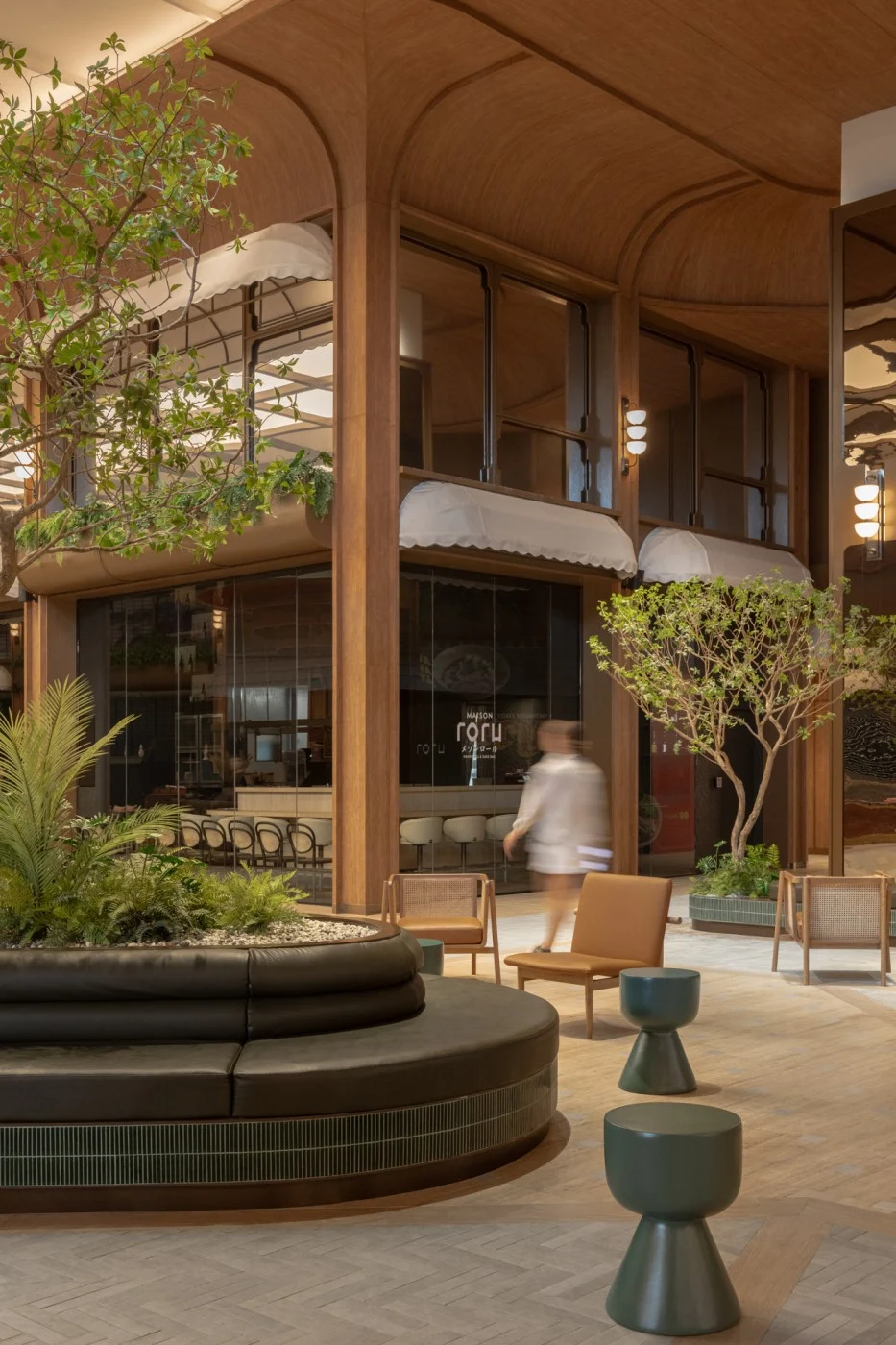
Guests spend their interim time in lavishly appointed environments that rival five-star hotels. PS facilities feature private day rooms equipped with daybeds, en-suite bathrooms, fully stocked bars, curated catering options from top-tier local chefs, spa treatment rooms, and manicured outdoor gardens. Every architectural detail is engineered to reduce cortisol levels and replace the ambient anxiety of air travel with tranquility and control.
Market Demographics and Strategic Leadership
Serving ultra-high-net-worth individuals, entertainment moguls, Fortune 500 CEOs, and diplomats requires navigating a uniquely complicated business model. The clientele expects absolute discretion, flawless execution, and intuitive service that anticipates needs before they are articulated.
CEO Amina Belouizdad Porter brought a unique dual perspective to this challenge upon stepping into leadership. Drawing on her extensive background in private equity, Porter approaches network expansion, real estate acquisition, and unit economics with rigorous financial discipline. Simultaneously, her foundational experience in hotel development informs her deep appreciation for the human element of hospitality—the subtle nuances of staff training, guest recognition, and emotional resonance that transform a transaction into an experience.
In interviews discussing the philosophy of the brand, Porter emphasizes that scaling luxury is fundamentally about protecting the intimacy of the guest experience. While standard commercial airlines scale by adding seats and standardizing processes, PS scales by replicating localized excellence across diverse geographic markets. Each new terminal is meticulously integrated with local culinary partners, regional design aesthetics, and tailored security logistics to ensure that the brand feels both globally consistent and locally authentic.
Economic Implications and the Future of Airport Infrastructure
The rapid expansion of private terminal networks like PS reflects a broader structural shift in the global aviation and luxury markets. As commercial airports become increasingly crowded and security protocols more burdensome, the economic divide between standard travel and premium experiences has widened dramatically. Passengers who can afford to pay for time and peace of mind are increasingly unwilling to accept the indignities of public terminal congestion.
Industry analysts note that the success of PS highlights a lucrative niche within airport real estate development. By leasing underutilized parcels of land near major runways and partnering with airport authorities eager to enhance their premium offerings, private terminal operators are creating high-yield revenue streams that benefit both airport operators and local economies. Furthermore, the presence of such facilities can serve as a powerful recruitment tool for regional airports seeking to attract high-yield international carriers and business travelers.
Looking ahead, the trajectory of PS points toward continued domestic expansion and potential international exploration. As major hubs across North America and Europe grapple with capacity constraints and rising passenger volumes, the demand for off-terminal infrastructure is projected to surge. By successfully proving that private terminals can operate harmoniously within complex mega-airports like Atlanta, Dallas, Miami, and Los Angeles, PS has established a blueprint for the future of elite mobility.
Ultimately, the brand’s success underscores a fundamental truth of modern consumer behavior: time is the ultimate luxury, and privacy is the rarest commodity. By bridging the gap between commercial aviation and private jet standards, PS has not only carved out a unique market category but has permanently raised expectations for how the world’s most affluent travelers experience flight.



 Dwi Wanna

 Anjar Salim
 Lukman Taruna Persada Ramadan

 Budi Mulyono
