
 Tatiana Tantri Indah Sari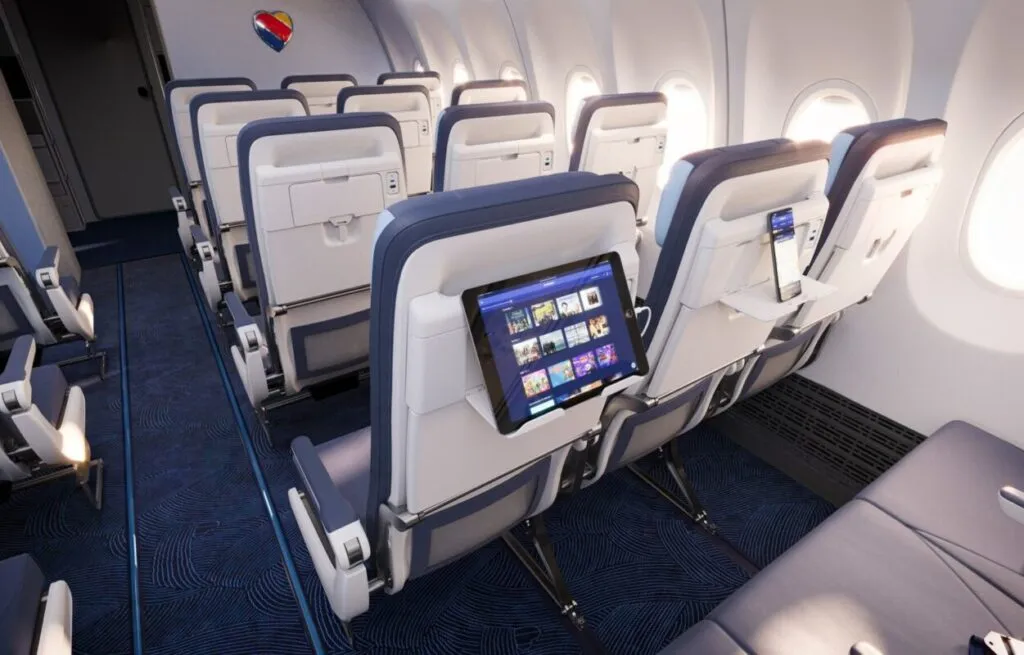
Southwest Airlines has announced a deepened commitment to enhancing its network, products, and pricing strategies, signaling a pivotal move to fortify its profitability and optimize long-term earnings potential. This strategic reorientation comes on the heels of a robust second quarter, where the carrier reported a record revenue of $8.4 billion, marking a significant 16.4% increase compared to the previous year. The impressive financial performance was primarily driven by strategic adjustments to airfares and baggage fees, implemented to effectively counterbalance persistent fuel costs and broader inflationary pressures impacting the aviation sector.
Second Quarter Financial Performance and Strategic Imperative
In a statement addressing the company’s performance, CEO Bob Jordan emphasized the airline’s unwavering focus on refining its operational framework across key areas. "Our business model now benefits from a broader and more diversified approach," Jordan stated, hinting at a fundamental evolution in how Southwest approaches market dynamics and customer engagement. He attributed the airline’s recent successes and improved profitability to a series of "significant changes" undertaken over the past two years, underscoring a period of intensive self-assessment and strategic recalibration.
The $8.4 billion revenue milestone for the second quarter not only set a new company record but also exceeded analysts’ expectations, signaling a strong rebound in travel demand coupled with effective revenue management. This figure translates into a substantial increase in passenger revenue per available seat mile (PRASM), a key industry metric, indicating improved pricing power and optimized capacity utilization. While specific profit margins were not fully detailed in the initial announcement, the emphasis on profitability enhancement suggests a healthy net income and earnings per share performance, reinforcing investor confidence in the airline’s recovery trajectory. The increase in airfares and the strategic reintroduction or adjustment of baggage fees were critical components in mitigating the impact of rising fuel expenses, which continue to be a volatile factor for all airlines. Southwest, traditionally known for its "Bags Fly Free" policy, has subtly adjusted its ancillary revenue streams, reflecting an industry-wide trend to diversify income beyond base ticket prices.
A Business Model Under Transformation: From Simplicity to Strategic Complexity
Southwest Airlines has historically carved out a unique niche in the aviation industry, celebrated for its simple, point-to-point network, a single aircraft type (Boeing 737), no change fees, and the iconic "two free checked bags" policy. This straightforward model fostered strong brand loyalty and operational efficiency for decades. However, the airline industry has undergone profound shifts, particularly in the wake of the global pandemic and subsequent economic turbulence.
The "significant changes" Bob Jordan referenced are a direct response to these evolving market conditions and internal challenges. A critical turning point for Southwest was the widespread operational meltdown experienced in December 2022, which resulted in thousands of flight cancellations, stranding countless passengers and inflicting substantial reputational and financial damage. This event served as a stark catalyst for introspection, highlighting vulnerabilities in the airline’s operational technology, crew scheduling systems, and overall network resilience.
In the aftermath of the meltdown, Southwest initiated a comprehensive review and subsequently committed substantial investments to upgrade its technological infrastructure, particularly in areas related to crew scheduling, irregular operations management, and network planning. The airline acknowledged that its legacy systems, while robust for simpler operations, struggled under the complexities of a larger, more intricate network and unexpected disruptions. This period of intense self-analysis marked a departure from its traditional conservative approach to IT spending and signaled a deeper commitment to modernizing its operational backbone.
Chronology of Strategic Evolution
- Pre-Pandemic (2010s): Southwest maintains its core low-cost, point-to-point model, enjoying consistent profitability and high customer satisfaction. Gradual expansion into international markets begins, albeit cautiously.
- Early 2020: The COVID-19 pandemic severely impacts air travel, leading to unprecedented losses, fleet groundings, and government aid. Southwest, like its peers, struggles to adapt to drastically reduced demand.
- Late 2020 – 2021: Travel demand begins to recover, but operational challenges emerge due to staffing shortages, supply chain issues, and a rapid ramp-up of capacity. Southwest faces sporadic operational disruptions.
- December 2022: A severe winter storm combined with an outdated crew scheduling system triggers an unprecedented operational meltdown, leading to over 16,000 flight cancellations and significant financial penalties and customer refunds.
- Early 2023: Southwest embarks on a multi-year plan to overhaul its operational technology, invest in new crew scheduling software, and re-evaluate its network strategy to build greater resilience. CEO Bob Jordan explicitly states the need for "modernization and strategic changes."
- Q2 2023: The airline reports record revenue, attributing it to strategic pricing and network adjustments. The emphasis shifts to optimizing the business model for long-term profitability and earnings potential, indicating a tangible return on initial strategic investments.
Deep Dive into Network, Products, and Pricing Strategies
Network Enhancement:
Southwest’s traditional network focused on point-to-point connections, often bypassing major hubs, which offered efficiency but sometimes limited connectivity for passengers. The current "network enhancement" strategy involves a more sophisticated approach. This includes:
- Optimized Route Structure: A reassessment of underperforming routes and an emphasis on high-demand corridors. This might involve increasing frequencies on profitable routes, adjusting capacity on seasonal routes, and even experimenting with new city pairs that leverage Southwest’s unique operational advantages.
- Hub-and-Spoke Integration (Subtle): While not abandoning its point-to-point philosophy entirely, Southwest is exploring ways to create more efficient connections through key cities, effectively operating as mini-hubs for specific regions without the full complexity of traditional hub-and-spoke carriers. This allows for better utilization of its single-fleet type and crew resources.
- Increased International Footprint: Building on its existing, albeit limited, international routes, Southwest is likely evaluating opportunities for expansion into new markets, particularly in the Caribbean and Latin America, where its low-cost model can be highly competitive.
- De-risking the Network: A direct lesson from the December 2022 meltdown. This involves building in more buffer time between flights, strategically positioning spare aircraft and crews, and reducing the density of flights in highly congested airspaces or during peak weather seasons to minimize cascading delays.
Product Enhancement:
While Southwest has historically kept its product offering relatively basic to maintain low costs, the evolving competitive landscape and customer expectations are prompting a more nuanced approach. Product enhancements are likely to include:
- Improved In-Flight Connectivity: Investing in faster, more reliable Wi-Fi across its fleet, recognizing that internet access is now a standard expectation for many travelers.
- Enhanced Entertainment Options: Expanding free in-flight entertainment choices, including movies, TV shows, and live TV, accessible via passengers’ personal devices.
- Cabin Refurbishments: A phased approach to modernizing cabin interiors, including updated seating, power outlets at every seat, and improved overhead bin space, enhancing the overall passenger experience.
- Digital Experience: Significant investments in its mobile app and website to streamline booking, check-in, and in-flight services, offering more personalized interactions and self-service options.
- Loyalty Program Evolution (Rapid Rewards): While already popular, Southwest may explore ways to further enrich its Rapid Rewards program, potentially through new partnership opportunities or more flexible redemption options, to drive repeat business and increase customer lifetime value.
Pricing Strategy:
Southwest’s pricing has traditionally been simpler than legacy carriers, with fewer fare classes and a strong emphasis on value. The current shift indicates a move towards more sophisticated yield management and revenue optimization:
- Dynamic Pricing Models: Leveraging advanced data analytics and artificial intelligence to adjust fares in real-time based on demand, competitor pricing, and historical booking patterns. This allows Southwest to capture higher revenue during peak periods and stimulate demand during off-peak times.
- Ancillary Revenue Optimization: Beyond the adjusted baggage fees, this could include exploring options for preferred seating, early boarding add-ons, and bundled fare options that offer different levels of flexibility and amenities, catering to a broader spectrum of customer needs.
- Competitive Matching: A more proactive approach to monitoring and responding to competitor pricing, ensuring Southwest remains competitive on key routes while maximizing its own revenue.
- Business Travel Focus: While strong in leisure, Southwest is also enhancing its appeal to business travelers through improved corporate booking tools, better connectivity, and tailored loyalty benefits.
Official Responses and Inferred Reactions
While specific statements from industry analysts or competitors were not provided in the original snippet, the market generally views Southwest’s strategic pivot as a necessary and timely evolution. Analysts have consistently pointed to the need for Southwest to modernize its operations and diversify its revenue streams to remain competitive against both ultra-low-cost carriers and full-service airlines. The record Q2 revenue is likely to be met with positive sentiment from investors, signaling that the initial phases of the strategic overhaul are yielding tangible results.
Competitors, particularly those operating in similar domestic markets, are undoubtedly monitoring Southwest’s moves closely. The increased focus on network optimization and sophisticated pricing suggests a more aggressive stance in market share battles, potentially leading to intensified fare competition on certain routes. However, the overall industry trend towards higher fares and ancillary revenue generation indicates a shared understanding of the need to offset rising operational costs.
Broader Impact and Implications
The implications of Southwest’s strategic enhancements are multifaceted, touching upon passengers, employees, investors, and the broader aviation industry.
- For Passengers: While the "two free bags" policy remains a cornerstone, passengers may experience a more segmented pricing structure, with options for added amenities at a cost. The network enhancements promise more reliable service and potentially new route options, while product upgrades aim to improve the overall travel experience. The emphasis on operational resilience should lead to fewer disruptions, a welcome change for frequent flyers.
- For Employees: The investment in new technology and operational improvements is expected to alleviate some of the pressures on front-line employees, particularly pilots and flight attendants, who bore the brunt of past operational meltdowns. A more stable and efficient operation could lead to improved morale and better working conditions.
- For Investors: The strategic focus on profitability and optimized earnings potential is a clear signal of long-term value creation. Sustained financial performance and improved operational reliability are crucial for maintaining investor confidence and driving share price appreciation.
- For the Industry: Southwest’s evolution reflects a broader trend within the airline industry towards more dynamic business models, leveraging technology and data to maximize revenue and efficiency. Its moves could prompt other carriers to re-evaluate their own strategies, particularly concerning ancillary revenue and network optimization, potentially accelerating innovation and competition across the sector.
In conclusion, Southwest Airlines is navigating a transformative period, moving beyond its foundational simplicity to embrace a more sophisticated, data-driven approach to its business. The record second-quarter revenue provides a strong affirmation of this strategic direction, validating the substantial investments and operational overhauls undertaken in recent years. By meticulously refining its network, enhancing its product offerings, and strategically optimizing its pricing, Southwest aims not only to bolster its current profitability but also to secure a resilient and competitive position in the dynamic global aviation landscape for years to come. The journey from a period of operational distress to a renewed focus on strategic growth underscores a mature evolution for an airline long celebrated for its distinctive model.


 Chandra Hamzah
 Budi Mulyono
 Anjar Salim
