
 Tatiana Tantri Indah Sari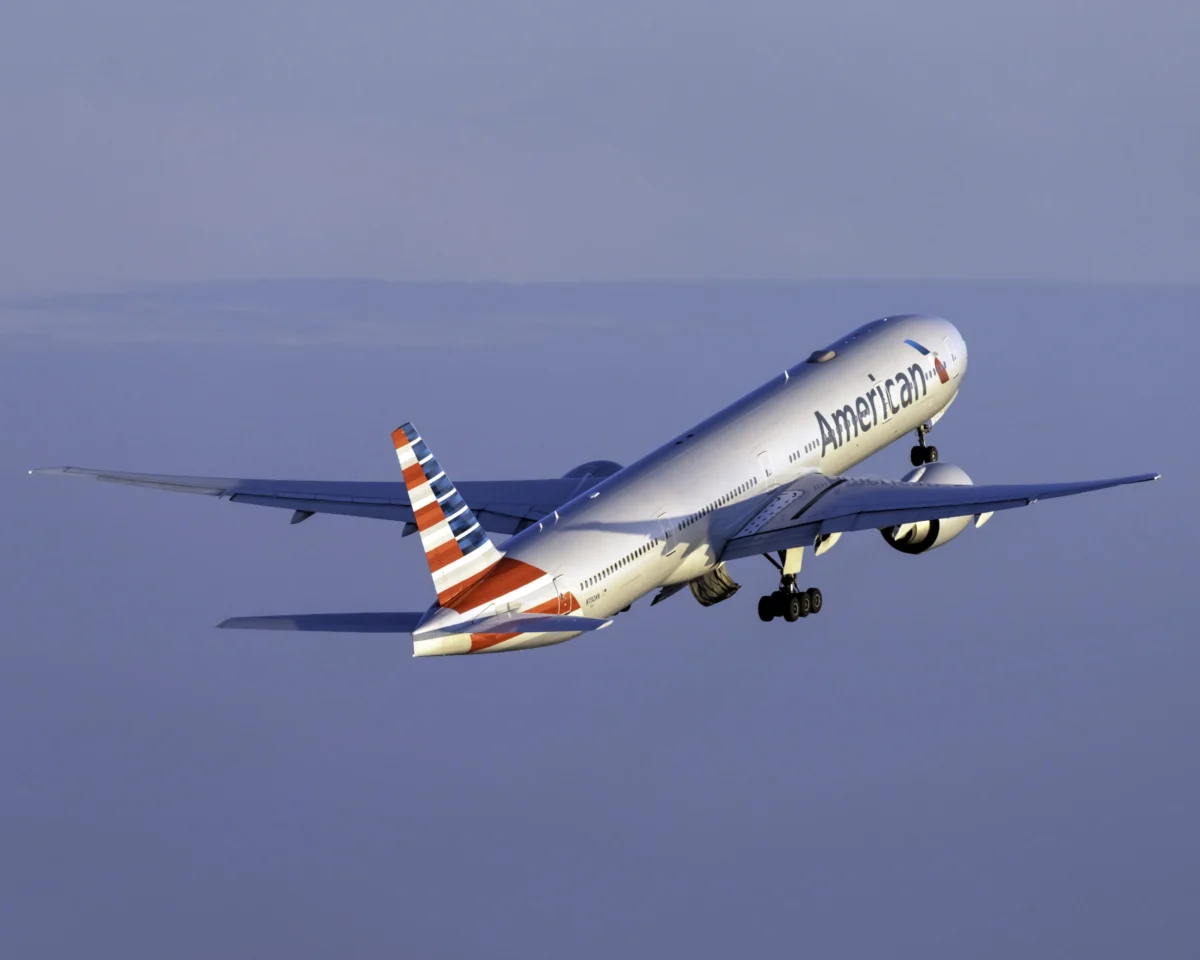
American Airlines Leads Q2 Earnings with Robust Pricing Power Amidst Industry Recovery
American Airlines demonstrated a significant ability to leverage pricing power in the second quarter of 2022, reporting strong financial results that underscored a broader industry trend of capitalizing on resurgent travel demand despite escalating operational costs, particularly fuel. The Fort Worth-based carrier announced on Thursday that it successfully offset half of its substantial fuel expenses in the second quarter through strategically implemented higher fares, a testament to the strong consumer willingness to pay for travel experiences. This aggressive pricing strategy not only mitigated a major cost headwind but also propelled American Airlines to a record revenue of $16.7 billion for the quarter, marking a substantial 16.3% increase over the same period in 2019, the last comparable pre-pandemic year. The carrier posted a net profit of $71 million, a critical turnaround reflecting the efficacy of its revenue management and operational strategies.
Robert Isom, CEO of American Airlines, highlighted the breadth of this revenue growth, confirming that increased revenue was observed across all key segments: premium cabins, main cabin, domestic routes, and international services. This comprehensive growth signals a widespread recovery in travel demand, moving beyond just leisure segments to include a nascent return of business and international travel, which traditionally command higher yields. The airline’s performance stands as a bellwether for the aviation sector, indicating a fundamental shift in market dynamics where carriers are finding renewed strength in their ability to manage supply and demand, ultimately passing on cost increases to consumers without significantly dampening demand.
The Ascent of Pricing Power: A Post-Pandemic Phenomenon
The concept of pricing power, or a firm’s ability to raise prices without losing market share or seeing a significant drop in demand, has become central to the airline industry’s narrative in the wake of the COVID-19 pandemic. For years, airlines were often characterized by thin margins and intense price competition, frequently resorting to fare wars that eroded profitability. The pandemic, however, reset the competitive landscape and consumer behavior. As global economies reopened and travel restrictions eased, a surge of pent-up demand, often termed "revenge travel," overwhelmed available capacity. This imbalance, coupled with a shift in consumer spending from goods to experiences, created an opportune environment for airlines to reassert control over their pricing strategies.
Several factors converged to empower airlines with this newfound pricing leverage in Q2 2022. Firstly, unprecedented inflation across various sectors of the economy normalized higher prices for consumers, making increased airfares seem less an outlier and more a part of a broader inflationary trend. Secondly, significant capacity constraints, driven by lingering labor shortages (pilots, flight attendants, ground staff), aircraft delivery delays, and air traffic control limitations, meant that supply struggled to keep pace with demand. This artificial scarcity allowed airlines to command premium prices for available seats. Thirdly, the strategic decisions made during the pandemic, such as retiring older, less fuel-efficient aircraft and streamlining operations, inadvertently contributed to a leaner industry structure, capable of more effectively managing capacity and pricing.
American Airlines’ Second Quarter Triumph: A Deep Dive
American Airlines’ Q2 2022 results provide a detailed case study in the successful application of pricing power. The record $16.7 billion in revenue surpassed internal expectations and marked a critical milestone in the airline’s recovery trajectory. This figure represents not only a 16.3% increase compared to Q2 2019 but also a significant leap from the $8.9 billion reported in Q1 2022, underscoring the rapid acceleration of travel demand into the peak summer season. The ability to offset 50% of fuel expenses through higher fares is particularly noteworthy, given the dramatic increase in global crude oil prices during the period. Jet fuel prices, which typically track crude oil, saw year-over-year increases exceeding 70% in Q2 2022, posing an existential threat to carriers without robust revenue generation capabilities.
The $71 million net profit, while modest compared to the revenue, signifies a crucial return to profitability for American Airlines after several quarters of substantial losses. This profit was achieved despite the significant operational challenges and cost pressures that characterized the quarter. CEO Robert Isom’s remarks about broad-based revenue growth are key to understanding the underlying strength of the recovery. The demand for premium cabins, including first class and business class, often indicates a return of high-yield business travel and affluent leisure travelers willing to pay more for comfort and convenience. Similarly, the strength in both domestic and international segments suggests a comprehensive rebound, with transatlantic routes and other long-haul services gradually regaining their pre-pandemic vitality, further contributing to higher average fares. American Airlines’ operational efficiency also played a role, with the airline reporting improved completion factors and on-time performance metrics relative to some competitors, which can also command a slight premium from travelers seeking reliability.
Chronology of Recovery and Challenges
The airline industry’s journey to Q2 2022’s pricing power phenomenon is rooted in a turbulent chronology spanning the past two and a half years:
- Early Pandemic (Spring 2020 – Late 2020): The onset of COVID-19 brought global air travel to an unprecedented standstill. Airlines grounded vast portions of their fleets, furloughed employees, and reported historic losses. Government aid packages, such as the CARES Act in the U.S., were critical for survival, preventing widespread bankruptcies but also creating a dependence on federal assistance.
- Gradual Reopening (2021): As vaccines became available and restrictions cautiously eased, leisure travel began to show signs of life, primarily in domestic markets. Airlines focused on optimizing their networks for these leisure-heavy routes. However, international and business travel remained severely depressed due to ongoing border closures and corporate travel bans. Fuel prices remained relatively low, but demand was still insufficient for widespread profitability.
- Late 2021 – Early 2022: The Inflection Point: The latter half of 2021 saw a more significant uptick in travel, particularly during holiday periods. The Omicron variant caused a brief dip, but demand quickly rebounded. Critically, geopolitical events, particularly the conflict in Ukraine starting in February 2022, sent global energy prices soaring. This sudden and dramatic increase in fuel costs presented airlines with a new, formidable challenge just as they were beginning to recover.
- Q1 2022 Context: While demand continued to strengthen, Q1 2022 was still marked by the initial shock of rising fuel prices and ongoing operational issues. Many airlines, including American, reported losses, though significantly narrower than previous periods, signaling the nascent recovery. Capacity remained below 2019 levels, but bookings for the summer peak season began to indicate robust demand.
- Q2 2022: Peak Summer Surge: This quarter witnessed the full force of pent-up demand meeting constrained supply. Fuel prices remained elevated, putting immense pressure on operating expenses. However, the strong desire for travel, coupled with limited seats and fewer flights than pre-pandemic, created the ideal conditions for airlines to implement significant fare increases. This period saw airlines across the board report strong revenue figures, driven primarily by higher yields rather than increased capacity.
Industry-Wide Trends and Supporting Data
American Airlines’ success in leveraging pricing power is reflective of broader industry trends. Supporting data from various sources corroborates this narrative:
- Fuel Costs: The average price of jet fuel in Q2 2022 hovered around $4.00 per gallon, a stark contrast to under $2.00 per gallon in Q2 2019. Global benchmark crude oil prices, such as Brent and WTI, consistently traded above $100 per barrel for much of the quarter. For an airline like American, consuming billions of gallons annually, this represents an additional cost burden running into billions of dollars.
- Demand Metrics: Data from the Transportation Security Administration (TSA) consistently showed daily passenger throughput at U.S. airports nearing or exceeding 90% of 2019 levels throughout Q2 2022, with several days even surpassing pre-pandemic volumes. The International Air Transport Association (IATA) reported that global revenue passenger kilometers (RPKs) for the period were recovering strongly, indicating robust demand across regions. Load factors—the percentage of available seats filled—were exceptionally high, often exceeding 85-90% on many routes, demonstrating that planes were flying full, further justifying higher fares.
- Consumer Spending: Despite inflationary pressures on household budgets, consumer spending on services, particularly travel and leisure, remained resilient. Economic data indicated a shift in discretionary spending priorities, with consumers prioritizing experiences over material goods after years of pandemic-induced restrictions.
- Other Airlines: Major U.S. carriers like Delta Air Lines and United Airlines also reported strong Q2 earnings, highlighting similar themes of robust demand, higher fares, and efforts to offset fuel costs. Delta, for instance, reported record revenue and strong profitability, emphasizing premium product demand. United similarly highlighted strong international and business travel recovery contributing to revenue strength. This indicates a systemic industry-wide phenomenon rather than an isolated success.
- Capacity Constraints: The global aviation industry faced persistent labor challenges. Pilot shortages, exacerbated by early retirements during the pandemic and a slow pipeline for new recruits, forced airlines to trim schedules. Air traffic control staffing issues in key regions also led to flight delays and cancellations, further limiting the effective supply of available seats. Aircraft manufacturing delays, stemming from supply chain disruptions, meant that new, more fuel-efficient planes were not entering service as quickly as planned, keeping overall capacity below 2019 levels.
Official Responses and Analyst Perspectives
Airline executives, including American’s Robert Isom, have consistently articulated a strategy centered on maximizing revenue yields and maintaining operational reliability. Public statements from airline CEOs throughout Q2 2022 emphasized the "unprecedented demand environment" and the need to "recapture value" for shareholders after years of losses. The focus was on "prudent capacity management" – a euphemism for keeping supply slightly below demand to support higher fares.
Industry analysts largely welcomed these Q2 results, viewing them as a strong signal of the industry’s fundamental health and pricing power. Financial institutions like JP Morgan and Goldman Sachs published reports acknowledging the airlines’ successful navigation of cost headwinds. Analysts noted that while fuel prices remained a significant concern, the ability to pass on a substantial portion of these costs to consumers demonstrated a newfound maturity in airline revenue management. Some analysts, however, expressed caution, warning that the sustainability of this pricing power could be tested by a potential economic downturn, which might dampen discretionary travel spending, or by a significant increase in industry capacity that could reignite price competition. Consumer advocacy groups, while not directly quoted, have expressed concerns over the rising cost of air travel, highlighting potential impacts on affordability and accessibility for certain segments of the population.
Implications for the Future of Air Travel
The strong Q2 2022 earnings, spearheaded by airlines like American, carry significant implications for the future of air travel:
- Consumer Impact: Travelers can expect sustained higher airfares in the short to medium term. This may lead to changes in booking behavior, with consumers booking further in advance to secure better deals, becoming more flexible with travel dates, or opting for shorter trips to manage costs. The era of ultra-cheap air travel, particularly for spontaneous trips, may be temporarily or permanently over, at least for the foreseeable future.
- Airline Strategy: Carriers are likely to continue prioritizing yield management over pure volume growth. This means a continued focus on premium products, dynamic pricing models, and network optimization to maximize revenue per available seat mile (RASM). Investments in operational resilience, including hiring and training, will be critical to ensure that airlines can meet demand without incurring costly disruptions, which can erode consumer trust and profitability.
- Economic Impact: A thriving airline sector contributes significantly to global GDP through tourism, trade, and job creation. However, persistently high airfares could become an inflationary pressure point in the broader economy, impacting travel-dependent industries. The ability of airlines to generate profits in a high-cost environment could also signal broader economic resilience, even amid inflationary pressures.
- Sustainability of Pricing Power: The longevity of this pricing power is contingent on several factors. A significant global economic recession could severely curtail discretionary travel, weakening demand. A substantial increase in airline capacity, either through new aircraft deliveries or a resolution of labor shortages, could shift the supply-demand balance back towards competition. Furthermore, a stabilization or decline in fuel prices, while beneficial for costs, might reduce the justification for current fare levels, potentially leading to downward pressure on prices. Geopolitical stability and the absence of new health crises are also crucial.
- Regulatory Scrutiny: Should airfares continue to climb disproportionately, there could be increased regulatory scrutiny from governments concerning competition, transparency in pricing, and consumer protection. While airlines operate in a competitive market, a sustained period of high profitability across the board might attract attention from antitrust bodies.
Navigating the Skies Ahead
American Airlines’ robust second-quarter performance, driven by its effective utilization of pricing power, marks a pivotal moment for the airline industry. It underscores a sector that has not only survived an unprecedented crisis but has also strategically adapted to a new market reality. While the path ahead remains subject to macroeconomic fluctuations, geopolitical events, and the ongoing battle against inflation, the Q2 2022 earnings season has demonstrated the airlines’ newfound confidence in their ability to manage costs and generate substantial revenue, even in challenging environments. The industry is navigating a complex landscape, but with strong consumer demand as its tailwind and refined pricing strategies as its compass, it appears better positioned than ever to chart a course towards sustainable profitability. The question now shifts from whether airlines can recover to how long they can maintain this valuable pricing leverage.




 Anjar Salim
 Chandra Hamzah
 Budi Mulyono
 Lukman Taruna Persada Ramadan
