
 Tatiana Tantri Indah Sari
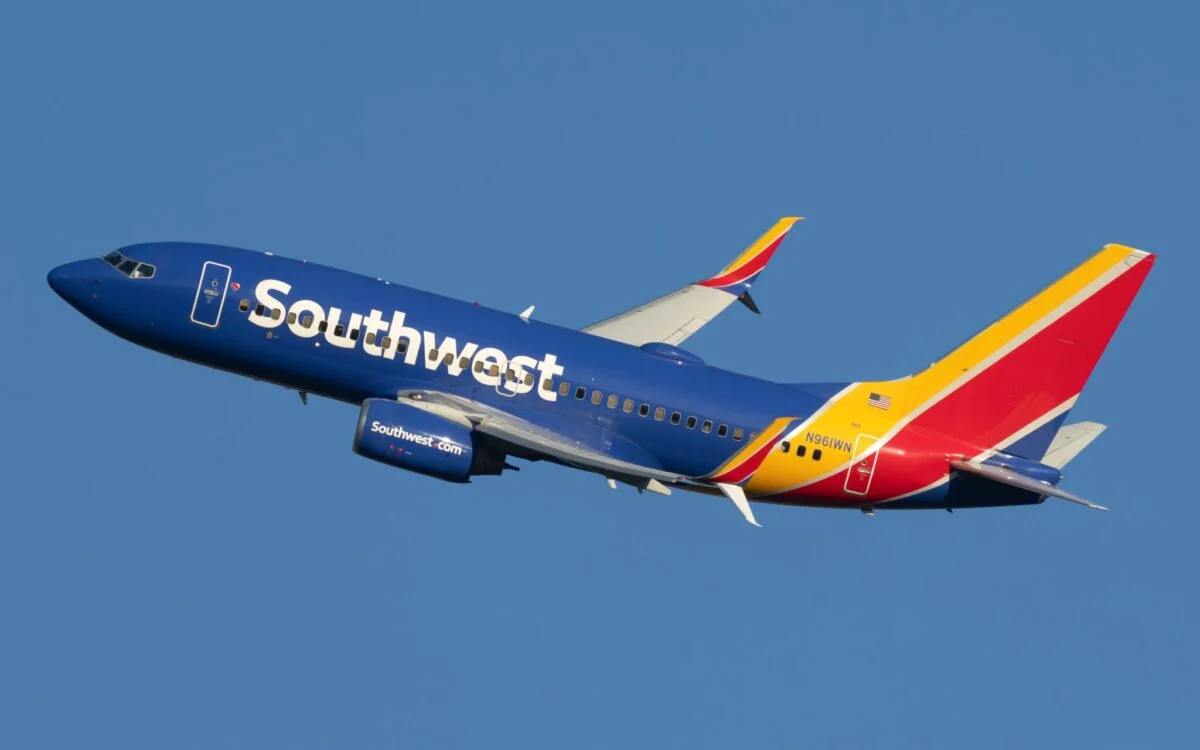
Southwest Airlines has officially lowered its full-year profit guidance for 2026, citing intense pressure from soaring jet fuel prices that are projected to reach up to $4.55 per gallon during the final quarter of the year. The Dallas-based carrier, historically known for its disciplined financial forecasting and aggressive hedging strategies, revealed that the prolonged volatility in global energy markets has made previous financial targets untenable. This strategic retreat underscores the persistent vulnerability of the commercial aviation sector to macroeconomic shocks, particularly the unpredictable trajectory of petroleum commodities.
The announcement marks a significant departure from earlier corporate optimism. For the majority of the year, airline executives had resisted adjusting their financial projections, hoping that seasonal market stabilizations would alleviate cost pressures. However, persistent geopolitical tensions, supply chain bottlenecks within the refining sector, and fluctuating crude oil inventories have conspired to drive jet fuel expenses to levels that are severely compressing profit margins across the industry.
Revised Financial Metrics and Fourth-Quarter Projections
Under the newly updated financial outlook, Southwest Airlines now expects its adjusted earnings per share (EPS) for the full year of 2026 to land within a tightened range of $2.60 to $2.85. This represents a substantial downgrade from its previous forecast, which projected adjusted earnings of approximately $4.00 per share.
Furthermore, the carrier provided a preliminary financial forecast for the fourth quarter of 2026, estimating adjusted earnings per share to range between 55 cents and 80 cents. This cautious near-term outlook reflects not only the direct burden of paying upwards of $4.55 a gallon for jet fuel in the final months of the year, but also the broader challenges of managing operational overhead during a period of shifting consumer demand and rising labor costs.

Financial analysts note that fuel typically constitutes one of the largest single operating expenses for commercial airlines, often rivaling labor in terms of budgetary impact. When fuel prices spike unexpectedly, carriers are frequently forced to absorb the costs or attempt to pass them along to consumers via higher airfares—a strategy that carries inherent risks in a highly competitive market where price-sensitive leisure travelers can easily pivot to alternative carriers.
The Historical Context of Airline Fuel Volatility
To understand the gravity of Southwest’s recent downward revision, one must examine the historical relationship between the airline industry and jet fuel expenditures. Over the past two decades, commercial carriers have weathered numerous oil price shocks, ranging from the global financial crisis of 2008 to the pandemic-era supply crunches of 2021 and 2022.
Historically, Southwest Airlines distinguished itself from major legacy competitors through a sophisticated fuel hedging program. By locking in future fuel prices through financial derivatives, the carrier successfully insulated itself from catastrophic market spikes, saving billions of dollars over the years and consistently posting profits while competitors struggled. However, in the wake of the pandemic and subsequent structural shifts in energy markets, Southwest—along with much of the airline industry—has scaled back its long-term hedging positions. This reduction in aggressive hedging has left the carrier more exposed to spot-market price fluctuations, turning what used to be a reliable financial fortress into an area of operational vulnerability.
The timeline leading up to the October 2026 announcement reveals a gradual accumulation of market pressures:
- Early First Quarter 2026: Southwest maintains its optimistic full-year adjusted EPS target of $4.00, anticipating that seasonal dips in crude oil prices would offset winter operating disruptions.
- Late Second Quarter 2026: Global energy markets experience unexpected tightness driven by geopolitical realignments and refinery maintenance schedules. Jet fuel crack spreads—the profit margin refiners make from crude oil—widen significantly, pushing wholesale fuel prices upward.
- Third Quarter 2026: Management holds off on revising guidance, signaling to investors that operational efficiencies and robust summer passenger traffic volumes might cushion the blow of rising fuel bills.
- October 21, 2026: With fourth-quarter procurement contracts locking in steep prices reaching up to $4.55 per gallon, leadership concludes that maintaining the previous full-year forecast is no longer feasible, prompting the official guidance cut.
Industry Implications and Market Reaction
The ripple effects of Southwest’s revised outlook extend far beyond the balance sheet of a single carrier. Wall Street analysts and industry observers are closely monitoring the announcement as a bellwether for the broader U.S. airline sector. If Southwest—widely regarded as a financially conservative operator with a strong balance sheet—is forced to substantially lower its profit expectations due to fuel costs, legacy carriers and ultra-low-cost operators are likely facing similar, if not more severe, margin compression.

Investors reacted swiftly to the news, reflecting broader anxieties regarding airline profitability in an inflationary environment. Airline stocks have historically traded at multiples sensitive to macroeconomic indicators, and margin contraction directly challenges the narrative of post-pandemic structural recovery that has supported airline valuations over the previous two years.
Moreover, the situation highlights the difficult balancing act facing airline revenue managers. While consumer demand for domestic and international leisure travel has remained resilient despite cumulative inflationary pressures, there is a ceiling to what travelers are willing to pay for a ticket. If carriers attempt to fully offset $4.55-per-gallon fuel by aggressively hiking ticket prices, they risk suppressing demand during the traditionally slower winter travel periods, leading to lower load factors and diminished overall revenue.
Strategic Adjustments and Future Outlook
In response to these macroeconomic headwinds, airline executives are increasingly focusing on levers within their direct control. While management cannot dictate the global price of crude oil or the regional cost of jet fuel refining, they can optimize network scheduling, manage capacity growth, and drive non-fuel cost efficiencies.
For Southwest, the immediate priority will be executing a disciplined operational strategy through the fourth-quarter peak holiday travel season. Maximizing aircraft utilization, maintaining high schedule reliability, and managing corporate overhead will be critical components of mitigating the financial impact of high fuel expenditures. Additionally, the carrier continues to evaluate its fleet modernization efforts, gradually introducing more fuel-efficient Boeing aircraft designed to reduce overall burn rates per available seat mile (ASM).
As the industry navigates the closing months of 2026, the primary question for aviation stakeholders is whether high energy costs will prove to be a temporary cyclical spike or a permanent structural hurdle that requires a fundamental reimagining of airline pricing and capacity models. For now, Southwest Airlines’ updated guidance serves as a sobering reminder of the external forces that continually shape the skies, proving that even the most operationally sound carriers remain tethered to the volatile realities of the global energy market.




 Gabriela Annisa

 Lukman Taruna Persada Ramadan

 Anjar Salim

 Dwi Wanna
