
 Budi Mulyono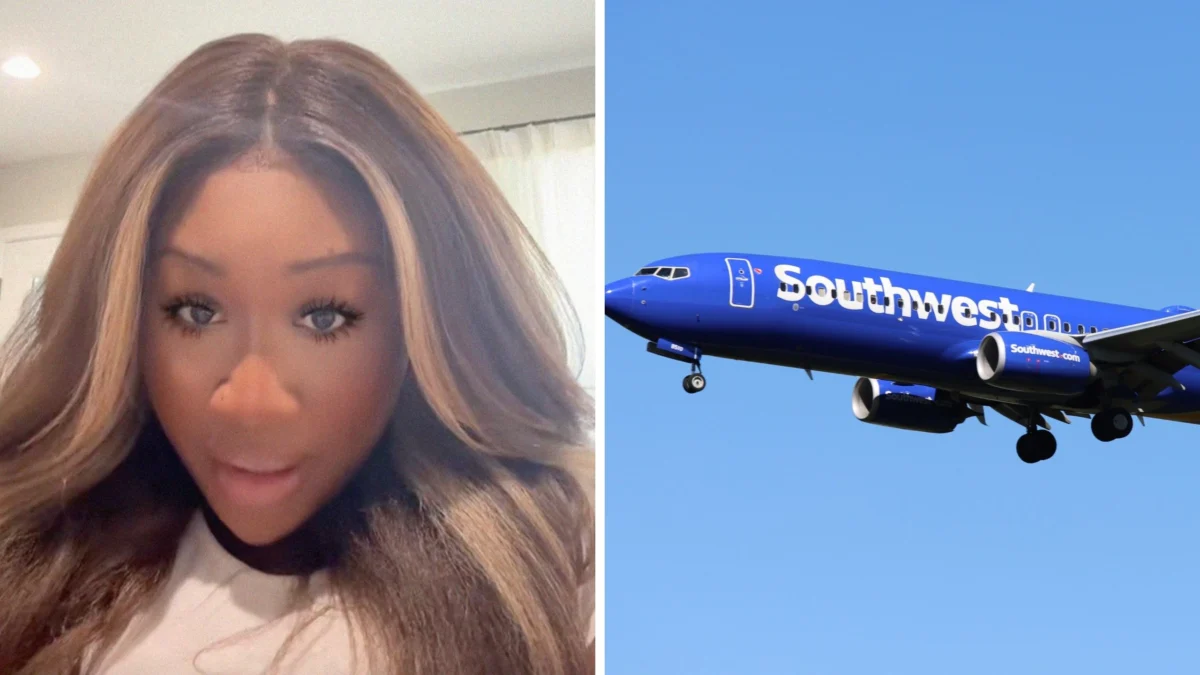
Southwest Airlines is currently navigating a wave of public dissatisfaction as travelers voice concerns over the implementation and financial constraints of its long-standing "Customer of Size" policy. For years, the Dallas-based carrier was lauded as one of the most accommodating airlines for plus-sized passengers, offering a unique system where those requiring extra space could receive a refund for an additional seat. However, recent reports from passengers suggest a shift in how the policy is enforced and a lack of transparency regarding payment methods, leading to allegations of "fat-shaming" and restrictive financial barriers, such as the inability to use existing flight credits to purchase necessary additional seating.
The controversy reached a fever pitch following a viral testimonial from Kayla Anderson, a content creator based in Charlotte, North Carolina. Known online as @thelushdiva, Anderson shared her experience with her 159,000 viewers, detailing a bureaucratic hurdle that prevented her from using a $300 flight credit to secure a third seat for a trip with her daughter. While Southwest’s policy is designed to ensure passenger comfort and safety, Anderson’s account highlights a growing friction between the airline’s stated inclusive goals and the practical, often stressful, realities of booking as a plus-sized traveler.
The Evolution of the Customer of Size Policy
Southwest Airlines has historically distinguished itself from competitors like Delta, United, and American Airlines through its "Customer of Size" policy. While most airlines require passengers who cannot fit within the armrests to purchase a second seat at the prevailing market rate without the promise of a refund, Southwest’s policy allows for a post-flight refund of the additional seat, even if the flight was fully booked. This was intended to encourage passengers to proactively book the space they need, ensuring they are not displaced at the gate and that neighboring passengers are not encroached upon.
Under the official guidelines, a "Customer of Size" is defined as anyone who "encroaches upon any part of the neighboring seat(s)." To utilize the policy, passengers are instructed to purchase the required number of seats in advance. The booking process involves selecting two (or more) passengers and entering the traveler’s name for each, using the middle name "XS" for the additional seat. After the travel is completed, the passenger can contact Southwest Customer Relations to request a refund for the extra seat.
Despite this seemingly generous framework, the policy has become a flashpoint for debate. Travelers have recently taken to social media platforms like TikTok to report instances of inconsistent enforcement. Some claim they were forced to purchase additional seats at the check-in counter or the boarding gate, often at much higher "day-of" prices, while others allege they were humiliated by staff who publicly questioned their physical dimensions in front of other passengers.
The Financial Friction: Flight Credits and Extra Seats
The core of the recent outcry, exemplified by Kayla Anderson’s experience, centers on the financial mechanics of booking these extra seats. Anderson reported that she attempted to use a $300 flight credit—accrued from a previous cancellation—to book a third seat (a second seat for herself and one for her daughter). When the online system repeatedly errored out, she sought assistance from a customer support representative.
According to Anderson, the representative informed her that flight credits cannot be applied toward the purchase of an "extra" seat under the Customer of Size policy. The rationale provided was that because the seat is eligible for a refund, it must be paid for in "new money" (cash or credit card) rather than a credit that was already on the books. This explanation was met with significant frustration. Anderson argued that for many travelers, especially those living on a budget, being forced to pay out-of-pocket for a seat while holding hundreds of dollars in unused credits feels like a "fat tax."
"I don’t give a [expletive] about the flight being full or not," Anderson stated in her video. "I need to sit next to my daughter, and I need to not be harassed at the gate." Her critique points to a systemic issue: if the goal of the policy is truly safety and comfort, the financial barrier to entry should be as low as possible. By restricting the use of credits, the airline inadvertently penalizes passengers who are attempting to follow the rules and be proactive.
Historical Context: The Shrinking Airline Seat
The tension over seating policies is not occurring in a vacuum. It is the result of decades of "densification" in the airline industry. In the 1960s and 1970s, the average economy class seat width was approximately 18 inches. Today, that average has dropped to between 16 and 17 inches on many narrow-body aircraft. Simultaneously, the "pitch"—the distance between one point on a seat and the same point on the seat in front of it—has shrunk from 35 inches to as little as 28 inches on some low-cost carriers.
While seats have been shrinking, the average size of the American passenger has increased. According to data from the Centers for Disease Control and Prevention (CDC), the age-adjusted prevalence of obesity in the United States was 41.9% as of 2020. This physical mismatch has made the "middle seat" a zone of high anxiety for both plus-sized travelers and those seated next to them.
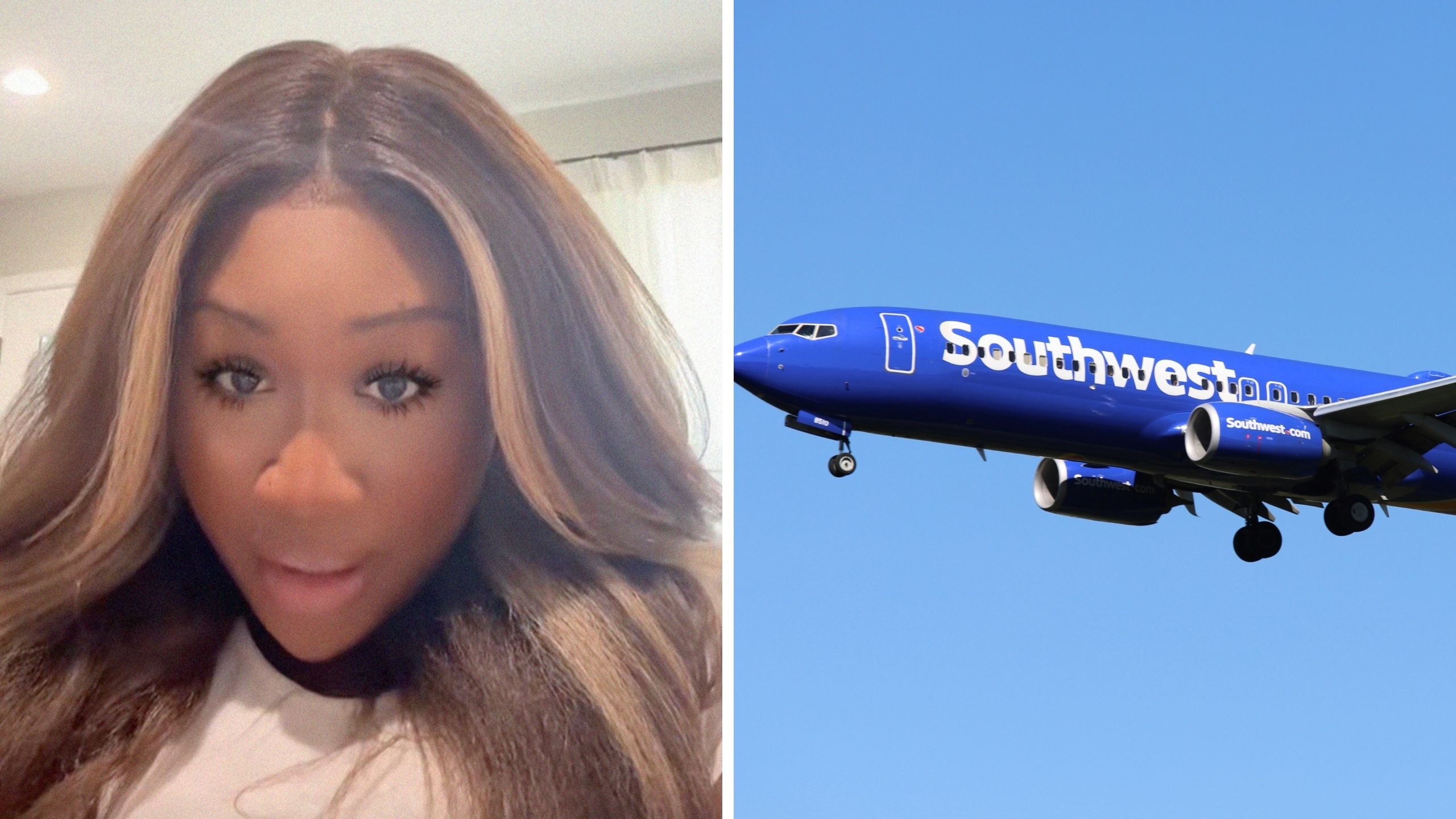
For Southwest, which operates an all-Boeing 737 fleet with a standard 3-3 seating configuration, managing this physical reality is a constant operational challenge. The airline’s open-seating model adds another layer of complexity, as there are no assigned seats to guarantee that a passenger who has purchased an extra seat will actually be able to keep the space clear without a "Reserved" sign, which flight attendants must provide.
Industry Comparison and Regulatory Landscape
Southwest remains the only major U.S. carrier with a formal refund policy for extra seats for plus-sized passengers. Other airlines’ policies are generally more rigid:
- American Airlines: Requires passengers to purchase an additional seat at the time of booking if they require more than the width of a single seat. No refund is offered.
- United Airlines: If a passenger cannot fit in a seat with the armrest down, they may be required to purchase an additional seat or upgrade to a different cabin.
- Delta Air Lines: Does not require the purchase of an additional seat but "strongly encourages" it, noting that if a passenger does not fit, they may be asked to move to a different flight with more open space.
From a regulatory standpoint, the Federal Aviation Administration (FAA) primarily views seating through the lens of safety—specifically, whether a passenger can quickly evacuate in an emergency and whether they can properly use a seatbelt (with an extender if necessary). The Department of Transportation (DOT) has faced increasing pressure from advocacy groups like the National Association to Advance Fat Acceptance (NAAFA) to mandate larger minimum seat sizes, but progress has been slow.
The current legal landscape does not classify obesity as a protected disability under the Americans with Disabilities Act (ADA) in the context of air travel, which gives airlines significant leeway in how they craft and enforce their seating policies.
Broader Implications for Brand Loyalty and Public Perception
The backlash against Southwest is particularly damaging because the airline has long cultivated a "pro-consumer" image. By offering free checked bags and no change fees, Southwest built a loyal customer base that feels a sense of betrayal when policies seem to pivot toward profit-maximization at the expense of dignity.
The social media reaction to Anderson’s video suggests a growing trend of "brand fatigue." Commenters noted that the inconsistency of the policy—where one agent might be accommodating while another is confrontational—creates a "lottery" of customer service that travelers are increasingly unwilling to play. One commenter noted, "The rate at which they are trashing their business has to be studied!"
Furthermore, the ambiguity of the flight credit restriction remains a point of contention. A review of Southwest’s official website and terms and conditions reveals no explicit prohibition on using flight credits for "extra" seats, other than for Getaways vacation packages. This lack of written clarity often leads to "desk-side" policy making, where gate agents or phone representatives interpret rules on the fly, leading to the "harassment" that passengers like Anderson fear.
Conclusion: A Need for Policy Clarity
As the travel industry continues to recover and expand in the post-pandemic era, the intersection of physical space, financial policy, and human dignity will remain a critical issue. For Southwest Airlines, the path forward likely requires a modernization of their booking software to allow for seamless use of all payment forms—including credits—for extra seating.
The airline also faces a training challenge; ensuring that staff across all touchpoints treat "Customers of Size" with consistent empathy and privacy is essential to maintaining their market position. Without clear, written guidelines that are accessible to the public and uniformly enforced by staff, Southwest risks losing a demographic that once viewed them as the only viable option for dignified air travel. As Kayla Anderson’s viral experience demonstrates, it is not just about the seat—it is about the ease of the transaction and the respect afforded to the passenger.




 Anjar Salim
 Chandra Hamzah
 Tatiana Tantri Indah Sari
 Lukman Taruna Persada Ramadan
