
 Budi Mulyono
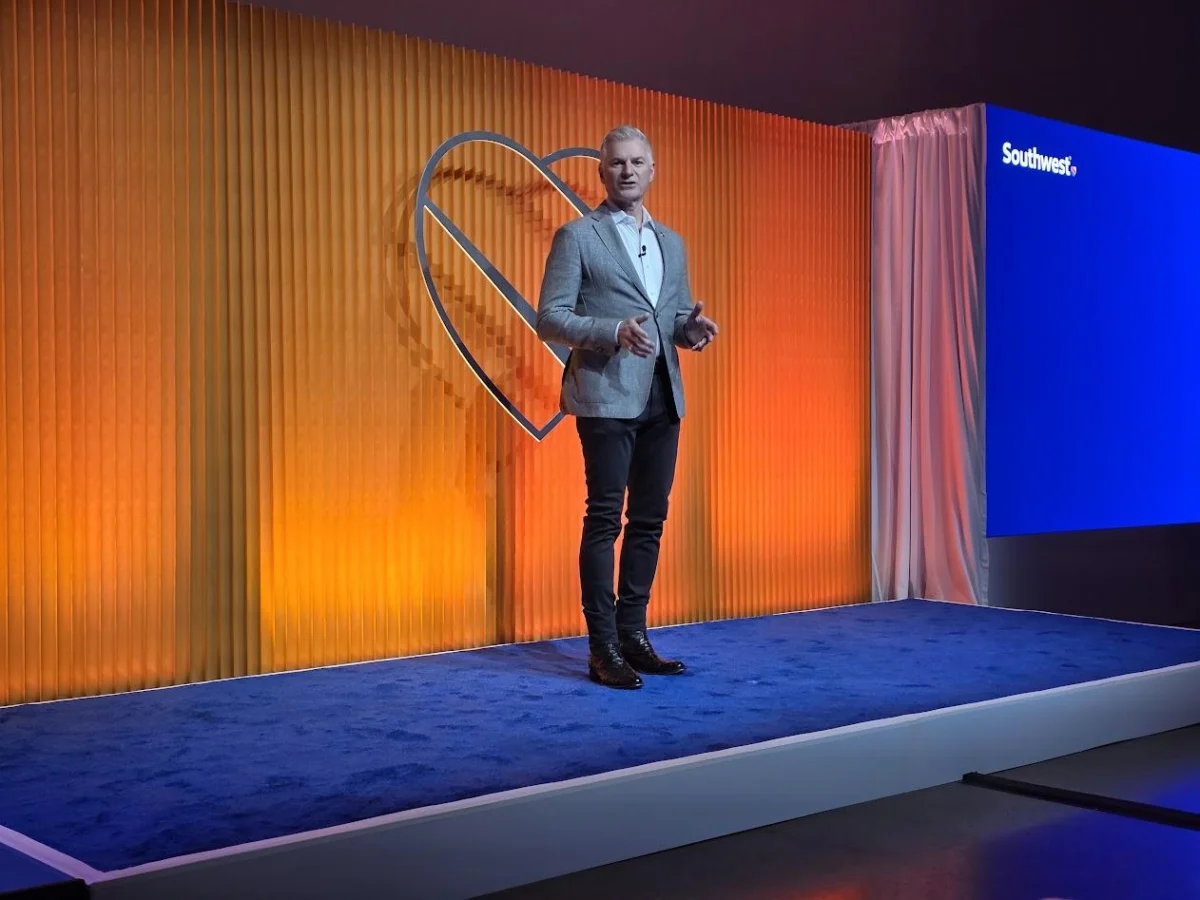
Southwest Airlines is fundamentally reshaping its customer loyalty and product strategy, moving away from decades-old brand staples to capture uncaptured revenue and re-engage high-value flyers. In a leaked internal employee briefing led by Chief Operating Officer Andrew Watterson, Chief Customer and Brand Officer Tony Roach, and Rapid Rewards Vice President Nandika Suri, executives laid out the rationale behind the sweeping 2027 Rapid Rewards program overhaul. The changes signal a definitive transition from Southwest’s historic egalitarian model to a segmented, tiered framework that executives readily admit mirrors competitors across the aviation industry.
The Anatomy of Stagnant Engagement
At the core of Southwest’s recent strategic pivot is a paradox identified within its legacy elite program: top-tier customers were reaching the pinnacle of status and subsequently cutting back on spending. Under the previous structure, once a traveler achieved A-List Preferred status, the primary incentive to direct incremental travel spending toward Southwest diminished. Because the program lacked higher tiers or interim milestone rewards, these high-value passengers felt little compulsion to exceed the baseline requirements for top status.

To counteract this plateau effect, airline leadership has designed a multi-layered progression system. The newly introduced tier structure features Silver (replacing A-List), Gold (replacing A-List Preferred), and a brand-new top tier, Platinum. By inserting intermediate milestones—such as rewards positioned between standard tiers and enhanced benefits like unlimited Companion Pass access at the Platinum level—Southwest aims to keep customers continually striving for the next reward.
According to executive statements in the briefing, the goal is to widen the pool of actively engaged participants. By introducing attainable milestones for casual travelers alongside demanding hurdles for heavy flyers, the airline hopes to eliminate the spending cliff that previously occurred once elite status was secured.
A Simplified Nomenclature and Strategic Realities
The decision to abandon legacy tier names such as A-List and A-List Preferred in favor of the industry-standard Silver, Gold, and Platinum designations has drawn critique from aviation observers. Industry analysts, including Cranky Flier, have argued that Southwest is systematically stripping away its unique, playful brand identity in favor of generic corporate structures that mirror major network legacy carriers.
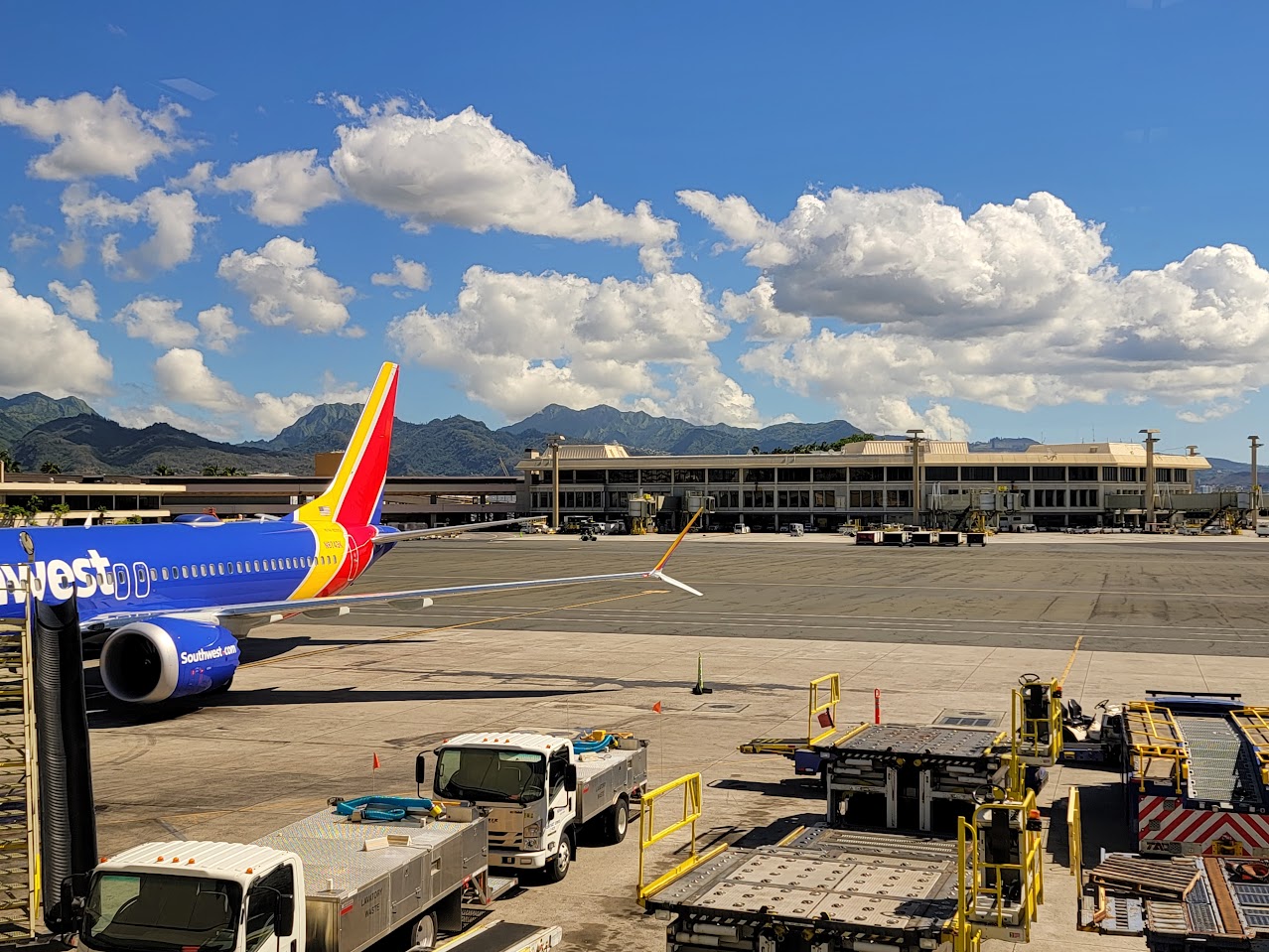
However, internal testing revealed significant consumer confusion regarding the old nomenclature. As Southwest introduced co-branded credit cards bearing names like Plus, Premier, and Priority alongside legacy boarding privileges, customers struggled to differentiate between card benefits and elite status perks. Executives noted that focus groups overwhelmingly preferred a simplified, metal-based hierarchy that aligns with global loyalty program norms. Furthermore, the retirement of the A-List moniker was practically necessitated by Southwest’s concurrent transition away from open seating and traditional group-based boarding toward assigned seating arrangements.
The structural overhaul also addresses the friction of tracking multiple qualifying criteria. Under previous rules, members had to monitor separate point balances to earn elite status and the coveted Companion Pass. The 2027 framework consolidates activity, allowing customers to track progress toward comprehensive milestones through a unified system, although initial credit card acquisition bonuses will no longer count toward tier qualification.
Embracing the Pay-More-Get-More Model
The loyalty program updates are part of a broader corporate pivot first signaled during Southwest’s April 2025 earnings call. For more than 15 years, the airline relied on a distinctive bundled product model that prioritized low base fares, two free checked bags, and open seating. While this strategy fueled rapid expansion, shifting market dynamics and rising operating costs necessitated a change.
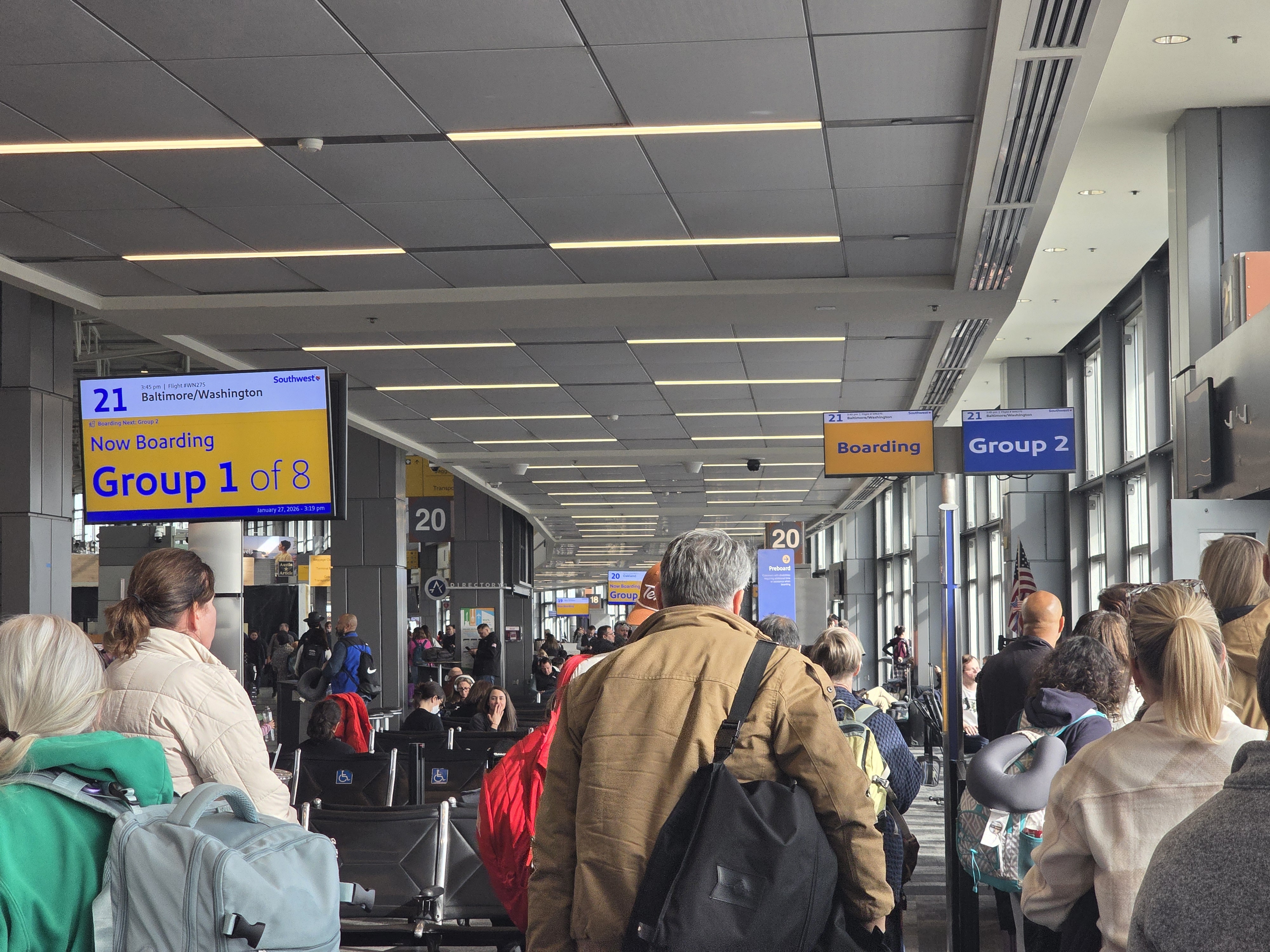
During the briefing, COO Andrew Watterson candidly described the new strategic direction: the carrier is moving toward a pay-more-get-more operational model. While this positions Southwest in closer alignment with legacy network carriers like Delta Air Lines, United Airlines, and American Airlines, executive leadership insists that the airline’s core differentiator will remain rooted in organizational hospitality and operational reliability.
Chief Executive Officer Bob Jordan reinforced this sentiment in a separate message to employees, emphasizing that premium offerings at Southwest are not meant to mimic competitors blindly, but rather to enhance the travel experience through staff-driven hospitality. Nevertheless, the airline faces scrutiny over its on-time performance metrics, even as it maintains strong completion factors by avoiding widespread flight cancellations.
Expanding Infrastructure with Icon Lounges and Premium Credit Cards
To support its higher-tier customers and drive lucrative co-branded credit card sign-ups, Southwest is investing heavily in physical infrastructure, most notably through the development of its proprietary "Icon" airport lounges. The airline showcased design concepts at a recent Media Day, featuring localized aesthetic touches designed to reflect regional culture—such as greenery and checkerboard flooring in Baltimore, and record players with wood liquor cabinets in Nashville.

These lounges are designed to capture revenue from high-spending travelers who historically flew Southwest but purchased premium lounge access elsewhere through competing airline clubs or independent networks. By pairing these upcoming lounges with a planned premium Chase co-branded credit card, Southwest aims to lock customers into an ecosystem of year-round spending, regardless of the consumer’s primary travel motivation.
The Broader Implications and International Ambitions
Every adjustment in Southwest’s evolving business model creates operational pressure for subsequent changes. The airline’s entry into global distribution channels like Google Flights and online travel agencies exposed its base fares directly to ultra-low-cost competitors, accelerating the unbundling of services and the implementation of assigned seating.
Yet, as Southwest adopts traditional airline features, notable gaps remain in its product catalog. Unlike major network competitors, Southwest operates narrowbody fleets without first-class cabins, ovens for hot domestic meal service, or seatback entertainment screens. However, upcoming investments are poised to bridge some of these gaps. A fleetwide rollout of Starlink high-speed Wi-Fi is scheduled for completion by the fall of 2027, drastically improving the digital onboard experience.

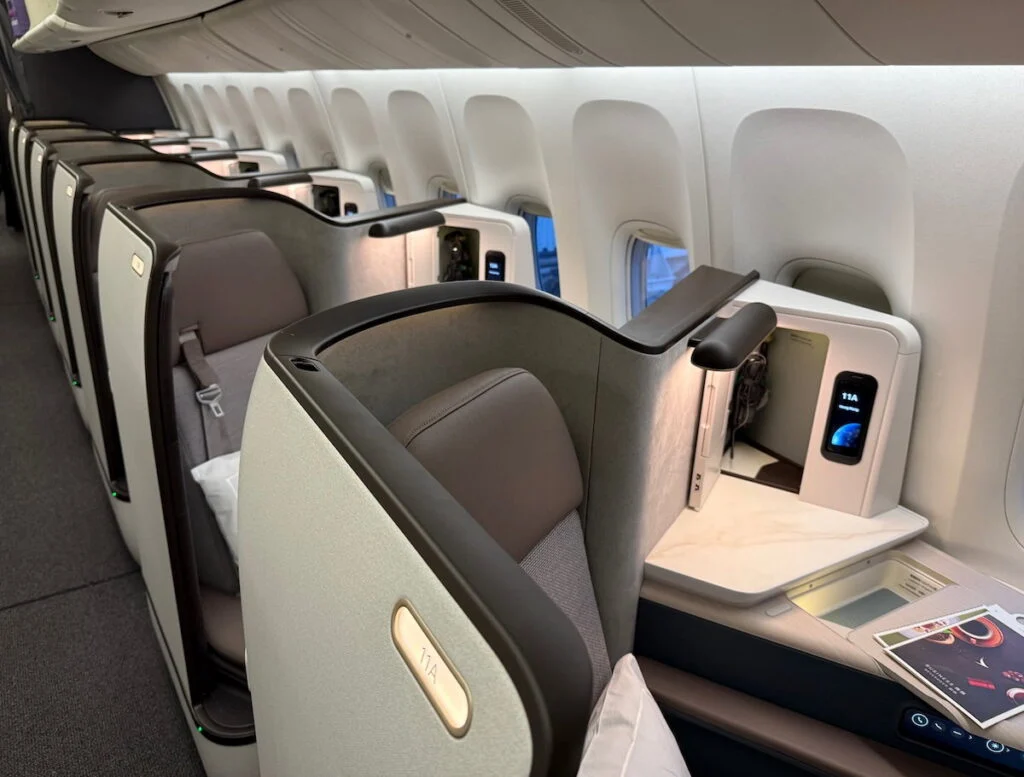
On a global scale, Southwest is laying the groundwork for long-haul international ambitions. The carrier has announced strategic partnerships with Icelandair, Etihad Airways, and China Airlines, slated to begin in spring 2027, which will allow Rapid Rewards members to earn and redeem miles on international flights, including premium cabins. Operating these complex international itineraries—and potentially utilizing widebody aircraft like the Boeing 787 for transatlantic or transpacific routes—will require a robust domestic feed network and substantial revenue generation from high-tier loyalty members and co-branded credit cards.
As Southwest transitions into this new era, its success will depend on whether its loyal customer base accepts a more conventional, segmented airline product anchored by modernized rewards, expanded airport lounges, and the enduring hospitality of its workforce.



 Gabriela Annisa

 Lukman Taruna Persada Ramadan

 Tatiana Tantri Indah Sari

 Anjar Salim


 Dwi Wanna
