
 Dwi Wanna
The landscape of aerial videography is undergoing a significant transformation with the emergence of innovative drone technology. While drones have long been a favored tool for travelers seeking sweeping panoramic shots, regulatory hurdles and technical limitations have often presented challenges. However, a new contender, the Antigravity A1, released in late 2025, is poised to revolutionize this space by effectively rendering traditional gimbals obsolete for a substantial segment of content creators. This groundbreaking device utilizes a sophisticated dual-lens 360-degree capture system, enabling it to record every direction simultaneously. This "fly now, frame later" approach shifts the user experience from piloting a conventional drone to orchestrating a virtual camera within a pre-recorded digital environment, offering unprecedented creative freedom.
The Genesis of a 360-Degree Revolution
The development of the Antigravity A1 is rooted in a growing demand for more immersive and dynamic visual storytelling. Traditional drone videography, while impressive, is inherently limited by the fixed perspective of a single forward-facing camera. Filmmakers and content creators have long sought ways to capture more of the environment, allowing for greater flexibility in post-production and a more engaging viewer experience. The concept of "shoot first, edit later" has gained traction in various fields of digital content creation, and the Antigravity A1 represents a significant leap forward in applying this principle to aerial cinematography. The late 2025 release signifies a strategic entry into a market ripe for disruption, following years of research and development in optical technology, sensor miniaturization, and advanced image processing algorithms.
Dual-Lens Technology: Eliminating Blind Spots for Comprehensive Capture
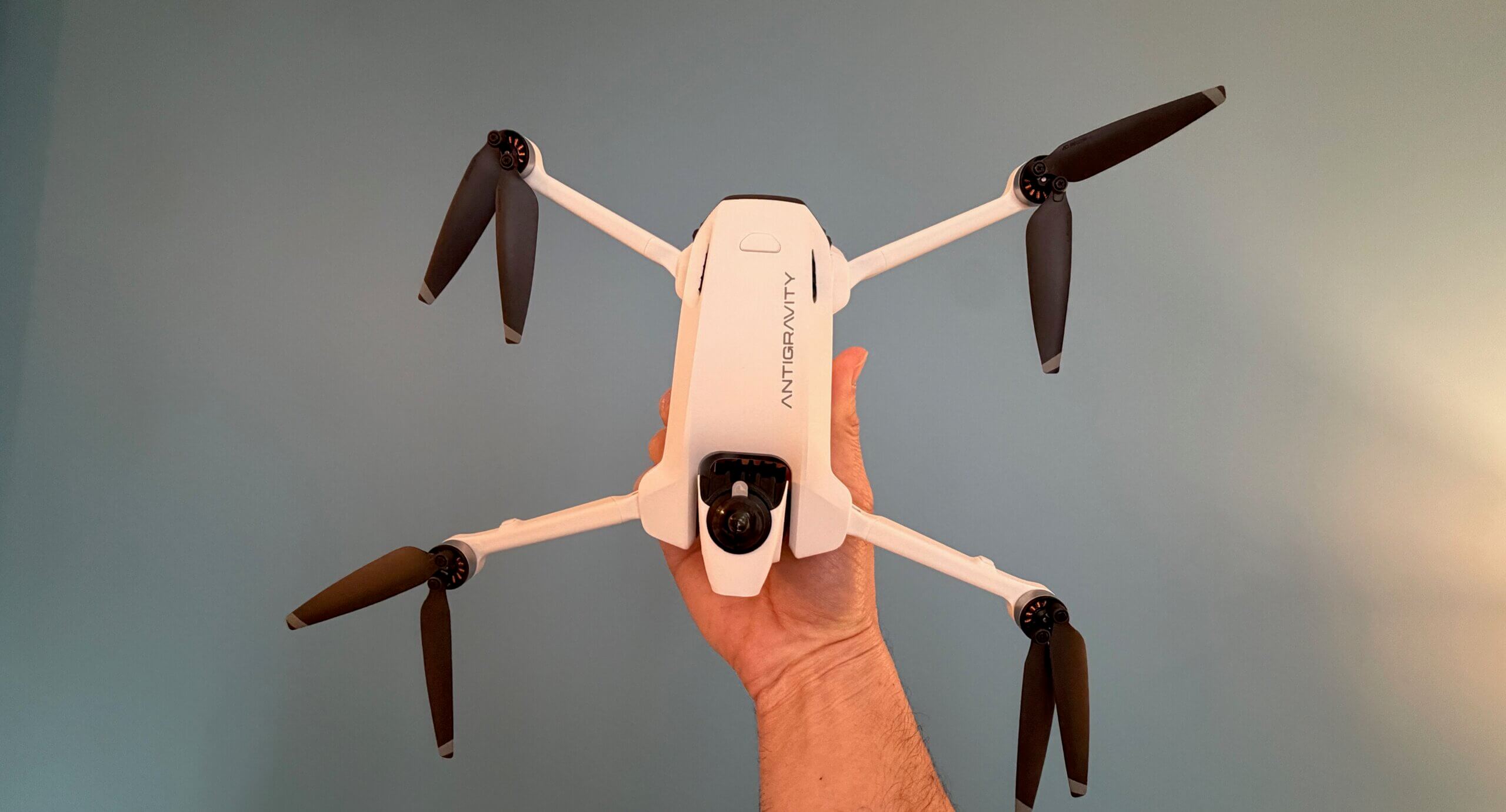
The core innovation behind the Antigravity 360’s distinctiveness lies in its dual-lens configuration. Unlike the majority of drones that feature a single forward-facing lens, the A1 is equipped with two ultra-wide-angle lenses. These lenses are strategically positioned on the top and bottom of the drone’s central fuselage, each boasting a 200-degree field of view. When these images are combined, they create an overlapping sphere, resulting in a seamless 360-degree capture. This comprehensive coverage ensures that no element of the surrounding environment is missed, eliminating the concept of "blind spots" that plague traditional drone footage.
A critical aspect of this technology is the subsequent digital removal of the drone itself from the exported footage. This sophisticated post-processing technique creates the illusion of a camera floating autonomously in mid-air, devoid of any visible means of support. This enhances the immersive quality of the final output, allowing viewers to feel as though they are experiencing the scene from a disembodied, ethereal perspective.
The sensors employed in the A1 are 1/1.28-inch CMOS units. While these are smaller than the 1-inch sensors found in some professional-grade photography drones, they represent a substantial advancement over the sensors typically used in consumer-grade 360 action cameras. This larger sensor size translates directly into enhanced low-light performance and a significantly wider dynamic range. Consequently, the A1 can capture finer details in both the brightest highlights and the deepest shadows, a crucial advantage in challenging lighting conditions, such as the harsh contrast of midday sun, where traditional cameras might struggle to retain detail.
Regulatory Compliance and Robust Design
Antigravity has demonstrated a keen understanding of the global drone regulatory landscape. In most countries, drones weighing 250 grams or more are subject to registration requirements and stricter operational rules. Recognizing this critical threshold, the Antigravity A1 has been meticulously engineered to weigh precisely 249 grams with its standard battery. This strategic weight class ensures that it is not classified as a commercial drone, thereby exempting users from the often complex and time-consuming registration process. This feature significantly lowers the barrier to entry for hobbyists and casual users, making advanced aerial cinematography more accessible.
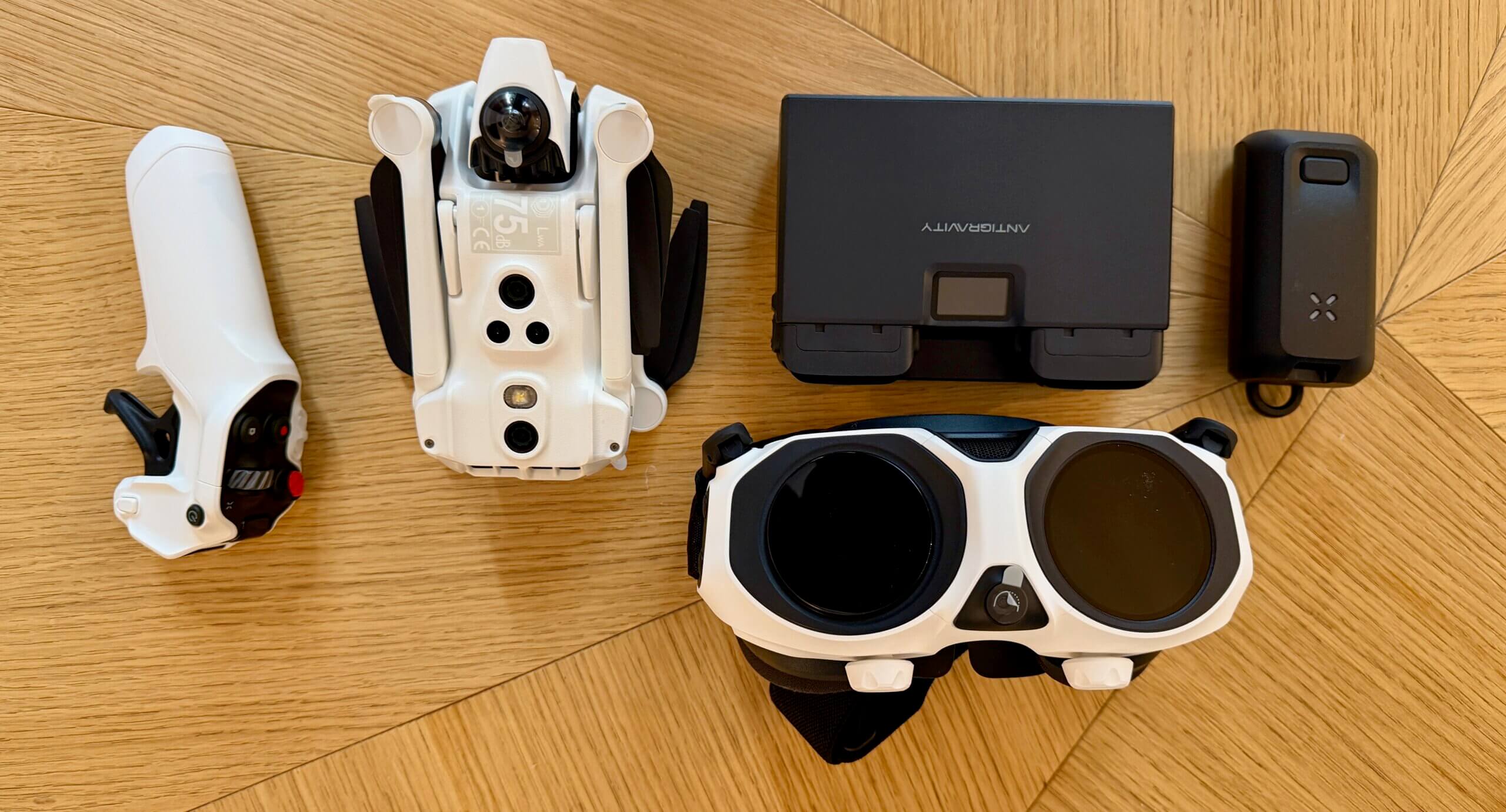
Beyond its regulatory compliance, the A1 exhibits a remarkable degree of sturdiness. Its construction utilizes a high-grade carbon-fiber-reinforced polymer, a material renowned for its superior strength-to-weight ratio compared to the standard ABS plastic commonly found in less expensive drone models. The folding mechanism is designed for a satisfyingly tactile experience, with each component clicking into place with a precision that suggests a commitment to long-term durability. When folded, the drone achieves a compact form factor, roughly comparable in size to a large smartphone, albeit with a thickness of approximately three times that of a typical mobile device. This compact design enhances portability, making it an ideal companion for travelers.
An Immersive Flight Experience: Vision Goggles and Intuitive Control
The flight experience with the Antigravity A1 is fundamentally redefined by its accompanying Vision Goggles. These goggles are characterized by their sleek, lightweight design and feature dual 4K micro-OLED displays, operating at a fluid 120Hz refresh rate. The latency is virtually imperceptible, and the integration of head tracking further enhances the sense of immersion.
Because the drone is continuously recording in 360 degrees, users are not confined to a fixed forward view. As the wearer turns their head, the goggle feed dynamically pans in sync, allowing them to look left, right, up, or down to survey the entire aerial environment. Looking down, for instance, provides a direct view of the ground rapidly receding below. This unprecedented sense of presence and spatial awareness is a stark contrast to the limited field of view offered by traditional fixed-camera drones.
Control of the A1 is primarily managed through a single-handed motion controller. This intuitive system allows users to simply point the controller in their desired direction of travel and pull the trigger to accelerate. Subtle wrist movements enable banking, while tilting the controller upwards controls ascent. This remarkably intuitive interface allows even novice pilots to navigate complex environments with ease within minutes of their first flight. For experienced FPV (First-Person View) pilots who prefer the nuanced control of manual acrobatic flight, the A1 also offers support for a traditional "Mode 2" stick controller. However, the fluid and responsive nature of the motion controls is so effective that many users may find themselves rarely, if ever, reverting to the conventional controller.
A video demonstration showcases the drone in action:
Advanced Camera Performance: 8K Resolution and Intelligent Stabilization
The marketing materials for the Antigravity 360 prominently highlight its "8K Resolution." It is important to understand that in the context of 360 video, this refers to the total pixel count spread across a full spherical image. When this 8K sphere is reframed into a standard flat video format, the resulting output is effectively a "crop" of the original, albeit a highly detailed one. This "fly now, frame later" capability allows creators to extract multiple high-resolution shots from a single flight, vastly increasing efficiency and creative options.
The color science on the A1 represents a notable improvement over previous generations of 360 cameras. The device offers a "Vivid" color profile, designed to produce punchy, social-media-ready colors straight out of the camera. For professional editors, a 10-bit "Log" profile is available, providing greater flexibility for color grading and seamless integration with footage from other professional cameras in a post-production workflow.
The stabilization system, powered by Antigravity’s proprietary "FlowState" algorithms, is a standout feature. This technology delivers remarkably smooth and steady footage, even in challenging conditions. The A1 can maintain stability even when flying in winds of up to 20 mph, producing footage that appears as if it were shot from a stationary tripod. This level of stabilization is crucial for creating professional-looking aerial content, eliminating the jarring movements that can detract from the viewer’s experience.
The Antigravity Studio: Streamlined Editing and AI-Assisted Framing
Post-production workflows are significantly streamlined by the "Antigravity Studio" application. This software allows for the wireless download of footage at impressive speeds of up to 80 MB/s. The app empowers users to reframe their videos intuitively, utilizing the gyroscope of their smartphone. By simply watching the recorded video and moving their phone, users can effectively "film" the scene in real-time, selecting their desired perspectives.
Furthermore, the app includes an "Auto-Frame" feature, an advanced AI tool that intelligently identifies subjects within the footage and automatically generates edits that keep them consistently in focus. For solo creators, this feature acts as a virtual camera crew, ensuring that no critical moment is missed and that the subject remains the central point of attention throughout the video. This AI-driven assistance dramatically reduces the time and effort required in post-production, democratizing sophisticated editing techniques.
Battery Life and Flight Dynamics: Optimized for Efficiency
Battery technology remains a persistent bottleneck for all small drone platforms. The standard Intelligent Flight Battery for the A1 provides a theoretical flight time of 24 minutes. In real-world operational conditions, factoring in moderate wind and continuous recording, users can expect closer to 19 to 20 minutes of flight.
While 20 minutes might seem brief, the "work per minute" metric for the A1 is significantly higher than that of a traditional drone. The ability to capture comprehensive 360-degree footage from a single flight eliminates the need to re-fly a path to capture different angles or reframe shots. Consequently, a single 20-minute flight can yield the same amount of usable footage as multiple flights with a conventional drone like a Mavic. For users requiring extended flight times, an optional "Pro Battery" is available. This battery, however, pushes the drone’s weight over the 250-gram registration threshold, but it offers an impressive 39 minutes of flight time, albeit with a slight compromise in the drone’s overall agility.
In terms of flight characteristics, the A1 is designed as a "cinewhoop" style flyer. This designation implies a stable and predictable flight dynamic, prioritizing smooth maneuvers over aggressive, twitchy movements. The drone achieves a top speed of approximately 36 mph, which is more than sufficient for tracking subjects like bicycles or cars. However, it is not designed to compete with the speeds of professional racing drones. A valuable "Turtle Mode" feature is integrated, which allows the drone to self-right itself if it crashes and lands upside down. This capability enables immediate takeoff without the need for manual retrieval, a significant convenience for pilots.
Target Audience and Future Implications
The Antigravity 360 A1, while initially a niche product, is rapidly evolving to become a mainstream tool for a wide array of creators. Its unique capabilities make it particularly well-suited for:
- Travel Vloggers and Documentarians: The ability to capture immersive 360-degree footage of diverse locations allows for a more engaging and personal storytelling experience, transporting viewers directly into the environment.
- Action Sports Enthusiasts: The robust stabilization and intuitive motion controls make it ideal for capturing dynamic action sequences from unique perspectives, such as following skiers, surfers, or mountain bikers.
- Real Estate Professionals: Offering virtual tours of properties from an aerial perspective can provide potential buyers with an unparalleled sense of scale and scope.
- Event Coverage: Capturing the atmosphere of events like concerts, festivals, or sporting competitions in 360 degrees allows for a more comprehensive and interactive viewing experience.
The Antigravity 360 (A1) represents a significant technological advancement in the drone market. By eliminating the reliance on traditional gimbals and mitigating the stress of manual framing, it empowers pilots to concentrate on the narrative they aim to convey. While its image quality may not yet rival that of high-end cinema drones, and its delicate lenses require careful handling, these are minor considerations when weighed against the profound creative liberation the A1 offers. It effectively bridges the gap between conventional cinematography and the burgeoning world of virtual reality, paving the way for new forms of visual storytelling. For creators seeking to move beyond conventional "drone shots" and explore the outer limits of aerial possibilities, the Antigravity 360 stands as an indispensable addition to their creative arsenal. Its impact on how we capture and experience the world from above is likely to be profound and far-reaching.




 Anjar Salim
 Chandra Hamzah
 Tatiana Tantri Indah Sari
 Budi Mulyono
 Lukman Taruna Persada Ramadan
