Susilo Edi Turonggo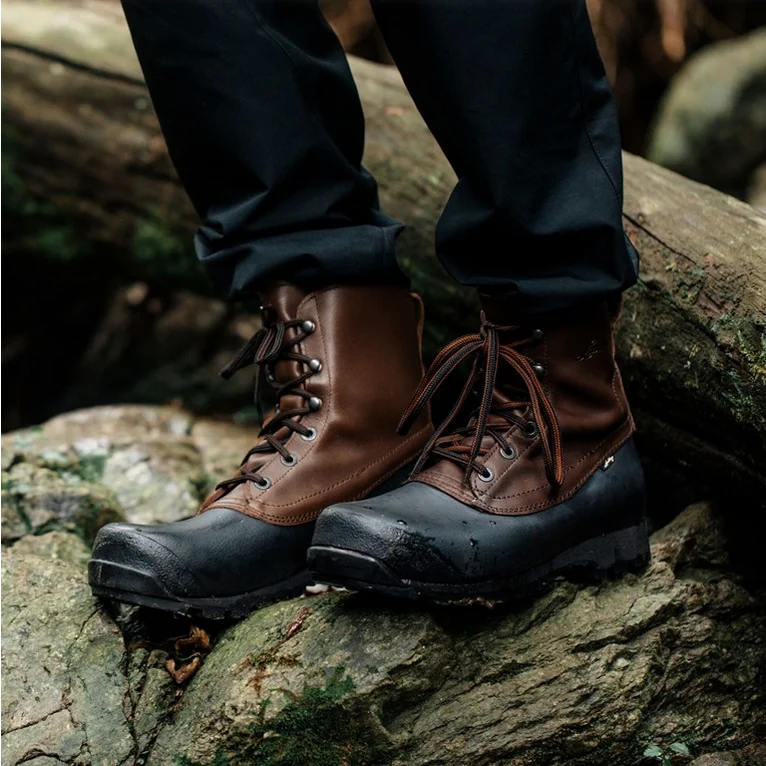
The Essential Guide to Sustainable, PFAS-Free Winter Boots for a Safer Planet and Healthier You
As winter approaches, the demand for robust footwear capable of withstanding snow, slush, and biting cold becomes paramount. However, beneath the promise of warmth and dryness lies a hidden environmental and health concern: the widespread use of per- and poly-fluoroalkyl chemicals (PFAS) in waterproof gear. Consumers are increasingly seeking alternatives that not only protect their feet but also safeguard the environment and their well-being. This comprehensive guide explores the critical need for truly sustainable winter boots, free from toxic finishes, built for longevity, and manufactured with ethical practices.
The Pervasive Threat of "Forever Chemicals" in Outdoor Gear
Per- and poly-fluoroalkyl chemicals, or PFAS, have become ubiquitous across various industries, from non-stick cookware and food packaging to fire-fighting foams and, significantly, outdoor apparel and footwear. These synthetic compounds are prized for their exceptional ability to repel water, oil, and stains while maintaining breathability, making them an ideal choice for durable water repellent (DWR) finishes. Within the outdoor industry, PFAS are often referred to simply as DWR, but scientists and environmental advocates commonly label them "forever chemicals" due to their extraordinary persistence.
The application of these substances is particularly prevalent in performance gear designed for harsh conditions, including specialized outdoor clothing, ski equipment, and, crucially, snow-proof winter boots. For decades, manufacturers have relied on PFAS to deliver the high level of waterproofing consumers expect from winter footwear, creating an industry standard that is only now beginning to face widespread scrutiny and systematic change.
Environmental and Health Ramifications: The Long Shadow of PFAS
The term "forever chemicals" is not an exaggeration. The problem with PFAS lies in their incredibly strong carbon-fluorine bonds, which render them highly resistant to degradation under natural conditions. When PFAS-treated boots are worn, these chemicals can flake off, entering the immediate environment—the snow, slush, and soil. From there, they can leach into groundwater, contaminate surface water bodies, and ultimately find their way into public drinking water supplies, posing a global environmental challenge. The U.S. Geological Survey (USGS) has reported detecting PFAS in tap water across the United States, underscoring the pervasive nature of this contamination.
Beyond environmental contamination, PFAS present significant human health risks. Exposure to these chemicals is not limited to external environments; PFAS can also enter homes from contaminated products, including footwear. The Agency for Toxic Substances and Disease Registry (ATSDR) and the Environmental Protection Agency (EPA) have linked PFAS exposure to a range of serious health issues. These include certain cancers (kidney and testicular), reproductive problems, developmental effects in children, liver damage, thyroid disease, and immune system complications. Environmental advocacy groups like the Environmental Working Group (EWG) have consistently called for stricter regulations and a complete phase-out of PFAS, emphasizing the precautionary principle given the compounds’ widespread presence and potential for harm. The long-term implications for public health and ecosystems are still being fully understood, but the scientific consensus points towards a clear need for reduction and elimination.
A Shifting Paradigm: Industry’s Response and Regulatory Landscape
Awareness of the environmental and health hazards associated with PFAS has grown significantly over the past decade. What began as concerns voiced by environmental scientists and activists has escalated into a global movement influencing consumer behavior, corporate policy, and governmental regulation.
- Early Warnings and Scientific Scrutiny (Pre-2010s): Initial research began to highlight the persistence and bioaccumulation of PFAS in wildlife and humans.
- Growing Public Awareness (2010s): Major environmental campaigns brought PFAS into the public consciousness, pushing for greater transparency from manufacturers.
- Industry Commitments (Mid-2010s onwards): Several pioneering brands, particularly in the outdoor sector, began to announce ambitious goals to phase out PFAS from their products. Keen Footwear, for example, made headlines as one of the first outdoor brands to commit to a PFAS-free future and transparently shared its transition process, encouraging industry-wide adoption.
- Regulatory Actions (Late 2010s-Present): Government bodies, including the EPA in the U.S. and the European Chemicals Agency (ECHA), have increased their focus on PFAS. The EPA has issued health advisories and is working on setting national drinking water standards for certain PFAS compounds. Various U.S. states have also taken legislative action, banning PFAS in specific product categories or setting stricter discharge limits. This evolving regulatory landscape creates both challenges and opportunities for manufacturers, accelerating the shift towards safer alternatives.
- Consumer Demand: A critical driver of change has been the informed consumer. A 2022 survey indicated that over 60% of consumers are willing to pay more for sustainable products, with chemical safety being a top concern. This growing market segment for eco-conscious and health-aware products provides a strong incentive for brands to innovate.
This chronology underscores a clear trend: the era of unquestioning reliance on PFAS is ending, giving way to a new paradigm of environmental responsibility and material innovation within the footwear industry.
Defining Sustainable Winter Boots: Key Criteria for Responsible Consumption
For consumers navigating the market for winter boots, identifying truly sustainable and PFAS-free options requires a nuanced understanding of key criteria beyond just waterproofing. Unless a brand explicitly states its waterproofing finish is PFAS-free, PFC-free, or free of fluorinated chemicals, it is generally safe to assume that "forever chemicals" were used. However, sustainability encompasses more than just chemical composition.
1. Safe & Sustainable Materials: The Foundation of Responsible Footwear
The choice of materials is fundamental to a boot’s environmental footprint and safety profile.
- Naturally Water-Resistant Options: For those seeking robust, naturally water-resistant boots, high-quality leather remains a strong contender. However, not all leather is created equal. Consumers should look for certifications from the Leather Working Group (LWG). LWG-certified tanneries adhere to strict environmental performance protocols, ensuring responsible water and energy usage, chemical management, and waste disposal. This significantly mitigates the environmental impact typically associated with leather production.
- Recycled and Bio-Based Materials: Many brands are now integrating recycled content, such as recycled polyester or rubber, into their boots. To verify the authenticity and integrity of recycled materials, certifications like the Global Recycled Standard (GRS) are crucial. GRS ensures that products contain verified recycled content and that responsible social, environmental, and chemical practices are used in their production. Furthermore, advancements in bio-based leathers and other plant-derived materials offer promising alternatives to traditional synthetics and animal products.
- Chemical Management Beyond PFAS: Beyond specifically avoiding PFAS, a brand’s overall approach to chemical management is vital. Certifications from bluesign indicate that products are made with environmentally safe production processes and materials, minimizing harmful substances from the outset. Brands that publish a Restricted Substances List (RSL) demonstrate a proactive commitment to excluding hazardous chemicals throughout their supply chain, offering an additional layer of assurance.
2. Transparent Supply Chain: Ensuring Ethical Production
A truly sustainable product considers the well-being of all involved in its creation. Ethical manufacturing practices are non-negotiable.
- Traceability: Consumers should seek brands that offer detailed information about their supply chain, ideally tracing materials and production processes down to the raw material sourcing. This level of transparency indicates a brand’s commitment to oversight and accountability.
- Fair Labor Practices: Partnerships with organizations like the Fair Wear Foundation signify a dedication to improving working conditions in garment and footwear factories. Brands that share factory locations, conduct regular independent audits of their suppliers, and uphold a robust code of conduct are typically more conscious of their social responsibilities. This ensures that the production of sustainable boots does not come at the cost of worker exploitation.
3. After-Market Repair & Longevity: The Circular Economy Approach
The most sustainable product is often the one that lasts the longest. Designing for durability and offering repair services are critical components of a circular economy model.
- Built to Last: Sustainable winter boots should be thoughtfully designed and constructed for years of use, not just a single season. This includes robust materials, quality craftsmanship, and modular components where possible.
- Repair and Maintenance: Brands dedicated to extending product lifespans often provide resources for repair. This can range from offering replacement parts (e.g., laces, insoles, buckles) and detailed DIY repair guides to providing full-service professional repair shops. Such services not only reduce waste but also build a stronger relationship between the consumer and the brand, fostering a culture of valuing and maintaining products rather than discarding them.
Leading the Charge: Brands Paving the Way for PFAS-Free Winter Footwear
The market is evolving rapidly, and several brands are at the forefront of offering winter boots that meet stringent sustainability and safety criteria. These brands demonstrate that high-performance, weather-resistant footwear can be achieved without relying on harmful "forever chemicals."
1. Keen: A Pioneer in PFAS-Free Innovation
Keen Footwear stands as a testament to proactive environmental leadership, being one of the first outdoor brands to successfully transition its entire product line to PFAS-free waterproofing. Their commitment extends beyond their own operations, as they openly shared their journey and processes with the broader industry to accelerate collective change. Keen’s diverse range of winter boots, from stylish urban designs to heavy-duty expedition models, are all waterproofed using a proprietary PFAS-free Durable Water Repellent. Material sourcing is rigorously managed, with all leather components originating from LWG-certified tanneries. The brand maintains a comprehensive Restricted Substances List, ensuring chemical safety across its production. Furthermore, Keen demonstrates a strong commitment to ethical manufacturing, ensuring at least one in three pairs of their footwear are made in company-owned facilities. They regularly audit their Tier 1 and Tier 2 suppliers to uphold their strict code of conduct, guaranteeing fair and safe working conditions. Keen’s transparency and dedication make them a benchmark for sustainable footwear.
- Price Range: $115-$250
- Available In: The U.S., with some products available internationally through partner dealers in China, Australia, and most European and Asian countries.
2. Jack Wolfskin: German Engineering with an Eco-Conscience
Jack Wolfskin, a prominent European outdoor brand, has built its reputation on creating innovative and earth-conscious gear designed for durability. Their winter boot collection is entirely PFAS-free, utilizing custom-developed Texapore technology for reliable water and wind-proofing. This proprietary membrane system achieves high performance without hazardous chemicals. The brand champions supply chain transparency, publicly listing all its production partners. Critically, all of Jack Wolfskin’s supply chain partners are either bluesign-approved—signifying adherence to stringent environmental and chemical management standards—or are independently verified to avoid hazardous substances. To further ensure ethical practices, the brand consistently dispatches independent inspectors to its facilities, confirming that safe and fair working conditions are upheld across its manufacturing network.
- Price Range: $120-$230
- Available In: Most European Countries.
3. Lundhags: Swedish Heritage, Sustainable Future
Hailing from Sweden with a heritage dating back to 1932, Lundhags specializes in robust, high-quality leather boots built for the demanding Nordic environment. Their commitment to sustainability is evident in their localized production strategy, with boots crafted in Europe using materials sourced from a German tannery, thereby minimizing supply chain distances and associated environmental impacts. Lundhags offers a range of shell, one-layer, and three-layer boots, renowned for their longevity. A cornerstone of their sustainability model is an in-house after-market repair shop, actively encouraging customers to extend the lifespan of their gear rather than replace it. This service underscores a deep commitment to circularity and durability. Factory working conditions are meticulously regulated under the Brav code of conduct, ensuring ethical labor practices.
- Price Range: $217-$597
- Available In: Most European countries.
4. Vaude: Recycled Innovation and Repairability
Vaude, a German outdoor equipment manufacturer, exemplifies a holistic approach to sustainability. Their winter boots feature a high-performance, water and wind-proof membrane crafted from PFAS-free recycled polyester. This innovative material choice significantly reduces reliance on virgin resources. For their leather uppers, Vaude prioritizes local sourcing from tanneries within Germany, further shortening their supply chain and supporting regional economies. The brand excels in transparency, providing specific "made-in" information on each product page. Vaude is also a leader in promoting product longevity through comprehensive after-market support. They offer easily accessible and affordable replacement parts for various components and provide a full-service repair option, ensuring that their boots can withstand years of use and be easily maintained, aligning perfectly with circular economy principles.
- Price Range: $200-$263
- Available In: Canada and most European countries.
5. Forsake: Stylish Durability with Ethical Sourcing
Forsake merges urban style with outdoor functionality, offering a range of waterproof boots that span from sneaker-boots to heeled hiking designs. Their commitment to responsible sourcing is reflected in their use of LWG-certified leather for many of their products, ensuring environmentally responsible tanning processes. As part of a larger parent group, Forsake benefits from an overarching code of conduct that governs all suppliers, supplemented by regular audits to ensure compliance with ethical labor and environmental standards. While the brand demonstrates strong commitments in these areas, consumers should note that the specific sourcing of internal components like memory foam insoles is not always explicitly detailed, suggesting an area for potential further transparency.
- Price Range: $145-$160
- Available In: The U.S.
6. EcoAlf: Vegan, Recycled, and B-Corp Certified
EcoAlf, a certified B-Corp, stands out for its unwavering commitment to sustainable innovation and vegan production. Their PFAS-free winter boots are crafted primarily from GRS-certified recycled polyester and a combination of new and recycled rubber, transforming waste into high-quality footwear. The brand is dedicated to supply chain transparency, actively tracking its production processes down to Tier 3 suppliers. This deep level of traceability allows for greater oversight of environmental and social impacts. While EcoAlf excels in its use of recycled materials and ethical certifications, consumers looking for comprehensive raw material transparency might find that the ultimate origin of all raw components is not always fully disclosed, an area where continuous improvement is likely.
- Price Range: $145-$299
- Available In: The U.S., most South American countries, most European countries, and most Asian countries.
7. Will’s Vegan Store: Plant-Based Prowess from Europe
Will’s Vegan Store offers a compelling collection of ethical and sustainable footwear, with many products made in Italy and Portugal. Their boots feature bio-based leathers and recycled polyester insulation, providing a cruelty-free and environmentally conscious alternative. The brand is highly transparent about its production, tracing every step of its process to ensure adherence to sustainable and ethical practices. While many of their waterproof shoes boast PFAS-free uppers, consumers are advised to verify this detail in the product description for each specific pair, as not all waterproof offerings may explicitly carry the PFAS-free designation. This small caveat ensures informed purchasing for those prioritizing the complete absence of fluorinated chemicals.
- Price Range: $134-$190
- Available In: All countries.
8. Poppy Barley: Artisan Craftsmanship, Ethical Production
Poppy Barley specializes in elegant, water-resistant ankle and calf-length boots, emphasizing artisan craftsmanship and ethical production. A significant portion of their leather is LWG-certified, guaranteeing responsible tanning practices. The brand proudly partners with audited factories located in Europe and Mexico, ensuring that their manufacturing operations adhere to high social and environmental standards. For discerning consumers, it is advisable to check the specific product page for LWG certification details, as not every boot in their collection may carry this specific label, ensuring that the chosen pair aligns with their sustainable material preferences.
- Price Range: $293-$480
- Available In: The Continental U.S., Mexico, Canada, and Australia.
9. REI Used Gear: Embracing the Circular Economy
For budget-conscious and environmentally minded consumers, REI Used Gear offers an excellent pathway into sustainable consumption. This platform facilitates the buying, selling, and trading of pre-owned outdoor equipment, including winter boots, at discounted prices. It provides access to high-quality gear from numerous brands, often including those committed to sustainability. While REI as a company is actively working to remove PFAS from its own-brand products, the platform features items from a wide array of manufacturers. Therefore, purchasers are strongly encouraged to diligently review product details and specifications before buying to confirm that the specific item is PFAS-free, as not all listed brands or older models may meet this criterion. This initiative promotes the circular economy, extending the life of products and reducing overall waste.
- Price Range: $22-$149.50 (for used items)
- Available In: The U.S.
The Broader Implications: A Future of Conscious Footwear
The shift towards PFAS-free and sustainably produced winter boots is more than just a trend; it represents a fundamental recalibration of industry practices and consumer expectations. Market research firm Grand View Research projected the global sustainable footwear market size to reach USD 13.9 billion by 2030, growing at a compound annual growth rate of 7.9%. This growth is driven by increasing environmental awareness, stringent regulations, and a demand for transparent, ethically produced goods.
Consumers are increasingly empowered with information, demanding accountability from brands regarding their environmental and social impacts. This pressure will continue to spur innovation in material science, leading to the development of even more effective and eco-friendly waterproofing solutions. Furthermore, the emphasis on product longevity and repair signals a broader movement away from fast fashion and disposable consumption towards a more circular economic model.
In conclusion, the journey towards a truly sustainable winter footwear market is ongoing. However, the progress made by pioneering brands, coupled with growing consumer consciousness and evolving regulatory frameworks, paints a hopeful picture. By making informed choices, consumers can actively support a future where winter boots not only offer superior protection from the elements but also contribute positively to global environmental health and ethical production standards. The ultimate vision is a winter footwear market that unequivocally protects both the wearer and the planet.



 Chandra Hamzah
 Gabriela Annisa
 Tatiana Tantri Indah Sari
 Budi Mulyono
 Anjar Salim