
 Chandra Hamzah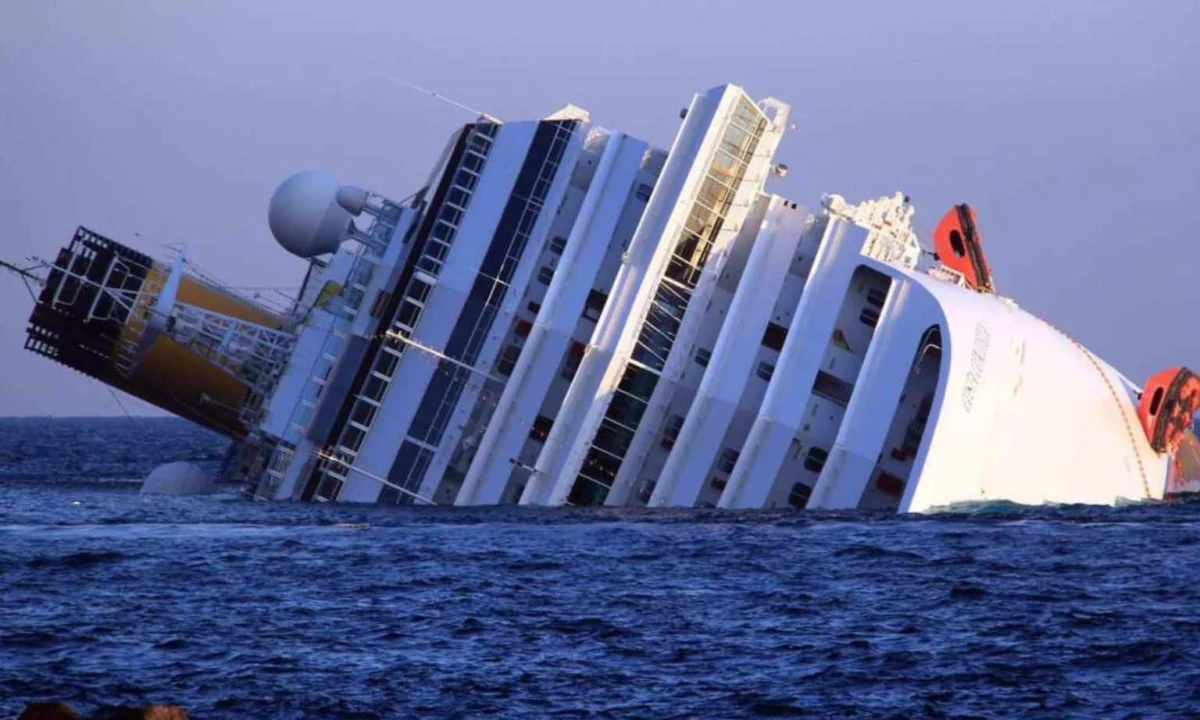
On July 10th, Netflix will premiere a new documentary delving into the catastrophic 2012 sinking of the Costa Concordia, a tragedy that claimed the lives of 32 people and served as a stark reminder of the vulnerabilities within the modern cruise industry. The film promises a comprehensive look at the events of January 13, 2012, utilizing survivor testimonies, archival footage, and in-depth analysis to illuminate the circumstances that led to the luxury liner running aground off the coast of Isola del Giglio, Italy. The disaster, a profound outlier in an era of generally safe maritime travel, exposed critical failures in human judgment and operational protocol, prompting significant and lasting reforms in cruise ship safety standards.
The ill-fated voyage of the Costa Concordia began like any other luxury cruise, with over 4,200 passengers and crew onboard. However, as the ship navigated the Tyrrhenian Sea near the Tuscan coast, a fatal deviation from its planned route would seal its fate. At approximately 9:45 PM local time, the massive vessel struck a submerged rock formation. The impact, described as a violent jolt that sent passengers tumbling, ripped a gaping 53-meter gash along the port side hull. Water rapidly inundated the engine room, crippling the ship’s power and essential services, including propulsion and navigation systems. In the ensuing chaos, as the ship began to list heavily, it drifted shoreward before rolling onto its starboard side, becoming a partially submerged tomb.
The narrative of the Costa Concordia disaster is not solely one of a maritime accident; it is also a chilling account of human error, alleged deceit, and a profound failure of leadership. The actions of the ship’s captain, Francesco Schettino, have been at the epicenter of the legal and public scrutiny that followed the sinking. His controversial decisions and alleged dereliction of duty are central to the story, underscoring how individual choices can have devastating consequences on a grand scale.
Comparisons to other major maritime disasters, such as the 1994 sinking of the MS Estonia in the Baltic Sea, which resulted in over 800 fatalities, highlight the relative rarity of such catastrophic events in modern cruising. However, the Costa Concordia incident remains uniquely etched in public memory due to its scale, the dramatic circumstances of its capsizing close to shore, and the subsequent revelations about the captain’s conduct. This disaster, while horrific, ultimately catalyzed a wave of improvements that have arguably made cruise ships safer than at any point in their history.
A Chronology of Catastrophe: The Final Hours of the Costa Concordia
The events of January 13, 2012, unfolded with terrifying speed, a testament to the fragility of even the most sophisticated modern vessels when faced with critical human error.
- Early Evening (Approx. 6:00 PM – 9:30 PM): The Costa Concordia departs from Civitavecchia, Italy, on a week-long Mediterranean cruise. The ship is operating normally, with passengers enjoying dinner and evening entertainment.
- The "Salute" Maneuver (Approx. 9:30 PM): Captain Francesco Schettino reportedly orders the ship to deviate from its programmed course to perform a "salute" maneuver, bringing it in close proximity to the island of Isola del Giglio. This maneuver, intended as a gesture to residents and former crew members on the island, was a significant departure from standard navigational practice and occurred at night in an area known for submerged rocks.
- Impact (Approx. 9:45 PM): The Costa Concordia strikes a submerged rock. The force of the impact tears a massive hole in the hull.
- Power Loss and Flooding: Water begins to flood the engine rooms. Critical systems, including power and steering, are compromised.
- Initial Confusion and Delayed Evacuation: The ship’s crew initially downplays the severity of the situation to passengers, leading to confusion and a delay in initiating a full evacuation.
- The Listing Vessel: As water ingress continues, the ship lists dramatically to port. It drifts towards the shores of Isola del Giglio.
- Capsizing (Approx. 1:45 AM, January 14): The Costa Concordia rolls onto its starboard side, coming to rest on the seabed at an angle.
- Evacuation Efforts: A chaotic and largely uncoordinated evacuation ensues. Passengers are forced to abandon the ship using lifeboats and emergency slides.
- Captain’s Departure: Captain Schettino is reported to have left the vessel before the evacuation was complete, a move that would become a central point of legal contention.
- Rescue Operations: Italian Coast Guard and other vessels converge on the scene to assist in the rescue of stranded passengers and crew.
The Captain’s Conduct: A Central Pillar of the Tragedy
The legal proceedings following the disaster firmly placed the blame on Captain Francesco Schettino. He was ultimately convicted of multiple charges, including manslaughter, causing a maritime disaster, and abandoning ship. His sentence was 16 years in prison.
The prosecution argued that Schettino’s decisions were not merely accidental but stemmed from a pattern of recklessness and negligence. Among the serious allegations leveled against him were:
- Reckless Navigation: Steering the ship at excessive speed and dangerously close to the shore, particularly during the ill-fated "salute" maneuver.
- Distraction and Incompetence: Reports emerged suggesting Schettino was distracted by the presence of a Moldovan lover, a non-paying passenger, onboard. The court suggested her presence "generated confusion and distraction for the captain." Further, there were claims he asked his first officer to check the radar because he had forgotten his reading glasses, indicating a potential lapse in personal responsibility and command.
- Delayed Evacuation: Schettino was slow to order a full evacuation, initially underestimating the severity of the damage and failing to follow standard emergency protocols.
- Abandonment of Post: The most damning accusation was his alleged abandonment of the sinking ship while hundreds of passengers and crew were still onboard. His explanation of "tripping and falling" into a lifeboat was widely disbelieved and ridiculed. He also famously refused direct orders from the Italian Coast Guard to return to the ship and coordinate the evacuation.
- Possible Influence of Substances: While unproven in court, reports circulated about traces of cocaine found in Schettino’s hair samples, adding another layer of alleged culpability.
The court concluded that Schettino’s negligence was a crucial factor in the catastrophic outcome, leading to the loss of life and the immense suffering of those onboard.
The Long Shadow of the Disaster: Impact on the Cruise Industry
The Costa Concordia disaster sent shockwaves through the global cruise industry. It highlighted the potential for catastrophic failure even in an industry that prided itself on safety. The incident prompted immediate and widespread reviews of safety regulations, operational procedures, and technological capabilities.
- Increased Scrutiny and Regulation: Maritime authorities worldwide initiated more rigorous inspections and audits of cruise ships. New regulations were introduced or strengthened regarding navigation, emergency preparedness, and crew training.
- Enhanced Evacuation Procedures: The focus shifted to ensuring that evacuation procedures were not only robust but also efficiently executed. This included more frequent and realistic drills for both crew and passengers.
- Technological Advancements: The disaster accelerated investment in and implementation of advanced navigation and safety technologies.
The Unlikely Path to Enhanced Safety: Technological Safeguards in Modern Cruising
While the Costa Concordia disaster was a profound human tragedy, its aftermath has undeniably contributed to making modern cruise ships significantly safer. The industry has responded with substantial investments in technology and protocol enhancements.
Advanced Navigation and Bridge Systems
Modern cruise ship navigation systems are a far cry from what was available in 2012.
- Integrated Bridge Systems (IBS): These systems consolidate navigation, communication, and control functions onto a single, user-friendly interface. They often incorporate electronic chart display and information systems (ECDIS), radar, GPS, and autopilot, providing captains with a comprehensive overview of the ship’s position and surroundings.
- Artificial Intelligence (AI) and Smart Bridges: AI is increasingly being integrated to assist in decision-making. Cameras, sensors, and advanced algorithms can monitor the environment, detect potential hazards (such as debris or other vessels), and even suggest course corrections to avoid collisions or navigate treacherous waters.
- Digital Cartography and Underwater Mapping: Ships now utilize sophisticated digital charting that can provide detailed representations of waterways, including depths and potential underwater obstructions. Some systems can even create 3D models of the seabed, offering a more complete picture than traditional paper charts.
- Enhanced GPS Accuracy: Global Positioning Systems offer centimeter-level accuracy, allowing for precise tracking and collision avoidance.
Satellite Technology and Weather Prediction
Beyond navigation, satellite technology plays a crucial role in proactive safety.
- Real-time Weather Monitoring: Satellites provide continuous data on weather patterns, enabling captains to anticipate and avoid severe storms, hurricanes, or other hazardous conditions. This allows for route adjustments well in advance.
- Communication and Tracking: Satellite communication ensures that ships can maintain contact with shore-based operations and emergency services, regardless of their location. It also enables precise tracking of vessel movements.
Hull Integrity and Stability Systems
While the gash in the Costa Concordia’s hull was catastrophic, advancements are being made in detecting and mitigating damage.
- Hull Monitoring Systems: Sensors can monitor the structural integrity of the hull, detecting stresses and potential weaknesses.
- Advanced Stabilizers: Modern cruise ships are equipped with highly sophisticated fin stabilizers that work like underwater wings. These active systems counteract the rolling motion of the ship, providing a much smoother ride even in rough seas and enhancing stability in challenging conditions.
Evolving Lifeboat Technology
In the event of a disaster, the efficacy of lifeboats is paramount.
- High-Capacity and Fast-Launching Lifeboats: Newer lifeboats are designed to accommodate a larger number of passengers and can be launched more rapidly. Some systems are capable of evacuating up to 1,000 passengers in under 20 minutes.
- Enhanced Safety Features: These lifeboats often include improved seating, communication systems, and self-righting capabilities, making them more survivable in adverse sea conditions.
Rigorous Crew Training and Passenger Preparedness
Beyond technology, human factors remain critical. Cruise lines have intensified their focus on crew training and passenger education.
- Comprehensive Evacuation Drills: Crew members undergo regular and realistic training for various emergency scenarios, including fires, abandon ship situations, and medical emergencies.
- Muster Drills: Passengers are now more consistently and thoroughly briefed on safety procedures during mandatory muster drills. These drills ensure passengers know where to go and what to do in an emergency.
- Digital Preparedness: Some cruise lines are exploring digital tools and apps to provide passengers with instant access to safety information and emergency instructions.
The Costa Concordia disaster was a grim turning point, a stark reminder that even in an era of advanced technology, human fallibility can lead to unimaginable tragedy. However, the lessons learned from this harrowing event have spurred significant advancements, ensuring that the luxury of cruising is now underpinned by a significantly more robust and resilient safety framework, making future catastrophes of this magnitude far less likely. The upcoming Netflix documentary serves as a timely opportunity to reflect on this pivotal moment in maritime history and the enduring quest for safety at sea.



 Anjar Salim
 Tatiana Tantri Indah Sari
 Budi Mulyono
 Lukman Taruna Persada Ramadan
