
 Tatiana Tantri Indah Sari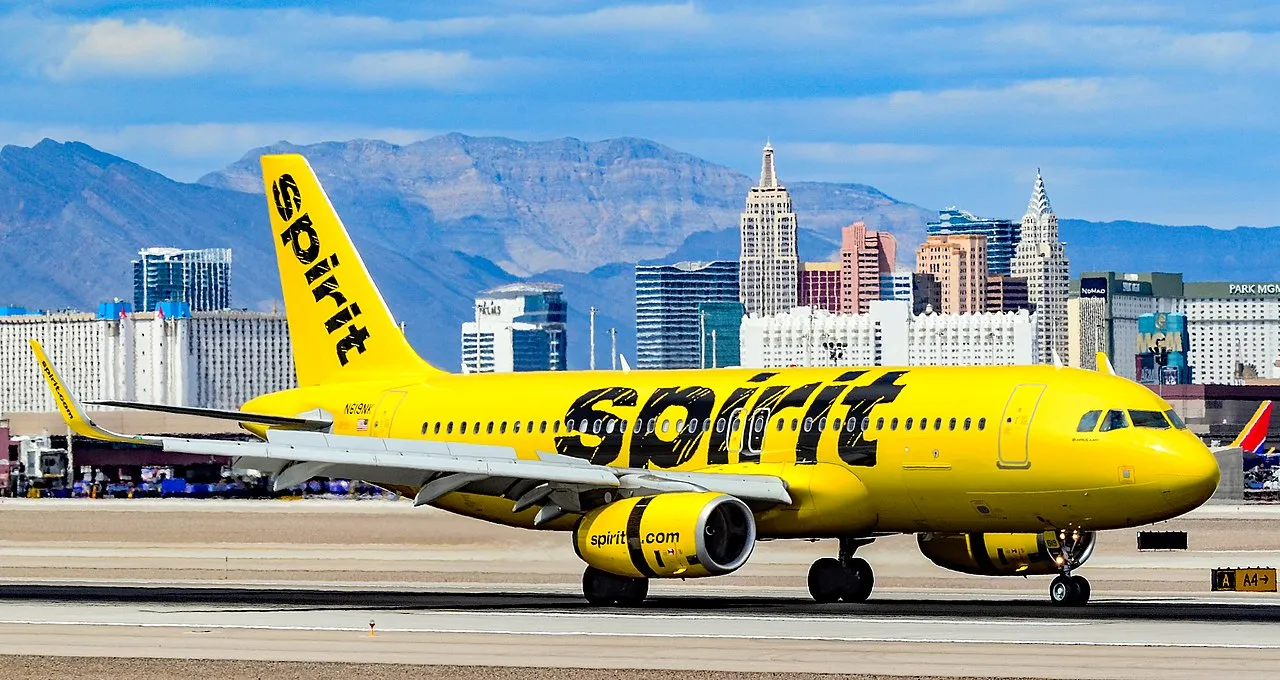
The shutdown of Spirit Airlines, an ultra-low-cost carrier that, despite its modest market share, exerted a disproportionately significant influence on airfares across major U.S. markets, is now prompting industry experts to forecast a sustained period of airfare increases. This anticipated upward trend will be further exacerbated by persistently high fuel costs and broader capacity adjustments by remaining carriers, signaling a substantial shift in the competitive landscape of domestic air travel.
The "Spirit Effect" Explained: A Driver of Affordability
Spirit Airlines, often a polarizing figure in the aviation industry, was undeniably a powerful force in driving down airfares. While it frequently drew criticism and even animosity for its unbundled fare model and austere amenities, its strategic presence on routes compelled competitors to lower their prices, creating what multiple economic studies aptly termed the "Spirit effect." This phenomenon was not merely anecdotal; it was rigorously quantified. Research indicated that average fares on a given route could fall by as much as 17% whenever Spirit commenced operations. This substantial consumer benefit became a central tenet of the U.S. Justice Department’s argument to block the proposed merger between Spirit and JetBlue Airways, asserting that the removal of Spirit from the market would inevitably harm consumers through higher prices and reduced choice.
Spirit’s business model revolved around maximizing efficiency and offering a basic seat at an extremely low price, with ancillary services like baggage, seat selection, and in-flight refreshments unbundled and charged separately. This "bare bones" approach allowed it to offer fares significantly lower than full-service carriers, attracting price-sensitive leisure travelers and stimulating demand. Its entry into a market segment often forced legacy airlines and even other low-cost carriers to introduce basic economy fares or lower their standard prices to compete, effectively creating a ceiling for airfare growth on routes it served.
A Turbulent Timeline: The Road to Shutdown
Spirit Airlines’ journey to its eventual shutdown was marked by intense competition, ambitious merger attempts, and mounting financial pressures. Founded in 1964 as a trucking company, it evolved into a charter airline in 1990 and began scheduled passenger services in 1992, eventually solidifying its identity as an ultra-low-cost carrier (ULCC) by the early 2000s. Its rapid expansion throughout the 2000s and 2010s saw it grow into a significant player, particularly on leisure routes and in key East Coast markets.
The post-pandemic recovery proved challenging for Spirit. While initial travel demand surged, ULCCs like Spirit faced unique headwinds. Rising labor costs, persistent operational disruptions, and increasingly volatile fuel prices disproportionately impacted their thin margins. The airline’s financial health became a subject of concern, leading it to explore strategic options.
In early 2022, Spirit became the target of a bidding war. Frontier Airlines initially proposed a merger, aiming to create a dominant ULCC powerhouse. However, JetBlue Airways subsequently launched a hostile takeover bid, arguing that its acquisition of Spirit would create a stronger, more competitive challenger to the "Big Four" U.S. airlines (American, Delta, United, Southwest). After a protracted and highly publicized battle, Spirit’s shareholders ultimately approved JetBlue’s offer in July 2022, valuing the deal at approximately $3.8 billion.
The merger, however, immediately drew the scrutiny of antitrust regulators. In March 2023, the Justice Department, along with attorneys general from six states and the District of Columbia, filed a lawsuit to block the acquisition. Their core argument was that the merger would eliminate the "Spirit effect," leading to higher fares and fewer choices for consumers. The lawsuit specifically highlighted Spirit’s role in driving down prices on competitive routes and argued that combining the two airlines would remove this vital competitive pressure. After a federal judge sided with the Justice Department in January 2024, ruling that the merger would substantially lessen competition, JetBlue officially terminated its agreement to acquire Spirit in March 2024. This left Spirit in a precarious financial position, facing significant debt, operational challenges, and a diminished market outlook, ultimately paving the way for its cessation of operations.
The Justice Department’s Stance and Blocked Merger
The U.S. Department of Justice’s proactive intervention to block the JetBlue-Spirit merger underscores a broader regulatory commitment to maintaining competition in critical sectors like air travel. Assistant Attorney General Jonathan Kanter of the Justice Department’s Antitrust Division, in statements related to the lawsuit, emphasized that the merger would have stripped millions of consumers of the benefits of Spirit’s low fares. He highlighted that Spirit was a disruptive force that often set the floor for pricing, forcing other airlines to compete more aggressively.
The judicial ruling that sided with the DOJ validated this perspective, asserting that the merger’s anti-competitive effects outweighed any potential benefits. While JetBlue argued that acquiring Spirit would enable it to expand its "JetBlue Effect" – a similar phenomenon where JetBlue’s entry into a market can also lower fares – the court found that the immediate and tangible loss of Spirit’s ULCC model would be more detrimental to consumers than any speculative future benefits from a larger JetBlue. This legal victory for the Justice Department, while celebrated by antitrust advocates, concurrently sealed Spirit’s fate, demonstrating the high stakes involved in airline consolidation and the government’s increasingly firm stance against mergers that could lead to consumer harm.
Market Share and Geographic Impact
Despite its outsized influence on pricing, Spirit Airlines held a relatively small share of the overall domestic air travel market. At its peak, Spirit typically accounted for approximately 5-7% of total U.S. domestic capacity, a figure that, while not insignificant, pales in comparison to the market dominance of the "Big Four" carriers, which collectively control over 80% of the market. However, this modest overall share belied its strategic importance.
According to an analysis by aviation analyst Courtney Miller’s newsletter, Visual Approach Analytics, Spirit’s impact on airfares extended to a remarkable 13% of all nonstop domestic routes in the U.S. This statistic vividly illustrates that even a niche player, when strategically deployed, can have widespread effects. Miller’s analysis further indicated that the most pronounced impact of Spirit’s absence would be felt along the East Coast. This region, encompassing major metropolitan areas and popular leisure destinations, had long been a core presence for Spirit, even in its final months of operation. Cities like Fort Lauderdale, Orlando, and Atlantic City, which served as significant hubs or focus cities for Spirit, are now expected to experience some of the most substantial fare increases. Consumers in these markets, who had grown accustomed to the ultra-low-cost options provided by Spirit, will likely face a sharper adjustment to the new pricing realities.
The Compounding Factor of Fuel Costs and Capacity
The predicted rise in airfares following Spirit’s shutdown is not solely attributable to the absence of a key competitor; it is significantly compounded by the prevailing macroeconomic environment, particularly high fuel costs and ongoing industry-wide capacity adjustments. Jet fuel prices, which are intrinsically linked to crude oil benchmarks like Brent and WTI, have experienced considerable volatility and generally elevated levels over the past few years. For airlines, fuel typically represents 25-35% of their operating expenses, making it a critical determinant of profitability and pricing strategy. When fuel costs rise, airlines have limited options: absorb the costs, reduce capacity to manage demand, or pass the increases on to consumers through higher fares.
In the current climate, many carriers are opting for a combination of the latter two. The airline industry has been cautious about restoring pre-pandemic capacity levels, partly due to labor shortages, supply chain issues affecting aircraft deliveries, and a strategic effort to maintain pricing power. This constrained capacity, coupled with robust demand for leisure travel, creates an environment where airlines can more easily implement fare increases without significantly impacting load factors. The removal of Spirit’s capacity from the market further tightens supply, particularly on leisure-oriented routes where it was most active. This confluence of factors – reduced competitive pressure, high fuel prices, and disciplined capacity management – creates a "perfect storm" for sustained airfare increases.
Reactions and Expert Analysis
The demise of Spirit Airlines has elicited a range of reactions and analyses from various stakeholders.
Industry Analysts: Aviation experts, including Courtney Miller, universally agree that the immediate consequence will be higher fares. "The ‘Spirit effect’ was real, and its removal means that other carriers will face less pressure to keep their prices low," noted one prominent airline economist. Analysts also predict a strategic realignment among remaining low-cost carriers like Frontier and Allegiant, who may now face less direct competition from a ULCC and could potentially adjust their own pricing strategies upward in certain markets.
Justice Department Officials (Inferred): While direct statements on Spirit’s shutdown post-merger block are scarce, the outcome arguably validates the Justice Department’s earlier arguments. Their successful legal challenge against the JetBlue merger was predicated on the exact outcome now unfolding: reduced competition leading to higher consumer costs. This situation may reinforce the DOJ’s resolve to scrutinize future airline consolidation attempts even more rigorously.
Consumer Advocates: Organizations advocating for consumer rights have expressed alarm. "The loss of Spirit Airlines is a significant blow to the average traveler’s wallet," stated a spokesperson for a consumer advocacy group. "For many families, Spirit offered the only truly affordable way to fly, and without that option, air travel will become increasingly inaccessible." Concerns are particularly high for low-income travelers and those in regions heavily served by Spirit, who now face potentially stark choices between paying substantially more or foregoing air travel altogether.
Competing Airlines (Inferred Strategy): While no airline has issued direct celebratory statements, competitors are likely assessing how to capitalize on the newly available market share and reduced competitive pressure. Legacy carriers and other low-cost airlines will likely absorb Spirit’s former routes, potentially reallocating capacity and adjusting pricing upwards. This could lead to increased profitability for the remaining players, allowing them to reinvest or strengthen their balance sheets. However, they must also manage public perception and avoid being seen as price gouging in the wake of Spirit’s departure.
Implications for Consumers and the Industry
The shutdown of Spirit Airlines marks a watershed moment with profound implications for both consumers and the broader aviation industry.
For Consumers:
- Higher Fares: This is the most immediate and significant impact. Travelers, particularly leisure travelers accustomed to ultra-low base fares, will face increased costs across many domestic routes.
- Reduced Choice: The elimination of a dedicated ULCC removes a specific segment of the market, reducing the diversity of fare options available to consumers.
- Impact on Specific Markets: East Coast cities and popular leisure destinations previously heavily served by Spirit will likely experience the most acute fare increases.
- Pressure on Basic Economy: While legacy carriers offer basic economy fares, the direct competitive pressure from Spirit to keep these fares genuinely low is now gone, potentially allowing these fares to creep upwards.
For the Industry:
- Increased Profitability for Remaining Carriers: With less price-based competition, particularly from a ULCC, other airlines will gain more pricing power, potentially leading to healthier profit margins.
- Market Share Reallocation: Spirit’s former routes and passenger base will be absorbed by other airlines, primarily existing low-cost carriers and some legacy airlines looking to expand leisure offerings.
- Potential for New Entrants (Long-Term): While the immediate effect is consolidation, the void left by Spirit could, in the long term, create an opportunity for new ULCCs to emerge, though the barriers to entry are high.
- Shift in Competitive Dynamics: The competitive landscape will shift from aggressive price wars on specific routes to potentially more focus on network strength, loyalty programs, and bundled offerings.
- Regulatory Scrutiny: The outcome of the Spirit situation will likely intensify regulatory scrutiny of any future airline mergers, with consumer welfare and competitive impact at the forefront of considerations.
Looking Ahead: The Future of Air Travel
The departure of Spirit Airlines from the U.S. aviation landscape represents more than just the loss of a single carrier; it signifies a potential recalibration of market dynamics and consumer expectations. While the airline was often derided, its role as a persistent price disruptor was invaluable to millions of travelers. The immediate future suggests a period of elevated airfares, driven by a combination of reduced competition, high operational costs, and disciplined capacity management by the remaining carriers.
The long-term outlook, however, remains subject to various factors. The elasticity of demand for air travel, the trajectory of fuel prices, technological advancements, and potential new market entrants could all influence the future trajectory of airfares and the competitive environment. For now, the "Spirit effect" will be felt most acutely in its absence, serving as a stark reminder of the often-unseen benefits of robust competition in the skies. Consumers will need to adapt to a potentially less affordable air travel environment, while the industry navigates a landscape with one less, but undeniably impactful, player.




 Anjar Salim
 Chandra Hamzah
 Budi Mulyono

