
 Susilo Edi Turonggo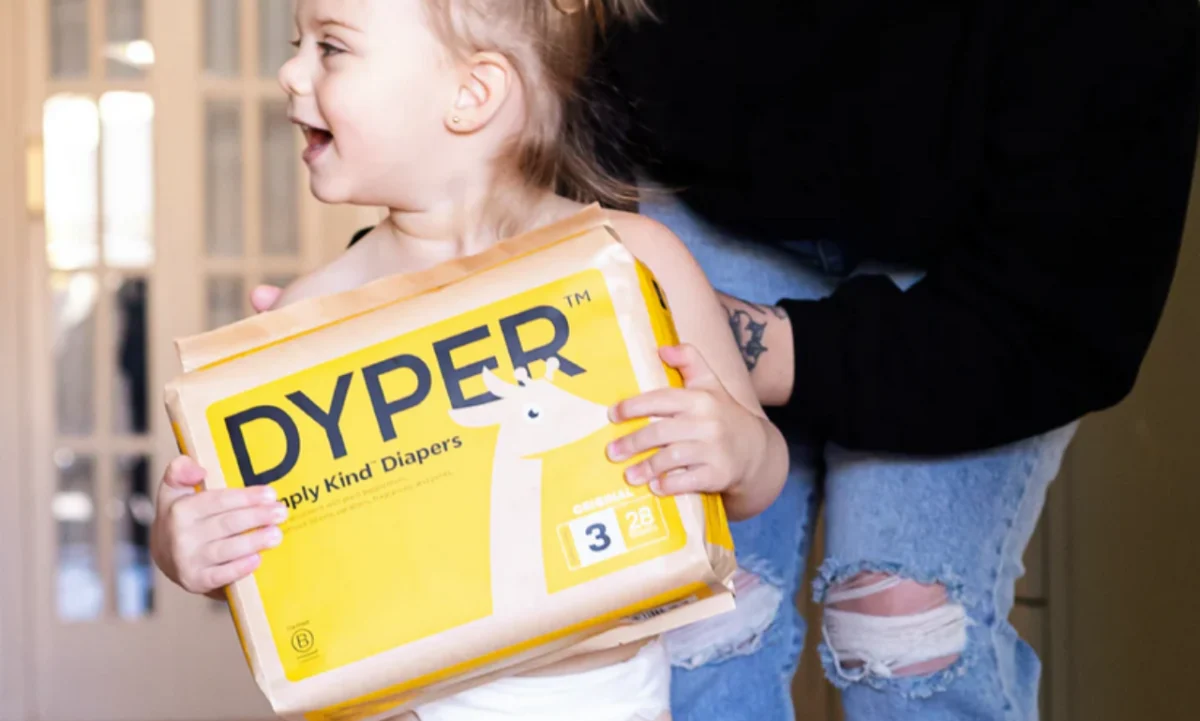
The stark reality of modern infant care confronts parents with a significant environmental challenge: babies produce an enormous volume of waste. Disposable diapers, a convenience for countless families, contribute substantially to global landfills and raise growing concerns about both ecological impact and infant health. Addressing this multifaceted problem, Dyper, a company specializing in plant-based, compostable single-use diapers, has emerged as a key innovator, offering a sustainable alternative that seeks to redefine the industry standard.
The Mounting Crisis of Disposable Diapers: Environmental and Health Ramifications
The sheer scale of disposable diaper consumption is staggering. Globally, it is estimated that hundreds of billions of diapers are used annually, with most babies in developed nations using approximately 6,000 disposable diapers within their first two years of life. This translates into a monumental waste stream, with conventional disposable diapers taking centuries to decompose in landfills, releasing methane, a potent greenhouse gas, and leaching plastic microparticles into the environment. A typical disposable diaper is composed of petroleum-derived plastics, super-absorbent polymers (SAPs), wood pulp, and various chemical additives, none of which are designed for rapid biodegradation. The volume they occupy in municipal waste streams is immense, often ranking among the top three consumer products in landfills.
Beyond the environmental footprint, the health implications of traditional disposable diapers are increasingly under scrutiny. Unlike many other consumer products, the regulatory oversight for baby diapers in some major markets, including the United States, is notably lax. The Consumer Product Safety Commission (CPSC), for instance, primarily mandates testing for lead, neglecting a comprehensive assessment of other chemicals commonly found in these products. This regulatory gap leaves a wide array of potentially harmful substances unchecked.
Many conventional disposable diapers contain phthalates, parabens, chlorine, fragrances, and dyes. Phthalates, used to make plastics more flexible, are known endocrine disruptors, linked to developmental and reproductive issues, including potential associations with testicular cancer later in life. Parabens, used as preservatives, can mimic estrogen and have been linked to hormonal imbalances. Chlorine, often used in the bleaching process of wood pulp, can create dioxins, highly toxic environmental pollutants and carcinogens. Fragrances, while seemingly innocuous, are often proprietary blends of chemicals that can cause acute skin rashes and allergic reactions in infants with sensitive skin. The constant exposure of a baby’s delicate skin to these substances, in a warm, moist environment, creates a prime pathway for absorption. This persistent chemical exposure has raised alarms among pediatricians and environmental health advocates, prompting calls for greater transparency and stricter ingredient regulations.
The alternative of reusable cloth diapers, while environmentally superior, presents significant logistical and lifestyle challenges for many busy parents. The time, effort, and resources required for washing, drying, and maintaining cloth diapers, coupled with the initial investment, make them an impractical solution for a substantial portion of the population, particularly those without in-home laundry facilities or ample time. This gap in the market highlighted the urgent need for a single-use diaper that offered both convenience and a significantly reduced environmental and health impact.
The Genesis of a Sustainable Solution: Dyper’s Founding Vision
The personal experience of overflowing trash bins, laden with plastic-filled diapers, served as the catalyst for Tony Patron, an engineer, and his business partner. This common parental dilemma sparked a realization that the status quo of diapering was unsustainable and necessitated innovation. Patron, equipped with an engineering mindset, began to conceptualize a solution that could address the twin challenges of waste and chemical exposure without compromising on performance or convenience.
Their initial exploration led to discussions with a company already developing compostable diaper technology. This collaborative spirit culminated in a strategic merger, giving birth to Dyper. The new entity was founded on a clear mission: to create a high-performance, non-toxic, and truly biodegradable single-use diaper that would alleviate both household waste burdens and environmental damage. This foundational commitment aimed to push for significant change in an industry long dominated by products that prioritize cost and convenience over ecological and health considerations.

Innovating with "Plants Over Plastic"
Dyper’s core philosophy, "plants over plastic for happy babies," is manifest in every aspect of its product development and material sourcing. The company’s product team meticulously researches and integrates biodegradable components, striving for the highest possible percentage of plant-based materials in their diapers. While some advanced technologies, such as the hook-and-loop fasteners (velcro), currently lack fully biodegradable alternatives that meet performance standards, Dyper remains committed to continuous innovation and improvement in this area.
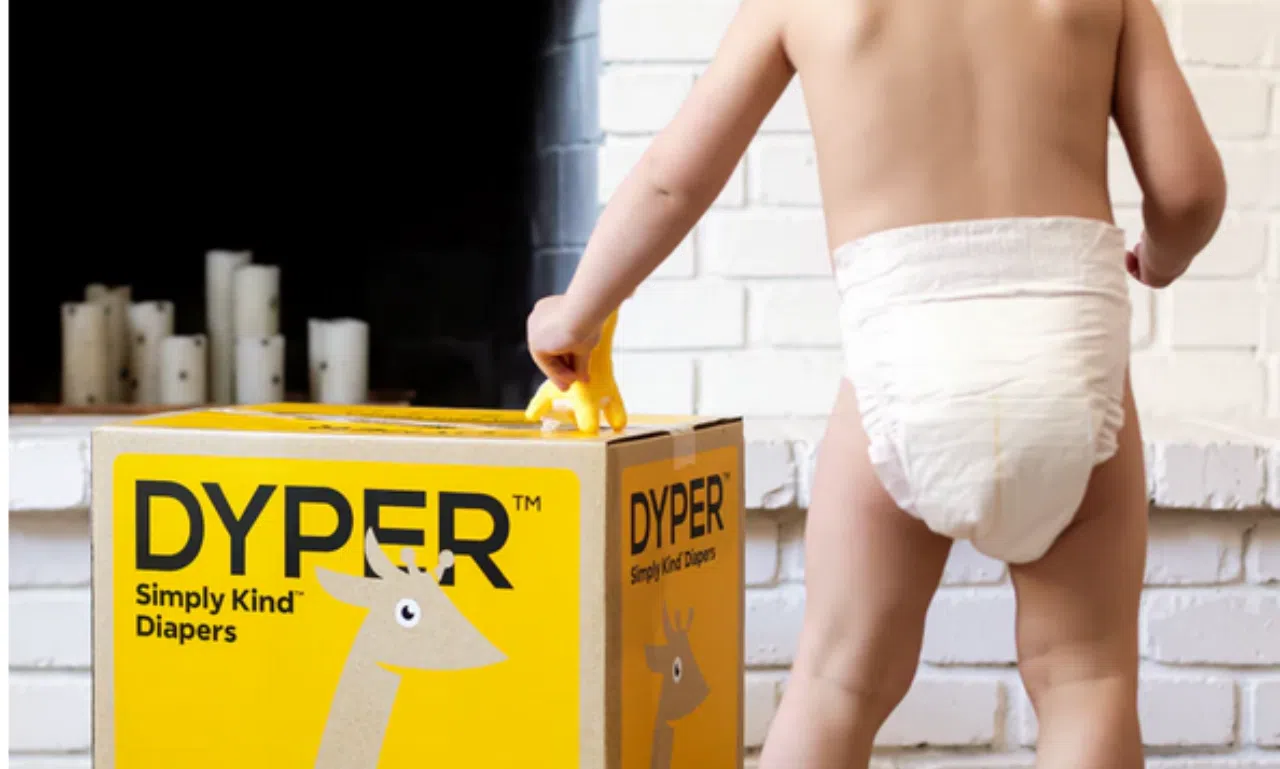
A cornerstone of Dyper’s material strategy is the use of sustainably sourced, fast-growing plant fibers. Their diapers primarily utilize US-grown FSC-certified bamboo and eucalyptus fibers. The Forest Stewardship Council (FSC) certification ensures that the wood pulp used comes from responsibly managed forests, promoting environmental conservation and social benefits. Bamboo and eucalyptus are chosen for their rapid growth rates, requiring less land and water than traditional cotton, making them highly renewable resources. Furthermore, their natural properties include exceptional softness, breathability, and hypoallergenic qualities, which are gentler on a baby’s delicate skin compared to synthetic materials.
Transparency is another hallmark of Dyper’s approach. The company labels each layer of its diapers with specific component information, providing conscious parents with full disclosure about what touches their baby’s skin. The viscose bamboo used in Dyper products is sourced from an Oeko-Tex certified supplier. The Oeko-Tex Standard 100 certification is an independent testing and certification system for textile raw materials, intermediate, and end products at all stages of production. It guarantees that the certified products are free from harmful substances, ensuring a safe and healthy environment for infants.
Dyper’s commitment to safety and environmental responsibility is further underscored by a suite of rigorous third-party certifications. Their diapers are certified USDA BioPreferred 55% Product, indicating that a significant portion of the product is derived from renewable biological resources. Similarly, their wipes boast a USDA BioPreferred 95% Product certification. These certifications provide independent verification of the company’s claims regarding plant-based content.
To directly address the health concerns associated with traditional diapers, Dyper products also meet Oeko-Tex standards for textile articles and recently achieved the prestigious DermaTest 5-Star Certification. DermaTest is an internationally recognized seal of approval that guarantees products have been tested for skin tolerance and will not cause any skin reactions, providing immense reassurance to parents concerned about diaper rash and sensitivities. By rigorously testing their products through independent laboratories, Dyper ensures that their diapers are free from phthalates, latex, parabens, chlorine, alcohol, perfumes, and other common irritants found in conventional supermarket brands. This deliberate exclusion of harmful chemicals prioritizes infant health without compromising on the absorbent and leak-proof performance expected of a high-quality diaper.
The REDYPER Program: Closing the Loop on Diaper Waste
Recognizing that even biodegradable materials can contribute to landfill waste if not properly managed, Dyper introduced its innovative REDYPER™ program. This optional, subscription-based service is designed to tackle the challenge of post-consumer diaper waste by facilitating industrial composting. The program provides participating customers with specialized bags for used diapers and wipes, which are then collected either weekly or biweekly, depending on geographical availability, and transported to partner composting facilities.
Industrial composting differs significantly from backyard composting. It involves controlled conditions of heat, moisture, and aeration, which are essential for breaking down organic materials efficiently and safely. Crucially, industrial composting facilities can reach temperatures high enough to neutralize pathogens present in human waste, making the composting of used diapers feasible and hygienic. At these facilities, Dyper’s plant-based diapers undergo a transformation, breaking down into nutrient-rich compost within 14 to 16 weeks. While the vast majority of the diaper is compostable, any non-compostable components, such as the aforementioned hook-and-loop fasteners, are carefully separated and disposed of responsibly, preventing them from contaminating the compost or ending up in landfills.
The impact of the REDYPER program has been substantial. As of today, the initiative has successfully diverted over 14 million pounds of waste from landfills, a testament to its effectiveness and the growing demand for such circular economy solutions. This program not only reduces the volume of waste but also mitigates the release of greenhouse gases associated with landfill decomposition and offers a valuable end-of-life solution for a product traditionally considered purely disposable. The REDYPER program exemplifies Dyper’s holistic approach to sustainability, extending its "plants over plastic" philosophy beyond material selection to encompass the entire product lifecycle.
Navigating the Evolving Market for Sustainable Baby Care
Dyper operates within a rapidly evolving consumer landscape, where environmental consciousness and health awareness are increasingly influencing purchasing decisions, particularly for baby products. A growing segment of parents is actively seeking out brands that offer transparency, non-toxic ingredients, and sustainable practices. This shift is driven by a combination of factors: increased access to information, a greater understanding of chemical exposures, and a generational imperative to protect the planet for future generations.
However, entering and expanding in the sustainable baby product market comes with its own set of challenges. Conventional diaper brands benefit from economies of scale, established distribution networks, and lower material costs, often resulting in more competitive pricing. Sustainable alternatives, utilizing premium plant-based materials and implementing complex collection and composting logistics, typically have higher production costs, which can translate to a higher price point for consumers. Dyper addresses this by offering flexible subscription models and focusing on the long-term value proposition: peace of mind regarding baby’s health, superior performance, and a clear environmental benefit.
The geographical limitations of the REDYPER program also present a challenge. The availability of industrial composting facilities capable of processing human waste is not uniform across all regions. Dyper’s expansion strategy involves continuous efforts to partner with more regional composting facilities, thereby broadening the reach and impact of its circular model. This highlights the broader infrastructure development needed to support a truly sustainable economy.
Looking Ahead: The Future of Diapering
Dyper’s journey represents a significant stride towards a more responsible future for infant care. By meticulously designing diapers from more than 50% plant-based materials, rigorously testing for safety, and implementing an innovative composting program, the company demonstrates that it is possible to combine high performance with profound environmental and health benefits.
The success of companies like Dyper also signals a potential shift in regulatory perspectives. As consumer demand for safer and more sustainable products grows, there may be increasing pressure on regulatory bodies to mandate stricter ingredient disclosure and safety testing for baby products. The market itself, driven by consumer choice, is already pushing the industry towards greater accountability.
Ultimately, Dyper offers parents a compelling choice: a high-performing diaper that keeps babies dry and comfortable, free from harmful chemicals, and contributes to a healthier planet. This commitment to sustainability, transparency, and superior baby care positions Dyper not just as a product provider, but as a leader in reshaping the future of the disposable diaper industry. The company’s efforts underscore the fact that functionality and sustainability do not have to be mutually exclusive; instead, they can be harmoniously integrated to benefit both families and the environment.



 Anjar Salim
 Chandra Hamzah
 Tatiana Tantri Indah Sari
 Budi Mulyono
 Lukman Taruna Persada Ramadan
