
 Diana Nuri Rohmawati
Ko Lipe, a small island located in the Adang-Rawi Archipelago of the Andaman Sea, has transitioned from a remote backpacker outpost to a cautionary tale of rapid, unregulated tourism development. Once characterized by its limited infrastructure and status as a "last frontier" for intrepid travelers, the island now faces significant ecological and social challenges that mirror the overdevelopment seen in other Thai destinations such as Ko Phi Phi and Phuket. Recent assessments of the island’s infrastructure, environmental health, and social fabric suggest that the current trajectory of growth is increasingly viewed as unsustainable by environmental experts and long-term observers of the region.
Historical Context: From Seclusion to Mass Tourism
In the early 2000s, Ko Lipe was a destination defined by its isolation. During this period, electricity was available only for a few hours a day, and the island’s economy was primarily rooted in subsistence fishing and a small-scale hospitality sector catering to the "backpacker" demographic. Accommodations consisted largely of basic bamboo bungalows, and the island lacked paved roads, with transport limited to dirt footpaths that wound through dense tropical foliage and coconut groves.
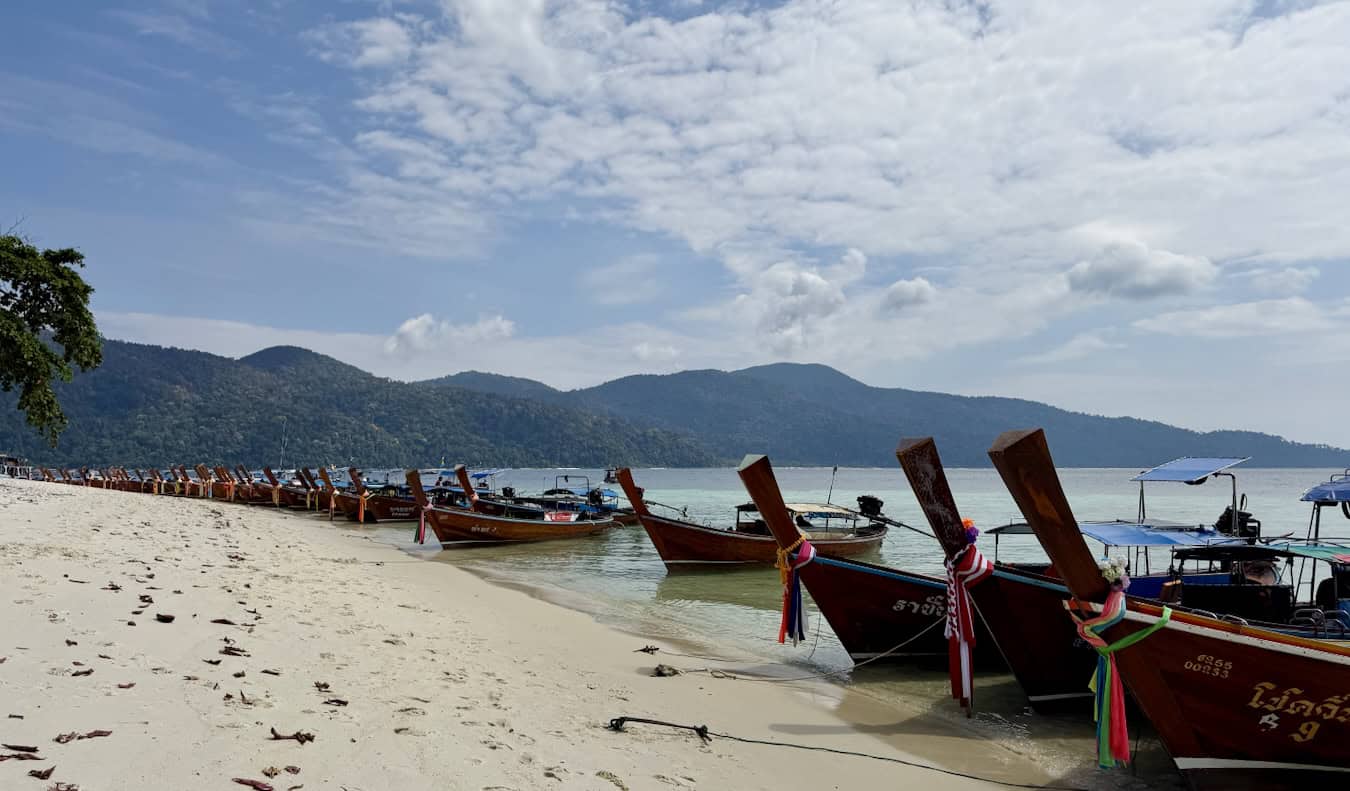
The timeline of Ko Lipe’s development accelerated significantly between 2010 and 2020. During this decade, the Thai government and private developers sought to capitalize on the island’s aesthetic appeal—often referred to as the "Maldives of Thailand" due to its turquoise waters and white sand beaches. This branding effort successfully drew international attention but also initiated a construction boom that the island’s limited natural resources were ill-equipped to support. By 2024, the transformation was nearly complete, moving from a low-impact destination to a high-density resort hub.
Infrastructure and the Paving of Paradise
The most visible change on Ko Lipe is the radical shift in its physical landscape. The original dirt paths that once defined the island’s interior have been replaced by concrete roads designed to accommodate construction vehicles and motorbikes. This urbanization has led to the removal of large swaths of palm trees and indigenous vegetation to make way for high-end resorts.
A critical point of concern for environmentalists is the proliferation of luxury resorts equipped with private swimming pools. Geologically, Ko Lipe has no significant natural freshwater supply. The demand for water to maintain these pools and service thousands of tourists daily has placed an immense strain on the island’s groundwater. Reports indicate that the island must now rely on energy-intensive desalination plants or water imported from the mainland, both of which carry high environmental footprints. The lack of a centralized, modern sewage and waste management system further complicates this expansion, as the increased volume of waste often exceeds the capacity of local treatment facilities.
Environmental Degradation and Marine Impact
As a primary gateway to the Tarutao National Marine Park, Ko Lipe’s surrounding waters are among the most biodiverse in Thailand. However, the surge in tourism has led to a measurable decline in the health of the local coral reefs. The primary drivers of this degradation include:
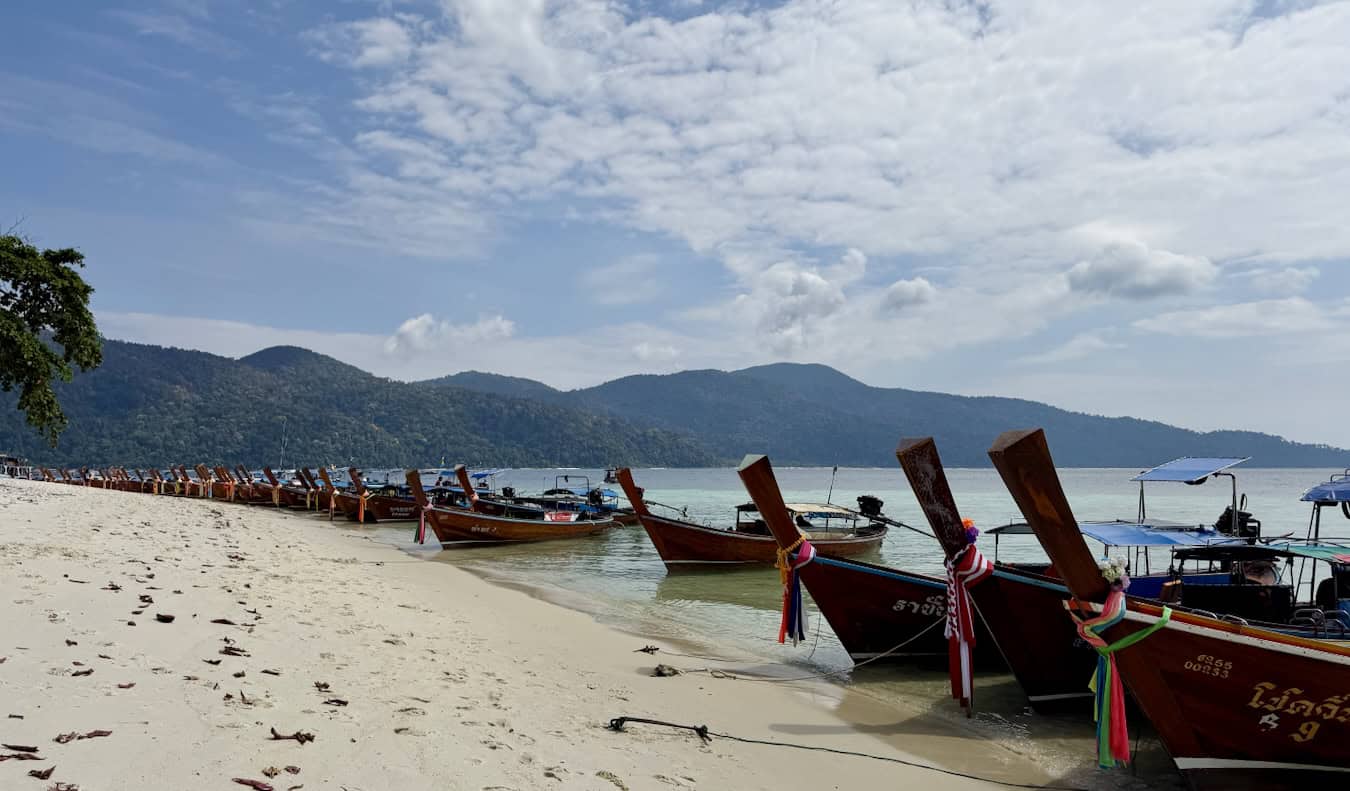
- Mechanical Damage: The sheer volume of long-tail boats and speedboats required to transport tourists and supplies has led to frequent anchor damage on the reef flats.
- Pollution: Runoff from construction sites and the discharge of gray water from resorts contribute to nutrient loading, which can lead to algal blooms that smother coral. Furthermore, observers have noted a visible "oil film" on the surface of the water in high-traffic areas, a direct result of outboard motor exhaust and fuel leaks.
- Overfishing: To meet the demands of the island’s numerous restaurants, local fish stocks are being harvested at rates that exceed natural replenishment, disrupting the delicate balance of the marine ecosystem.
Marine biologists have warned that if the "Ko Phi Phi model"—characterized by high-volume day-tripping and rapid hotel construction—continues unabated on Ko Lipe, the very natural beauty that attracts visitors will be permanently lost. The closure of Maya Bay in 2018 served as a global precedent for the consequences of such overdevelopment, and many experts argue that Ko Lipe is currently on a similar path toward ecological collapse.
Socio-Economic Shifts and Local Displacement
The tourism boom has not only altered the environment but has also fundamentally reshaped the island’s social structure. Ko Lipe is the ancestral home of the Urak Lawoi (Chao Lay), often referred to as "Sea Gypsies." For generations, the Urak Lawoi maintained a lifestyle centered on the sea. However, the rise in land values has led to complex legal disputes and the gradual displacement of these indigenous residents.
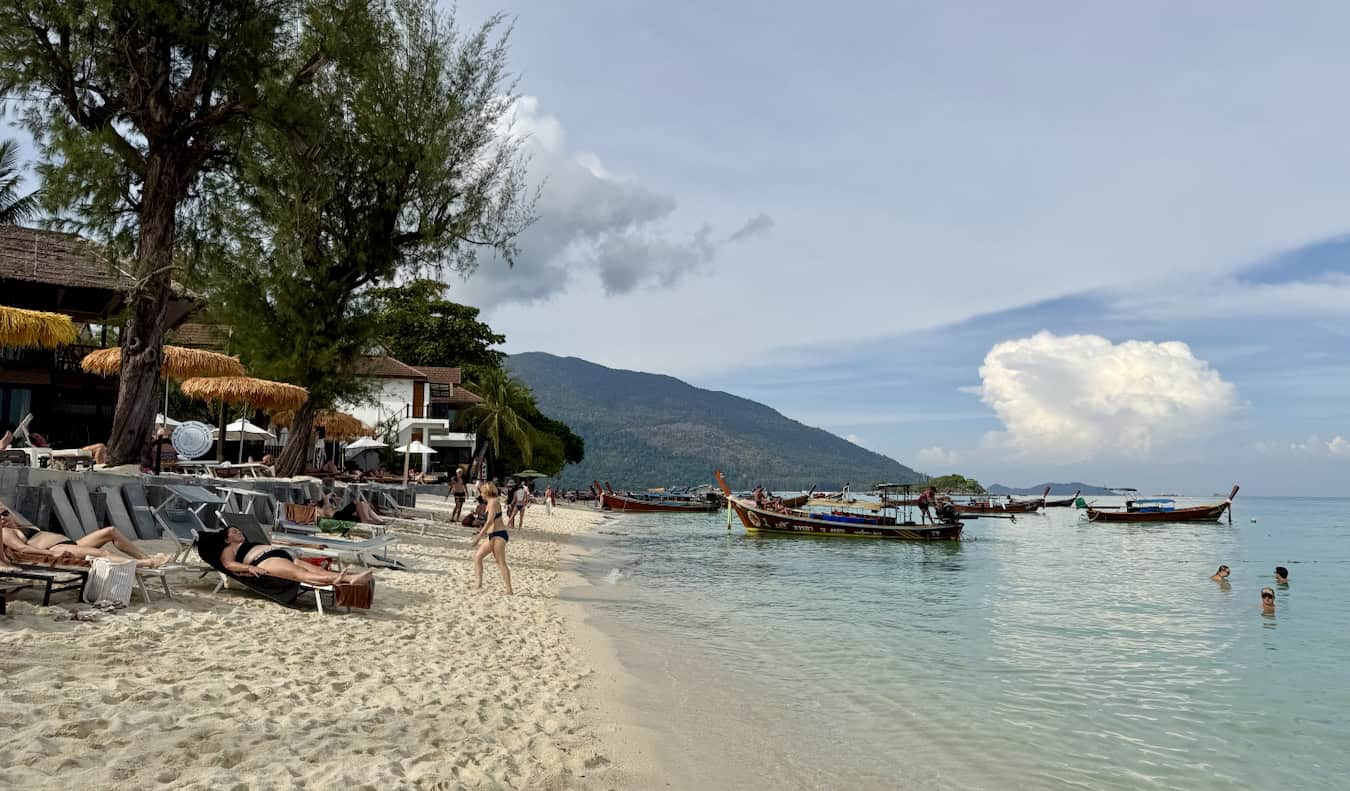
Economic data suggests that while tourism brings significant revenue to the region, the benefits are disproportionately distributed. Many local landowners were pressured or incentivized to sell their property to developers from the mainland or international corporations. Consequently, much of the island’s current workforce is composed of seasonal laborers from the mainland or neighboring countries, while the original inhabitants find themselves marginalized in the new economy. The cultural identity of the island, once defined by the Urak Lawoi’s unique traditions, is being replaced by a homogenized "tourist culture" that prioritizes Western-style amenities and globalized dining over local heritage.
The "Ko Phi Phi Model" and Comparative Analysis
The current state of Ko Lipe is frequently compared to Ko Phi Phi, an island that became a global symbol of "overtourism" following the release of the film The Beach. The Ko Phi Phi model is defined by a lack of zoning regulations, the prioritization of short-term profit over long-term sustainability, and the eventual degradation of the natural assets that initially drove tourism.
In contrast, other nearby islands such as Ko Lanta, Ko Jum, and Ko Mook have adopted more moderate approaches to development. These islands have generally maintained a balance between tourism and environmental preservation by:
- Implementing stricter building codes.
- Preserving large areas of natural forest.
- Encouraging low-impact eco-tourism rather than high-density resort development.
The divergence between Ko Lipe and its neighbors highlights a critical failure in regional planning. While Ko Lipe is technically part of a protected marine area, the enforcement of environmental regulations has often lagged behind the pace of private investment.
Broader Implications for Thai Tourism Policy
The situation on Ko Lipe reflects a broader tension within Thailand’s national tourism strategy. The Tourism Authority of Thailand (TAT) has historically focused on increasing visitor numbers as a key metric of success. However, the post-pandemic era has seen a growing discourse around "Quality Tourism" and "Sustainable Growth."
The environmental crisis on Ko Lipe serves as a test case for whether the Thai government can successfully pivot from mass tourism to a more sustainable model. In recent years, there have been calls from environmental NGOs for the Department of National Parks, Wildlife and Plant Conservation (DNP) to implement "carrying capacity" limits on Ko Lipe. This would involve capping the number of daily visitors and halting new construction projects until adequate waste and water infrastructure is in place.

Conclusion and Outlook: Is Recovery Possible?
The consensus among environmental advocates and responsible travel experts is that Ko Lipe has reached a breaking point. The transition from a pristine paradise to an overdeveloped hub has occurred in less than two decades, leaving little time for the environment to adapt.
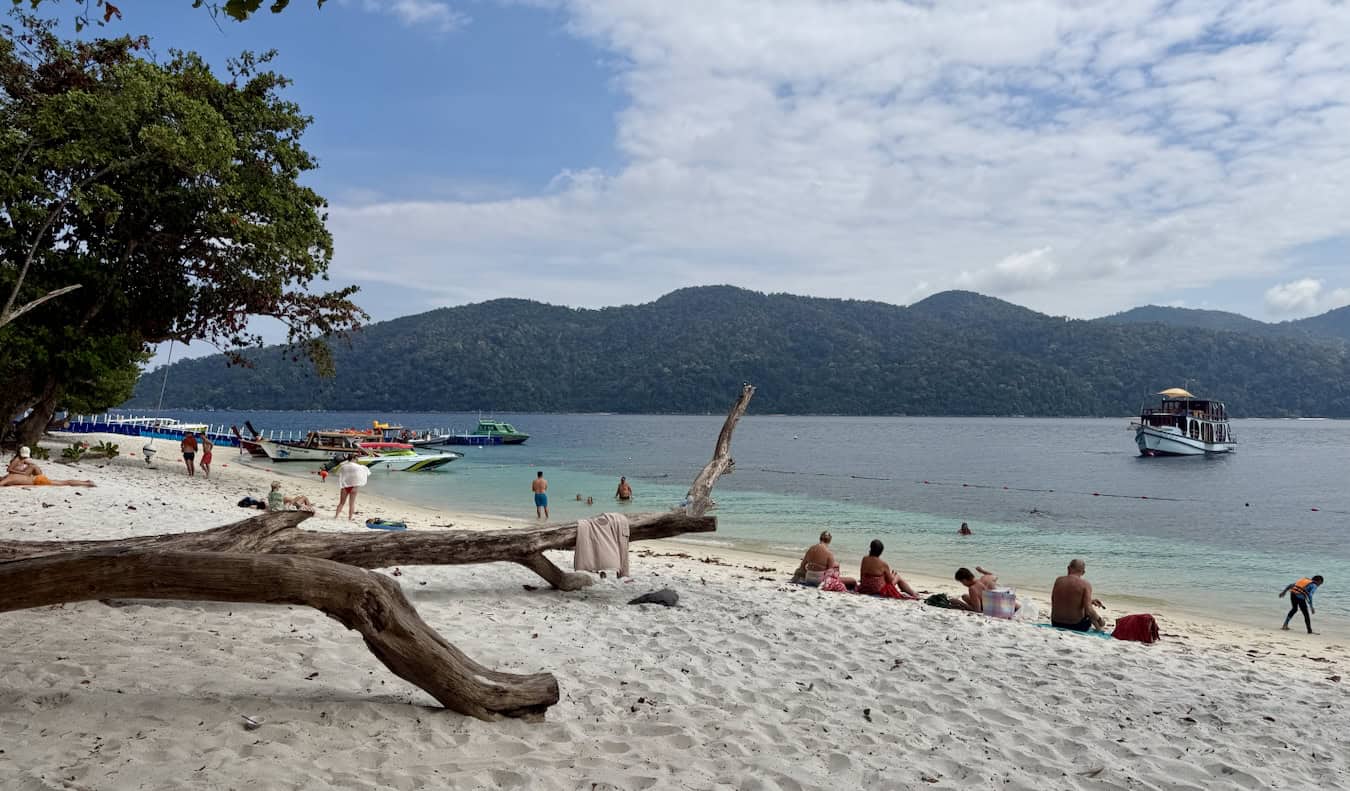
While the island remains "postcard-perfect" to the casual observer—with its blue waters and white sands—the underlying data points to a fragile system under immense stress. The death of coral reefs, the depletion of freshwater, and the displacement of local communities are significant costs that are not always reflected in tourism brochures.
For the future of Ko Lipe to change, a fundamental shift in consumer behavior and government policy is required. Much like the movement to end elephant riding in Thailand, which gained momentum through consumer awareness and advocacy, the fate of islands like Ko Lipe depends on a collective demand for sustainable practices. Without immediate intervention and a commitment to managed growth, Ko Lipe risks becoming a permanent monument to the destructive potential of unregulated tourism. Travelers are increasingly encouraged to seek out better-managed alternatives, thereby reducing the pressure on overtaxed ecosystems and signaling to developers that the current model of exploitation is no longer viable in a world increasingly conscious of ecological limits.




 Anjar Salim
 Chandra Hamzah
 Tatiana Tantri Indah Sari
 Budi Mulyono
 Lukman Taruna Persada Ramadan
