
 Diana Nuri Rohmawati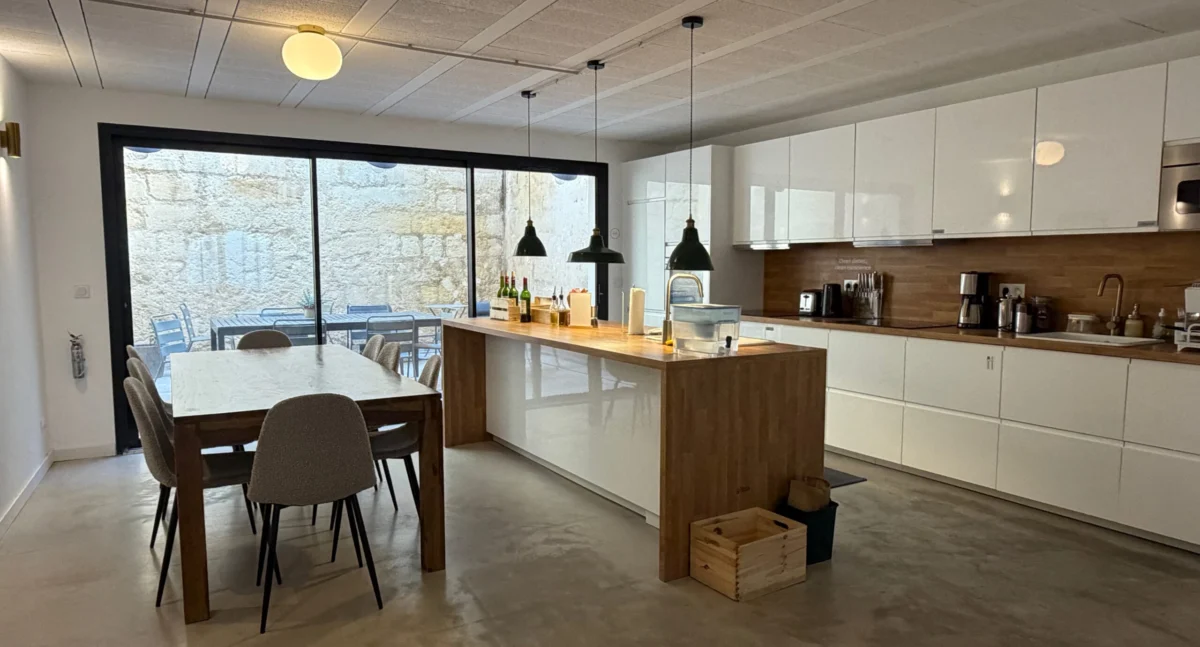
The modern intersection of global mobility and remote employment has permanently altered traditional paradigms of work and travel. For over a decade, the lifestyle of the digital nomad—characterized by location independence and laptop-based productivity—has transitioned from a fringe subculture to a mainstream economic force. However, this shift has exposed a distinct operational friction point: balancing reliable professional infrastructure with sustainable personal well-being while on the move. Historically, location-independent professionals faced a suboptimal binary choice between erratic accommodations, such as under-equipped short-term rentals and cramped hostel dormitories, and the isolation of working exclusively from transient public spaces. In response to these persistent logistical challenges, a specialized hospitality sector has emerged, blending boutique residential design with institutional-grade remote working environments. At the forefront of this shift is Outsite, a global coliving network that illustrates how the travel and real estate industries are adapting to the demands of a permanently decentralized workforce.
Background Context and Market Evolution
The rapid proliferation of remote work, supercharged by global shifts in employment models following the COVID-19 pandemic, catalyzed an unprecedented surge in demand for structured nomadic infrastructure. Prior to this structural labor market evolution, digital nomads typically relied on a disjointed array of solutions. Professionals frequently found themselves attempting to execute high-bandwidth tasks from hostel common rooms unsuited for deep concentration, or negotiating with residential landlords over unverified internet speeds that routinely failed to support basic enterprise operations.
Concurrently, traditional hospitality providers—such as hotels geared toward short-term vacations—rarely offered the ergonomic workspaces, community programming, or kitchen facilities necessary for professionals undertaking multi-week or multi-month stays. The emergence of specialized coliving concepts sought to bridge this gap. By fusing the private comfort of serviced apartments with the dynamic social architecture of boutique hotels and coworking hubs, these networks addressed the acute professional isolation frequently reported by solo remote workers.
Origins and Operational Architecture of Outsite
Founded in 2015 with a single property in Santa Cruz, California, Outsite was initially conceived to serve outdoor-oriented entrepreneurs and location-independent professionals seeking a seamless integration of recreation and productivity. Over the subsequent decade, the organization scaled into an international network encompassing more than 50 locations and exceeding 5,000 active members.
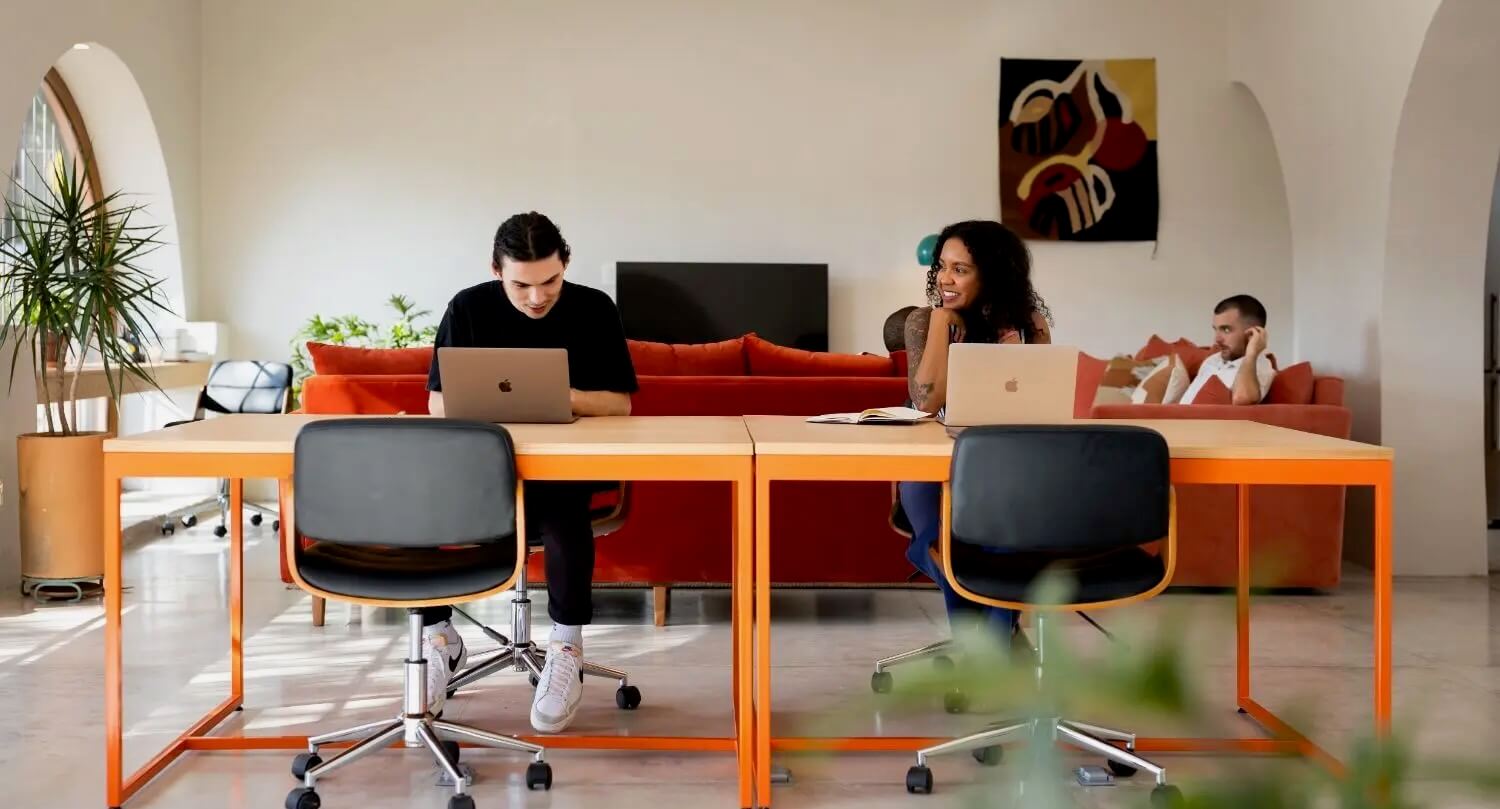
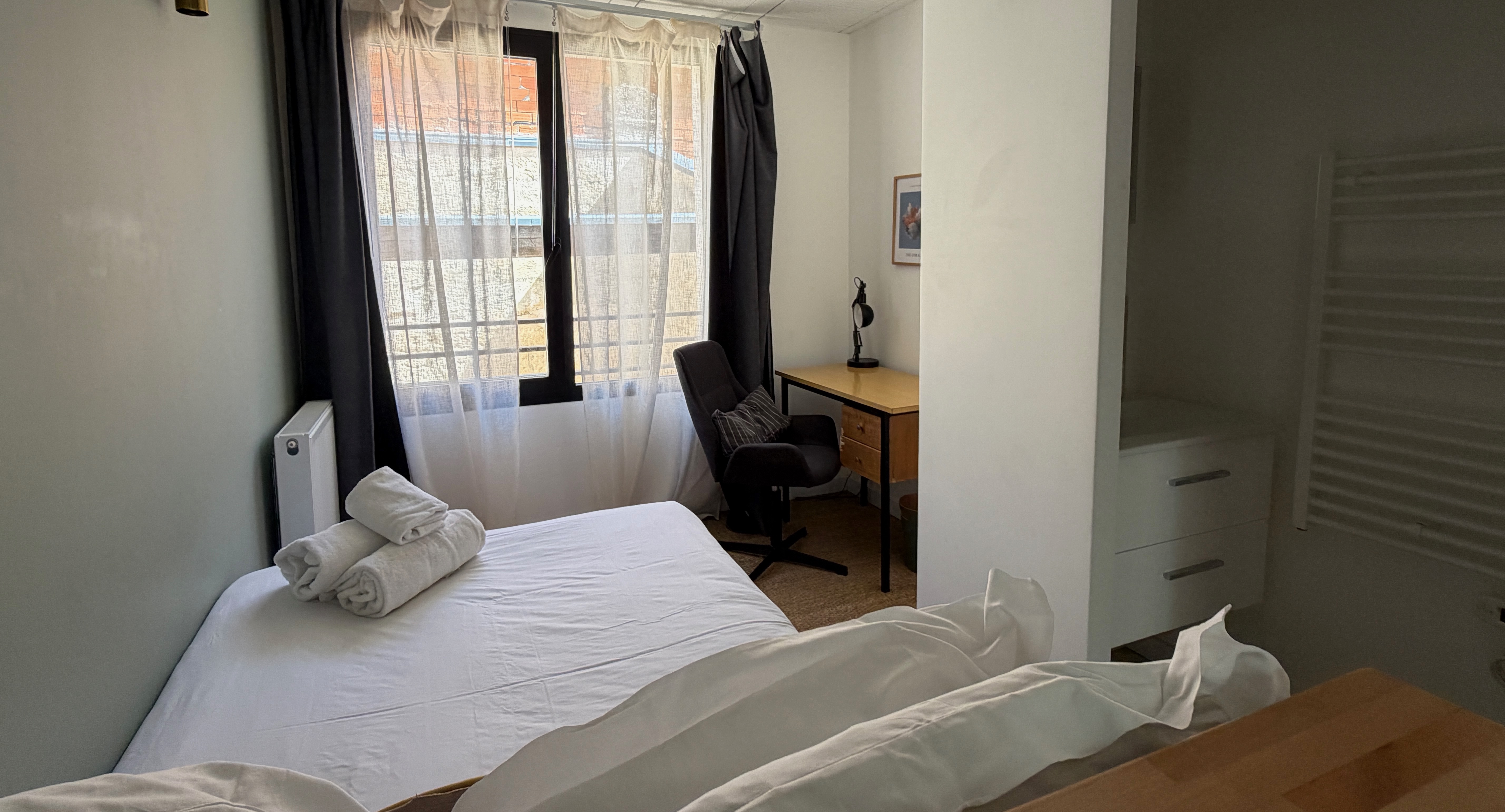
The structural model of these properties diverges significantly from conventional hospitality options. Rather than booking a standard hotel room or an entire multi-bedroom apartment, clients reserve private bedrooms within larger, shared architectural assets. While select entry-level rooms feature shared bathroom facilities, the majority of accommodations include private en-suite amenities. The communal architecture of each property is designed to scale social interaction and utility far beyond what an individual traveler could secure independently.
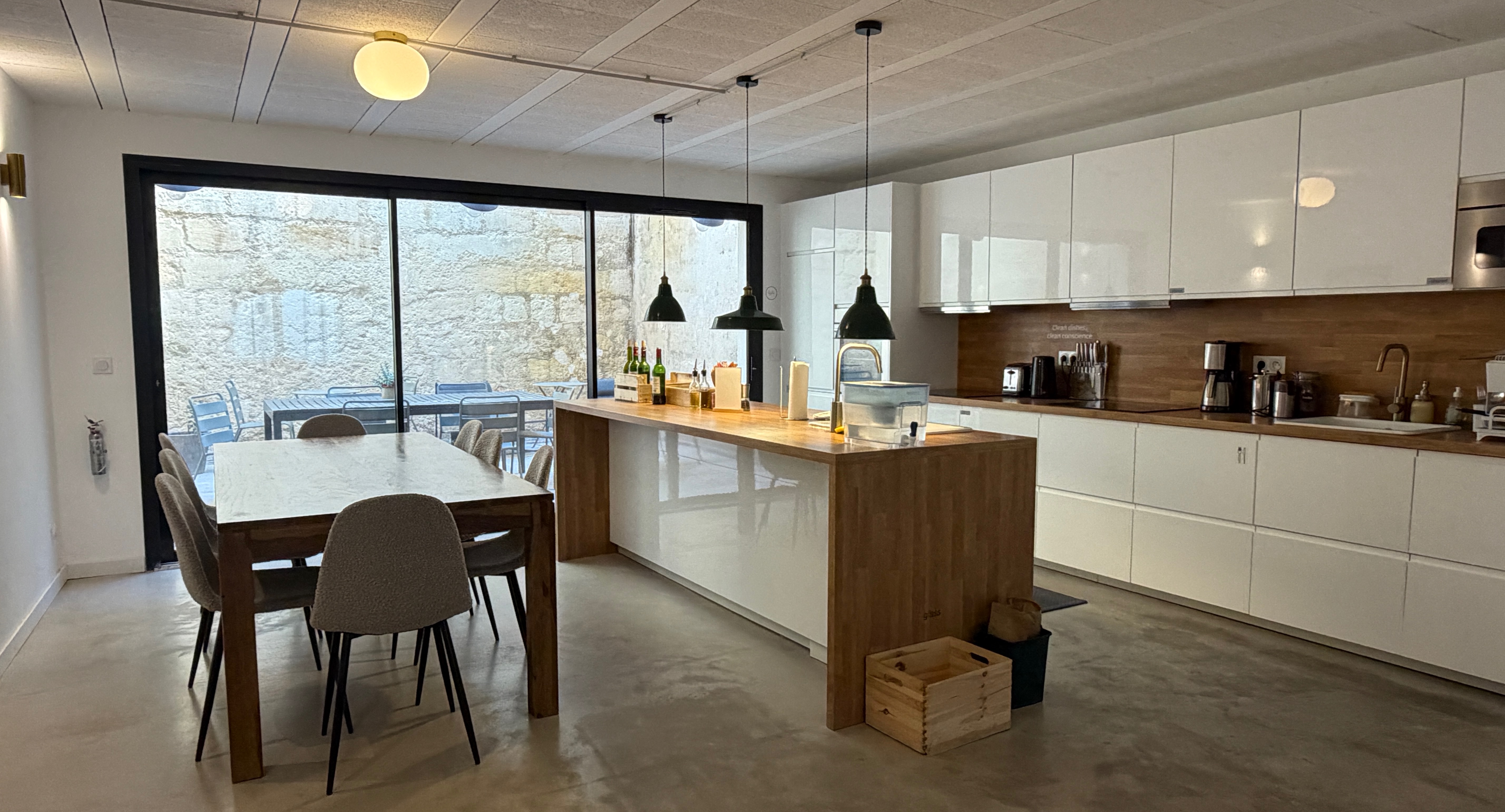
Each location integrates a dedicated coworking environment equipped with enterprise-grade, high-bandwidth Wi-Fi networks, ergonomic seating arrangements, dual-monitor setups, and abundant power infrastructure. This structural layout allows residents to transition from domestic routines to professional productivity within minutes. Furthermore, properties feature extensive communal facilities, including professional-grade chef’s kitchens, expansive living areas, outdoor terraces, and, depending on the geographic market, rooftop decks or swimming pools.
Membership Models and Financial Frameworks
To foster long-term engagement and community retention, Outsite operates on a hybrid access model. While properties remain accessible to transient bookers on a non-member basis, the network offers tiered annual and lifetime memberships designed for frequent remote workers.
Annual memberships, priced at $199, and lifetime memberships, set at $499, unlock a suite of financial and logistical incentives. These include reduced nightly rates, priority booking windows for high-demand seasonal destinations, access to members-only properties, promotional flash-sale discounts, and a localized job and sublet board. Additionally, members receive strategic perks such as a complimentary week in newly launched destinations, providing economic incentives for sustained participation within the ecosystem.
Financially, industry analysts note that while coliving properties command a premium over budget backpacker accommodations, their comprehensive cost structure frequently competes favorably with traditional short-term leasing models. When factoring in the cumulative costs of securing an independent apartment lease, utility deposits, and a separate monthly membership to a commercial coworking space, integrated coliving environments offer a consolidated expenditure footprint for mid-term travelers.
Community Curation and Local Integration
A core differentiator within modern coliving infrastructure is the intentional curation of social and professional community. Recognizing that remote work frequently engenders psychological isolation, networks like Outsite deploy dedicated on-site community managers to facilitate social cohesion among residents.
Prior to arrival, incoming guests are integrated into digital messaging channels to coordinate logistics and local orientations. Community managers curate a regular cadence of social and cultural programming, ranging from family-style communal dinners and regional weekend excursions to structured fitness sessions and local culinary tours. This programming serves a dual purpose: it mitigates the loneliness associated with solo remote work and accelerates the guest’s integration into the surrounding municipality.
Furthermore, community managers function as localized concourses of information, offering insider guidance on regional dining, municipal navigation, and cultural norms. This localized support system bridges the gap between the insular bubble of traditional corporate travel and the unstructured experience of independent backpacking.
Demographic Trends and Operational Constraints
Data concerning the demographic composition of coliving networks reveals a distinct professional profile. The vast majority of guests consist of knowledge workers, entrepreneurs, freelancers, and corporate remote employees ranging in age from their late twenties to their forties. This demographic skew distinguishes coliving spaces from traditional youth hostels, establishing an environment tailored to individuals balancing active career trajectories with international travel.
Despite the operational advantages, the sector faces distinct logistical constraints. High-demand properties in major global hubs—such as Lisbon, Costa Rica, and key European cultural centers—experience severe seasonal supply bottlenecks. Consequently, travelers often encounter limited spontaneity, requiring reservations months in advance to secure preferred dates.
Additionally, operational frameworks are subject to complex regulatory environments. In densely populated metropolitan markets governed by strict municipal short-term rental laws, such as New York City, properties frequently enforce extended minimum-stay requirements—often mandating continuous bookings of thirty days or more to comply with local housing legislation. Furthermore, communal living dynamics necessitate restrictive policies regarding pets to maintain sanitary standards and accommodate guests with allergies.
Broader Industry Implications and Future Outlook
The expansion of global coliving networks signals a broader structural shift in how commercial real estate, urban planning, and hospitality intersect with the future of work. As multinational corporations increasingly adopt permanent remote and hybrid employment models, the demand for flexible, productive, and socially integrated living arrangements is projected to intensify.
Urban planners and real estate developers are closely monitoring the evolution of coliving assets as indicators of shifting residential preferences. By transforming underutilized real estate assets into integrated live-work ecosystems, operators within this sector are redefining traditional lease structures and property management models. As international mobility continues to normalize among knowledge-based industries, the success of networks like Outsite demonstrates that the future of travel will increasingly demand infrastructure explicitly engineered for the intersection of professional productivity and human connectivity.




 Budi Mulyono
 Lukman Taruna Persada Ramadan
 Anjar Salim
 Chandra Hamzah
 Tatiana Tantri Indah Sari