
 Dwi Wanna
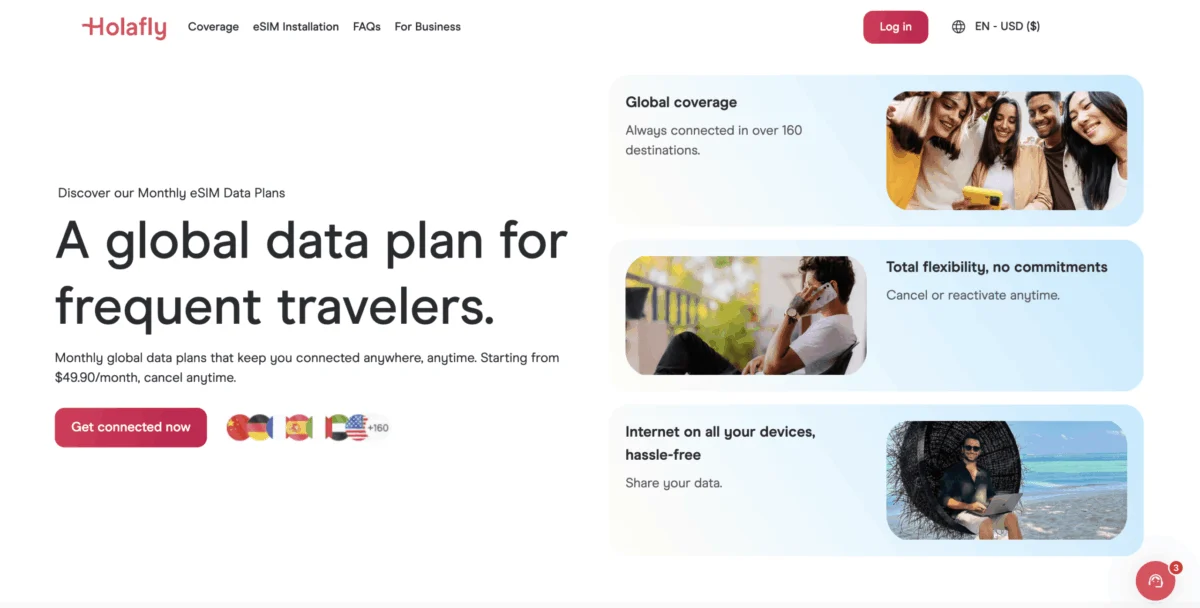
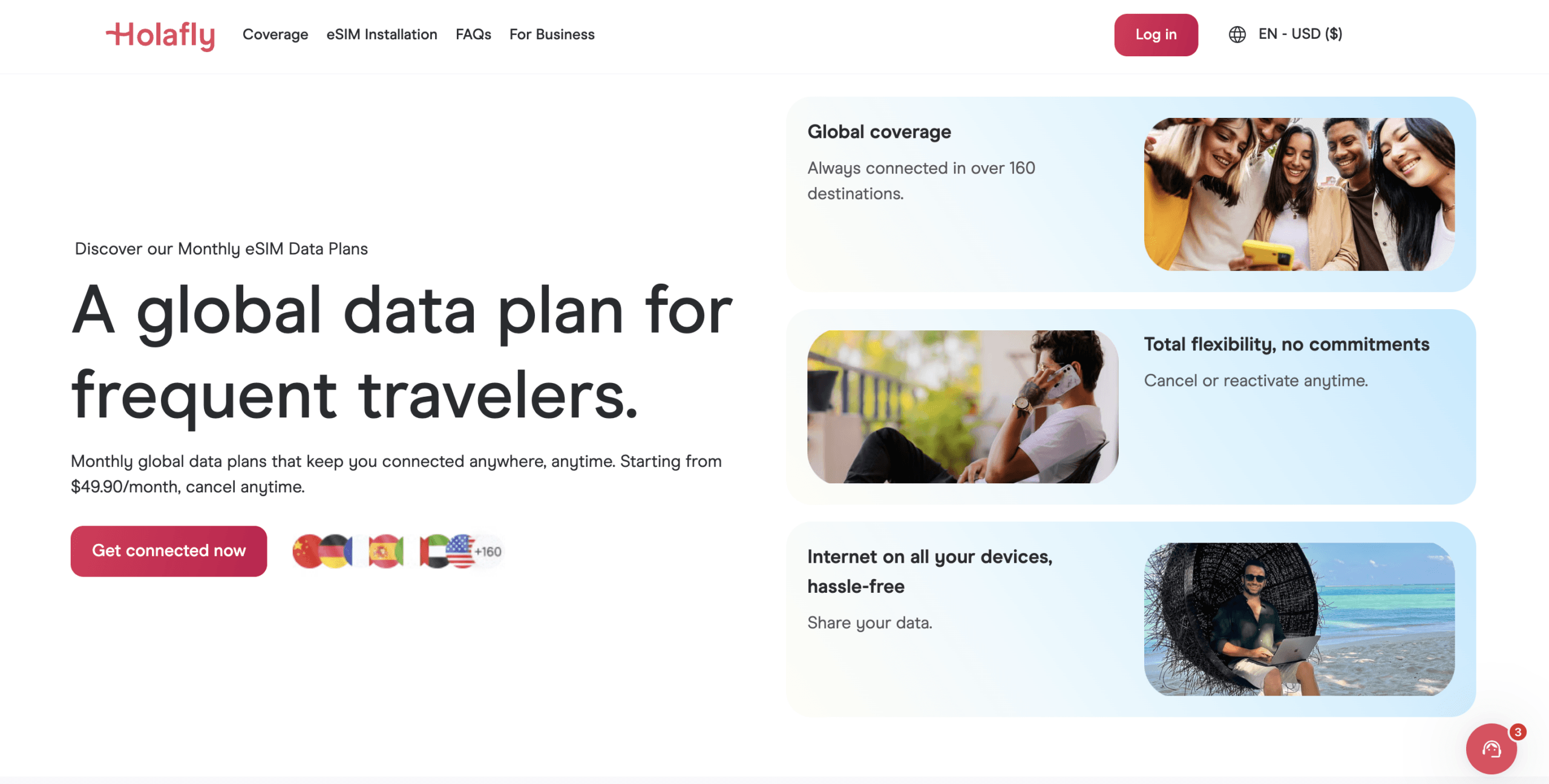
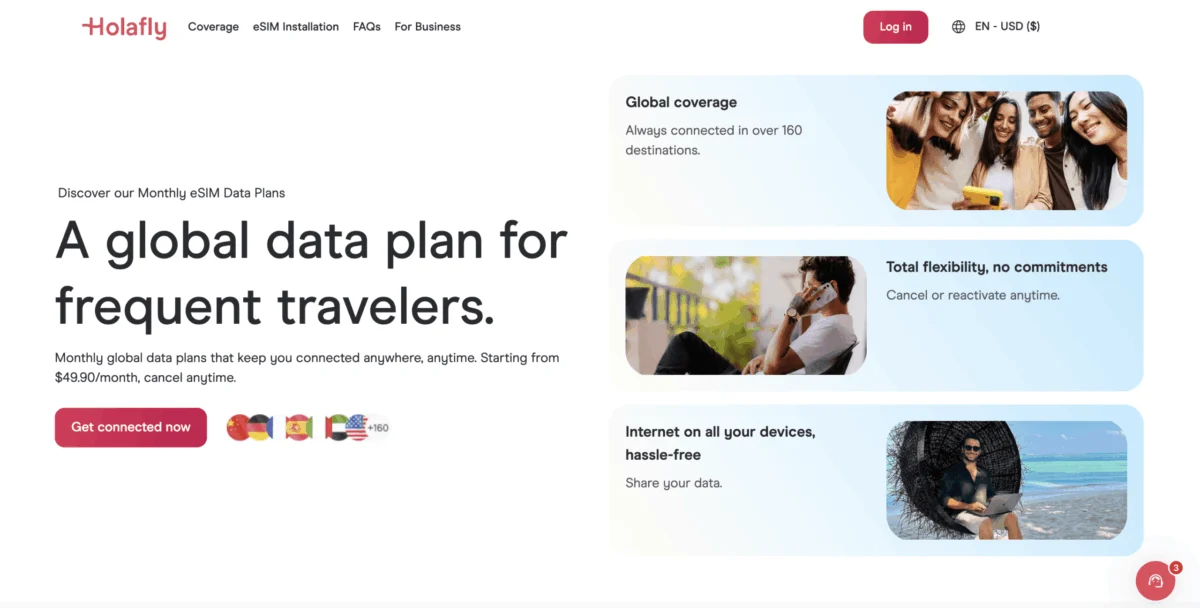
The landscape of international telecommunications is undergoing a significant transformation as digital infrastructure increasingly replaces physical hardware. Central to this shift is the proliferation of embedded SIM (eSIM) technology, which allows mobile users to activate cellular plans through software rather than physical chips. Recently, the sector has moved beyond single-destination, short-term usage models toward long-term, subscription-based global connectivity. This transition is being led by firms such as Holafly, which has introduced a unified, multi-destination subscription model designed to address the fragmented nature of international roaming.
The emergence of these subscription plans represents a strategic pivot in how frequent travelers and digital nomads manage connectivity. By consolidating access across more than 160 countries into a single, ongoing billing cycle, the service aims to mitigate the logistical challenges traditionally associated with international travel, such as swapping physical SIM cards or managing multiple, expiring regional data packages.
The Technological Foundation of Modern eSIMs
An eSIM is a digital SIM profile—an industry-standard technology defined by the GSMA—that allows users to activate a cellular plan from a carrier without the need for a physical SIM card. Because the eSIM is integrated directly into the device’s hardware, smartphones can store multiple profiles simultaneously, enabling users to switch between a domestic carrier and a travel-specific provider with a simple settings adjustment.
The historical difficulty for travelers has been the reliance on "pay-as-you-go" models, which often involve high per-gigabyte costs, limited duration, and the need to procure new credentials upon entering each country. The recent integration of global subscriptions, such as the Holafly Plans, functions as a virtualized mobile carrier. Once installed, the eSIM remains active, automatically connecting to local networks as the user crosses international borders, effectively eliminating the friction of manual configuration.

Chronology and Industry Development
The travel connectivity market has experienced three distinct phases of development over the past decade. Initially, travelers relied heavily on local SIM cards, necessitating visits to kiosks upon arrival and the risk of misplacing domestic hardware. The second phase, which began roughly five years ago, saw the rise of the "classic" eSIM, where users could purchase a pre-set amount of data for a specific duration or region before their trip.
The third phase—the current era—began with the introduction of subscription-based models in 2024 and 2025. This development was fueled by the increasing number of remote workers who spend months, rather than weeks, moving between jurisdictions. By providing an "always-on" connection, these services have transitioned from being a travel convenience to a utility service. The inclusion of features like "Always On" backup data, which provides a small, persistent data allotment even during inactive subscription months, indicates a shift toward customer retention models typically seen in domestic telecommunications.
Comparative Analysis of Connectivity Models
To understand the economic impact of this shift, one must compare the traditional roaming packages offered by major domestic carriers against the new wave of independent eSIM providers.
Traditional domestic mobile carriers often charge a "roaming fee," frequently ranging from $10 to $15 per day, which provides access to data that is often throttled or capped. For a 30-day trip, a traveler could feasibly spend between $300 and $450 in roaming charges. In contrast, emerging global eSIM subscription models operate on a flat-fee basis, typically ranging from $50 to $70 per month for unlimited access.
| Feature | Domestic Carrier Roaming | Standard Prepaid eSIM | Global eSIM Subscription |
|---|---|---|---|
| Monthly Cost | High ($100–$300) | Moderate ($60–$120) | Optimized ($55–$65) |
| Data Allowance | Restricted/Throttled | Fixed/Limited | Unlimited Options |
| Setup Frequency | Automatic | Per Trip | One-time |
| Logistical Effort | Low | Moderate | Negligible |
The economic implication is clear: the market is moving toward a decoupling of cellular service from physical residency. By leveraging wholesale agreements with local networks in over 160 nations, these service providers pass on cost efficiencies to the consumer that traditional carriers, burdened by legacy infrastructure and overhead, cannot match.
Impact on the Digital Nomad and Business Traveler
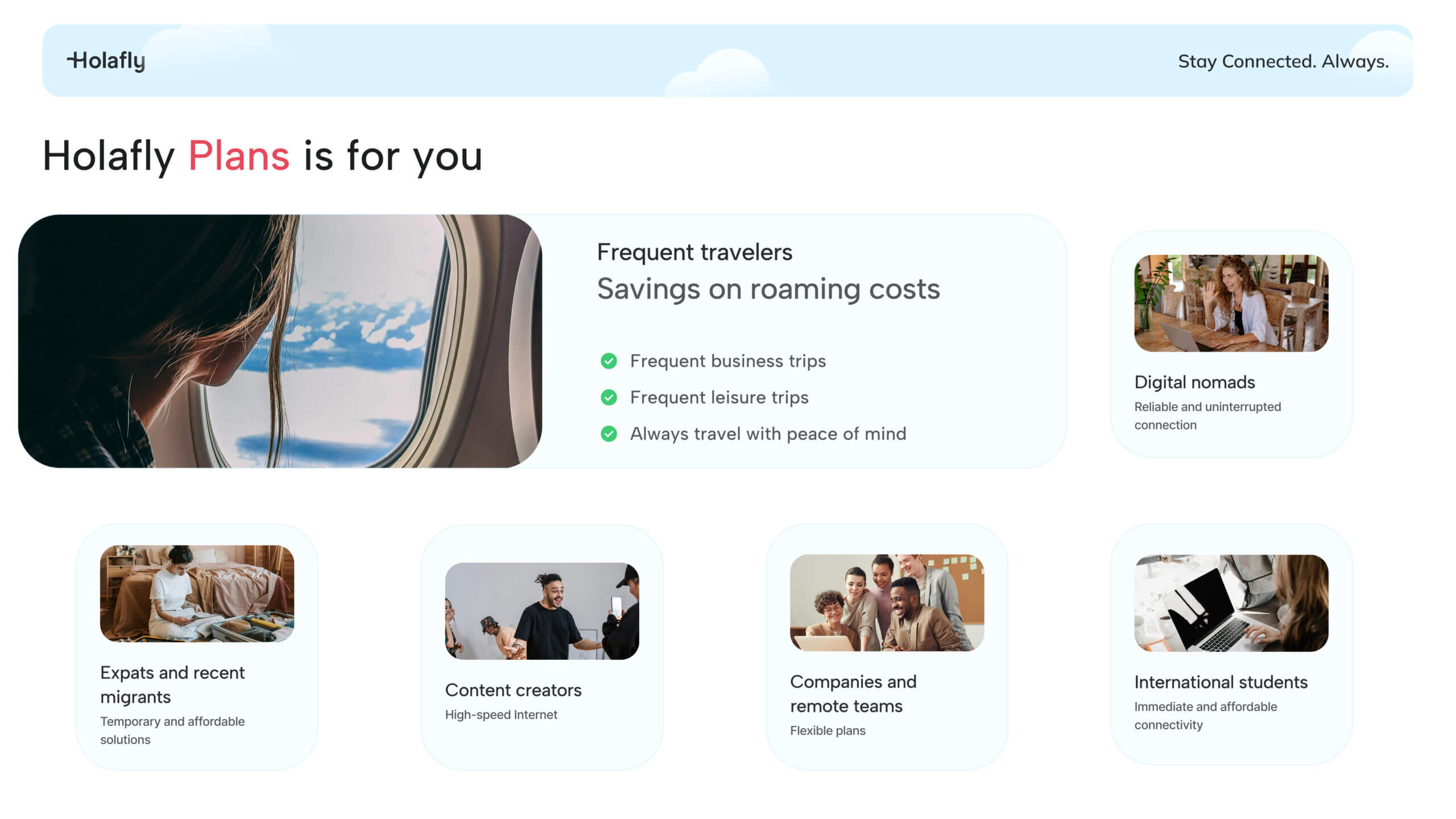
The demographic most affected by these advancements is the growing population of remote professionals. For these users, reliable high-speed data is not merely a convenience but a requirement for employment. The ability to tether a laptop to a mobile hotspot with unlimited data—a feature previously restricted by many carriers—represents a paradigm shift in how international business is conducted.
Furthermore, the inclusion of virtual phone numbers from the United States, United Kingdom, or Canada within these subscription plans allows users to maintain a professional identity regardless of their physical location. This is critical for authentication processes, such as two-factor verification (2FA) for banking and corporate applications, which often fail when attempted on foreign-issued SIM cards.
Regulatory and Technical Considerations
While the adoption of global eSIM subscriptions is growing, there are inherent challenges. Device compatibility remains a primary hurdle, as not all smartphones are eSIM-capable. Furthermore, while the service is designed to be seamless, network handoffs between towers in different countries can occasionally result in brief connectivity lapses.
From a regulatory standpoint, the rise of international eSIM providers has put pressure on national carriers to re-evaluate their roaming structures. As consumers become more aware of the cost disparity between traditional roaming and digital-first alternatives, major carriers are facing a "leakage" of revenue. This competitive pressure is expected to drive further innovation in the telecommunications sector, potentially leading to more flexible and inclusive roaming agreements across the board.
Evaluating the Sustainability of the Model
The long-term viability of the subscription-based eSIM model depends on the continued cooperation of regional network operators. By essentially operating as a Mobile Virtual Network Operator (MVNO) on a global scale, these platforms must maintain high-quality service level agreements (SLAs) with telecommunications infrastructure providers in every country they cover.
Industry analysts suggest that the next step in this evolution will be the integration of artificial intelligence to optimize network selection, ensuring that a user’s device automatically connects to the most stable and high-speed tower available in real-time. This level of optimization would further cement the transition from manual, user-managed connectivity to an invisible, automated utility.
Conclusion
The evolution from physical, country-specific SIM cards to global, subscription-based eSIM profiles marks a definitive maturation of mobile technology for the global traveler. By reducing the cost of connectivity, removing the administrative burden of local acquisition, and providing enterprise-grade features like unlimited hotspot access, these services have fundamentally altered the logistics of international mobility.
For the average consumer, the choice is increasingly clear: the era of expensive, per-day roaming fees is being phased out by scalable, software-defined solutions. As technology continues to bridge the gap between borders, the ability to maintain a stable, high-speed digital footprint will likely become as standard as electricity or Wi-Fi, regardless of one’s geographic location. While traditional carriers retain dominance in the domestic market, the global roaming sector is undergoing a necessary and permanent shift toward the convenience and efficiency of the digital subscription.



 Diana Nuri Rohmawati

 Gabriela Annisa

 Lukman Taruna Persada Ramadan

 Tatiana Tantri Indah Sari

 Anjar Salim

