
 Tatiana Tantri Indah Sari
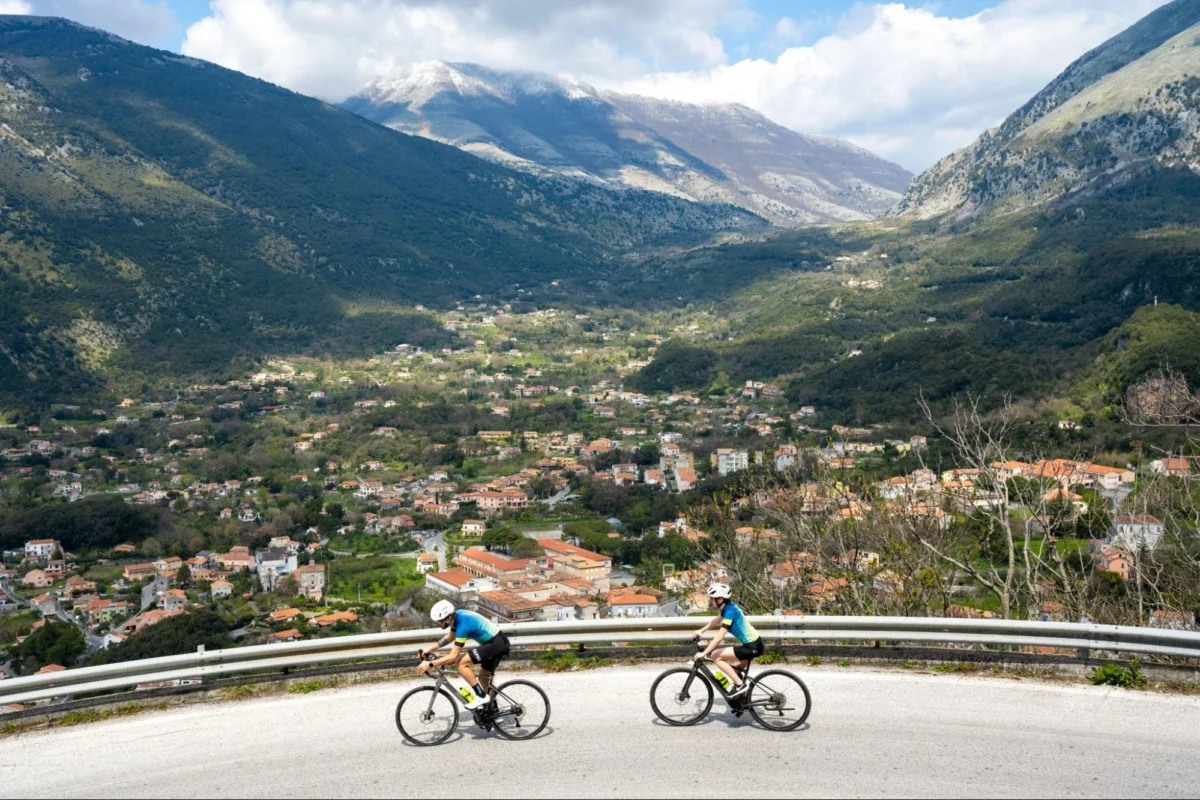
The landscape of high-end travel is undergoing a profound structural transformation, characterized by a decisive departure from the hyper-curated, isolated environments that once defined elite tourism. For decades, the pinnacle of a luxury vacation was defined by a frictionless bubble: private transfers, climate-controlled environments, shielded privacy, and seamless convenience where physical exertion was entirely optional. Today, however, affluent travelers are increasingly rejecting this cocoon in favor of experiences defined by nature, physical effort, and raw, authentic sensory engagement.
This emerging paradigm prioritizes the scent of pine forests during a grueling mountain climb, the unpredictable sting of weather, and the genuine endorphin rush of physical achievement over passive luxury. Instead of retreating from the elements, high-net-worth individuals are leaning into them, seeking out trips where discomfort and effort are not obstacles to luxury, but the very prerequisites that give it meaning.
The Shift From Passive Consumption to Earned Indulgence
At the heart of this movement is a psychological shift among luxury consumers who have grown fatigued by hyper-curated, static environments. For years, the luxury travel sector excelled at delivering flawless aesthetics—pristine beach resorts, VIP lounges, and Michelin-starred dining experiences that could be easily cataloged and broadcasted on social media. While these offerings still command massive markets, a growing segment of elite travelers now suffers from luxury fatigue. They have mastered the art of consuming rare, beautiful things, and consequently, those experiences have lost a degree of their transformative power.
In response, the travel industry is seeing a surge in "earned indulgence." The core philosophy is simple: luxury tastes better, feels more rewarding, and carries deeper emotional resonance when it is preceded by tangible effort. Cycling through the punishing mountain passes of the Dolomites or navigating the rolling hills of Tuscany provides a visceral connection to the land that a chauffeured Mercedes-Benz simply cannot replicate. The reward is no longer just a glass of vintage wine or a plush hotel bed; it is the realization that the traveler conquered a physical challenge to get there.
Pioneering the Active Luxury Model: The DuVine Blueprint
While this trend is accelerating rapidly in the post-pandemic travel landscape, its foundations were laid nearly three decades ago. Andy Levine, founder of DuVine Cycling + Adventure Co., recognized this appetite long before it entered the mainstream luxury lexicon. For nearly 30 years, Levine has championed the concept that high-end travel does not require the elimination of physical exertion.
DuVine has built a global reputation by guiding affluent travelers through some of the world’s most picturesque and demanding regions—including Burgundy, Tuscany, Mallorca, and the Dolomites—entirely by bicycle. The company’s operational model represents the ultimate synthesis of active adventure and high-end hospitality. Guests spend their days battling headwinds, conquering steep inclines, and enduring the unpredictable temperament of regional weather. Yet, upon arrival at their destination, they are met with world-class boutique hotels, meticulously curated gastronomic dinners, and deep cellars of regional wines.
This model bridges a critical gap in the modern travel market: it satisfies the desire for robust physical engagement without forcing travelers to sacrifice comfort, safety, or culinary excellence at the end of the day.
A Chronological Look at the Rise of Experiential Luxury
To understand how high-end tourism reached this juncture, it is helpful to examine the evolution of the luxury travel sector over the past several decades.
During the late 20th century, luxury travel was primarily synonymous with opulent infrastructure. The expansion of commercial aviation and the proliferation of international hotel chains meant that elite travelers expected standardized, frictionless luxury anywhere in the world. A luxury hotel in Tokyo offered the same controlled climate and marble-clad lobbies as one in New York or Paris.
By the early 2010s, globalization and the rise of digital platforms began to democratize access to exclusive destinations. As high-end travel became more accessible to a broader demographic of upper-middle-class consumers, traditional luxury markers began to lose their exclusivity. Affluent travelers sought new ways to differentiate themselves, leading to the initial boom of experiential travel. Initially, this manifested as bucket-list ticking—visiting remote islands, chartering private yachts, or securing reservations at hard-to-reach restaurants.
By the late 2010s and early 2020s, the definition of exclusivity shifted again. With wealth increasingly concentrated among younger demographics, particularly tech entrepreneurs and venture capitalists, the markers of status changed. Younger affluent consumers placed a higher premium on wellness, longevity, and personal transformation. Sitting by a pool was no longer viewed as an optimal use of vacation time; instead, optimizing health, testing physical limits, and engaging in self-betterment took center stage.

The COVID-19 pandemic served as a massive catalyst for this trend. After months of mandatory confinement in domestic spaces, travelers developed an intense psychological hunger for the outdoors, open spaces, and physical freedom. When international borders reopened, the demand for nature-based, active itineraries skyrocketed, permanently altering consumer expectations.
Data and Market Dynamics Driving Active Travel
Market research underscores this ongoing transformation within the global tourism sector. According to industry reports from organizations like the Adventure Travel Trade Association (ATTA) and various luxury hospitality analysts, the global adventure tourism market has experienced exponential growth, with active and experiential segments vastly outperforming traditional static resort bookings.
Demographic shifts are playing a pivotal role in this expansion. The average luxury adventure traveler is no longer a twenty-something backpacker roughing it in hostels, but a high-net-worth individual with significant disposable income who is willing to spend upwards of $10,000 to $20,000 per week on high-end active itineraries. Companies operating in the high-end cycling, trekking, and expedition cruise sectors report high repeat-customer rates, indicating that this is not a passing fad, but a fundamental lifestyle preference.
Furthermore, economic indicators point to a broader reallocation of wallet share. Affluent consumers are increasingly spending less on material status symbols—such as designer clothing or luxury accessories—and directing those funds toward experiential investments that contribute to personal narratives, health, and well-being.
Industry Reactions and the Pivot Toward "Slow Luxury"
Hospitality brands, tour operators, and destination management organizations are taking active notice of this behavioral shift. Traditional luxury hotel chains, historically known for insulating guests from the local environment, are redesigning their properties and service offerings to integrate active outdoor pursuits.
Resorts in alpine and coastal regions are expanding their guided excursion programs, partnering with high-end athletic brands, and offering specialized wellness and fitness recovery services tailored to active travelers. The concept of "slow luxury" has emerged as a guiding principle for these brands. Slow luxury emphasizes depth over speed, immersion over itinerary density, and a deep respect for local cultures and natural ecosystems.
Industry experts suggest that this trend also aligns with growing corporate and consumer awareness around sustainability. Active travel—particularly non-motorized forms like cycling and hiking—has a significantly lower environmental footprint compared to carbon-heavy luxury pursuits like private jet tours or mega-yacht cruising. By choosing muscle-powered exploration, travelers can align their vacation choices with their personal values regarding environmental stewardship.
Broader Economic and Cultural Implications
The mainstreaming of active luxury carries significant implications for the global tourism economy, particularly for rural and regional destinations.
Historically, mass tourism concentrated economic benefits in major urban centers or hyper-developed coastal resort enclaves. In contrast, active travel models like cycling tours distribute economic impact directly into rural communities, small villages, and family-owned businesses. When travelers pedal through the heart of Burgundy, Tuscany, or regional America, their spending flows straight to local winemakers, independent bakers, small-scale hoteliers, and regional guides. This decentralized economic model helps preserve local traditions, agricultural landscapes, and architectural heritage that might otherwise be neglected by mass tourism.
Moreover, the psychological implications for travelers are profound. In an era dominated by digital connectivity, remote work, and screen fatigue, active travel provides a much-needed antidote to modern burnout. The combination of sustained physical effort, immersion in natural landscapes, and shared camaraderie among fellow travelers creates psychological benefits that traditional passive holidays simply cannot match.
Looking ahead, the trajectory of the high-end travel market points firmly away from the insulated bubbles of the past. As affluent consumers continue to seek deeper meaning, health benefits, and authentic connections to the world around them, the intersection of rigorous physical adventure and uncompromising comfort will remain the gold standard of modern luxury. The modern elite traveler has spoken: the best way to experience the world is not through the window of a climate-controlled vehicle, but from the seat of a bicycle, with the wind in their face and a well-earned feast waiting at the end of the road.




 Gabriela Annisa

 Lukman Taruna Persada Ramadan

 Anjar Salim

 Dwi Wanna
