
 Tatiana Tantri Indah Sari
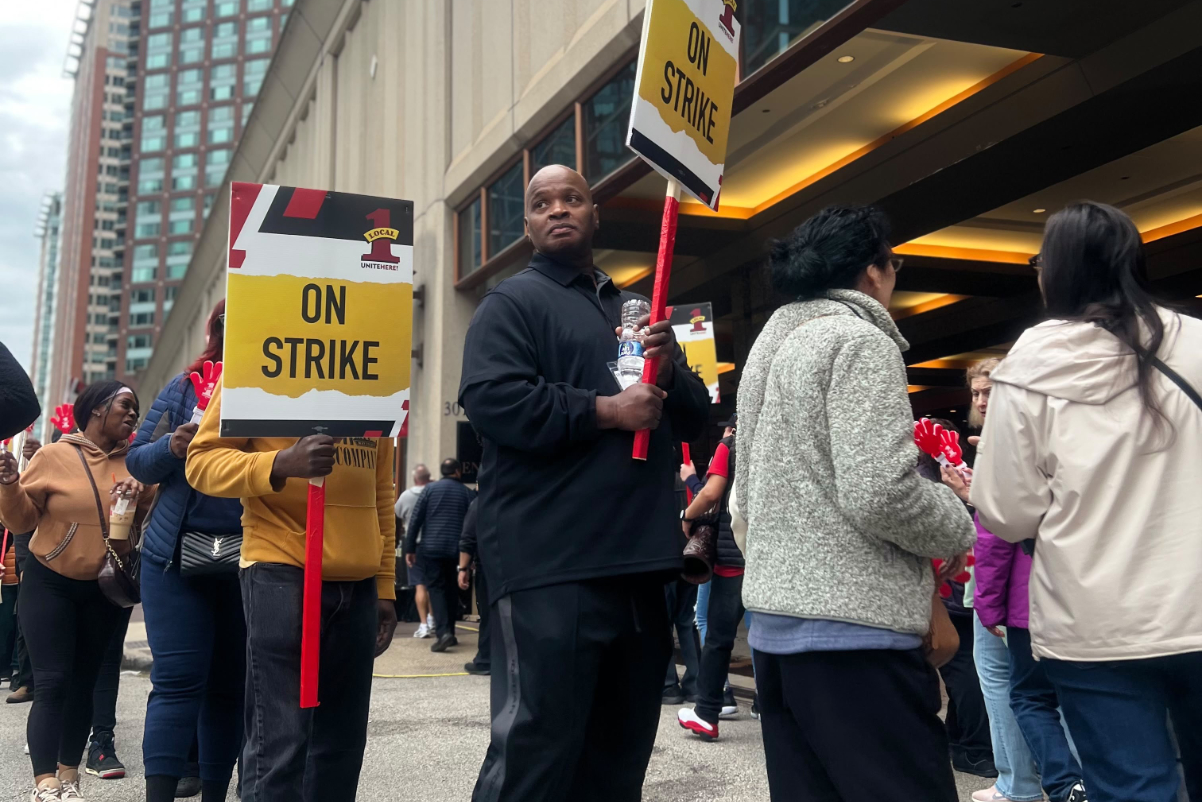
Hundreds of hospitality workers walked off the job at six prominent downtown Chicago hotels on Friday, October 9, 2026, launching a high-stakes industrial action just two days before the arrival of tens of thousands of visitors for the annual Chicago Marathon. The sudden walkout, organized by UNITE HERE Local 1, impacts major hospitality flagships operated by industry giants Marriott International and Hilton Worldwide, alongside independent and multi-branded properties. Union leadership has issued a stern warning that the current disruption may represent only the opening phase of a much larger labor conflict, threatening that workers at up to 40 additional hotels across the city could join the picket lines at any moment.
The localized strike marks a significant escalation in ongoing labor tensions within the nation’s third-largest hospitality market. Although more than 7,000 hotel workers across 46 properties overwhelmingly voted last month to authorize a general strike, Friday’s action was intentionally targeted. Contracts for employees at 44 of the impacted hotels officially expired on August 31, 2026, with two additional properties operating without active agreements. While the vast majority of unionized hospitality staff remain on the job for now, the union’s calculated decision to initiate rolling strikes during one of the city’s busiest tourism and athletic weekends has placed immense pressure on hotel operators and city officials alike.
Anatomy of the Strike: The Affected Properties and Operators
The initial wave of the strike heavily impacts the downtown Chicago and River North tourist corridors. The six hotels targeted in the initial walkout span three major brand portfolios and represent thousands of guest rooms critical to the city’s autumn tourism economy. The properties currently facing picket lines include:
- Sheraton Grand Chicago Riverwalk (Marriott-branded)
- The Westin Chicago River North (Marriott-branded)
- The Westin Michigan Avenue Chicago (Marriott-branded)
- Additional Hilton-branded and Millennium properties downtown
UNITE HERE Local 1 President Karen Kent addressed the scope of the current action and the potential for rapid escalation during interviews on Friday. When pressed on what specific thresholds or employer responses might trigger a broader, citywide walkout involving the remaining authorized properties, Kent declined to outline a rigid formula. Instead, she emphasized the fluid and aggressive nature of the union’s strategy moving forward.
"We’re going to have to do a lot more, whether it’s strikes or other actions," Kent told industry reporters, noting that employees at any of the remaining targeted hotels "could be on strike at any moment." The deliberate ambiguity of the union’s timeline is designed to keep hospitality management off-balance, complicating contingency planning as thousands of marathon runners, spectators, and corporate travelers flood the Windy City.
Chronology of the Labor Dispute: From Expiring Contracts to Autumn Showdown
The roots of the October 2026 strike stretch back through months of stalled negotiations and mounting economic grievances among Chicago’s hospitality workforce. A comprehensive timeline highlights the critical junctures that led to the current labor standoff:

- August 31, 2026: Collective bargaining agreements officially expired for workers at 44 major hotels across Chicago, with two additional properties also lacking active contracts. Negotiations between UNITE HERE Local 1 and major hotel ownership groups stalled over core economic demands.
- September 2026: UNITE HERE Local 1 hosted a massive strike authorization vote. Over 7,000 housekeeping staff, front desk agents, food and beverage workers, and maintenance personnel voted overwhelmingly to grant union leadership the power to call a strike at 46 properties.
- Early October 2026: With negotiations failing to yield mutually acceptable agreements regarding wage increases, healthcare security, and targeted staffing levels, union leadership finalized preparations for targeted industrial actions timed to coincide with peak autumn tourism events.
- October 9, 2026: Hundreds of hospitality workers walked out of six downtown hotels—including the Sheraton Grand Chicago Riverwalk, The Westin Chicago River North, and The Westin Michigan Avenue Chicago—setting up picket lines just 48 hours before the Chicago Marathon.
- October 11, 2026 (Upcoming): The Chicago Marathon draws an estimated 50,000 runners and hundreds of thousands of spectators, creating peak demand for downtown hotel rooms and amplifying the economic leverage of the striking workers.
Core Demands and Economic Pressures Facing Hospitality Workers
The labor dispute in Chicago mirrors broader nationwide trends within the American hospitality sector, where post-pandemic inflation, soaring corporate profits, and rising urban cost-of-living expenses have ignited tensions between labor unions and hotel conglomerates. UNITE HERE, which represents hundreds of thousands of hospitality workers across North America, has spearheaded aggressive contract campaigns in major tourism hubs including Honolulu, San Francisco, Boston, and Los Angeles over the last three years.
In Chicago, Local 1 negotiators have centered their demands around several key pillars:
- Fair Wage Increases: Workers are demanding substantial hourly wage increases to combat cumulative inflation that has severely eroded purchasing power since the previous multi-year contracts were ratified.
- Reversal of Pandemic-Era Cuts: Many hotels drastically reduced daily housekeeping services and trimmed permanent staffing levels during the COVID-19 pandemic, shifting heavier workloads onto remaining employees. The union is pushing for guaranteed staffing minimums and protections against excessive workloads.
- Healthcare and Pension Security: Maintaining robust, employer-funded healthcare benefits and securing stable pension contributions remain non-negotiable priorities for union members facing rising medical costs.
Hotel operators, conversely, have argued that properties are still navigating a complex financial recovery marked by fluctuating business travel demand, higher operational costs, and elevated interest rates. Industry representatives maintain that union demands could price hotels out of competitive corporate and convention markets, potentially threatening the long-term viability of Chicago’s vital convention and tourism ecosystem.
Broader Economic and Tourism Implications
The timing of the strike could not be more sensitive for Chicago’s tourism marketing agency, Choose Chicago, and local municipal leaders. The autumn season represents a critical financial window for the city, anchored by major conventions, academic calendar shifts, and premier athletic competitions.
The Chicago Marathon stands as the crown jewel of the city’s October calendar. Generating hundreds of millions of dollars in direct economic impact, the race attracts international travelers who rely heavily on downtown accommodations. Picket lines outside major properties like the Sheraton Grand Chicago Riverwalk and the Westin hotels create logistical hurdles for incoming guests, while raising concerns about service disruptions, noise, and overall guest satisfaction.
Furthermore, business travelers and meeting planners monitoring the situation may experience heightened anxiety regarding future bookings in Chicago. If UNITE HERE Local 1 follows through on its threat to expand the strike to up to 40 additional hotels, the cumulative impact could cripple significant segments of the city’s hospitality infrastructure, forcing corporate events to relocate and damaging Chicago’s reputation as a reliable convention destination.
Industry analysts note that prolonged strikes in major U.S. markets often force ownership groups back to the bargaining table with renewed urgency, though they can also result in deep-seated financial losses for both parties. As picket lines remain active along the Chicago River and Michigan Avenue, both hospitality executives and union organizers find themselves locked in a high-stakes game of economic chicken, with the outcome likely setting a precedent for upcoming labor negotiations across the broader Midwest hospitality market.




 Gabriela Annisa

 Lukman Taruna Persada Ramadan

 Anjar Salim

 Dwi Wanna
