
 Walid Sujud Trenggono
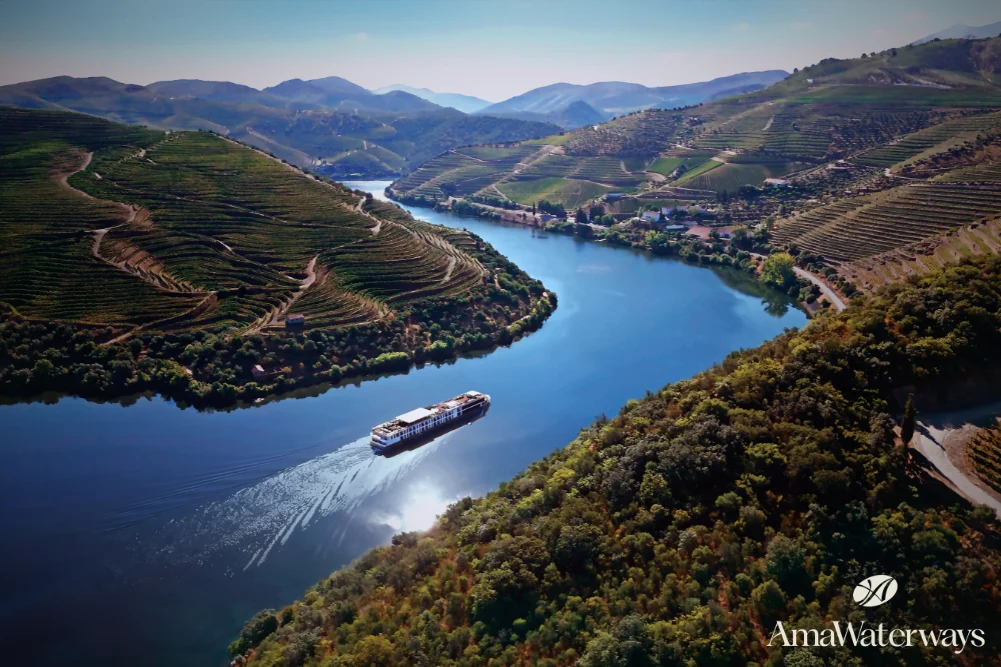
For nearly a quarter of a century, the global luxury travel sector has witnessed a profound shift in consumer preferences away from high-volume, mass-market ocean liners toward more intimate, immersive, and culturally grounded itineraries. At the forefront of this transformation is AmaWaterways, a river cruise line that has spent the last 25 years redefining the traditional parameters of inland water travel. By pioneering architectural innovations such as double-width hull designs, integrating active lifestyle amenities like full-sized pickleball courts and dedicated wellness programs, and dismantling the hidden-cost pricing structures common in the cruise industry, the company has established a new benchmark for contemporary, considered travel. As modern tourists increasingly prioritize personal enrichment, holistic well-being, and flexibility over rigid schedules, the river cruise model pioneered by operators like AmaWaterways offers a compelling lens through which to examine the broader future of international tourism.
Main Facts and Fleet Evolution
The operational footprint of AmaWaterways currently spans 34 award-winning vessels navigating some of the world’s most historically and ecologically significant waterways. Operating across Europe, Asia, Africa, and South America, the line’s fleet architecture ranges from classic, elegantly appointed riverboats to revolutionary wide-body vessels. Among the most notable of these is the AmaMagna, a ship operating on the Danube that is twice the width of traditional European river cruisers, affording passengers significantly more public space, multiple dining venues, and enhanced stateroom configurations. Looking forward, the company continues to scale its operational capacity, with the anticipated launch of the AmaRudi slated for 2027. This upcoming vessel will incorporate six distinct dining venues, expanded wellness facilities, and a full-sized pickleball court, signaling the line’s ongoing commitment to pairing luxury accommodations with active, resort-style amenities.
Geographically, the portfolio covers iconic European arteries such as the Rhine, Danube, and Douro, alongside exotic and emerging destinations including the Mekong River in Southeast Asia, the Chobe River in Africa, and pioneering routes along Colombia’s Magdalena River, where AmaWaterways holds the distinction of being the first major international river cruise line to operate. This expansive deployment reflects a broader industry trend toward destination-immersion, moving beyond traditional European hubs to tap into ecologically diverse and culturally rich corridors that were historically inaccessible to large-scale passenger vessels.
Chronology and Historical Context
The trajectory of AmaWaterways mirrors the maturation of the modern river cruise industry. Founded in 2002 by river cruise pioneer Rudi Schreiner, Kristin Karst, and Jimmy Murphy, the enterprise emerged during a period when river cruising was largely viewed as a niche, static form of travel geared primarily toward an older demographic seeking passive sightseeing.
During the mid-2000s, the company recognized an emerging demographic shift: travelers were seeking greater physical activity, culinary authenticity, and intellectual engagement while on vacation. In response, AmaWaterways began integrating fleet-wide bicycle programs, establishing a precedent that would eventually become an industry standard. Over the subsequent decade, the line expanded its European itineraries, gradually introducing specialized themed cruises focusing on wine regions, art history, and active cycling.
In 2019, the debut of the wide-body AmaMagna marked a major engineering milestone, proving that river locks could accommodate broader vessels designed to maximize personal space rather than passenger volume. Throughout the early 2020s, despite global disruptions in international tourism, the company accelerated its diversification strategy, announcing expansions into non-European markets. The upcoming launch of the AmaRudi in 2027 represents the next logical phase in this twenty-five-year chronology, cementing the transition of river cruising from a secondary travel sector into a primary driver of luxury adventure tourism.
Supporting Data and Operational Structure
A critical factor distinguishing contemporary luxury river cruising from traditional ocean-going travel is the economic and operational model governing passenger experience. Industry data consistently indicates that modern travelers experience decision fatigue when confronted with extensive upsell menus and hidden excursion fees. Addressing this, AmaWaterways operates on an inclusive framework where virtually all shore excursions, specialized dining options, and recreational activities are built into the baseline fare.
On typical European itineraries, passengers are presented with up to six daily excursion choices. These range in physical intensity and thematic focus, including guided walking tours through medieval city centers, challenging vineyard hikes, culinary workshops exploring hyper-local gastronomy, and guided bicycle tours along designated riverfront paths. This decentralized activity structure accommodates diverse travel groups, such as multi-generational families or couples with disparate interests, allowing them to pursue independent daily schedules before reconvening in the evening.
Culinary operations represent another heavily resourced operational pillar. Onboard dining typically encompasses up to four distinct venues, anchored by locally sourced ingredients that reflect the specific agricultural profile of the region through which the vessel is passing. Complementing this is an extensive beverage program featuring over 32 curated premium wines poured complimentary during lunch and dinner, alongside specialized multi-course degustation offerings like The Chef’s Table, which pairs regional gastronomy with local viticulture.
The Integration of Wellness as a Core Offering
Historically, cruise ship fitness facilities were limited to rudimentary gym spaces tucked away on lower decks. In contrast, modern luxury travel demand has necessitated the elevation of wellness to a central, programmatic element of the journey. AmaWaterways has systematically integrated wellness directors into its vessel staff. These certified wellness hosts lead daily sunrise yoga sessions on the Sun Deck, structured fitness classes, guided stretching routines designed to counteract the physical toll of long-distance air travel, and low-impact conditioning classes.
From a physiological perspective, this emphasis on accessible daily movement correlates directly with improved travel recovery and sleep hygiene. Travel analysts note that the rhythm of river cruising—characterized by smooth navigation, minimal motion sickness compared to ocean liners, and close proximity to land—facilitates a rapid downregulation of the human nervous system. When combined with nutritionally dense meals sourced from local agricultural producers within immediate geographic proximity, the overall travel experience transitions from a physically draining itinerary to a restorative retreat.
Industry Analysis and Broader Implications
The operational model advanced by AmaWaterways offers significant insights into the broader evolution of the global tourism economy. As urbanization intensifies and daily routines become increasingly digitalized, consumer demand has pivoted toward travel experiences that foster genuine human connection and tactile engagement with the physical environment.
Industry analysts point out that rivers have historically served as the original arteries of human commerce, culture, and communication. By navigating these ancient waterways, modern travelers bypass modern highway networks, experiencing landscapes and communities in the exact geographic sequence intended by their original settlers. This historical continuity enhances the psychological resonance of the journey, contributing to the high rate of repeat clientele and strong word-of-mouth marketing characteristic of the river cruise sector.
Furthermore, the emphasis on personalized service—exemplified by crew members trained to recognize individual passenger preferences and foster an intimate onboard community—contrasts sharply with the impersonal scale of mega-ships. This high crew-to-guest ratio ensures that social bonds form organically among travelers, transforming the vessel into a floating community rather than a transient hotel.
Official Responses and Future Outlook
While specific financial disclosures for privately held cruise lines remain confidential, executive leadership consistently emphasizes strategic growth aligned with sustainable tourism principles. Commenting on the ongoing expansion of the fleet and the introduction of pioneering routes in South America and Africa, corporate leadership notes that modern luxury travelers are no longer satisfied with passive observation; they demand active participation, ecological sensitivity, and deep cultural immersion.
As the industry looks toward the remainder of the decade, the integration of advanced environmental technologies, expanded wellness infrastructure, and culturally sensitive itinerary design will likely remain paramount. For travelers seeking an alternative to conventional mass tourism, the evolution of contemporary river cruising demonstrates that the most rewarding journeys are often found not by accelerating across oceans, but by slowing down to follow the natural contour of the land.


 Diana Nuri Rohmawati

 Gabriela Annisa

 Lukman Taruna Persada Ramadan

 Tatiana Tantri Indah Sari

 Anjar Salim

