
 Dwi Wanna

For nearly two decades, the travel insurance industry remained largely static, characterized by cumbersome paper-based filing systems, opaque policy language, and protracted settlement timelines. Traditionally, travelers purchased coverage as a precautionary measure, often viewing the acquisition of a policy as a "set it and forget it" transaction. However, the post-pandemic travel landscape, marked by increased flight volatility, heightened health awareness, and a consumer demand for real-time digital solutions, has forced a pivot toward "insurtech" models. A primary example of this shift is the emergence of digital-first providers like Faye Travel Insurance, which launched in the United States in 2022. By integrating artificial intelligence, mobile-native interfaces, and instantaneous payment systems, these new market entrants are challenging legacy carriers that have dominated the sector for over twenty years.
The historical challenges of travel insurance were primarily structural. Under the legacy model, a policyholder experiencing a trip interruption or medical emergency was expected to retain physical copies of receipts, navigate complex claim forms upon returning home, and wait weeks—or in some instances, months—for reimbursement. This process often exacerbated the stress of the initial event. Data from the U.S. Travel Insurance Association (USTIA) indicates that while travel insurance adoption rates have grown by nearly 30% since 2019, customer satisfaction levels have historically lagged due to the friction inherent in the claims process.
The Shift Toward Proactive Risk Mitigation
The contemporary approach to travel insurance, exemplified by the Faye model, represents a transition from reactive financial protection to proactive risk management. Instead of functioning solely as a post-incident recovery tool, modern digital platforms are designed to actively assist travelers during the trip itself. This encompasses a holistic protection suite that covers medical expenses, flight disruptions, baggage issues, and pet care.
The integration of 24/7 human support accessible through an application interface, coupled with real-time flight tracking and digital wallet technology, signals a shift in the value proposition of insurance. Rather than providing coverage that remains dormant until a disaster occurs, providers are now embedding utility into the service. For instance, the provision of telemedicine services—granting travelers remote access to a network of 20,000 medical professionals across 21 languages—addresses a significant gap in global health access. This development is particularly relevant in non-English speaking regions where travelers may face language barriers or uncertainty regarding local healthcare quality.
Technological Advancements in Claims Processing
A critical pain point in the travel insurance industry has long been the lag between filing a claim and receiving reimbursement. The industry standard has historically relied on manual verification, which contributes to the perception of insurance as a "paperwork marathon." New digital-first platforms have addressed this by automating the verification of specific claim types.

By utilizing machine learning to cross-reference data from flight databases and digital documentation uploaded directly via mobile devices, these firms can trigger payouts in near real-time. The "Faye Wallet" concept is a practical application of this technology, allowing for immediate reimbursement for verified disruptions, such as baggage delays or flight cancellations, which can then be deployed through Apple Pay or Google Pay. This minimizes the financial impact on the traveler, who would otherwise be forced to draw from personal funds while waiting for traditional bank transfers or paper checks.
Market Context and Industry Benchmarking
To understand the impact of these changes, one must look at the broader competitive landscape. Established entities such as Allianz and World Nomads have long provided the bedrock of the industry. However, the entry of newer firms, such as Faye, has introduced a competitive pressure that emphasizes speed and user experience.
From a regulatory standpoint, these companies operate within the same strict frameworks as their legacy counterparts, adhering to state-by-state compliance in the U.S. This ensures that despite the "digital-first" branding, the core financial protection remains backed by standard underwriting processes. The pricing models for these services are generally determined by a complex interplay of variables, including trip duration, total cost, destination risk profiles, and the traveler’s age. Current market analysis suggests that, despite the added technological convenience, these policies remain price-competitive, with base rates for international coverage starting as low as $5.16 per day depending on the specific risk parameters.
Addressing the Coverage Gap
One of the significant innovations in recent policy offerings is the flexibility of optional add-ons, most notably "Cancel For Any Reason" (CFAR) coverage. Historically, CFAR was bundled into high-tier, expensive plans. The current trend toward modular, "a-la-carte" insurance allows consumers to tailor their coverage to their specific itinerary. This is particularly valuable for travelers who are wary of the unpredictability of post-COVID travel, where flight cancellations and local quarantine regulations remain a potential, albeit diminished, threat.
Furthermore, the expansion of coverage to include pets acknowledges the rising trend of "pet-friendly" tourism. As pet ownership rates surged during the early 2020s, the demand for insurance that covers veterinary care while abroad has created a new niche within the market. By incorporating these features into a single, comprehensive plan, companies are simplifying the decision-making process for consumers who previously struggled to parse complex coverage tables and policy exclusions.
Broader Implications for Global Travel
The digital transformation of travel insurance has broader implications for the travel industry at large. As travelers become accustomed to the "one-click" convenience of digital services, the tolerance for bureaucratic delays in other sectors—such as airline customer service or international visa processing—is decreasing.

The ability to store essential documentation, such as vaccination records, visa documents, and insurance identification in a secure, encrypted mobile "safekeeping" folder, serves as a vital safeguard against the common, yet devastating, loss of physical travel documents. Additionally, the inclusion of value-added services like airport lounge access for delayed flights acts as a form of non-monetary restitution, improving the overall traveler experience during moments of frustration.
Future Outlook and Conclusion
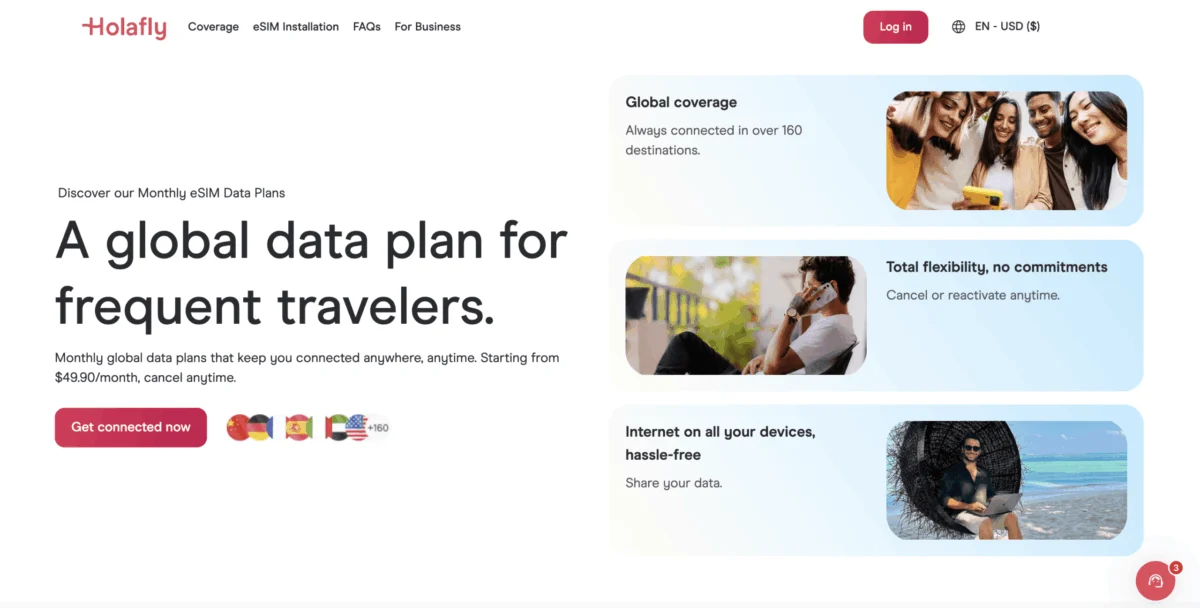
The integration of eSIM technology into insurance platforms further illustrates the "all-in-one" utility trend. By allowing travelers to purchase connectivity directly through an insurance application, providers are positioning themselves as comprehensive travel companions rather than just financial underwriters. This is a strategic move to maintain customer engagement throughout the duration of the trip, rather than only at the beginning and end of the insurance lifecycle.
As the industry continues to evolve, the distinction between "insurance" and "travel support" will likely continue to blur. Future iterations of these services may include predictive analytics, where AI-driven models suggest alternative routes or services based on impending weather patterns or local strike actions before they even affect the traveler.
Ultimately, the shift toward digital-native, responsive insurance platforms is a necessary maturation of the sector. By removing the administrative friction that defined the industry for decades, these new providers are not just changing how insurance is purchased; they are changing how risk is managed in a globalized, mobile, and increasingly volatile travel environment. For the modern traveler, the combination of comprehensive financial protection and immediate digital utility provides a level of security that was previously inaccessible, representing a significant upgrade in the infrastructure of global tourism.



 Gabriela Annisa

 Lukman Taruna Persada Ramadan

 Tatiana Tantri Indah Sari

 Anjar Salim

