
 Tatiana Tantri Indah Sari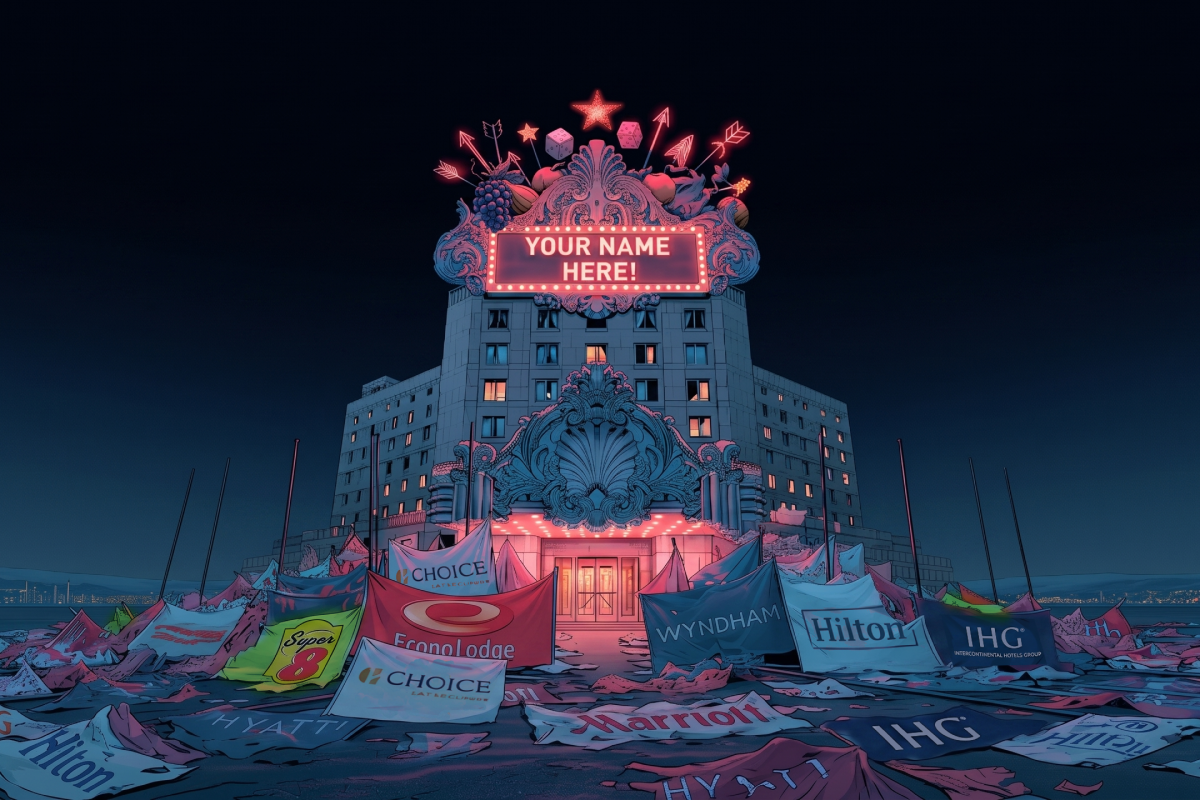
The most consequential business decision Pritesh Patel made in 2024 was also among the simplest: He read his family’s franchise agreement. This seemingly straightforward act underscores a significant shift occurring across the hospitality sector as a generation of long-term franchise contracts approach their expiration dates, prompting hotel owners to critically re-evaluate the true value proposition offered by major brands. As the industry grapples with evolving technological landscapes, shifting consumer preferences, and increasing operational costs, the traditional dynamics between franchisors and franchisees are being fundamentally questioned.
The Genesis of a Reassessment: The Patel Family Case
For nearly two decades, the Patel family had operated a Super 8 motel in Chariton, Iowa, a town with a population of approximately 4,000 residents. Their journey with the Wyndham Hotels & Resorts brand began in 2005 when Pritesh’s parents signed a 20-year franchise agreement. Under the terms of this extensive contract, the family committed to paying a series of fees that are standard across the industry: a royalty fee for the use of the brand name, a marketing assessment to fund national and global advertising campaigns, and technology charges for access to the brand’s proprietary reservation systems and other digital infrastructure. Pritesh Patel estimates that these cumulative charges amounted to roughly 10% of their gross revenue, effectively taken "off the top" before other operating expenses. In return for this substantial financial commitment, they gained the right to prominently display the Super 8 flag above their property, ostensibly benefiting from the brand’s recognition and distribution network.
However, as the 20-year term neared its end, the younger Patel, leveraging his analytical acumen honed during a prior consulting stint at PwC, undertook a meticulous review of the family’s financial records. His objective was clear: to quantify the tangible benefits derived from the significant outlays to Wyndham. His findings led him to a stark conclusion: the perceived value delivered by the brand no longer justified the escalating costs. Patel observed that the Super 8 brand, while once a prominent name in the economy lodging segment, seemed to have diminished in "cachet" over the years, struggling to resonate with contemporary travelers in the same way it once did. Furthermore, he believed that the proprietary reservation system, historically a cornerstone of the brand’s value, could now be replicated or even surpassed by readily available, off-the-shelf property management software and booking engines, often at a fraction of the cost. Even the territorial protection clause, a common feature designed to prevent direct competition from other brand-affiliated properties within a defined radius, appeared less robust or relevant in a market saturated with online travel agencies (OTAs) and direct booking channels.
The Historical Context of Hotel Franchising: A House Built on Brands
The hotel franchising model, as it is known today, truly took root in the mid-20th century. Pioneers like Kemmons Wilson of Holiday Inn and Wallace Johnson of Choice Hotels recognized the immense potential in standardizing hotel experiences and leveraging brand recognition to attract travelers across a burgeoning interstate highway system. This model offered a symbiotic relationship: franchisors could rapidly expand their footprint without owning vast amounts of real estate, while franchisees gained access to established brand names, national marketing campaigns, centralized reservation systems, operational blueprints, and economies of scale in purchasing. For decades, this model proved immensely successful, fostering an era of rapid growth for major chains and providing a relatively predictable business environment for independent owners seeking to mitigate risk through brand affiliation.
Franchise agreements, typically spanning 10, 15, or even 20 years, became the bedrock of this system. These contracts are meticulously drafted, often favoring the franchisor – or "the house," as the Skift Take aptly puts it – by outlining stringent brand standards, detailed reporting requirements, and comprehensive fee structures. Owners often viewed these fees as a necessary investment for access to a global distribution system, a robust loyalty program, and the assurance of a steady stream of guests. The widespread adoption of this model cemented the dominance of a few major players like Marriott, Hilton, IHG, Wyndham, and Choice Hotels, whose logos became ubiquitous symbols of reliable lodging worldwide.
Deconstructing the Economics of Affiliation: The Burden of Fees
The 10% of revenue figure cited by Pritesh Patel for his Super 8 property is broadly consistent with industry averages for franchise fees. These fees are typically broken down as follows:
- Royalty Fees: These are the most significant component, usually ranging from 4% to 8% of gross room revenue. This is the direct payment for using the brand name, logo, and intellectual property.
- Marketing and Advertising Fees: Often 1% to 4% of gross room revenue, these contributions fund national and international marketing campaigns, brand awareness initiatives, and loyalty program promotions. While owners benefit from these efforts, they often have little direct control over how these funds are allocated.
- Technology Fees: Typically 1% to 2% of gross room revenue, these cover the costs associated with the brand’s central reservation system (CRS), property management system (PMS) interfaces, website development, and other digital tools.
- Miscellaneous Fees: Additional charges can include quality assurance inspections, training programs, reservation delivery fees, and fees for specific brand initiatives or upgrades.
For a hotel generating $1 million in annual revenue, these fees could easily amount to $100,000 or more annually. Over a 20-year contract, this represents a substantial financial commitment, often totaling millions of dollars, prompting owners like Patel to scrutinize the return on investment.
The Digital Disruption: Eroding Traditional Brand Advantages
The advent of the internet and the subsequent proliferation of online travel agencies (OTAs) like Expedia, Booking.com, and Hotels.com fundamentally altered the distribution landscape. While brands initially leveraged their own websites, OTAs quickly became dominant booking channels, commanding commissions that can range from 15% to 30% per booking. This created a dual burden for franchisees: they continued to pay franchise fees for brand distribution, but also paid significant commissions to OTAs for bookings that might have otherwise come through the brand’s channels.
Moreover, the technological advantages once exclusive to major brands have become increasingly democratized. Cloud-based property management systems (PMS), sophisticated revenue management systems (RMS), global distribution systems (GDS) connectivity, and powerful direct booking engines are now readily available from third-party vendors, often with flexible subscription models. These independent solutions can provide a level of operational efficiency and market reach that was once the exclusive domain of large corporate systems. This technological parity directly challenges the value proposition of a brand’s "proprietary" reservation system, as noted by Pritesh Patel.
A Growing Chorus of Dissent: The Owner’s Perspective
Pritesh Patel’s sentiment is not isolated. Across the United States, and particularly within associations like the Asian American Hotel Owners Association (AAHOA), which represents nearly 20,000 hoteliers owning almost 60% of hotels in the U.S., there is a growing chorus of concern regarding the perceived imbalance in franchise agreements. Many owners feel that while their costs (labor, utilities, maintenance, property taxes) continue to rise, the value provided by franchisors has not kept pace.
"Owners are feeling the squeeze from all sides," stated a representative from AAHOA, speaking on condition of anonymity to discuss sensitive brand relations. "Franchise fees have generally trended upwards, while the efficacy of loyalty programs in driving direct bookings has been diluted by OTAs. The promise of brand protection and robust marketing often feels less impactful when you’re still paying 20% to Expedia for a room night. Owners are becoming more sophisticated and are asking tough questions: what exactly am I paying for, and is there a more efficient way to operate?"
The focus on profitability is paramount for hotel owners, many of whom are small business operators. The increasing complexity of brand standards, often requiring significant capital expenditures for property renovations and technology upgrades, further strains their finances, leading to a critical re-evaluation of the long-term commitment to a brand.
The Franchisor’s Defense: The Enduring Value Proposition
Major hotel franchisors, including Wyndham Hotels & Resorts, staunchly defend their business model and the value they provide. They argue that the fees collected are essential for maintaining a global infrastructure that benefits all franchisees. This infrastructure includes:
- Global Brand Recognition and Marketing: The sheer scale of marketing campaigns, often involving multi-million-dollar budgets, is something individual hotels cannot replicate. This ensures brand awareness and preference on a national and international scale.
- Centralized Reservation Systems (CRS) and Distribution: Brands offer a sophisticated CRS that connects properties to a vast network of travel agents, corporate clients, and online channels, including the brand’s own website and mobile apps, which are often the most cost-effective booking channels after direct bookings.
- Loyalty Programs: Programs like Marriott Bonvoy, Hilton Honors, and Wyndham Rewards boast tens or even hundreds of millions of members, driving repeat business and fostering guest loyalty that is invaluable to franchisees.
- Operational Support and Training: Franchisors provide extensive operational manuals, training programs, quality assurance inspections, and access to preferred vendor pricing, which can lead to significant cost savings and operational efficiencies.
- Brand Standards and Consistency: These standards ensure a consistent guest experience, which builds trust and reinforces brand loyalty, ultimately benefiting all properties under the flag.
- Innovation and Technology Investment: Brands continually invest in new technologies, from mobile check-in to AI-driven revenue management tools, ensuring their franchisees remain competitive in a rapidly evolving digital landscape.
While no direct statement from Wyndham on the Patel family’s specific situation is publicly available, a general industry spokesperson for a major brand might articulate, "Our brand partners benefit from a powerful ecosystem designed to maximize their profitability and guest satisfaction. We constantly evolve our offerings to meet market demands, investing heavily in technology, marketing, and our loyalty programs to ensure our franchisees have a competitive edge."
The Independent Path: Opportunities and Challenges
For owners like Pritesh Patel, deciding to "go alone" presents both exciting opportunities and formidable challenges. The primary appeal lies in regaining full control over operations, marketing, and financial resources. An independent hotel can:
- Tailor its Brand and Experience: Create a unique identity that resonates deeply with its local market or target niche, free from corporate mandates.
- Optimize Costs: Reallocate funds previously spent on franchise fees to local marketing, property improvements, or enhanced guest amenities.
- Direct Control Over Technology: Select and integrate best-in-class independent software solutions (PMS, channel manager, booking engine, RMS) that best fit their specific needs and budget.
- Direct Guest Relationships: Focus entirely on building direct relationships with guests, fostering loyalty through personalized service rather than a points-based system.
- Flexibility in Pricing and Revenue Management: Adapt pricing strategies quickly without needing brand approval or conforming to broader brand policies.
However, the independent path is fraught with difficulties. The lack of a global brand identity means significant investment in local marketing and search engine optimization (SEO) to gain visibility. Competing with the marketing muscle and loyalty programs of major chains requires creativity and a deep understanding of digital marketing. Independent hotels must also forge their own distribution networks, often relying heavily on OTAs and incurring substantial commission costs, which ironically mirrors one of the pain points of branded hotels. Building trust and ensuring consistent quality without the backing of a well-known brand can also be an uphill battle, especially for properties in less tourist-heavy locations like Chariton, Iowa.
A Broader Industry Trend? Implications for the Future of Hospitality
Pritesh Patel’s decision to walk away from his Super 8 franchise agreement is likely not an isolated incident but rather an early indicator of a potentially larger trend. As a significant wave of 20-year contracts signed in the early 2000s approaches expiration, more owners, particularly those with strong business acumen and a willingness to embrace technology, are expected to critically evaluate their affiliations.
This trend could lead to several significant implications for the hospitality industry:
- Increased Pressure on Franchisors: Major brands will face intensified pressure to demonstrate tangible value for their fees. This could lead to more flexible franchise agreements, tiered fee structures, or a greater emphasis on performance-based incentives for franchisees. Innovation in technology and more aggressive direct booking strategies will become crucial for brands to justify their existence.
- Growth of Independent and "Soft Brand" Hotels: The number of truly independent hotels might increase, particularly in the mid-market and economy segments where brand differentiation has become less pronounced. Additionally, "soft brands" (collections of independent hotels that leverage a brand’s loyalty program and distribution while maintaining their unique identity) could see further growth as a middle-ground solution.
- Rise of Boutique and Niche Concepts: Owners with a clear vision for a unique guest experience might find it more appealing to operate independently, focusing on niche markets, local culture, or specific design aesthetics.
- Technological Empowerment: The continued advancement and accessibility of hospitality technology will further empower independent operators, leveling the playing field in areas like revenue management, distribution, and guest communication.
- Shifting Power Dynamics: The relationship between franchisors and franchisees, historically skewed in favor of the brands, may see a rebalancing. Owner groups like AAHOA could gain more leverage in advocating for fairer contract terms and greater transparency.
The case of the Patel family in Chariton, Iowa, serves as a microcosm of a larger industry-wide reckoning. As hotel contracts expire and owners gain greater access to information and technology, the fundamental question of "what’s in a brand?" is being asked with renewed urgency. The answer will undoubtedly shape the future landscape of hotel ownership and operations for decades to come, demanding adaptability and innovation from both franchisors and independent hoteliers alike.


 Chandra Hamzah
 Budi Mulyono
 Anjar Salim
