
 Anjar Salim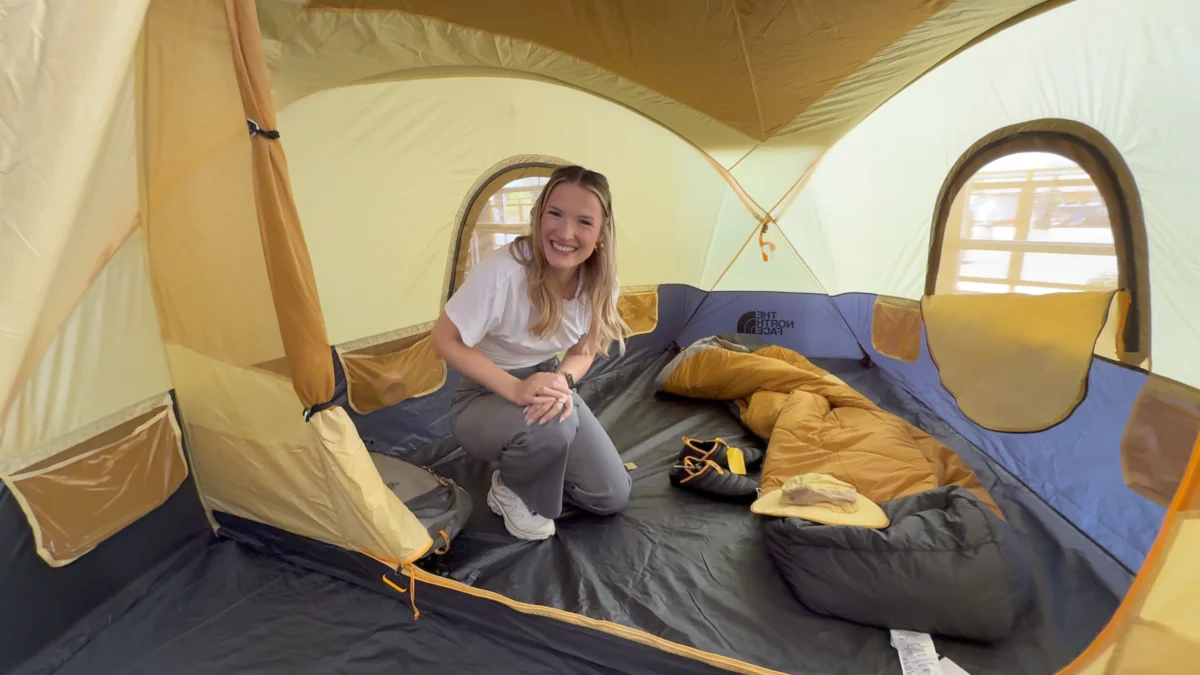
The outdoor industry is currently undergoing one of its most significant structural transformations in decades, moving away from a legacy of specialized, often exclusionary equipment toward a philosophy known as universal design. For generations, the burden of adaptation has rested solely on the consumer; hikers, climbers, and campers were expected to master complex tent configurations, struggle with recalcitrant zippers in freezing temperatures, and force their bodies into rigid harnesses and footwear. However, a new wave of adaptive-inspired design is systematically removing these barriers, proving that gear engineered for accessibility is, quite simply, better gear for the entire population.
This shift reached a critical milestone in April 2026 with the launch of The North Face’s Universal Collection. The collection, which debuted following a high-profile preview in Denver, represents a departure from the "adaptive gear" niche. Instead, it positions accessibility as a core engineering requirement rather than an afterthought. By prioritizing intuitive interfaces, magnetic closures, and simplified mechanics, the industry is beginning to acknowledge a fundamental truth: reducing friction for users with disabilities improves the experience for everyone, from the seasoned mountaineer to the casual weekend traveler.
The North Face Universal Collection: A Technical Breakdown
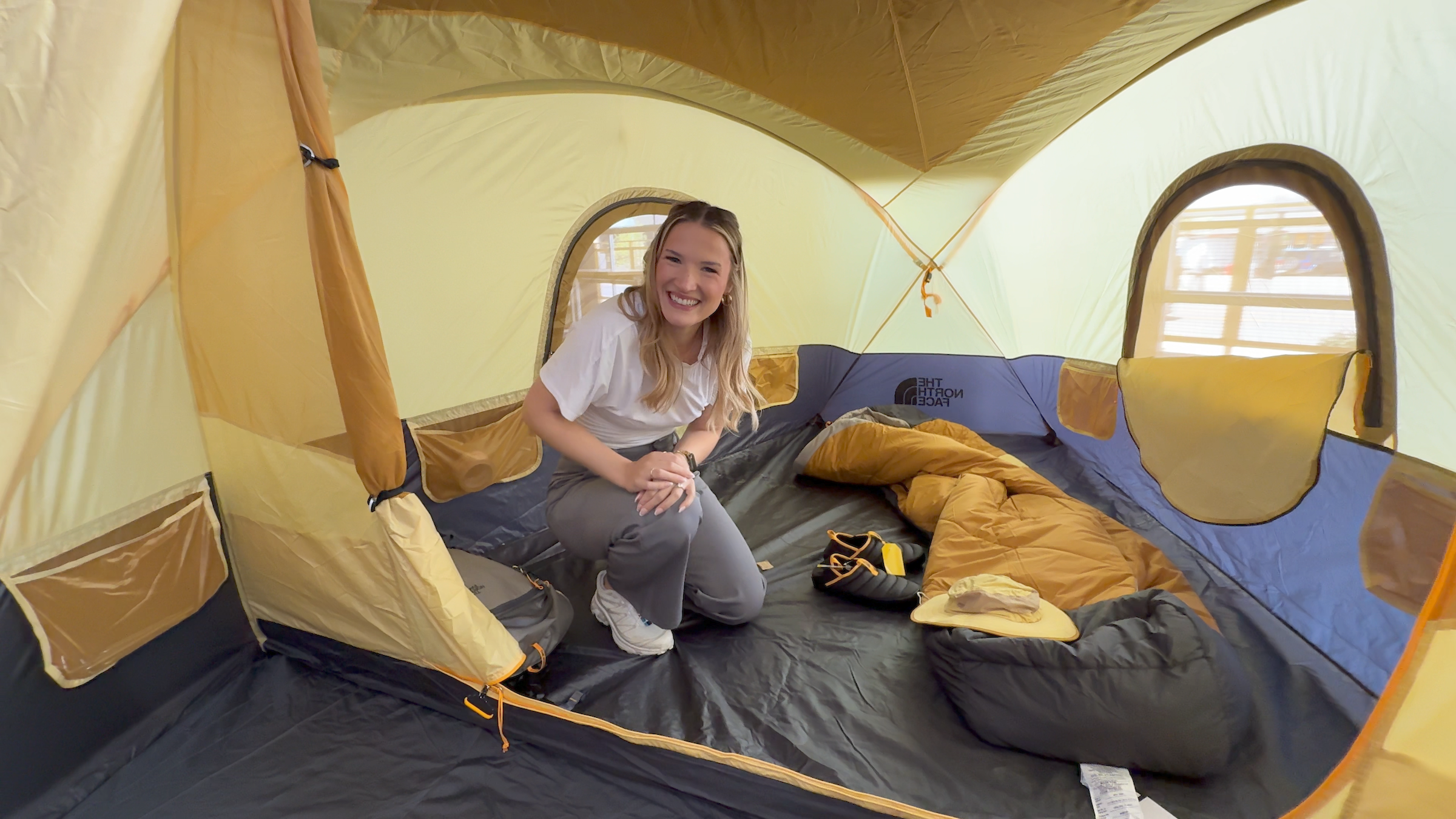
On April 14, 2026, The North Face officially released its Universal Collection, a suite of products that includes a daypack, a sleeping bag, a three-person tent, camp mules, and a brimmed hat. Each item was redesigned from the ground up to minimize the physical and cognitive load required for operation.
The Universal 20 Daypack serves as a primary example of this new engineering standard. It utilizes a magnetic FIDLOCK® top closure, allowing for seamless one-handed access—a feature essential for wheelchair users or individuals with limited dexterity, but equally beneficial for a parent carrying a child or a hiker holding trekking poles. The pack also features oversized grab handles and an adaptive carry system designed to accommodate various body types and mobility devices.
Similarly, the Universal One Bag reimagines the traditional sleeping bag. By replacing standard zippers—which are prone to snagging and difficult to operate in the dark or with gloves—with magnetic closures and an insulated winged design, the brand has simplified entry and exit. For athletes who use sign language, the design offers the added benefit of keeping hands free for communication before retreating into the warmth of the bag.
The Universal Wawona 3 Tent addresses the "setup fatigue" that often plagues campers. The design utilizes three equal-length poles, eliminating the confusion of color-coding or mismatched segments. Highly visible sleeves and easy-catch pole mounts facilitate a faster setup in low-light conditions, while a larger entryway with a lowered threshold ensures that the tent is accessible to those using mobility devices. Perhaps the most radical departure in the collection is the Universal Basecamp Mule, a piece of footwear designed without a distinct left or right foot, allowing users to slip them on instantly without visual or tactile confirmation.
The Denver Preview: A Blueprint for Inclusive Events
The philosophy of the Universal Collection was mirrored in its introduction to the public. During a preview event held in Denver on April 8, 2026, The North Face demonstrated that universal design extends beyond physical products to the environments in which they are presented.
The event set a new benchmark for industry gatherings. Invitations explicitly detailed the availability of American Sign Language (ASL) interpreters and ADA-accessible accommodations. During the presentations, interpreters were positioned alongside designers and professional athletes, ensuring that the technical specifications and design narratives were accessible to all attendees simultaneously. This integrated approach signaled that accessibility was not a secondary "add-on" feature, but a foundational element of the brand’s identity moving forward.
A Chronology of Adaptive Innovation in the Outdoor Sector
The current trend toward universal design is the result of a decade-long evolution in the footwear and apparel industries. While The North Face’s 2026 launch is a significant leap forward, it builds upon a foundation laid by other major players.
In 2015, Nike introduced the FlyEase technology, which was initially inspired by a teenager with cerebral palsy who requested a shoe he could put on independently. What began as a specialized solution for adaptive athletes eventually transitioned into the mainstream "Go FlyEase" hands-free shoe. Nike’s success proved that consumers across all demographics valued the convenience of easy-entry footwear.
By March 2026, Adidas followed suit with the launch of the Supernova Rise 3 Adaptive. Developed in collaboration with Chris Nikic—the first person with Down syndrome to complete an Ironman triathlon—the shoe incorporated tactile touchpoints, magnetic closures, and a step-in heel. Like the Nike FlyEase, the Supernova Rise 3 was marketed not just to adaptive athletes, but to any runner seeking to reduce the friction of their daily routine.
In the technical climbing world, brands like Petzl have also moved toward more intuitive designs. Modern harnesses now feature adjustable fit systems and "double-back" buckles that are easier to inspect and operate, reducing the risk of human error during high-stakes maneuvers.
Statistical Context: The Economic and Social Drivers
The move toward universal design is driven by both social responsibility and clear economic data. According to the World Health Organization, approximately 16% of the global population lives with a significant disability. In the United States, the Centers for Disease Control and Prevention (CDC) estimates that one in four adults has some form of disability.
Furthermore, the "Purple Pound"—a term used to describe the spending power of disabled people and their families—is estimated to be worth hundreds of billions of dollars globally. In the outdoor sector, which saw a massive surge in participation following the 2020 pandemic, brands are recognizing that excluding 15% to 25% of the potential market is no longer a viable business strategy.
Data from the Outdoor Industry Association (OIA) suggests that "ease of use" is consistently cited as a top-three factor for new participants when purchasing gear. By simplifying technical equipment, brands are lowering the barrier to entry for a more diverse range of participants, including the aging "Baby Boomer" demographic, who may face mobility or dexterity challenges but wish to remain active in the outdoors.
The "Curb-Cut Effect" and Industry Implications
The phenomenon currently being observed in the outdoor industry is a classic example of the "Curb-Cut Effect." Originally a term used in urban planning, it refers to the fact that features designed for people with disabilities—such as the ramps cut into sidewalks for wheelchairs—end up benefiting a much larger group, including people with strollers, travelers with rolling luggage, and delivery workers.
In the context of outdoor gear, a tent that is easy for a person with a visual impairment to set up is also easier for a tired hiker arriving at a campsite after sunset. A sleeping bag with magnetic closures is a luxury for a person with arthritis, but it is also a significant convenience for a mountaineer whose fingers are numbed by the cold.
Vasu Sojitra, a professional mountain athlete and adaptive skier who collaborated on the Universal Collection, emphasized this during the April launch. "This isn’t just a product launch," Sojitra stated. "It’s a call to action for the entire industry to rethink how they design for all users. By setting a new standard for accessibility, we are making the outdoors more welcoming for everyone."
Fact-Based Analysis of Future Implications
The transition toward universal design is expected to have long-term effects on manufacturing, retail, and environmental sustainability.
- Manufacturing Efficiency: As brands move toward "no-left, no-right" footwear or symmetrical tent poles, manufacturing processes can be streamlined. Reducing the number of unique parts (SKUs) in a product line can lead to lower production costs and less material waste.
- Retail Training: Retailers will need to adapt their sales strategies. Instead of pointing customers toward a small "adaptive" section, sales associates will be trained to highlight the universal benefits of intuitive gear to all customers. This normalization helps remove the stigma often associated with adaptive equipment.
- Safety Standards: Intuitive design directly correlates with safety. In high-risk environments like alpine climbing or backcountry skiing, gear that is easier to operate correctly reduces the likelihood of "user error," which remains a leading cause of outdoor accidents.
As the industry moves through 2026, the success of The North Face’s Universal Collection and Adidas’s adaptive footwear suggests that the era of "struggling with your gear" is coming to a close. The new standard for excellence in the outdoor market is no longer defined by how much a user can endure, but by how well the gear accommodates the reality of human variety. Universal design is proving that when you design for the margins, you effectively design better for the center.




 Chandra Hamzah
 Tatiana Tantri Indah Sari
 Budi Mulyono
 Lukman Taruna Persada Ramadan