
 Anjar Salim
The Red Wolf, a species found nowhere else on Earth but the southeastern United States, currently serves as a stark symbol for the precarious state of American conservation. Once declared extinct in the wild in 1980, the species saw a miraculous but fragile resurgence through the late 20th century, facilitated by the robust protections of the Endangered Species Act (ESA) and a pioneering reintroduction program. However, as of June 2026, the story of the Red Wolf has reached a critical juncture. With only an estimated 26 adult individuals remaining in the wild, the survival of the species is no longer just a biological challenge but a legal and political one. The current administration is moving to implement a series of sweeping regulatory rollbacks that conservationists warn could dismantle the very framework that prevented the Red Wolf’s total disappearance, potentially accelerating a broader extinction crisis across the North American continent.
The Current State of the Red Wolf and the ESA
The Red Wolf’s journey from the brink of extinction to a managed recovery and back to the edge of collapse highlights the efficacy and the vulnerability of the Endangered Species Act. The ESA, signed into law in 1973, was designed to provide a safety net for species at risk of disappearing. For the Red Wolf, this meant the capture of the last remaining wild individuals in the late 1970s to begin a captive breeding program, followed by a historic reintroduction in North Carolina’s Alligator River National Wildlife Refuge in 1987.
While the population once peaked at over 120 individuals in the early 2000s, a combination of illegal hunting, habitat fragmentation, and shifting federal priorities has seen those numbers plummet. The current estimate of 26 adults represents a population so small that it lacks the genetic diversity necessary for long-term resilience without intensive human intervention. This decline coincides with a broader push to weaken the ESA, the very law that mandates such intervention. The administration’s proposed changes target the fundamental mechanisms of the Act, including how "harm" is defined and how long regulations remain in place before they must be reviewed or retired.
A History of Conservation Success and Legislative Milestones
To understand the stakes of the current regulatory debate, it is necessary to examine the historical trajectory of the Endangered Species Act and its impact on American biodiversity. Since its inception more than 50 years ago, the ESA has been hailed as one of the most successful pieces of environmental legislation in the world.
- 1973: President Richard Nixon signs the Endangered Species Act into law with overwhelming bipartisan support, noting that "no minor conservation effort will give the help we need."
- 1980: The Red Wolf is officially declared extinct in the wild, prompting a shift in focus toward captive breeding and reintroduction.
- 1987: The first Red Wolves are released into the wild in North Carolina, marking the first time a species extinct in the wild was successfully reintroduced.
- 2007: The Bald Eagle is officially removed from the list of endangered and threatened species, a crowning achievement for the ESA.
- 2010–2020: Successive administrations grapple with the listing of the Grey Wolf and the Greater Sage-Grouse, highlighting the tension between industrial development and habitat preservation.
- 2024–2026: A series of executive actions and proposed rule changes seek to redefine the scope of the ESA, moving toward a more restrictive interpretation of habitat protection.
Data indicates that the ESA is 99% effective at preventing the extinction of the species it protects. Beyond the Red Wolf, the Act has been instrumental in the recovery of the Blue Whale, the Peregrine Falcon, and the American Alligator. Despite these successes, the proposed rollbacks aim to shift the burden of proof onto scientists and conservationists, potentially allowing for industrial activity in areas previously deemed critical for species survival.
Redefining "Harm": The Core of the Regulatory Debate
One of the most contentious aspects of the proposed changes is the revision of the regulatory definition of "harm." Under current standards, "harm" is defined to include significant habitat modification or degradation that results in the killing or injury of wildlife by significantly impairing essential behavioral patterns, including breeding, feeding, or sheltering.
The proposed rollback seeks to narrow this definition, potentially excluding habitat destruction from the category of prohibited "takes." Conservationists argue that this change would essentially provide a "green light" for the development of waterways, forests, deserts, and prairies. If habitat destruction is no longer legally classified as "harm," the primary driver of species extinction—land use change—would become significantly easier for developers and industrial interests to navigate without federal oversight.
This shift would have immediate implications for several iconic American species:
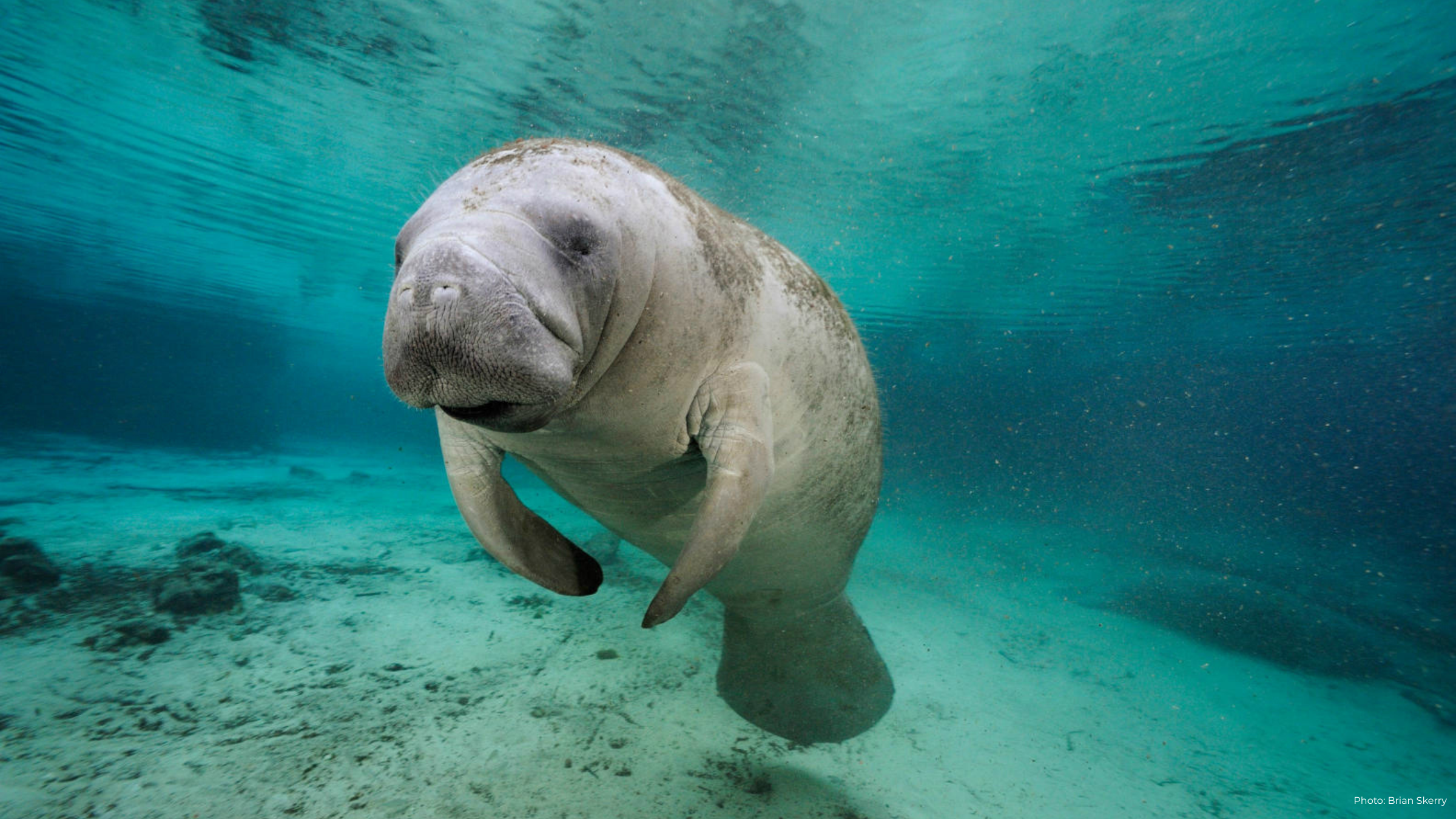
- The Florida Manatee: Vulnerable to water pollution and the loss of warm-water springs due to coastal development.
- The North American Wolverine: Dependent on large, contiguous tracts of snowy habitat that are increasingly threatened by climate change and resource extraction.
- The Whooping Crane: Reliant on specific migratory wetlands that could be drained or paved under more relaxed habitat protections.
The "Sunsetting" Provision and Administrative Burdens
In addition to redefining "harm," the administration has proposed a "sunsetting" provision for ESA regulations. This would mean that all existing protections for endangered species would automatically expire after a set period unless they are formally reviewed and renewed.
From a policy perspective, proponents argue that sunsetting ensures that regulations remain relevant and are based on the latest data. However, critics point out that the U.S. Fish and Wildlife Service (USFWS) and the National Marine Fisheries Service (NMFS) are already chronically underfunded and understaffed. Forcing these agencies to constantly re-litigate and re-justify existing protections would create an administrative bottleneck, likely resulting in the accidental expiration of protections for species that are still in dire need of help. This "regulatory cliff" could leave hundreds of species without legal protection simply due to bureaucratic delays.
Public Sentiment vs. Policy Shifts
A striking element of the current push for deregulation is the disconnect between federal policy and public opinion. Despite the political polarization currently characterizing much of American life, wildlife conservation remains a rare point of national consensus. According to recent polling data, approximately 84% of Americans support the Endangered Species Act. This support crosses party lines, reflecting a shared value system regarding the stewardship of the natural world.
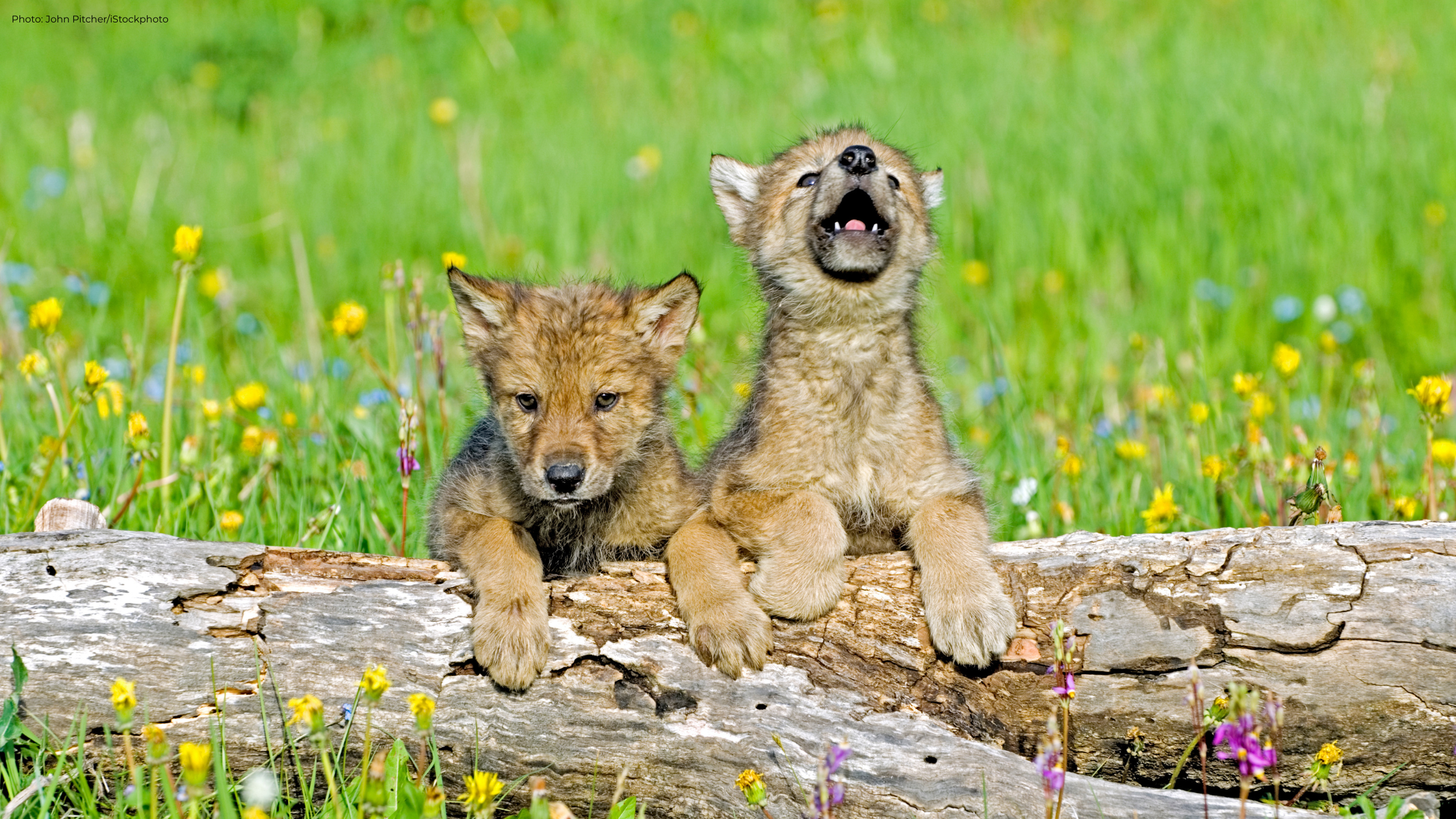
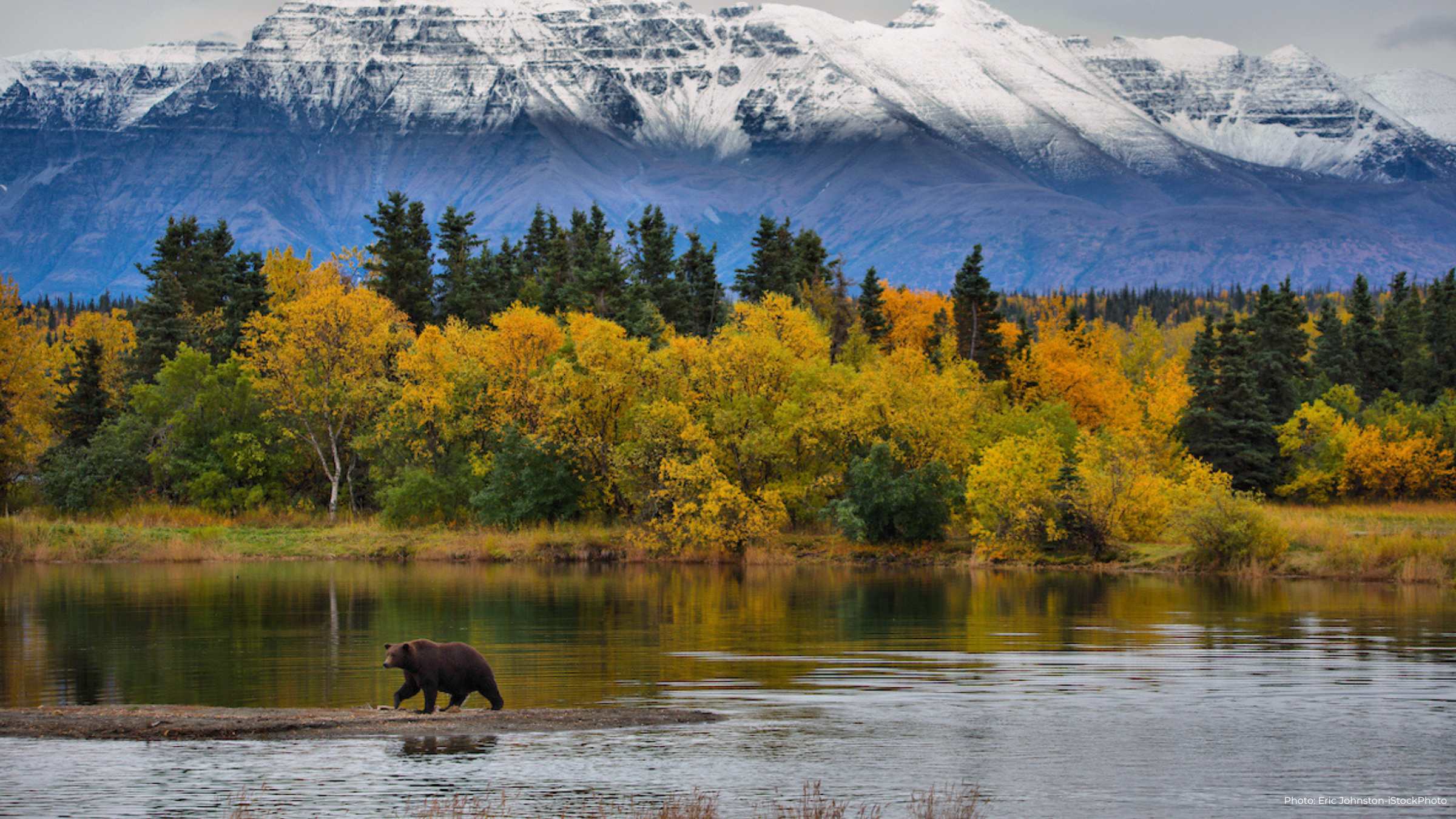
The American public views wildlife not just as a biological resource, but as a source of national pride and a legacy for future generations. The howling of wolves in the backcountry, the sight of a Grizzly Bear in the wild, and the annual migration of sea turtles are viewed as quintessential American experiences. The proposed rollbacks, therefore, are not a response to public demand but are largely seen as a concession to specific industrial sectors, including oil and gas, timber, and large-scale real estate development.
Scientific and Economic Implications of Biodiversity Loss
The debate over the ESA is often framed as a conflict between "owls and jobs," but modern ecological science and economics suggest a more complex relationship. Biodiversity loss carries significant economic risks. Ecosystem services—such as pollination, water purification, and natural pest control—are estimated to be worth trillions of dollars globally.
When a "keystone species" like the Red Wolf or the Grey Wolf is removed from an ecosystem, it triggers a trophic cascade. For example, the absence of top predators can lead to overpopulation of deer and elk, which in turn leads to overgrazing of vegetation, soil erosion, and the degradation of river systems. By protecting endangered species, the ESA effectively protects the integrity of the ecosystems that provide clean air and water for human populations.
Furthermore, the "99% effectiveness" rate of the ESA suggests that the law provides a predictable framework for developers. When species are recovered and delisted, it opens up land for use with the assurance that the ecosystem is stable. Weakening the Act could lead to more "emergency" listings and litigation, creating more uncertainty for the private sector, not less.
The Role of Advocacy and Future Outlook
Since 1947, organizations such as Defenders of Wildlife have served as watchdogs for the nation’s biodiversity. With a network of over 2.1 million supporters, these organizations are currently mobilizing to challenge the proposed rollbacks in court and in the court of public opinion. Their strategy involves a combination of legal action, scientific testimony, and public awareness campaigns designed to highlight the long-term costs of short-term deregulation.
The upcoming months will be a defining period for American conservation. The fate of the 26 remaining wild Red Wolves may well depend on whether the legal definition of "harm" continues to include the destruction of their home. As the administration moves to finalize these rules, the scientific community continues to warn that we are living through a global extinction crisis. In this context, the ESA is not just a domestic law but a critical component of the global effort to maintain the planet’s biological diversity.
The conclusion of the Red Wolf’s story remains unwritten. It could serve as a testament to American resolve and the power of science-based policy, or it could become a cautionary tale of how quickly decades of progress can be erased. As the debate moves from the halls of government to the public square, the central question remains: what value does the nation place on its irreplaceable natural heritage, and is it willing to act before that heritage is lost forever?




 Chandra Hamzah
 Tatiana Tantri Indah Sari
 Budi Mulyono
 Lukman Taruna Persada Ramadan