
 Anjar Salim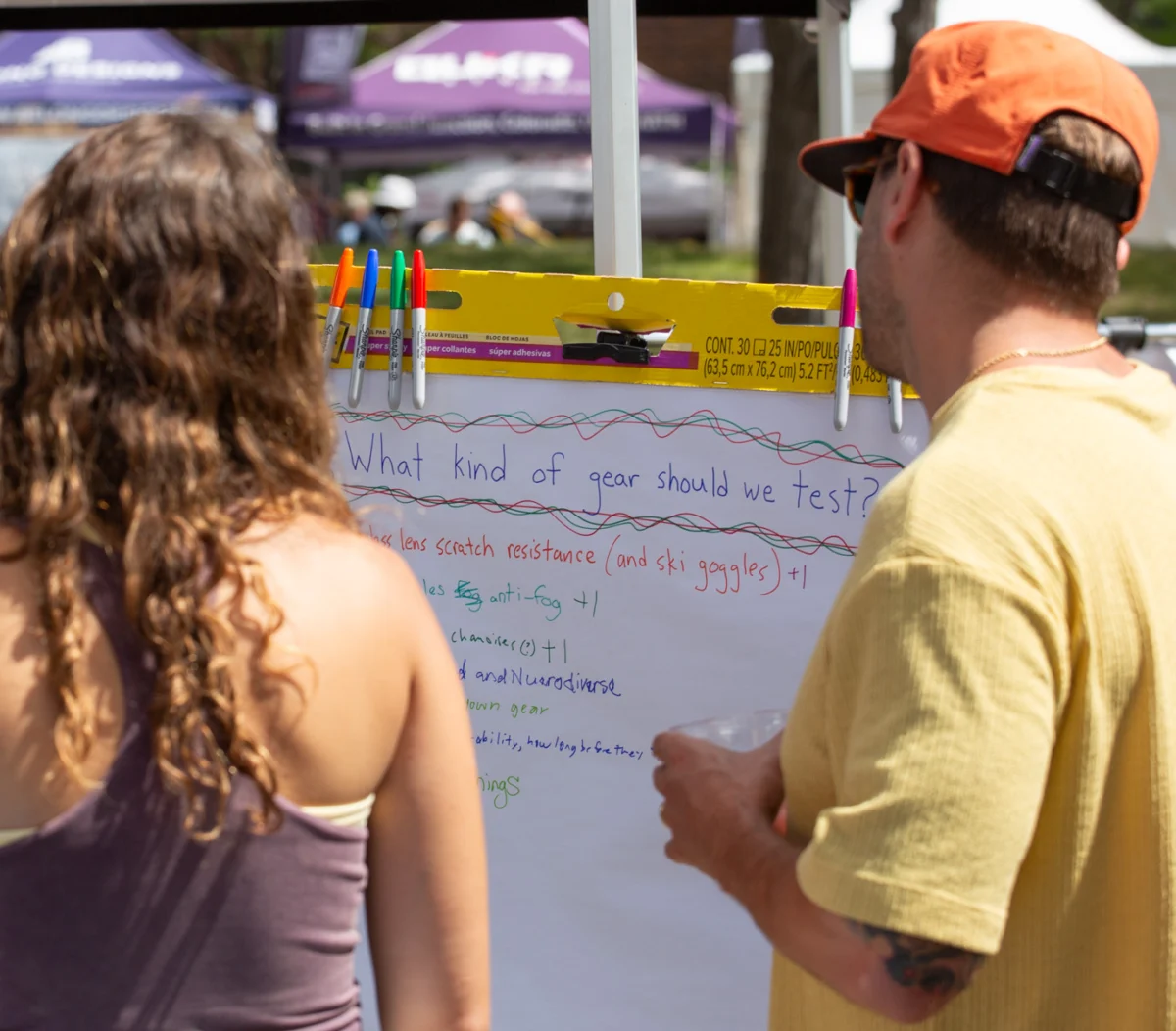
The Outside Lab at the University of Colorado Denver has officially integrated a new series of consumer-driven "torture tests" into its rigorous gear-evaluation framework following the successful conclusion of Outside Days 2026. This expansion of testing protocols marks a significant shift in how outdoor equipment is vetted, moving beyond subjective field reports to include high-precision, laboratory-grade analysis of materials and structural integrity. By soliciting direct feedback from the outdoor community during the three-day event in June 2026, the lab has identified critical gaps in current gear reviews, specifically regarding UV degradation, the mechanical limits of trekking poles, and the safety standards of canine rescue equipment.
The collaboration between Outside’s editorial teams and the CU Denver engineering department represents a modernized approach to consumer advocacy. While field testing remains a staple of the industry—allowing testers to evaluate ergonomics, "feel," and real-world performance—it lacks the environmental controls necessary for comparative data. In the wild, variables such as humidity, temperature, and terrain vary from one test day to the next. The Outside Lab addresses this by subjecting every product to identical stressors, ensuring that a "best-in-class" rating is backed by empirical evidence rather than anecdotal experience.
Chronology of the Outside Lab and Outside Days 2026
The development of the Outside Lab at CU Denver began as an initiative to bring scientific legitimacy to the outdoor industry’s product reviews. Over the last several years, the lab has evolved from a small-scale testing site into a comprehensive facility capable of measuring everything from the breathability of waterproof membranes to the impact absorption of climbing helmets.
The recent Outside Days 2026 event served as a pivotal moment in this evolution. Held in mid-June, the event invited thousands of outdoor enthusiasts, professional athletes, and gear manufacturers to engage with the testing process. For three days, the "Outside Lab at CU Denver" tent became a hub for technical discourse. Readers were asked to identify the gear failures they feared most and the metrics they felt were overlooked by traditional reviews. The resulting data revealed a high demand for longevity testing—specifically how gear performs after months of exposure rather than just "out of the box."
The Science of Solar Degradation: UV Aging and UPF Protection
One of the most requested testing categories during the event was the long-term impact of ultraviolet (UV) radiation on outdoor textiles. While many brands market Ultraviolet Protection Factor (UPF) clothing, there is currently little transparency regarding how these ratings hold up after repeated wash cycles and prolonged sun exposure.
The Outside Lab’s new UV testing protocol is bifurcated into two distinct methodologies: UV aging and UPF longevity.
UV Aging and Material Integrity
UV aging focuses on the structural degradation of gear. Materials like nylon and polyester, common in tents and sun shirts, are susceptible to photodegradation. Over time, UV photons break the molecular bonds in polymers, leading to brittleness and a significant loss in tensile strength. To simulate months of high-altitude sun exposure in a matter of days, the lab utilizes specialized UV bulbs that mimic the solar spectrum with high-intensity output. By testing the "burst strength" of a fabric before and after controlled exposure, the lab can calculate a product’s "sun life," providing consumers with a realistic expectation of how many seasons a tent or shirt will last before the fabric fails.
UPF Protection Over Time
The second angle of solar testing involves the measurement of radiation transmission through fabrics. Using a precision light meter, technicians measure UV radiation levels both above and directly beneath fabric samples. This data is critical for sun-protective apparel. As garments are worn, stretched, and laundered, the weave of the fabric can loosen or chemical UV inhibitors can leach out. The lab’s "aggressive wear" cycle involves repeated laundering and mechanical stretching between UV measurements. This allows the team to determine the exact point at which a sun shirt no longer provides its advertised protection level, a factor of immense importance for those concerned with skin health and cancer prevention.
Mechanical Failure Analysis of Trekking and Running Poles
The popularity of trail running and high-alpine trekking has led to a surge in the use of lightweight poles. However, the trade-off for weight is often durability. During Outside Days 2026, attendees frequently cited pole snaps and joint failures as a primary gear frustration.
To address this, the Outside Lab utilizes a universal testing machine, colloquially known as "The Hulk." This industrial-grade apparatus allows engineers to apply precise, measured loads to trekking poles until they reach their breaking point. Unlike field tests where a pole might break due to an awkward stumble, the lab environment allows for the isolation of specific failure modes.
The testing protocol involves fully extending the poles—the position in which they are most vulnerable—and applying vertical and lateral pressure. By testing at various angles, the lab can simulate a hiker putting their full weight on a pole during a slip. This data is particularly relevant as the industry shifts between carbon fiber and various aluminum alloys. Carbon fiber offers high stiffness and low weight but tends to fail catastrophically (shattering), whereas aluminum may bend but remain functional. The lab’s objective data helps consumers choose the material best suited for their specific risk tolerance and terrain.
Safety Standards for Canine Adventure Gear
As the "humanization of pets" trend continues to influence the outdoor market, more consumers are taking dogs into technical backcountry terrain. This has led to a proliferation of "rescue harnesses" designed to hoist dogs over obstacles or carry them out in the event of an injury. However, the industry currently lacks a standardized "load-rated" certification for pet gear similar to what exists for human climbing harnesses.
The Outside Lab is stepping into this regulatory vacuum by applying human-grade safety testing to dog harnesses. For rescue-specific models, the lab tests the "load-carrying capacity" by simulating the weight of various dog breeds and subjecting the haul loops to sudden "drop tests." This ensures that the stitching and hardware can withstand the dynamic forces of a rescue scenario.
For everyday adventure harnesses, the focus shifts to abrasion resistance and environmental durability. Dogs often subject their gear to harsher conditions than humans, including constant contact with mud, sharp rocks, and thick brush. The lab utilizes Martindale abrasion testers to determine how many "rubs" a harness can withstand before the webbing is compromised. Additionally, tests for drying time and air permeability ensure that the gear does not cause skin irritation or overheating for the animal.
Broader Industry Impact and Implications
The move toward rigorous laboratory testing signifies a maturation of the outdoor industry. As gear becomes more expensive and technically advanced, consumers are no longer satisfied with marketing claims of "indestructibility." The data produced by the Outside Lab at CU Denver provides a necessary check on manufacturer assertions.
Industry analysts suggest that this shift toward empirical testing will likely force manufacturers to improve their quality control and material sourcing. When a lab can prove that a $150 sun shirt loses its UPF rating after ten washes, brands are incentivized to develop more durable treatments. Furthermore, the focus on "failure points" allows engineers to design gear that fails safely rather than catastrophically, a critical distinction in life-safety equipment like rescue harnesses or climbing gear.
The collaboration also highlights the growing role of academic institutions in consumer product safety. By housing the lab within CU Denver, Outside has access to engineering expertise and specialized equipment that would be cost-prohibitive for a traditional media outlet. This partnership bridges the gap between high-level material science and the everyday needs of the outdoor community.
Conclusion and Future Outlook
The feedback gathered at Outside Days 2026 has provided a roadmap for the future of gear journalism. By prioritizing UV longevity, mechanical strength, and canine safety, the Outside Lab is addressing the real-world concerns of modern adventurers. As these new protocols are implemented, the resulting data will be integrated into "Outside’s" gear reviews, offering a level of transparency and objective comparison previously unavailable in the outdoor space.
Looking ahead, the lab plans to continue its "reader-sourced" approach to test design. As new technologies—such as e-bike batteries, wearable sensors, and sustainable bio-fabrics—enter the market, the need for controlled, scientific evaluation will only increase. The Outside Lab at CU Denver stands as a testament to the idea that while the outdoors may be unpredictable, the gear we use to navigate it should be anything but. Consumers can expect a steady rollout of these "torture-test" results throughout the remainder of 2026 and into 2027, providing a new gold standard for outdoor equipment evaluation.




 Chandra Hamzah
 Tatiana Tantri Indah Sari
 Budi Mulyono

