
 Chandra Hamzah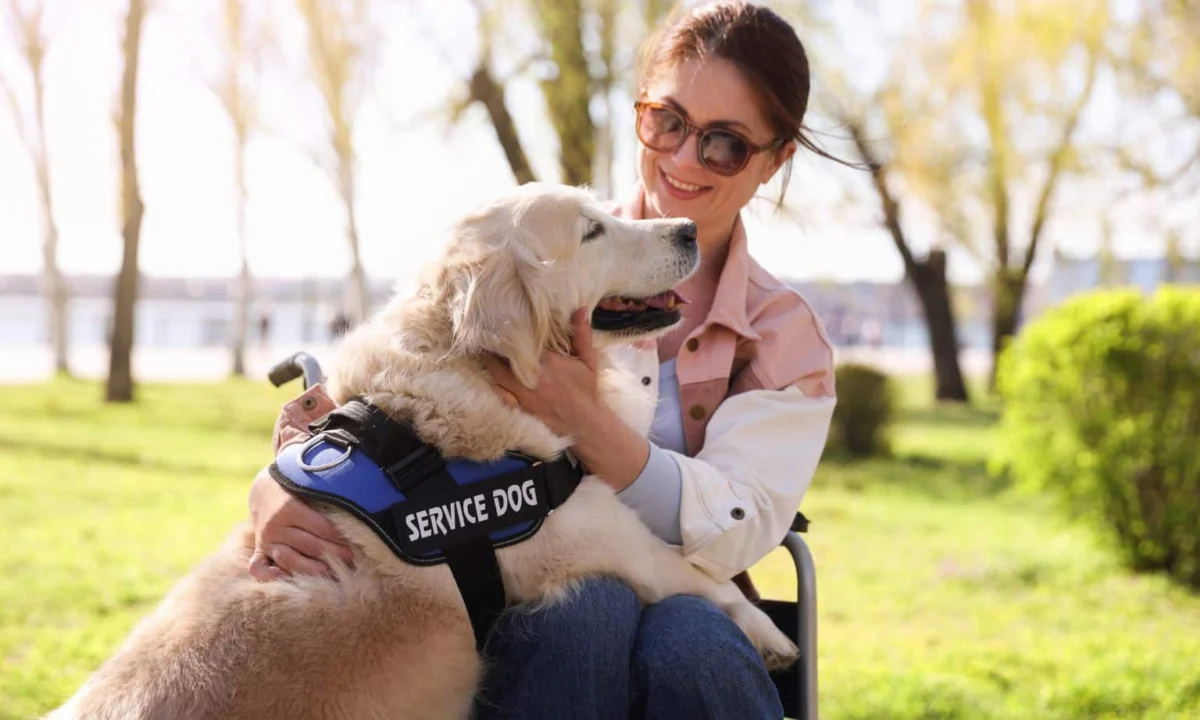
The question of whether and under what circumstances service dogs should be permitted on cruise ships has ignited a passionate and ongoing debate within the cruising community. While there is a general consensus that medically essential service dogs should be accommodated, a significant concern has emerged regarding the perceived blurring of lines between genuine service animals and emotional support animals, leading to calls for stricter regulations and enforcement. Cruise Passenger readers have voiced their opinions extensively across blogs, social media platforms, and newsletters, highlighting a growing tension between the needs of individuals with disabilities and the desire for a comfortable and safe environment for all passengers.
The Core of the Controversy: Defining and Verifying Service Animals
At the heart of the issue lies the distinction between a trained service dog, legally defined by its ability to perform specific tasks to aid a person with a disability, and an emotional support animal (ESA), which provides comfort through companionship but does not require specialized training. Cruise lines, both in Australia and the United States, generally adhere to policies that permit only medically approved service dogs, aligning with regulations such as the Americans with Disabilities Act (ADA) in the US, which defines service animals as dogs individually trained to do work or perform tasks for the benefit of an individual with a disability.
However, many cruise passengers report witnessing what they believe to be an overuse or misuse of these policies. The primary concern is that individuals are bringing animals onto ships under the guise of service dogs when they may only qualify as ESAs, or are not animals at all, leading to situations where animals are present on board that do not meet the stringent criteria for true service animals. This perception fuels frustration, as it is often difficult for cruise lines, and indeed fellow passengers, to independently verify the necessity and training of an animal presented as a service dog.
Passenger Perspectives: Voices from Social Media and Forums
Online platforms have become a hub for these discussions, with passengers sharing their experiences and opinions. A common sentiment expressed is that while professionally trained service dogs are welcome, emotional support animals are viewed as inappropriate for a cruise ship environment.
Olive Corgi, commenting on a cruise passenger forum, stated, "If they falsely claim dog is a true service dog, who is professionally trained, then they should be banned from cruise line for not following the rules." This sentiment is echoed by Beth Rich, who emphatically declared, "Emotional support dogs do NOT belong on a cruise ship! A trained service dog is fine."
The practical implications of this distinction were highlighted by Jo-Anne Emille, who observed a significant difference in behavior: "Real service dogs are more than welcomed. Pets on the other is a different story, pets should not be allowed on cruises. There was a pet on our cruise a big friggen dog sitting on a chair in the MDR, services dogs don’t sit on MDR chairs." This observation points to a perceived lack of adherence to expected service animal conduct when animals are brought onboard under less rigorous classifications.
Gina Edmondson further elaborated on this point, stating, "If it is an actual trained licensed service dog It should be allowed. An emotional support animal is not a licensed or trained service dog and should not be allowed. Emotional support animal that are not licensed service animals should not be allowed on the cruise. I hate to be that person but if you need an emotional support animal with you at all times but not a licensed service animal, a cruise is not a good place for you."
The Impact on Genuine Service Dog Users
A particularly poignant aspect of the debate is the negative impact that the proliferation of non-genuine service animals can have on individuals who genuinely rely on trained service dogs. Passengers who require service animals for significant medical conditions report that the presence of untrained or improperly identified animals can create a more challenging environment for them.
Steve Sokulski articulated this frustration, stating, "Pretending that an emotional support animal is a service animal does serious harm to the experience of those guests who actually rely on properly trained service animals. The kind of selfishness that turns ‘I like my dog’ into ‘I’m going to make this other people’s problem’ is so insanely frustrating to me."
Kim Haskell, a service dog owner herself, shared a similar experience: "I have a service dog who helps me in so many ways. We have run into a number of pretend service dogs on ships. This makes it more difficult for people with real service dogs. As an owner I would welcome more screening." This call for increased scrutiny comes from those who understand firsthand the vital role service animals play and the disruptions caused by those who undermine the system.
Sue Claxton recounted instances of encountering animals that should not have been present: "I have sailed with REAL service dogs and never knew they were onboard. I have also sailed with ‘service dogs’ who SHOULD have been left at home. Leave your damn fake ‘service dogs’ at home! Especially those who ‘need’ a stroller. We all love our animals but a cruise ship isn’t the place to be." The mention of "strollers" for animals further fuels the perception of animals being treated as pets rather than working animals.
Denise Basti provided a specific anecdote: "I knew of someone who had 2 yorkies and said they were service dogs, even had the vest for them. They clearly were not. Definitely need stricter laws and they do not belong on a cruise ship unless they are indeed a service animal. A dog begging for food at a table is not a service animal." This highlights a clear violation of expected service animal behavior and the need for stricter enforcement.
Acknowledging the Nuance: Not All Service Dogs are Obvious
Amidst the widespread concern about misuse, some passengers have emphasized the importance of not making hasty judgments and recognizing the diverse roles of service dogs. Pam Hilton cautioned against premature conclusions, stating, "Sometimes, hard to tell whether it’s a service dog and it’s not up to the passengers to determine that. Not all service dogs are for the blind or obviously impaired. Some are trained to ‘alert’ to medical conditions."
Hilton shared a past experience to illustrate this point: "Years ago, a friend cruised with a service dog and because she wasn’t blind or looked impaired, people complained behind her back that she’d brought her pet and that shouldn’t be allowed. Her dog was trained to be alert for seizures. She was fortunate to be able to cruise and live a relatively normal life thanks to her dog." This anecdote underscores that the outward appearance of a disability does not always correlate with the need for a service animal.
Mark Flynn further reinforced the critical role of legitimate service animals, comparing them to essential medical equipment: "A trained medical alert canine is basically a vital medical appliance on four legs. Would you restrict someone’s oxygen bottles? Blood glucose monitor? CPAP machine? Of course not. If it is a legitimately trained service dog, the cruise line should make whatever reasonable accommodations are necessary." This analogy highlights the essential nature of trained service animals for individuals with certain medical conditions.
The Challenge of Fair Regulation
The complexity of the issue is further compounded by the difficulty of implementing fair and effective regulations. Em Williamson acknowledged this challenge: "I wish they would be stricter. However, I’m not sure how to do it in a fair manner. As a disabled individual who had to retire a service dog after a fake attacked it in a store, I have personal knowledge of the damage fakes can do both physically to our SDs and to the reputation of the SD community. On the other side, many of the offered solutions can lead to gatekeeping that keeps disabled individuals away from businesses and activities. They can also lead to financial and other barriers blocking a disabled individual’s ability to utilize helpful accommodation."
This perspective highlights the delicate balance that needs to be struck. While the desire for stricter rules is understandable, any new regulations must be carefully crafted to avoid inadvertently creating barriers for individuals with legitimate needs. The potential for "gatekeeping" – preventing disabled individuals from accessing services or participating in activities – is a significant concern.
Background and Broader Context
The debate surrounding service animals on public transport and in public spaces is not new. Globally, regulations have evolved to accommodate individuals with disabilities while addressing concerns about the misuse of service animal designations. In the United States, the ADA provides a legal framework, but its interpretation and enforcement can lead to varied outcomes. Similarly, in Australia, the Disability Discrimination Act 1992 aims to ensure equal rights and opportunities, including access to services and public places.
Cruise lines operate in a complex regulatory environment, needing to comply with laws in their countries of origin, destination ports, and the flags under which their ships sail. This often results in a patchwork of policies that, while aiming for consistency, can sometimes lead to confusion or perceived loopholes. The cruise industry, a significant sector of the travel market, faces unique challenges due to the enclosed and communal nature of shipboard environments.
Potential Implications and Future Considerations
The ongoing discussion among cruise passengers points towards a desire for greater clarity and consistency in how service animals are managed on board. Potential implications of the current situation include:
- Erosion of Trust: Continued perceived misuse of service animal designations could lead to a decline in public trust, making it harder for genuine service dog users to navigate public spaces.
- Increased Scrutiny and Potential Restrictions: If incidents of misuse become more prevalent or severe, cruise lines might face pressure to implement more stringent verification processes, which could impact the ease of travel for all service animal users.
- Impact on the Cruise Experience: For some passengers, the presence of animals not performing a clear service function can detract from their overall cruise experience due to perceived hygiene issues, noise, or behavioral disruptions.
- Legal and Operational Challenges: Cruise lines must continuously navigate the legal requirements for accommodating service animals while also managing the operational challenges and passenger expectations.
Moving forward, the cruise industry may need to explore more robust methods for verifying service animals that balance the rights of disabled individuals with the comfort and safety of all passengers. This could involve clearer guidelines for documentation, enhanced training for onboard staff, and potentially collaboration with disability advocacy groups to ensure that policies are both effective and equitable. The voices of passengers, as expressed in this ongoing dialogue, will undoubtedly continue to shape the conversation and influence future decisions. The commitment to inclusivity must be balanced with practical considerations, ensuring that the magic of cruising remains accessible and enjoyable for everyone.




 Anjar Salim
 Tatiana Tantri Indah Sari
 Budi Mulyono
 Lukman Taruna Persada Ramadan
