
 Chandra Hamzah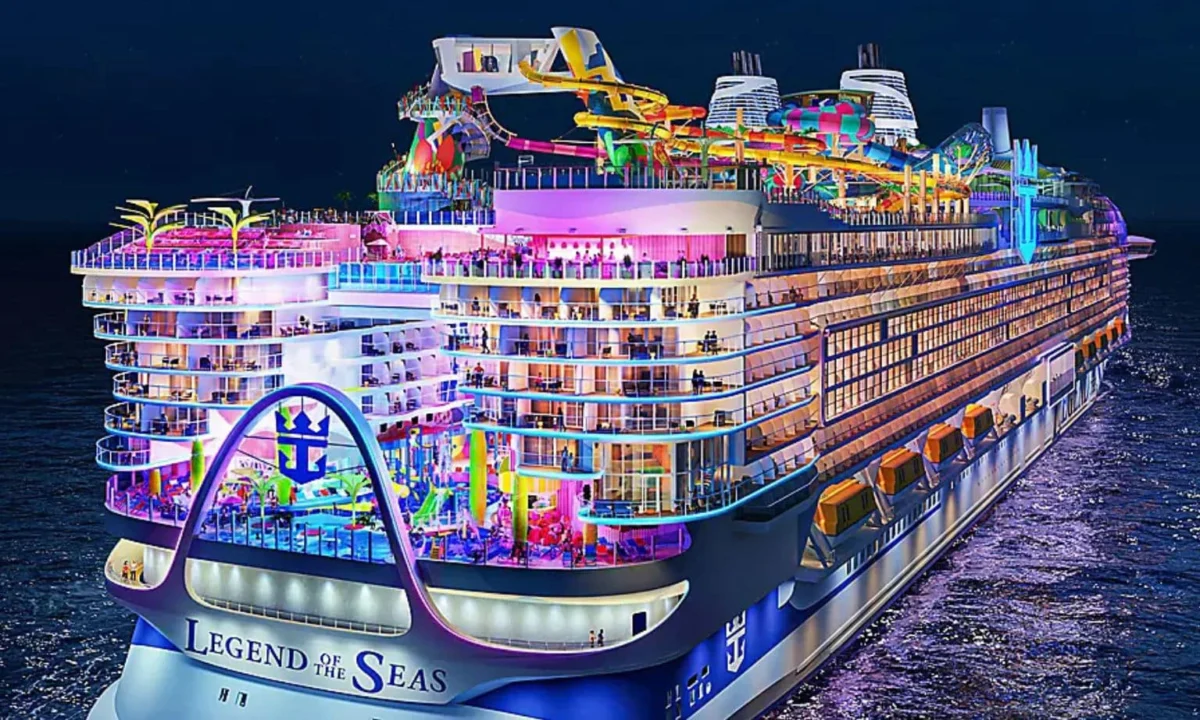
The World Travel and Tourism Council (WTTC) has issued a strong appeal to Barcelona’s political leaders, urging them to reconsider a proposed significant increase in taxes levied on the cruise industry. The city council’s initiative aims to more than quintuple the current cruise passenger tax from €6 (approximately AU$10) to a potential €30 (approximately AU$50) per passenger. This substantial hike is slated for an initial increase to €12 (approximately AU$20) per passenger in the shorter term, specifically targeting vessels that visit Barcelona as a port of call, rather than those embarking or disembarking passengers within the city.
This proposed fiscal measure arrives at a critical juncture for Barcelona’s tourism landscape, a sector that grapples with the complexities of managing high visitor numbers and their impact on local infrastructure and communities. The WTTC, a global body representing the travel and tourism sector, has voiced serious concerns that such a steep increase could trigger a detrimental economic ripple effect throughout the city.
WTTC Sounds Alarm on Economic Impact
Gloria Guevara, President and Chief Executive of the WTTC, articulated the council’s apprehension, warning that the increased financial burden on cruise passengers could lead to a significant reduction in the cruise industry’s overall economic contribution to Barcelona. "Additional costs to visitors to Barcelona would likely reduce the overall economic contribution generated by the cruise industry as tourists adjust their spending habits ashore," Guevara stated. She further elaborated on the potential consequences, highlighting that "This, in turn, would potentially lead to job losses, impacting local employment and job creation within the city’s service sectors."
The WTTC’s stance is informed by a broader analysis of tourism tax policies in other global destinations. Guevara emphasized, "Evidence WTTC has gathered from other destinations shows that sudden tax hikes rarely produce the intended outcomes." This suggests that while the intention behind the tax increase may be to generate additional revenue or manage visitor flow, the actual economic repercussions might be counterproductive, potentially leading to a net loss in economic activity and employment.
Context of the Proposal: Managing Overtourism and Economic Dependence
Barcelona, a perennial favorite on the European cruise circuit, welcomes approximately four million cruise passengers annually. While this figure represents a significant segment of the city’s tourism industry, it is important to contextualize it within the broader tourism landscape. Barcelona attracts a total of 25 to 30 million tourists each year across all travel modalities. The sheer volume of visitors has fueled considerable public debate and numerous local protests concerning "overtourism," with concerns frequently raised about the strain on the city’s infrastructure, housing availability, and the quality of life for its residents.
The economic contribution of cruise activity to Catalonia, the autonomous community of which Barcelona is the capital, is substantial, amounting to an estimated €413.2 million annually to the GDP. However, when compared to the total tourism revenue for Catalonia, which surpasses €10 billion, cruise spending accounts for a relatively modest proportion, approximately four percent of the total tourism GDP. This disparity in economic reliance is a key factor in the current debate. Unlike regions such as the Caribbean, where cruise tourism often forms a significant pillar of the local economy, many European cities like Barcelona are less dependent on cruise passenger expenditure as a sole driver of their tourism sector.
This trend of increasing cruise taxes and restrictions is not unique to Barcelona. Several other major European tourist hotspots, including Santorini, Amsterdam, and Venice, have implemented similar measures. These cities, facing their own challenges with visitor management and the environmental impact of mass tourism, are recalibrating their approach to cruise tourism, signaling a potential shift in the industry’s trajectory within Europe. The WTTC’s analysis suggests that the era of unchecked growth for cruise tourism in Europe may be drawing to a close, necessitating adaptation from the industry.
The Arrival of the "Legend of the Seas" and Industry Dynamics
The debate over cruise taxes unfolds against the backdrop of a significant new development in Barcelona’s cruise port: the impending arrival of Royal Caribbean’s Legend of the Seas. This colossal vessel, set to debut in July, is scheduled for over ten port calls in Barcelona in the coming months. The Legend of the Seas is positioned to be one of the largest ships in the world, comparable in scale to Royal Caribbean’s Icon-class ships. With a capacity to accommodate nearly 8,000 passengers, and a total occupancy including crew reaching up to 9,900 individuals, its presence will undoubtedly be a prominent feature in the city’s maritime landscape. The sheer size of such vessels raises questions about their environmental footprint and their impact on port infrastructure, adding another layer to the complex discourse surrounding cruise tourism.
The WTTC’s advisory highlights a broader strategic challenge facing the cruise industry in Europe. The council suggests that the industry will need to either adapt by developing alternative itineraries that cater to different European preferences, reallocate ships to regions with a greater reliance on cruise tourism, or actively engage in dialogue with European cities to demonstrate and articulate the tangible value that cruise tourism brings beyond mere passenger numbers.
Historical Context and Evolving European Cruise Landscape
The history of cruise tourism in Barcelona has been one of steady growth. For years, the city has been a cornerstone of Mediterranean cruise itineraries, attracting a diverse range of cruise lines and passenger demographics. The economic benefits, including direct spending by passengers on shore excursions, dining, and shopping, as well as indirect employment in port services, logistics, and hospitality, have historically been welcomed. However, as Barcelona’s overall tourism numbers have surged, the focus has shifted from simple economic growth to sustainable tourism management.
The current proposal to increase cruise passenger taxes can be viewed as an evolution in Barcelona’s tourism strategy. It reflects a growing awareness of the need to balance economic benefits with the social and environmental carrying capacity of the city. The differential tax rate, targeting transit passengers, suggests a desire to prioritize longer-staying tourists who are perceived to contribute more broadly to the local economy and cultural fabric, while potentially disincentivizing shorter, less integrated cruise calls.
Economic Analysis and Potential Ramifications
The WTTC’s concern regarding job losses stems from a fundamental economic principle: increased costs can lead to reduced demand. If the higher cruise passenger tax makes Barcelona a less attractive port of call for cruise lines, or leads passengers to reduce their spending while ashore to compensate for the added tax, the overall revenue generated by the industry could indeed decrease. This could translate into fewer port calls, reduced demand for shore excursions, and a subsequent impact on businesses that rely on cruise passenger spending, from souvenir shops and restaurants to tour operators and transportation providers.
Furthermore, the WTTC’s reference to "sudden tax hikes" suggests a concern about the predictability and stability of the regulatory environment. Businesses within the tourism sector, including cruise lines, often plan their itineraries and investments years in advance. Unforeseen and substantial tax increases can disrupt these long-term strategies and potentially lead to a diversion of resources and ships to other, more stable or predictable markets.
The juxtaposition of the Legend of the Seas‘s impressive scale with the proposed tax increase highlights the ongoing tension between the industry’s pursuit of larger, more efficient vessels and the destinations’ efforts to manage the impact of mass tourism. While larger ships can offer economies of scale for cruise lines, they also present greater logistical challenges for ports and can concentrate a significant number of visitors in a short period, exacerbating concerns about overcrowding and resource strain.
Broader Implications for the European Cruise Market
The situation in Barcelona is indicative of a wider trend across Europe. Destinations are increasingly scrutinizing the benefits and drawbacks of cruise tourism. The industry’s future in Europe, as suggested by the WTTC, may lie in a more nuanced and diversified approach. This could involve developing niche cruise products, focusing on smaller, more sustainable vessels, or creating itineraries that offer a deeper, more authentic experience of European culture and history, rather than simply a checklist of popular landmarks.
The ability of the cruise industry to adapt to these evolving demands will be crucial. This might involve investing in technologies that reduce environmental impact, working more closely with destinations to mitigate the effects of overtourism, and developing business models that are more aligned with the sustainability goals of European cities. The WTTC’s call for reconsideration of the Barcelona tax proposal is not merely about a single fiscal measure, but rather a broader dialogue about the future of cruise tourism in a world increasingly focused on sustainability and responsible travel. The outcome of this debate in Barcelona could serve as a bellwether for similar discussions and policy decisions in other European ports grappling with the complex dynamics of mass tourism.




 Anjar Salim
 Tatiana Tantri Indah Sari
 Budi Mulyono
 Lukman Taruna Persada Ramadan
