
 Anjar Salim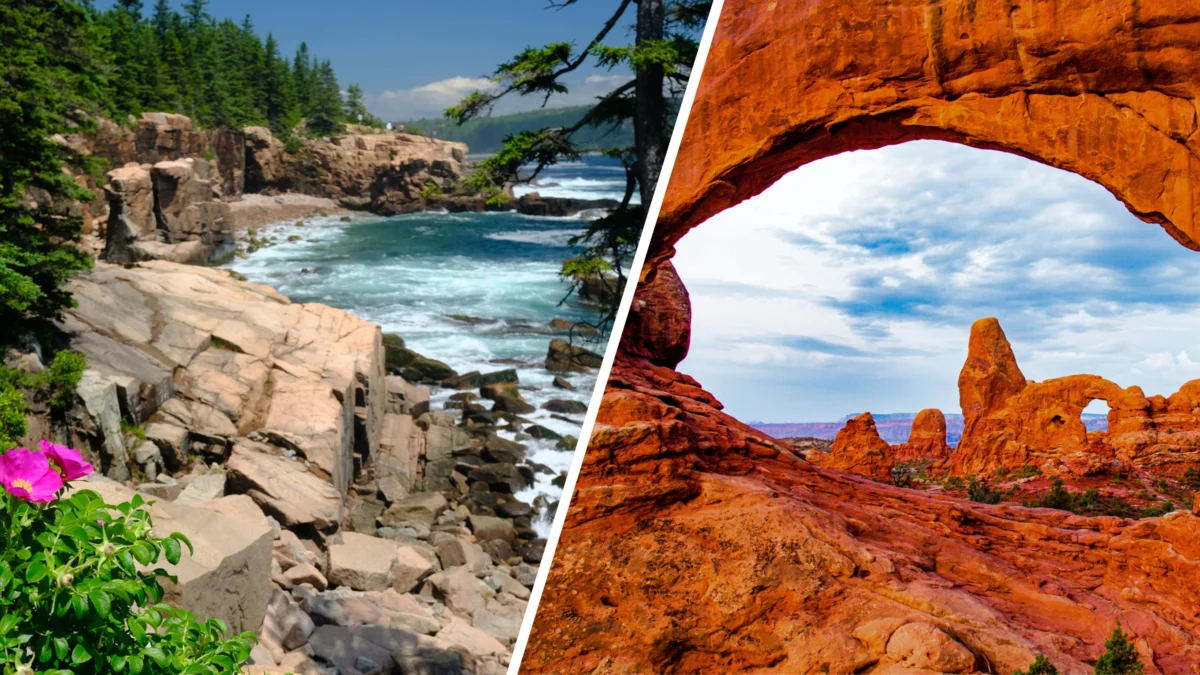
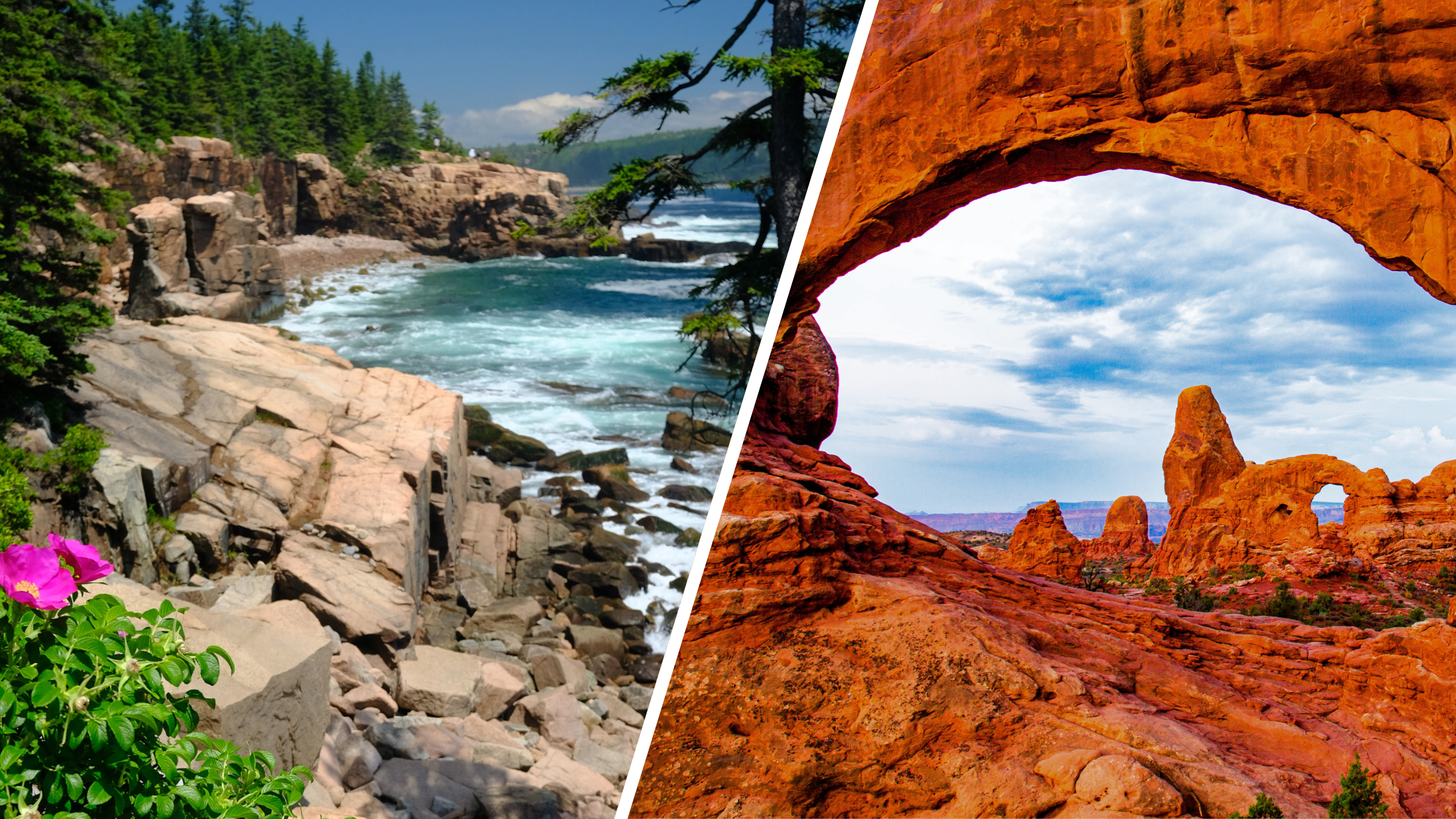
The National Park System of the United States, often described as "America’s best idea," comprises 63 designated national parks and hundreds of other protected areas, monuments, and battlefields. While the iconic, sprawling landscapes of the American West—such as the Grand Canyon, Yosemite, and Yellowstone—frequently dominate the public imagination and tourism marketing, a growing discourse among conservationists and geographers highlights the distinct, often understated value of national parks in the Eastern United States. This regional comparison involves a complex interplay of biodiversity, geological history, accessibility, and land management strategies that define the American outdoor experience.
As of 2024, the distribution of the 63 "headliner" national parks remains heavily weighted toward the West. Approximately 40 of these parks are located in the Western half of the country, including Alaska and Hawaii. In contrast, the Eastern United States, depending on regional definitions, hosts significantly fewer. When excluding the Midwest—where parks like Isle Royale, Voyageurs, and Cuyahoga Valley are located—the East Coast and the Southeast are home to a select group of nine primary national parks: Acadia, Shenandoah, New River Gorge, Great Smoky Mountains, Mammoth Cave, Congaree, Everglades, Biscayne, and Dry Tortugas. Despite their smaller numbers, these Eastern sites represent some of the most ecologically diverse and historically significant landscapes in the world.
The Historical Context of Land Acquisition and Protection
The disparity in the number and size of national parks between the East and West is rooted in the history of American westward expansion and federal land ownership. Most Western national parks were carved out of the "public domain"—vast tracts of land already owned by the federal government during the 19th and early 20th centuries. This allowed for the preservation of massive, contiguous ecosystems like the 2.2 million-acre Yellowstone National Park, established in 1872.
Conversely, the Eastern United States was almost entirely under private ownership by the time the conservation movement gained momentum in the early 20th century. Creating parks like Shenandoah and the Great Smoky Mountains required complex land acquisition strategies, involving the purchase of thousands of individual parcels from private residents and timber companies. The 1911 Weeks Act was a pivotal piece of legislation in this regard, authorizing the federal government to purchase private land to protect the headwaters of navigable streams, which eventually led to the creation of many National Forests and several Eastern National Parks. This historical difference means that while Western parks often protect "untouched" wilderness, Eastern parks are frequently stories of ecological restoration and the reclamation of land from industrial or agricultural use.
Biodiversity: The Ecological Powerhouse of the East
One of the primary arguments for the superiority of Eastern national parks lies in their immense biodiversity. While Western parks are characterized by "landscape superlatives"—the highest peaks, deepest canyons, and largest trees—Eastern parks often harbor a higher density of life forms per square mile.
Great Smoky Mountains National Park, straddling the border of North Carolina and Tennessee, is the most biodiverse unit in the National Park System. It is designated as an International Biosphere Reserve and a UNESCO World Heritage Site. Scientists involved in the All Taxa Biodiversity Inventory (ATBI) have documented over 21,000 species in the park, but estimates suggest the actual number could exceed 100,000. The park is often referred to as the "Salamander Capital of the World" due to the incredible variety of lungless salamanders found within its damp, ancient forests.
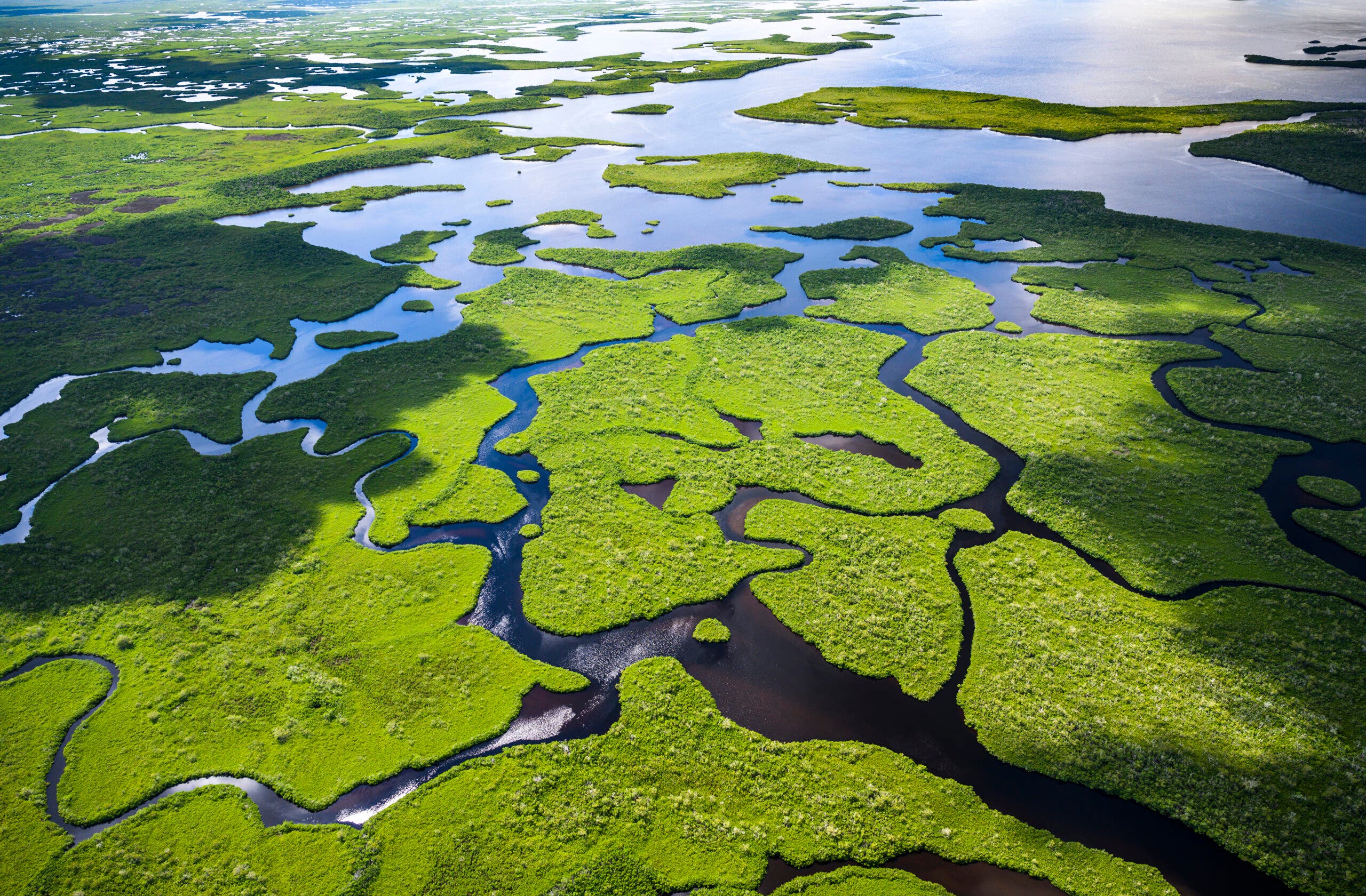
Further south, the Everglades National Park in Florida protects the largest tropical wilderness in the United States. Covering 1.5 million acres, it is a unique "river of grass" that serves as a critical habitat for endangered species such as the Florida panther and the West Indian manatee. It is also the only place on Earth where both alligators and crocodiles are known to coexist in the wild. The park’s complex mangrove systems and sawgrass prairies provide a stark contrast to the arid, high-altitude ecosystems of the West, offering a different but equally vital form of ecological grandeur.
Geological Significance and Subterranean Wonders
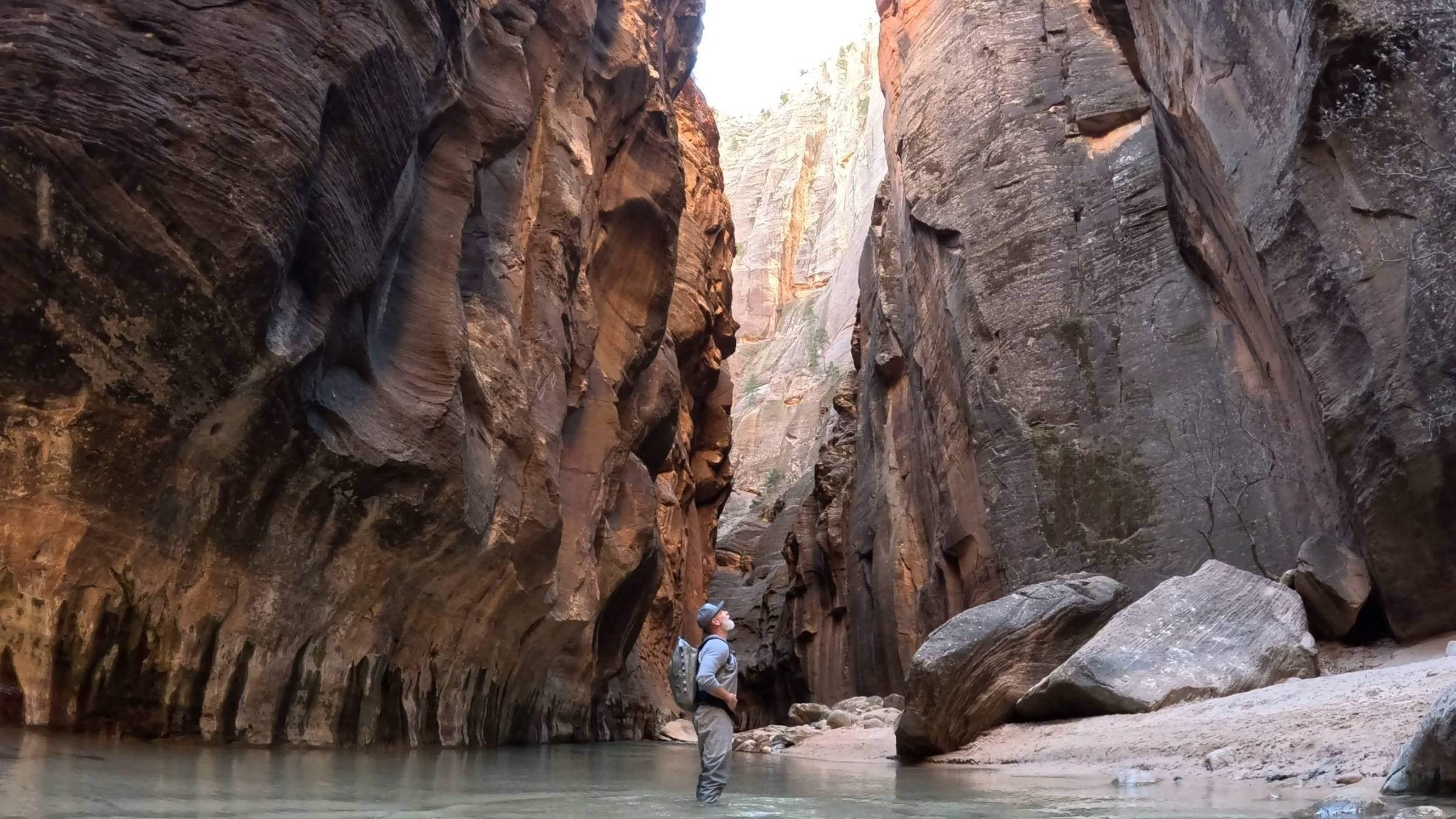
While the Western United States boasts the dramatic, jagged peaks of the Rockies and the Sierras—formed by relatively recent tectonic activity—the East is home to the Appalachian Mountains, one of the oldest mountain ranges on the planet. These mountains, which once rivaled the Himalayas in height, have been weathered over 480 million years into the rolling, forest-covered ridges seen in Shenandoah and the Great Smokies.
The East also claims world-class geological features that are not visible from the surface. Mammoth Cave National Park in Kentucky preserves the world’s longest-known cave system. With more than 426 miles of surveyed passages, it is more than twice as long as the second-longest cave system, Mexico’s Sac Actun. The subterranean architecture of Mammoth Cave, featuring massive "rooms" and intricate gypsum formations, represents a different dimension of the "grandeur" typically associated with the open vistas of the West.
Additionally, the New River Gorge National Park and Preserve in West Virginia, the newest addition to the roster of national parks (redesignated in 2020), protects one of the oldest rivers in North America. The gorge provides a dramatic example of "entrenched meanders," where the river has cut through the Appalachian Plateau over millions of years, exposing some of the oldest rock strata in the region.
Accessibility and the Socio-Economic Impact of Eastern Parks
A defining characteristic of Eastern national parks is their proximity to major population centers. More than 50% of the U.S. population lives east of the Mississippi River, making these parks the primary gateway to the outdoors for tens of millions of citizens.

Great Smoky Mountains National Park consistently ranks as the most visited national park in the United States, often seeing upwards of 12 to 14 million visitors annually. This is nearly triple the visitation of the Grand Canyon or Yellowstone. The accessibility of parks like Shenandoah (near Washington, D.C.) and Acadia (within driving distance of Boston and New York City) democratizes the national park experience. For many Americans, a trip to a Western park is a once-in-a-lifetime "bucket list" expedition involving expensive flights and car rentals, whereas Eastern parks function as "backyard" wilderness areas accessible for weekend trips.
This accessibility has a profound economic impact. According to the National Park Service’s 2023 Visitor Spending Effects report, visitors to Great Smoky Mountains National Park spent an estimated $2.2 billion in local gateway communities, supporting over 30,000 jobs. The proximity of these parks to urban corridors ensures a steady stream of economic activity that sustains regional tourism industries throughout the year.
Linear Parks and Cultural Corridors
The Eastern U.S. also features unique administrative models within the National Park System, most notably the "linear park." The Blue Ridge Parkway, which connects Shenandoah National Park to the Great Smoky Mountains, is a 469-mile scenic drive that is often the most visited unit in the entire NPS system (surpassing even the individual national parks).
Managed for its scenic, cultural, and recreational values, the Parkway represents a conservation philosophy that integrates human transportation with the preservation of the Appalachian landscape. Similarly, the Appalachian National Scenic Trail (AT) stretches over 2,190 miles from Georgia to Maine, passing through multiple national parks. These corridors provide a sense of continuity and "traveling through time" that is distinct from the island-like preservation of many Western parks.
Broader Implications and the Future of Conservation
The ongoing debate between the merits of Eastern and Western parks reflects a broader evolution in conservation science. In the early 20th century, the focus was on "monumentalism"—protecting the biggest and most spectacular features. In the 21st century, the focus has shifted toward "resiliency" and "connectivity."
Eastern parks, though often smaller in acreage, are crucial for maintaining migratory corridors and protecting "climate refugia"—areas that remain relatively buffered from climate change. The dense deciduous forests of the East are significant carbon sinks, playing a vital role in national carbon sequestration efforts.
Furthermore, the National Park Service is increasingly looking toward the East for new designations to better represent the nation’s diverse landscapes and history. The recent elevation of New River Gorge and the expansion of sites like Ocmulgee Mounds in Georgia (currently a National Historical Park under consideration for National Park status) indicate a shift toward recognizing the ecological and cultural richness of the Eastern seaboard and the Southeast.
While the Western parks will likely always hold the title for sheer scale and dramatic verticality, the Eastern parks offer a nuanced, biodiverse, and highly accessible version of the American wilderness. As urban populations continue to grow, the value of these Eastern sanctuaries—located just a few hours from the nation’s busiest cities—will only increase, solidifying their status as indispensable pillars of the National Park System.




 Chandra Hamzah
 Tatiana Tantri Indah Sari
 Budi Mulyono
 Lukman Taruna Persada Ramadan