
 Anjar Salim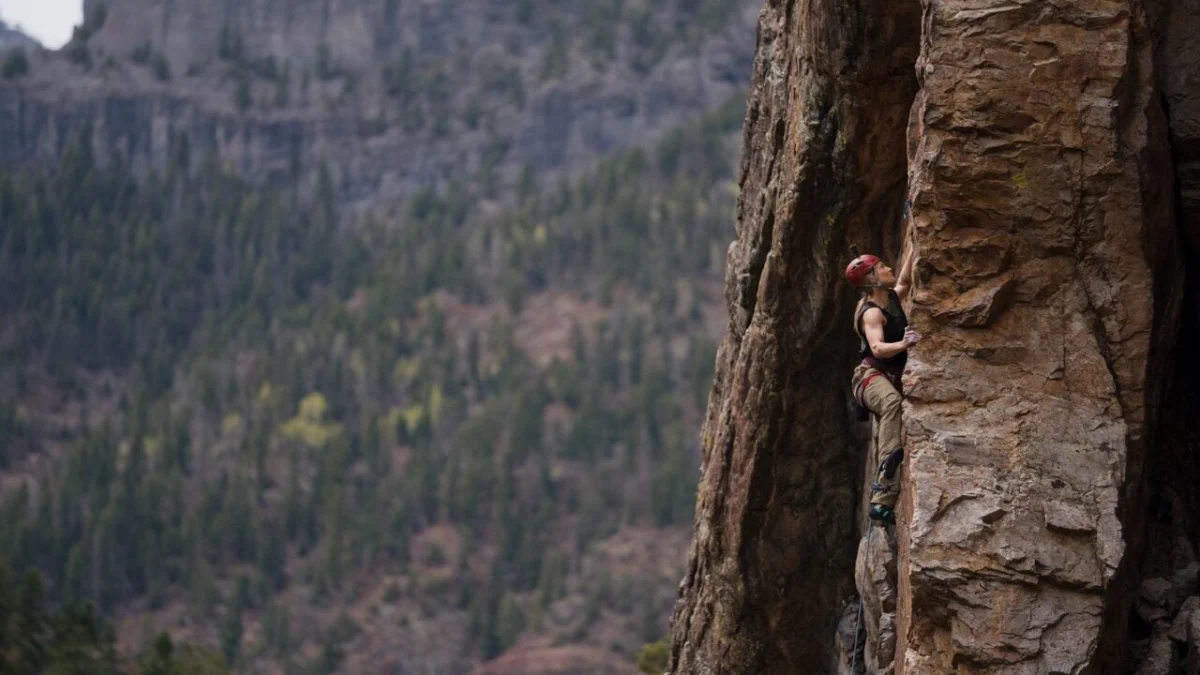
The pursuit of the definitive title in multi-discipline outdoor sports has reached a critical juncture in southern Colorado as the second season of Ultimate Mountain Athlete moves into its final phases. Produced through a strategic partnership between Outside and Toyota Trucks, the competition has gathered eight of the world’s most versatile outdoor specialists to endure a rigorous three-part evaluation of skill, endurance, and technical proficiency. The event, which carries a significant $40,000 cash purse, seeks to identify the individual who best masters the three pillars of mountain performance: rock climbing, backcountry skiing, and mountain biking. As the competition transitions from the vertical walls of the Uncompahgre Gorge to the high-alpine snowpacks of Silverton Mountain, the stakes for the remaining athletes have reached an all-time high.
The Framework of the Competition
The Ultimate Mountain Athlete (UMA) series was conceived as a response to the increasing specialization within the outdoor industry. While many athletes excel in a single discipline, the UMA format demands a "renaissance" approach to the mountains. The selection process for Season 2 involved a rigorous vetting of elite professionals, resulting in a field of four male and four female competitors who represent the top tier of international adventure sports.
The competition is structured around a points-based system where athletes are judged not only on their speed but also on their technical execution, style, and ability to manage risk in high-consequence environments. By hosting the event in the San Juan Mountains, organizers have selected one of the most geologically diverse and meteorologically volatile ranges in the United States, ensuring that the environment itself acts as a primary antagonist in the competition.
Phase One: The Final Verticality in Uncompahgre Gorge
Episode 2 of the current season focuses on the conclusion of the rock climbing segment, held within the steep, dark-walled confines of the Uncompahgre Gorge. Located near Ouray, Colorado—often referred to as the "Switzerland of America"—the gorge provides a world-class venue for technical rock maneuvers. The Uncompahgre Gorge is globally recognized for its sheer quartzite and slate walls, offering a variety of overhangs and technical faces that test the forearm endurance and mental fortitude of the athletes.
The final climbing event required competitors to navigate a series of high-difficulty routes under a ticking clock. Points were awarded based on the "cleanliness" of the ascent—referring to the completion of the route without falls—and the creative use of natural features. According to technical directors on site, the difficulty of the routes was set at a level that forced even the most seasoned climbers to reconsider their traditional sequences. The objective was to push the athletes out of their comfort zones, transitioning them from "climbing for leisure" to "climbing for points" under the pressure of a national broadcast.
The Crux: Transitioning from Rock to Alpine Snow
Perhaps the most grueling aspect of the Ultimate Mountain Athlete competition is the rapid transition between vastly different physiological demands. Immediately following the conclusion of the rock climbing event in the gorge, the eight athletes were required to trade their specialized climbing shoes for heavy-duty ski mountaineering boots.
This transition is not merely logistical; it represents a profound shift in muscle group utilization and cardiovascular output. While rock climbing requires explosive power and fine motor control in the hands and feet, ski mountaineering demands massive aerobic capacity and lower-body endurance. The logistics of this move were supported by a fleet of Toyota Trucks, which provided the necessary transport for the athletes and their significant gear loads through the rugged mountain passes that connect Ouray to the high-altitude terrain of Silverton.
Phase Two: High-Altitude Ski Mountaineering at Silverton Mountain
The competition moved to Silverton Mountain for the ski mountaineering component, a discipline that combines the uphill grind of skinning with the high-speed descent of technical alpine faces. Silverton Mountain is unique among American ski areas; it features only one chairlift and requires all skiers to carry avalanche safety gear, as the terrain is entirely un-groomed and mimics a true backcountry experience.
The athletes faced a course that started at an elevation exceeding 12,000 feet, where oxygen levels are approximately 40% lower than at sea level. The race format for this segment included:
- The Ascent: A vertical climb using skins and, in some sections, boot-packing with skis strapped to the athletes’ backs.
- The Technical Ridge: A traverse across narrow, wind-exposed ridges where balance and wind-resistance were paramount.
- The Descent: A timed run through a technical couloir, where athletes were judged on their ability to maintain control and fluid movement through variable snow conditions, including crust, powder, and wind-affected slabs.
The physical toll of performing at this altitude cannot be overstated. Competitors reported heart rates sustained at near-maximum levels for the duration of the ascent, followed by the intense quad-burn of a high-consequence descent.
Supporting Data and Technical Logistics
The execution of a multi-sport event in remote Colorado requires a sophisticated logistical framework. For Season 2, the production team utilized advanced GPS tracking to provide real-time data on athlete speed and elevation gain.
| Metric | Rock Climbing (Gorge) | Ski Mountaineering (Silverton) |
|---|---|---|
| Base Elevation | 7,800 feet | 10,400 feet |
| Peak Elevation | 8,200 feet | 13,487 feet |
| Primary Physical Demand | Grip Strength / Flexibility | Aerobic Capacity / Leg Power |
| Average Temperature | 55°F | 22°F |
| Equipment Load | ~15 lbs | ~35 lbs |
The $40,000 prize pool is one of the largest for a non-traditional multi-sport event, reflecting the growing commercial interest in hybrid mountain sports. Data from the outdoor industry indicates a 15% year-over-year increase in "multi-sport" participation, as consumers move away from single-activity hobbies toward a more holistic mountain lifestyle.
Statements from Organizers and Partners
Representatives from Outside have emphasized that the Ultimate Mountain Athlete competition is intended to be more than just a reality show. "This is a legitimate test of the human spirit in the most unforgiving environments we could find," stated a production lead during the Silverton filming. "By partnering with Toyota Trucks, we were able to access locations that would have been impossible for a standard production crew. This allowed us to put the athletes in truly ‘wild’ scenarios where their skills were the only thing keeping them on the leaderboard."
Toyota’s involvement was highlighted as a critical component of the event’s success. A spokesperson for the truck division noted, "The San Juan Mountains are a proving ground for our vehicles just as much as they are for these athletes. To get the crew, the cameras, and the gear to the top of these passes requires a level of durability that matches the grit of the competitors."
Broader Implications for the Outdoor Industry
The Ultimate Mountain Athlete competition arrives at a time when the "mountain athlete" identity is being redefined. Traditionally, the industry was siloed into specific communities: the "climbers," the "skiers," and the "bikers." However, the rise of events like UMA suggests a shift toward the "hybrid athlete"—individuals who possess a broad spectrum of skills that allow them to move through any terrain in any season.
This shift has significant implications for gear manufacturers and tourism boards. Brands are increasingly developing products that bridge the gap between disciplines, such as lightweight "approach" gear that functions for both hiking and climbing, or mountain biking apparel that incorporates elements of endurance running gear.
Furthermore, the focus on the San Juan Mountains provides a significant economic boost to the towns of Ouray and Silverton. Historically dependent on mining, these communities have successfully pivoted to outdoor recreation. High-profile events like UMA serve as a global advertisement for the region’s technical terrain, attracting a demographic of high-spending "adventure tourists" who seek to test themselves on the same routes used by the professionals.
Future Outlook: The Road to the Title
As Episode 2 concludes, the leaderboard remains tightly contested. The transition to the final discipline—mountain biking—will take place in the high-desert and alpine transitions of the lower San Juans, where heat and technical rock gardens will replace the cold and snow of Silverton.
The $40,000 grand prize will ultimately go to the athlete who demonstrates the most consistent performance across all three domains. For the remaining eight competitors, the margin for error has narrowed to nearly zero. The upcoming episodes will determine if the leaders from the rock climbing and skiing segments can maintain their momentum on two wheels, or if a dark horse candidate with superior cycling skills will surge ahead to claim the title of Season 2’s Ultimate Mountain Athlete.
The competition continues to be a benchmark for outdoor sports broadcasting, combining high-definition cinematography with raw, unscripted athletic struggle. For the athletes, the prize is not just the cash, but the recognition of being the most complete mountain specialist in the world. For the audience, it is a rare look at the limits of human performance in the majestic, yet brutal, San Juan Mountains.




 Chandra Hamzah
 Tatiana Tantri Indah Sari
 Budi Mulyono
 Lukman Taruna Persada Ramadan