
 Susilo Edi Turonggo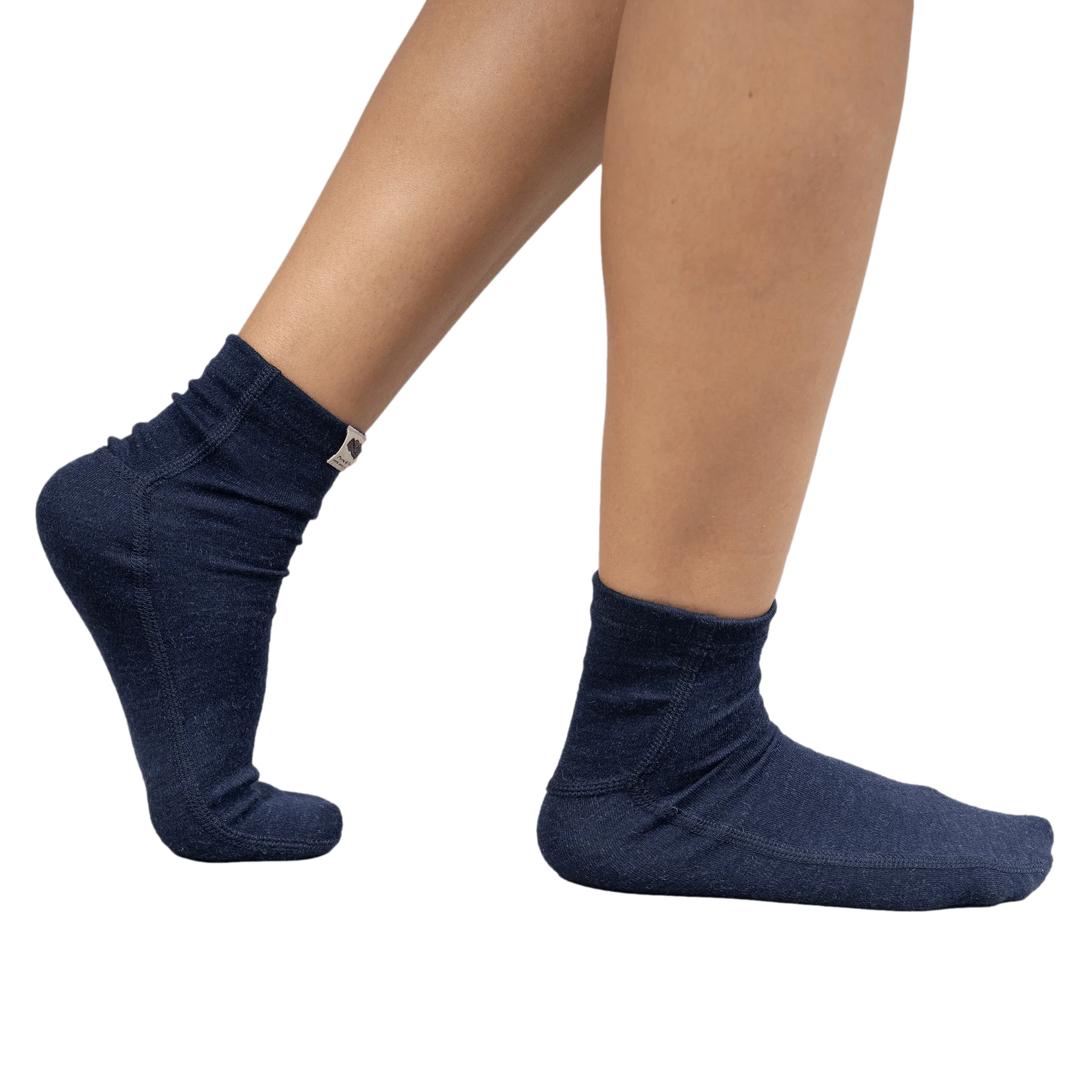
Socks, often considered a minor accessory in the daily wardrobe, hold a surprisingly significant impact on personal health and environmental sustainability. Far from being merely a matter of comfort, the materials and dyes used in their production can trigger skin sensitivities, contribute to body odor, and introduce harmful chemicals into the ecosystem. This examination delves into the critical reasons why consumers are increasingly turning towards non-toxic, natural fiber socks, exploring the health risks associated with conventional options, the environmental footprint of textile production, and the emerging market of brands committed to safer, more sustainable practices.
The Unseen Dangers of Conventional Footwear
For many, the irritation, itching, or unpleasant odors experienced after a day in synthetic socks are a familiar discomfort. Beyond these immediate nuisances, a more insidious threat lurks within the fibers and vibrant hues of many conventional socks. Plastic-based fabrics, such as polyester, are notorious for trapping moisture and creating an anaerobic environment conducive to bacterial growth, leading to persistent foot odor. However, the problem extends beyond mere smell. The dyes commonly employed in polyester and other synthetic textiles, particularly azo-benzene disperse dyes, are increasingly identified as potent skin sensitizers. Contact dermatitis, characterized by redness, itching, and inflammation, is a common reaction for individuals with sensitivities to these chemicals.
Furthermore, scientific research has raised alarms about the long-term health implications of these dyes. Studies indicate that certain azo-benzene disperse dyes can be carcinogenic when absorbed through the skin. This risk is amplified in socks, where direct, prolonged skin contact, especially in the presence of sweat, facilitates faster chemical migration and absorption. The skin, our body’s largest organ, acts as a permeable barrier, and prolonged exposure to such substances can have systemic effects. Regulatory bodies and researchers continue to investigate the full scope of these risks, prompting a growing call for safer alternatives in textile manufacturing. The global textile industry, valued at over $1.5 trillion, heavily relies on synthetic dyes, with an estimated 80,000 to 100,000 different chemicals used in various stages of textile processing, many of which lack comprehensive safety data.
The Environmental Footprint of Textile Dyeing
The environmental impact of conventional textile production, particularly dyeing processes, is profound and far-reaching. The dyeing industry is one of the largest polluters of clean water globally, with an estimated 17-20% of industrial water pollution attributed to textile processing. The discharge of untreated dye effluents into rivers and other water bodies contaminates ecosystems, harms aquatic life, and can pose risks to human health in downstream communities. These effluents often contain heavy metals, salts, acids, and non-biodegradable organic compounds, in addition to the dyes themselves.
The production of synthetic fibers like polyester and nylon also relies heavily on fossil fuels, contributing to greenhouse gas emissions and climate change. Microplastic shedding from synthetic textiles during washing cycles further exacerbates environmental concerns, with tiny plastic fibers entering waterways and eventually the food chain. This complex web of environmental challenges underscores the urgency for a paradigm shift towards more sustainable and less chemically intensive textile manufacturing practices.
A Shift Towards Natural Fibers and Non-Toxic Dyes
Recognizing the dual imperative of human health and environmental protection, a growing segment of the textile industry is championing the use of natural fibers and non-toxic dyes. For individuals with skin sensitivities or conditions like eczema, choosing socks made from 100% natural fibers is a crucial step towards comfort and well-being. While finding socks entirely free of synthetics can be challenging due to the need for elasticity, several pioneering brands are successfully achieving this.
Key Natural Materials and Their Benefits:
- Merino and Alpaca Wool: These natural fibers are highly prized for socks due to their inherent odor-resistance and superior moisture-wicking properties. Merino wool, in particular, is known for its fine fibers that offer softness without the itch often associated with traditional wool. Alpaca wool shares similar qualities, being exceptionally soft, warm, and hypoallergenic. Ethical sourcing is critical, with certifications like the Responsible Wool Standard (RWS) ensuring animal welfare practices, such as preventing mulesing—a painful procedure for sheep.
- Organic Cotton: A perennial favorite, organic cotton provides breathability and softness. Its cultivation avoids synthetic pesticides and fertilizers, reducing environmental pollution and farmer exposure to harmful chemicals. Certifications such as the Global Organic Textile Standard (GOTS) ensure the organic status of textiles from harvesting of the raw materials through environmentally and socially responsible manufacturing.
- Tencel (Lyocell): A regenerated cellulose fiber derived from sustainably sourced wood pulp, Tencel is known for its exceptional softness, breathability, and moisture absorption. Its closed-loop production process minimizes water and chemical waste, making it an environmentally friendly choice.
- Linen: Derived from the flax plant, linen is celebrated for its strength, durability, and breathability. It is naturally moisture-wicking and becomes softer with each wash.
- Bamboo Viscose: While bamboo itself is a highly sustainable plant, the process of converting it into viscose fiber can be chemically intensive. However, responsible manufacturers utilize closed-loop systems that recapture and reuse chemicals, making it a viable and comfortable option known for its softness and anti-bacterial properties.
For consumers who are not sensitive to minor synthetic content, blends containing recycled materials like nylon and polyester can offer improved durability and performance while still contributing to waste reduction. However, the emphasis remains on a majority natural fiber composition to maximize comfort and minimize chemical exposure.
Ensuring Non-Toxic Dyes and Finishes:
Beyond the fiber itself, the dyeing and finishing processes are critical touchpoints for chemical exposure. For those with dye sensitivities, undyed socks, which embrace the natural hues of the fibers, offer the safest option. For colored socks, rigorous certifications provide assurance of chemical safety:
- Oeko-Tex Standard 100: This globally recognized certification ensures that textiles and fabrics are free from harmful substances at every stage of production. Products carrying this label have been independently tested for a wide range of chemicals, including known carcinogens, heavy metals, pesticides, and allergenic dyes.
- bluesign®: This standard aims to eliminate harmful substances from the beginning of the manufacturing process, setting strict environmental and health criteria for textile production. It focuses on resource productivity, consumer safety, water and air emissions, and occupational health and safety.
Brands that implement a Restricted Substances List (RSL) demonstrate a proactive commitment to chemical management, ensuring that hazardous substances are avoided throughout their supply chain.
The Imperative of Traceable and Ethical Supply Chains:
The journey of a sock from raw material to finished product often involves a complex global supply chain. Ethical manufacturing, fair labor practices, and transparency are increasingly vital considerations. Consumers are encouraged to seek brands that openly share information about their supply chain partners, demonstrating accountability and commitment to social responsibility. Certifications such as:
- Fair Trade: Ensures fair wages, safe working conditions, and community development for farmers and factory workers.
- WRAP (Worldwide Responsible Accredited Production): Promotes ethical and humane manufacturing through independent certification.
- B Corp (Benefit Corporation): Certifies companies that meet high standards of verified social and environmental performance, public transparency, and legal accountability.
These certifications provide third-party verification that brands are upholding stringent social and environmental standards, contributing to a more equitable and sustainable global economy.
Sustainable Packaging: The Final Link in the Chain:
Even small items like socks contribute to packaging waste. Brands committed to sustainability extend their ethos to packaging, opting for compostable, biodegradable, or recycled and recyclable materials. Certifications from the Forest Stewardship Council (FSC) guarantee that paper and cardboard packaging materials are sourced from responsibly managed forests, further reducing environmental impact. This holistic approach to sustainability ensures that the product’s environmental footprint is minimized from its inception to its delivery.
Leading the Charge: Brands Championing Non-Toxic Socks
The market for non-toxic and sustainable socks is expanding, with several brands distinguishing themselves through their commitment to ethical sourcing, safe materials, and transparent practices.
-
Harvest & Mill: This brand exemplifies a commitment to local and dye-free production. Their organic cotton socks, in natural hues, are grown, spun, and knit entirely within the U.S., significantly shortening the supply chain and supporting domestic agriculture. This localized approach minimizes transportation emissions and ensures greater oversight of labor and environmental standards. Their dedication to repurposing or recycling fabric scraps and using compostable packaging further solidifies their circular economy principles. Feedback highlights their dye-free socks as exceptionally cozy, breathable, and comfortable, particularly for sensitive skin, offering good ankle protection without restrictive cuffs.
-
Subset (formerly Knickey): Based in Brooklyn, Subset is recognized for its PFAS-free, Fair Trade, and Oeko-Tex-certified organic cotton socks. Their entire production process, from farming organic cotton in India to ginning, spinning, dyeing, and sewing, is meticulously managed within a transparent supply chain. While their socks are noted for being thinner and suitable for tighter-fitting shoes, offering a dressier aesthetic, consumers should be aware that they contain 24% synthetics. Despite this, the elastic in the cuff is well-embedded, minimizing direct skin contact and potential irritation.
-
Paka: A certified B Corp, Paka specializes in durable, lightweight socks crafted primarily from alpaca wool and Tencel. These moisture-wicking and odor-resistant socks are dyed with Oeko-Tex-certified dyes and spun by Peruvian artisans, honoring traditional craftsmanship. Paka’s commitment to biodegradable and compostable packaging aligns with its sustainability goals. Testers praise these socks for their warmth and suitability for harsh winters or hiking, noting their thickness and insulating properties, although some minor itching due to the natural texture of alpaca wool was reported. It is important to note that Paka’s socks contain up to 50% recycled synthetics.
-
Arms of Andes: Standing out for its uncompromising dedication to 100% synthetic-free production, Arms of Andes crafts slipper socks exclusively from alpaca fiber sourced from free-range alpacas. These Oeko-Tex-certified socks are lightweight yet well-insulated, offering exceptional softness and moisture-wicking capabilities. The brand’s close collaboration with co-op farmers in the Andes ensures ethical sourcing and production from start to finish. Their commitment to compostable packaging reinforces their environmental stewardship.
-
Cottonique: As another pioneer in entirely synthetic-free socks, Cottonique focuses on 100% cotton allergy-free apparel. Their socks are meticulously designed to be latex-free, bleach-free, and hypoallergenic, featuring covered seams to prevent rubbing. Collaborating closely with dermatologists, Cottonique ensures its products are genuinely safe for the most sensitive skin. Sourcing organic cotton from India and manufacturing in the Philippines, they utilize compostable packaging.
-
Boody: This Sydney-based brand offers a diverse range of socks, from relaxed to performance-oriented, utilizing Oeko-Tex-certified organic bamboo viscose from India, organic cotton, and recycled nylon. Boody maintains a strict code of conduct and partners with WRAP-certified facilities in China, Vietnam, and India, demonstrating a commitment to ethical manufacturing across its global operations.
-
Kotn: A certified B Corp, Kotn fosters direct trade relationships with local Egyptian cotton farmers, ensuring fair prices and transparent sourcing. Their socks, made with organic cotton and Oeko-Tex-certified dyes, boast a completely traceable supply chain. The brand’s use of recycled and recyclable packaging further exemplifies its holistic approach to sustainability. Reviewers find these socks both comfortable and professional in appearance, though some pairs may contain up to 20% synthetics.
-
Quinn: Designed with eczema sufferers in mind, Quinn’s garments prioritize durability and skin safety. Their selection of organic cotton non-toxic socks includes dye-free, lightweight, and mid-weight options. Designed in Canada and ethically produced in Oeko-Tex-certified factories in Portugal and Sri Lanka, Quinn emphasizes responsible manufacturing. While their cotton is GOTS-certified, the specific sourcing location remains somewhat unclear, and some pairs contain up to 20% synthetics. Tester feedback highlights extreme comfort and breathability across their ankle and merino wool socks, with the latter offering exceptional warmth for hiking or lounging.
-
Cariloha: This certified B Corp offers hypoallergenic socks crafted from bamboo viscose and organic cotton. With Oeko-Tex and Fair Trade certifications, Cariloha’s bamboo is sourced from China, and they utilize FSC-certified paper packaging. While the brand demonstrates strong commitments to material and labor standards, transparency regarding manufacturing locations could be improved.
-
Dedicated: Known for its Fair Trade organic cotton socks with vibrant patterns, Dedicated ensures that its cotton suppliers are WRAP-certified. Product pages offer clear information on the manufacturing location for each pair, promoting full transparency. However, consumers should note that their socks contain up to 25% elastane.
-
Darn Tough: Manufactured in Vermont in family-owned mills, Darn Tough’s socks are celebrated for their comfort and exceptional durability. They incorporate RWS-certified merino wool in a variety of colorful styles and use Oeko-Tex-certified materials, regularly testing for hazardous substances in accordance with their Restricted Substances List. Their packaging features FSC-certified recycled paper, compostable bags, and vegetable-based inks. Despite these strong sustainability credentials, their socks can contain up to 50% synthetics, a point of consideration for highly sensitive individuals.
-
Nisolo: While primarily recognized for its high-quality leather shoes, Nisolo, a certified B Corp, also offers a stylish and comfortable line of socks. These socks are produced in a family-owned mill in North Carolina, utilizing upcycled cotton, linen, wool, and recycled polyester. Nisolo is committed to supply chain traceability and striving to pay a living wage across its operations. Their packaging uses recycled materials. However, their socks contain a significant proportion, up to 70%, of synthetics.
-
Swedish Stockings: This brand specializes in knee-highs and ankle socks, offering a range of styles including classic, supportive, colorful, and patterned options. They are made in Italy using Oeko-Tex-certified materials such as bamboo viscose, organic cotton, organic wool, recycled polyester, and both virgin and recycled elastane. While offering innovative and stylish options, it’s important to note that some of their socks are fully synthetic.
The Broader Impact: A Paradigm Shift in Consumer Choices
The movement towards non-toxic and sustainably produced socks is indicative of a broader transformation within the fashion industry. Consumers are becoming increasingly informed and discerning, demanding transparency, ethical practices, and products that do not compromise their health or the planet. This shift is not merely a trend but a fundamental re-evaluation of production methods, material sourcing, and waste management.
The implications of this growing awareness are significant:
- For Consumer Health: A reduction in exposure to skin irritants, allergens, and potentially carcinogenic chemicals, leading to improved comfort and long-term well-being.
- For Environmental Stewardship: Decreased water pollution, reduced reliance on fossil fuels, lower greenhouse gas emissions, and a reduction in microplastic shedding, fostering healthier ecosystems.
- For Economic Development: The growth of ethical supply chains, supporting fair wages, safe working conditions, and community development in manufacturing regions.
- For Industry Innovation: A strong incentive for manufacturers to invest in cleaner technologies, develop novel sustainable materials, and adopt circular economy principles.
As the industry continues to evolve, the choice of socks, seemingly small, becomes a powerful statement—a vote for health, ethics, and a sustainable future. By supporting brands committed to these values, consumers play a vital role in accelerating this positive transformation.



 Anjar Salim
 Chandra Hamzah
 Tatiana Tantri Indah Sari
 Budi Mulyono
 Lukman Taruna Persada Ramadan
