
 Susilo Edi Turonggo
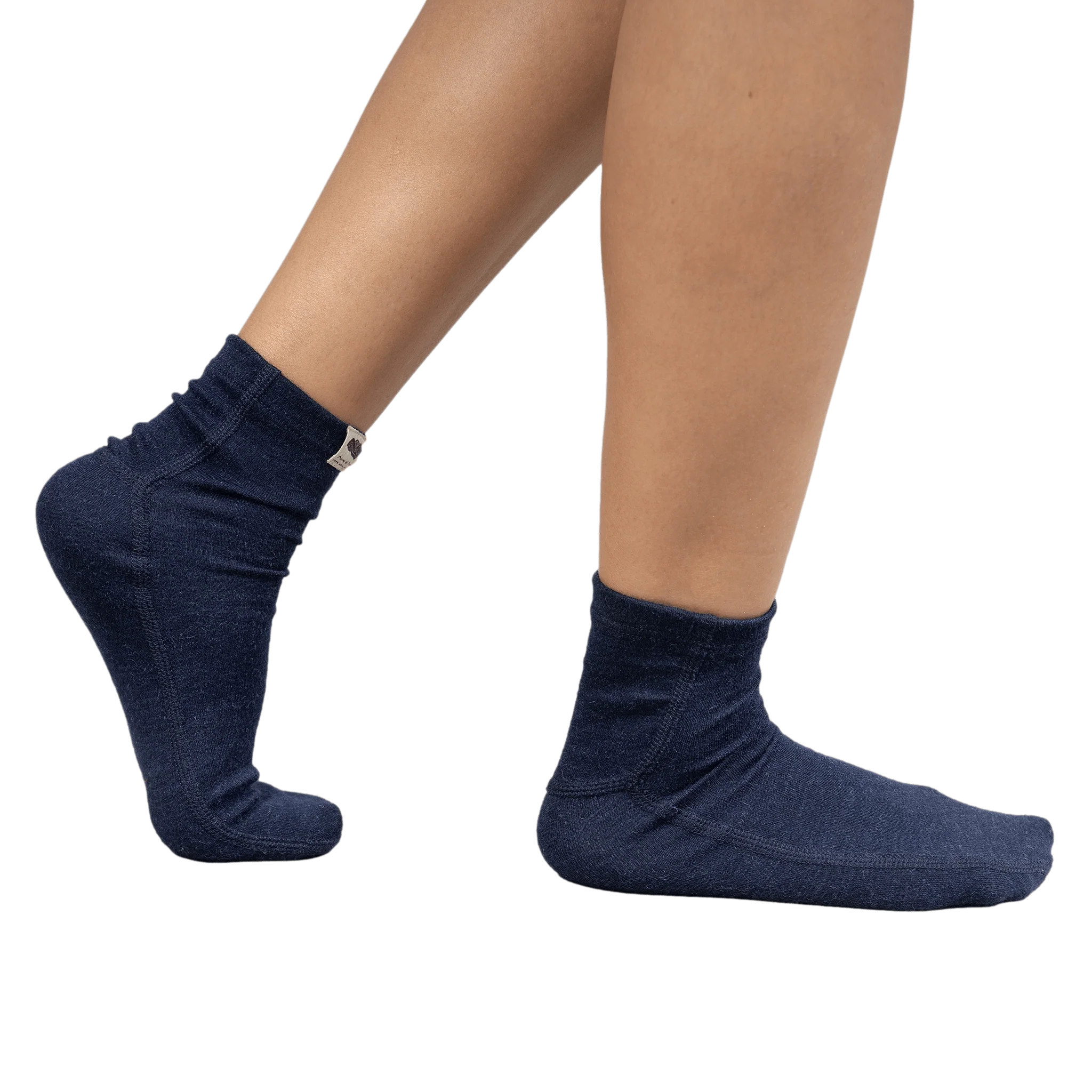
Socks are frequently the most overlooked component of a person’s daily wardrobe, yet they represent a significant point of continuous dermal contact. While modern manufacturing has optimized for durability and affordability through the use of synthetic polymers, emerging research into textile chemistry suggests that these materials may carry hidden health implications. For individuals with sensitive skin, chronic dermatological conditions, or environmental health concerns, the transition toward natural fibers and non-toxic dyes is no longer merely a matter of comfort, but one of proactive health management.
The Chemical Landscape of Modern Hosiery
The global hosiery industry has undergone a radical transformation over the last four decades. In the 1980s, the integration of petroleum-derived synthetic fibers like polyester, nylon, and elastane became the industry standard to ensure elasticity and longevity. However, this shift brought with it a reliance on disperse dyes, particularly azo-benzene variants. According to toxicological assessments published in journals such as the Environmental Health Perspectives, these dyes are designed to bond permanently with synthetic fibers. When socks become damp through perspiration, these chemical agents can migrate from the fabric to the skin.
The biological mechanism is straightforward: heat and moisture facilitate the leaching of these substances, which can act as potent skin sensitizers. In severe cases, certain azo dyes have been classified as potential carcinogens. The rapid absorption through the feet—an area with a high density of sweat glands—raises concerns regarding cumulative exposure. Furthermore, synthetic fibers trap heat and moisture, creating a breeding ground for odor-causing bacteria, which leads many consumers to rely on additional chemical deodorizing treatments, further complicating the chemical profile of the garment.
A Chronology of the Sustainable Textile Movement
The push for transparency in the apparel sector did not occur in a vacuum. It began in the early 2000s, driven by the global "slow fashion" movement and a heightened awareness of the ecological footprint of the garment industry.
- 2005–2010: Increased scrutiny of textile manufacturing led to the mainstreaming of certifications like Oeko-Tex and the Global Organic Textile Standard (GOTS). These benchmarks provided consumers with a way to verify that garments were free from harmful levels of over 100 substances.
- 2015–2018: The "responsible wool" movement gained momentum, specifically addressing the practice of mulesing—a surgical procedure used on sheep to prevent flystrike. Organizations like the Textile Exchange began standardizing supply chains to ensure ethical sourcing.
- 2020–Present: The post-pandemic era saw a surge in demand for direct-to-consumer sustainable brands. The focus shifted from merely "organic" materials to "traceable" supply chains, where brands now provide map-based transparency regarding exactly where their cotton is grown and where their fibers are spun.
Material Science: Natural Versus Synthetic
For the health-conscious consumer, the gold standard remains 100% natural fibers, though the industrial requirement for elasticity often necessitates a small percentage of elastane or spandex.
Merino and alpaca wool have emerged as the superior choices for active and thermal wear. Unlike polyester, these fibers are naturally moisture-wicking and antimicrobial. They do not merely mask odor; they prevent the environment in which odor-causing microbes thrive. Cotton, while breathable, requires careful selection. Conventionally grown cotton is one of the most pesticide-intensive crops in the world; therefore, choosing GOTS-certified organic cotton is essential to ensuring that the end product does not contain residual agricultural chemicals.
Expert Perspectives on Chemical Management
Industry analysts and dermatologists emphasize that the "non-toxic" label is not a catch-all. True safety requires a multi-layered approach to chemical management. Brands that excel in this space typically employ a Restricted Substances List (RSL), a policy that prohibits the use of specific chemicals beyond what is legally mandated in their operating countries.
"Transparency in the supply chain is the only verifiable metric for safety," says a senior analyst at an environmental textile watchdog. "If a brand cannot identify the specific mill or the specific dye-house used for their production, they cannot guarantee the absence of heavy metals or banned azo dyes in their finished goods."
Market Leaders and Ethical Sourcing
Several brands have emerged as leaders in this niche, balancing performance with strict adherence to safety standards:
1. Harvest & Mill
Specializing in U.S.-grown, dye-free organic cotton, this company has shortened its supply chain to an extreme degree, ensuring that the labor and agricultural practices are kept domestic. Their commitment to zero-bleach production makes them a benchmark for skin-safe hosiery.
2. Paka
By utilizing alpaca fiber, Paka offers a high-performance alternative to synthetic performance socks. Their B Corp certification ensures that their operations meet high standards of social and environmental performance.
3. Cottonique
For those with severe allergies, Cottonique represents the rare end of the market: 100% synthetic-free, latex-free, and bleach-free. By working directly with dermatological practitioners, they ensure that their seams and finishes do not cause physical abrasion, a common trigger for eczema.
4. Darn Tough
While they utilize synthetic blends for durability, Darn Tough remains a leader in the performance space due to their strict adherence to the Responsible Wool Standard (RWS) and their rigorous testing protocols for hazardous substances.
The Broader Economic and Environmental Impact
The shift toward sustainable, non-toxic hosiery has broader implications for the global textile economy. By prioritizing durability, the industry moves away from the "fast fashion" cycle that contributes to the estimated 92 million tons of textile waste produced annually. When a consumer purchases a high-quality pair of alpaca or organic cotton socks that lasts for years, the per-wear cost decreases, despite a higher upfront investment.
Furthermore, the demand for natural, ethically sourced fibers encourages farmers to adopt regenerative agricultural practices. For instance, the demand for alpaca wool supports traditional farming co-ops in the Andes, providing an economic incentive to maintain ancestral, low-impact land management techniques.
Implications for the Consumer
Choosing the right pair of socks is a data-driven decision. Consumers should look for:
- Certifications: Oeko-Tex Standard 100 (for dyes), GOTS (for cotton), and RWS (for wool).
- Traceability: A clear breakdown of the manufacturing process from fiber to finished product.
- Packaging: A shift away from plastic, which not only generates waste but is often a sign of a brand that has not fully considered the environmental impact of its entire operation.
While it may seem that a pair of socks is a minor purchase, the collective impact of consumer choice is what drives systemic change. As awareness regarding the dermal absorption of chemicals grows, the hosiery industry will be forced to adapt, moving toward a future where the comfort of the consumer and the health of the planet are no longer mutually exclusive. The transition to non-toxic, natural fibers is a logical evolution for a market that is becoming increasingly informed, demanding, and conscious of the long-term impacts of the items that touch our skin every single day.




 Gabriela Annisa

 Lukman Taruna Persada Ramadan

 Tatiana Tantri Indah Sari

 Anjar Salim


 Dwi Wanna
