
 Anjar Salim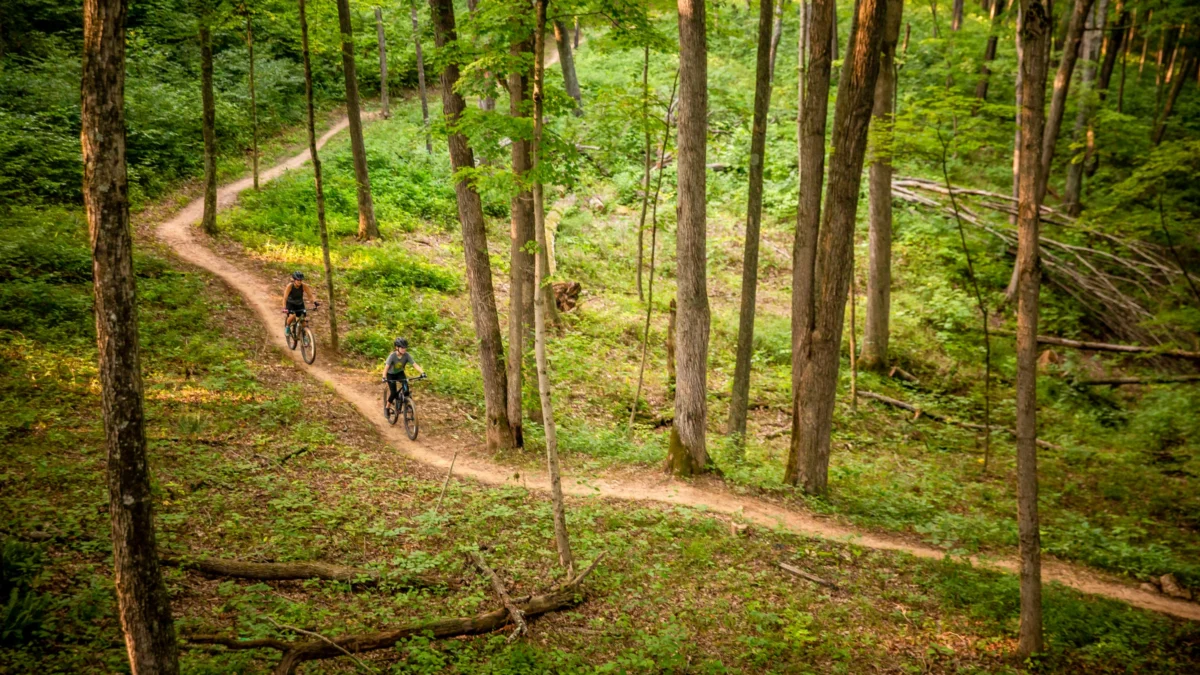
Athens County, Ohio, situated in the heart of the Appalachian Plateau, has emerged as a premier destination for outdoor enthusiasts seeking a reprieve from the increasingly congested national park systems of the American West. While many iconic outdoor hubs grapple with the logistical challenges of overtourism and environmental degradation caused by high foot traffic, this corner of Southeast Ohio offers a vast, 500-square-mile expanse of rugged terrain, ancient hardwood forests, and sophisticated trail networks that remain largely undiscovered by the broader national demographic. Located approximately 75 miles southeast of the state capital, Columbus, Athens County represents a unique intersection of geological history, economic transformation, and modern conservation efforts.
The region’s physical profile is a direct result of its unique geological history. Unlike the majority of the Upper Midwest, which was leveled by the movement of massive glaciers during the last Ice Age, the hills of Athens County were spared. This lack of glacial scouring preserved a primeval landscape characterized by steep ridgelines, deep hollows, and dramatic sandstone outcroppings. Today, this topography serves as the foundation for a burgeoning outdoor recreation economy that is revitalizing former coal-mining communities through sustainable tourism.
A Legacy of Transformation: From Extraction to Recreation
The history of Athens County is deeply intertwined with the rise and fall of the American coal industry. Throughout the late 19th and early 20th centuries, the region was a powerhouse of industrial extraction. However, as the coal industry waned, the landscape began a slow process of natural reclamation. In recent decades, local governments, non-profit organizations, and federal agencies have worked in tandem to transition these lands from industrial sites into public assets.
The most significant manifestation of this effort is the Baileys Trail System. Located within the Wayne National Forest and centered near the village of Chauncey, the Baileys Trail System is a master-planned network of nearly 88 miles of purpose-built singletrack. The project is managed by the Outdoor Recreation Council of Appalachia (ORCA), a council of governments formed specifically to oversee the development and maintenance of the trails.
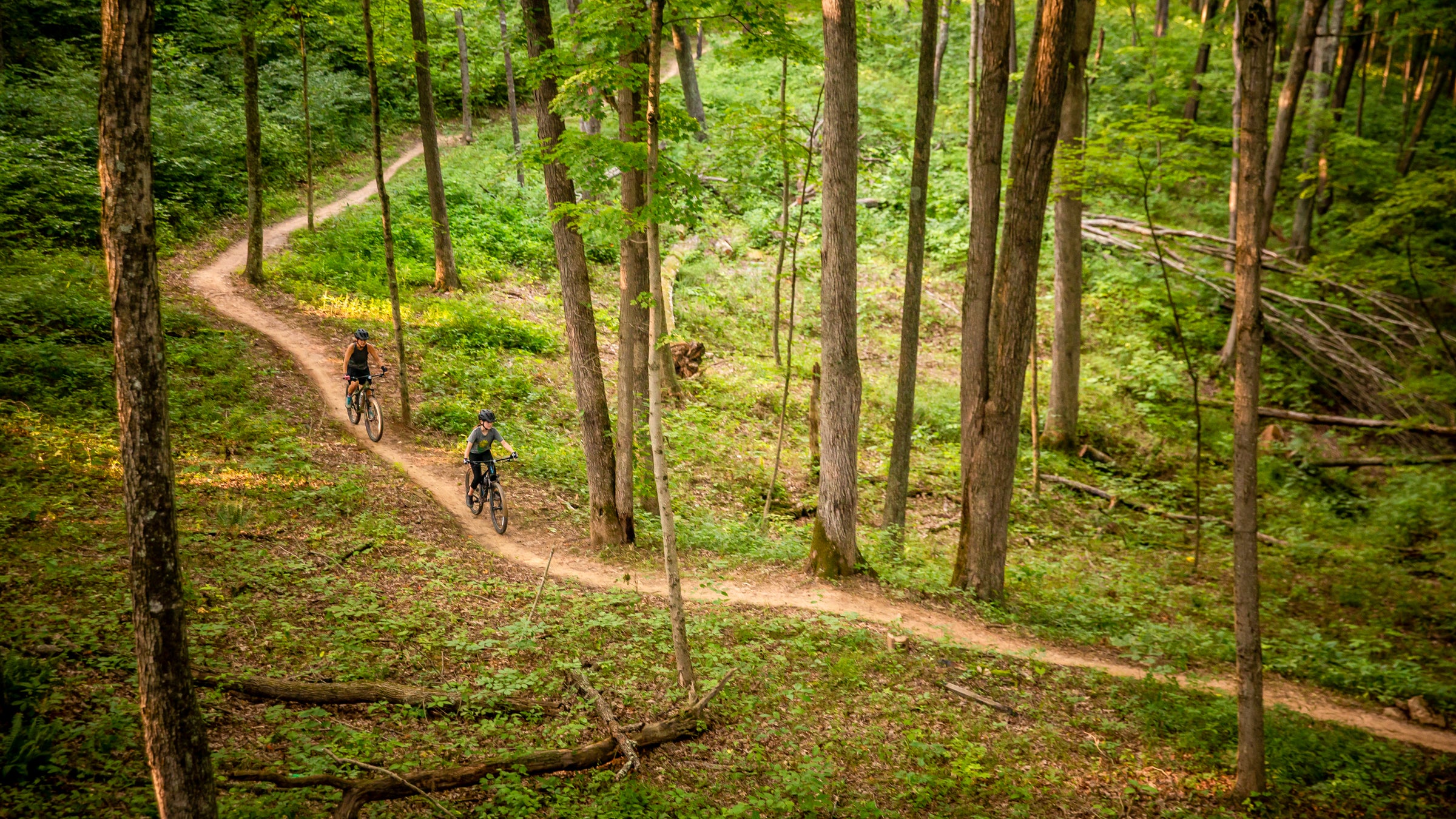
The development of the Baileys Trail System represents a multi-million dollar investment in rural infrastructure. Unlike traditional trails that may follow old logging roads or deer paths, the Baileys trails were professionally designed to meet International Mountain Bicycling Association (IMBA) standards for sustainability. This ensures that the trails can withstand heavy rain and use without significant erosion, protecting the local watershed while providing a world-class experience for mountain bikers, trail runners, and hikers.
Economic Impact and Supporting Data
The shift toward outdoor recreation is supported by significant economic data indicating that the "outdoor economy" is a vital pillar of Ohio’s financial health. According to the U.S. Bureau of Economic Analysis (BEA), outdoor recreation accounted for approximately $12.8 billion of Ohio’s Gross Domestic Product (GDP) in recent years, supporting over 130,000 jobs across the state.
In Athens County, the impact is felt locally through the growth of hospitality and service sectors. With a year-round population of roughly 63,000—a figure dwarfed by the millions who visit the Great Smoky Mountains or Zion National Park annually—Athens County maintains a low visitor-to-acreage ratio. This provides a "solitude economy" where businesses like Donkey Coffee, Jackie O’s Brewery, and Little Fish Brewing Company thrive by serving both a stable local population of Ohio University faculty and students and a growing influx of weekend adventurers.
Comparative data highlights the region’s appeal as an alternative to "maxed out" destinations. While Great Smoky Mountains National Park may see upwards of 300,000 visitors in a single week during peak season, Athens County offers a comparable Appalachian aesthetic with a fraction of the crowd density. This lack of congestion is not merely a matter of convenience; it is a critical factor in the preservation of the "wild" character that modern tourists increasingly covet.
The Diverse Ecosystem of Athens County Recreation
The outdoor offerings in Athens County are categorized by their diversity and accessibility. The region provides a "choose-your-own-adventure" model that caters to different skill levels and interests.
The Baileys Trail System: The Premier Hub
The Baileys system is the crown jewel of the region’s mountain biking infrastructure. It features a tiered difficulty system:
- Beginner/Family Loops: Trails such as "Coal Train" and "Bullfrog Loop" offer gentle gradients and wide berths, making them ideal for novices.
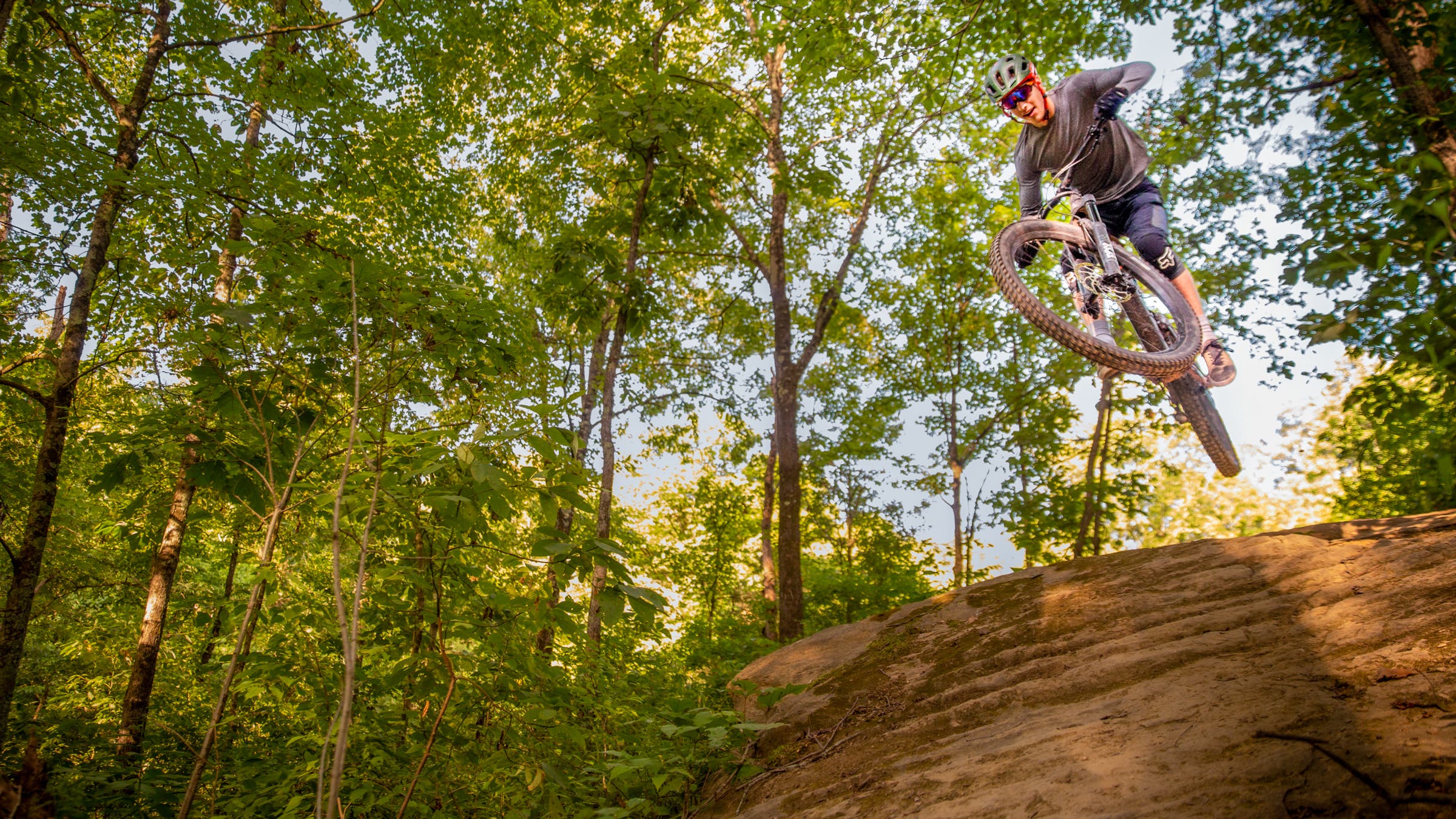
- Technical Terrain: For expert riders, trails like "Bear-Corn" provide technical jumps, rock gardens, and steep descents.
- Backcountry Exploration: The "Bloodroot" trail offers a deep-woods experience, taking users far into the interior of the Wayne National Forest.
Strouds Run State Park and Dow Lake
Located just minutes from the city of Athens, Strouds Run State Park encompasses 2,606 acres of unbroken forest. The park’s centerpiece is the 161-acre Dow Lake, which serves as a hub for flat-water paddling and swimming. The park features over 26 miles of interconnected trails, many of which link directly to the city’s municipal trail system. This connectivity allows for a seamless transition from urban amenities to rugged wilderness.
The Hockhocking Adena Bikeway
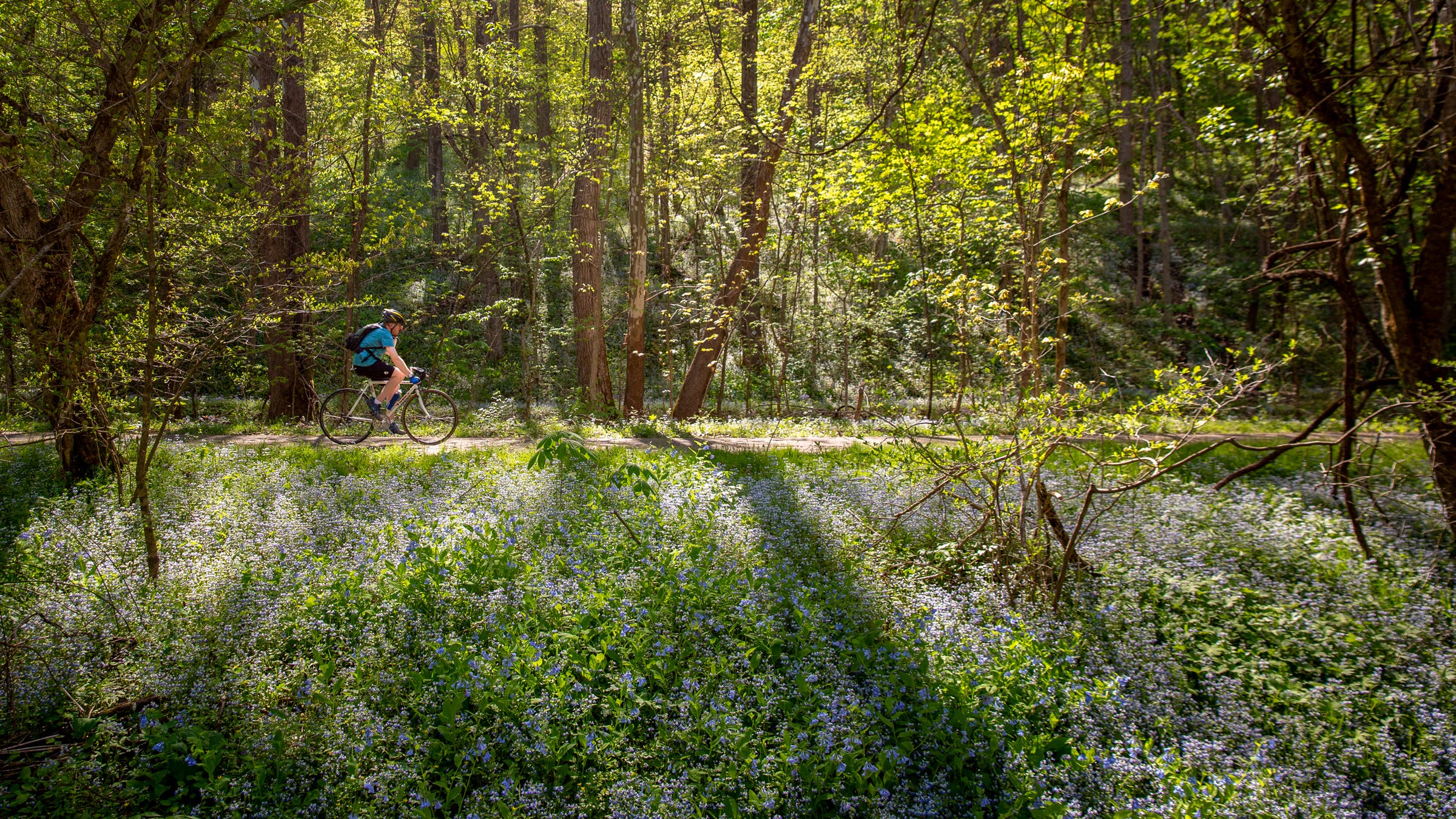
For those seeking a less strenuous experience, the 22-mile Hockhocking Adena Bikeway offers a paved, multi-use path that follows the Hocking River. Built on a former railroad corridor, the path connects the city of Athens with the historic village of Nelsonville. It is a vital artery for road cyclists, marathon trainers, and commuters, passing through scenic wetlands and the Bluebell Preserve.
Gravel Grinding and Rural Connectivity
Beyond the formal trail systems, Athens County is a destination for the growing sport of gravel biking. The county is crisscrossed by hundreds of miles of unpaved township roads that traverse remote hollows and high ridgelines. Organizations like Ohio Gravel Grinders have mapped these routes, providing itineraries that highlight the region’s bucolic farmsteads and "hidden" Appalachian architecture.
Conservation and Biodiversity: The Athens Conservancy
The long-term viability of the region’s outdoor appeal rests on the shoulders of conservation groups like the Athens Conservancy. This volunteer-driven non-profit manages a network of protected preserves that safeguard the region’s biodiversity.
These preserves serve as critical habitats for native species. For instance, the Blair Preserve is known for the drumming of the rare ruffed grouse, a bird species that has seen declining numbers elsewhere in the state. In the spring, the Bluebell Preserve becomes a destination for botanists and photographers as the forest floor is carpeted in Virginia Bluebells.
The Conservancy’s work also includes the protection of "dark sky" areas. The Deep Hollow-Dark Skies preserve offers a hilltop clearing with minimal light pollution, providing one of the best locations in the Midwest for stargazing and astrophotography. This emphasis on preserving the "sensory" qualities of the outdoors—silence and darkness—is a key component of Athens County’s branding as a premium destination.
Broader Implications and Regional Outlook
The success of Athens County serves as a blueprint for other post-industrial rural areas across the United States. By leveraging natural assets and historical geography, the county has created a resilient economic model that is not dependent on extractive industries.
Local officials and stakeholders emphasize that the development of these recreation systems is a matter of public health as much as economic development. In statements regarding the expansion of the Baileys Trail System, representatives from the City of Athens and the Wayne National Forest have noted that providing accessible outdoor space improves the quality of life for residents, helping to attract and retain a skilled workforce in the region.
Furthermore, the proximity of Athens County to other major attractions—such as Hocking Hills State Park and Lake Hope State Park—creates a "recreation cluster" effect. While Hocking Hills attracts millions of visitors for its famous caves and waterfalls, Athens County acts as the sophisticated "basecamp" for those who want to pair their outdoor excursions with high-quality dining, craft beer, and cultural events.

Conclusion: A New Standard for the Midwest
As the national conversation around the outdoors shifts toward sustainability and the management of "overtourism," Athens County stands as a testament to the power of intentional planning and community-led conservation. It offers a rare combination of world-class infrastructure and genuine solitude.
For the modern traveler, the value of Athens County lies in its authenticity. It is a place where the trails are deep, the history is visible in the sandstone cliffs and old mine entries, and the crowds are non-existent. As more people seek to disconnect from the digital world and reconnect with the natural one, this corner of Ohio is no longer just a local secret—it is a national model for what the future of outdoor recreation can look like.
The region’s transition from a coal-dependent economy to a premier outdoor destination is nearly complete, ensuring that the hills spared by the glaciers will be preserved for generations of adventurers to come. Through the continued partnership of organizations like Visit Athens County, ORCA, and the Athens Conservancy, the county is poised to remain a vital, wild, and welcoming heart of the American Midwest.




 Chandra Hamzah
 Tatiana Tantri Indah Sari
 Budi Mulyono
 Lukman Taruna Persada Ramadan